Practical Travel
What is an Izakaya? A Ordering and Payment Guide for First-Time Visitors in Japan
Updated 18 November 2026By Dynamic Japan Travel editorsEditorial policy
Contents
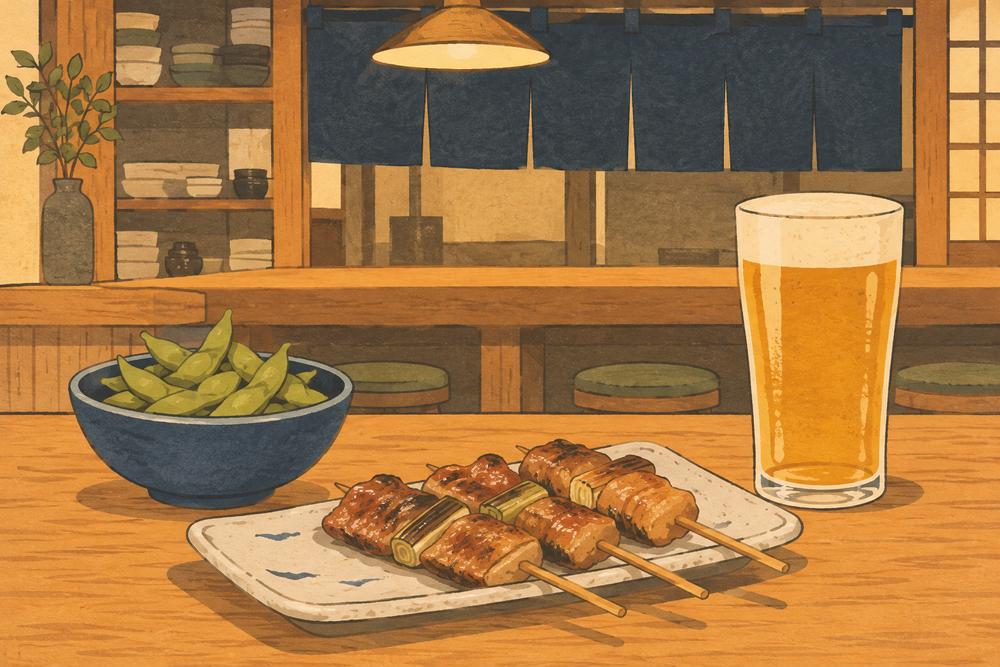
An izakaya is a Japanese eatery where you can enjoy drinks like sake or tea while ordering your favorite dishes. For example, you might sit alone at the counter, taking a break with yakitori and oolong tea. If you're with someone, you might share some karaage and then reopen the menu to decide, "What should we eat next?" Both are ways to enjoy an izakaya.
Key Points of This Article
- For First-Timers
- For those entering an izakaya for the first time on a trip to Japan.
- Order Guide
- Examples of orders for one or two people, and how to interpret "one serving" on the menu.
- Useful Phrases
- Introduces Japanese phrases you can use from being seated to the final order and payment.
What is an Izakaya? Differences from Restaurants and Bars
An izakaya is a type of restaurant where you can also enjoy dinner. Unlike bars that focus mainly on drinks, izakayas are known for their diverse food offerings. Some places are famous for sashimi, while others take pride in their grilled skewers, allowing you to choose a spot based on what you feel like eating tonight.
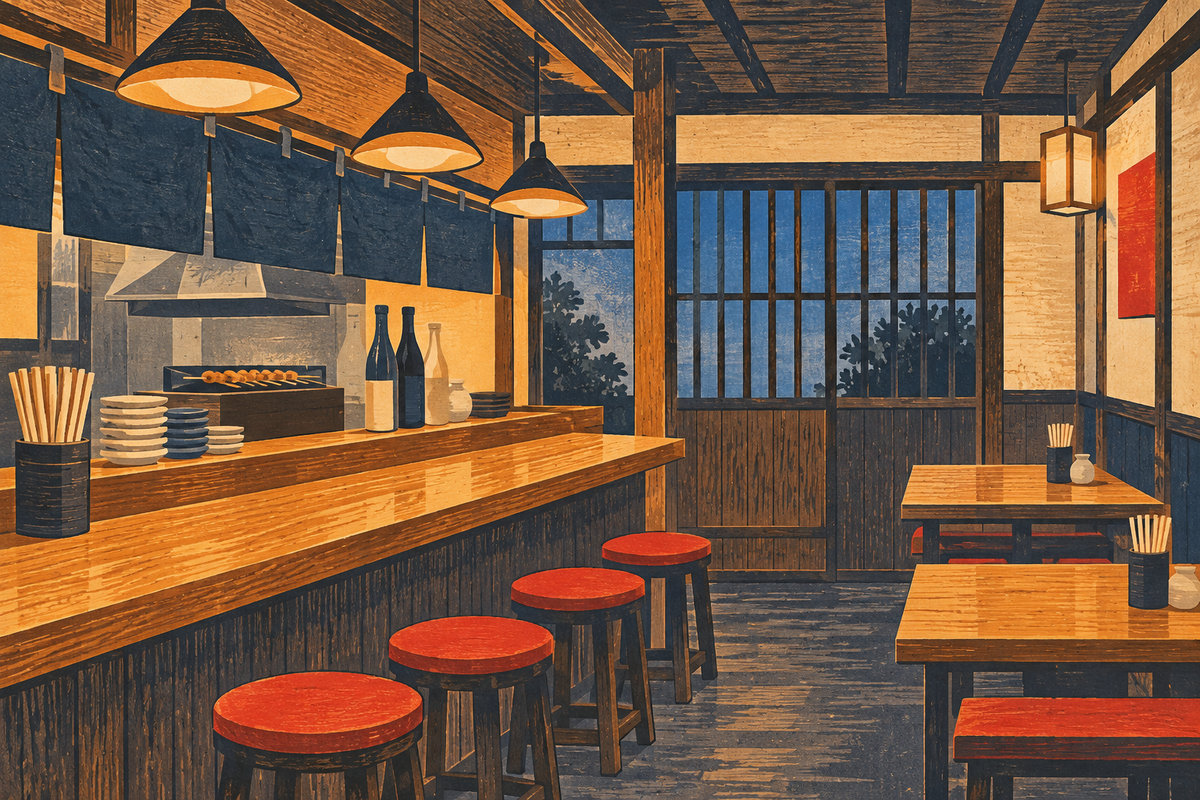
The origin of the name "izakaya" comes from the custom of drinking sake purchased at a liquor store on the spot. During the Edo period, establishments serving simple dishes alongside sake became widespread.
Classic Izakaya Dishes and Ordering Examples for One or Two
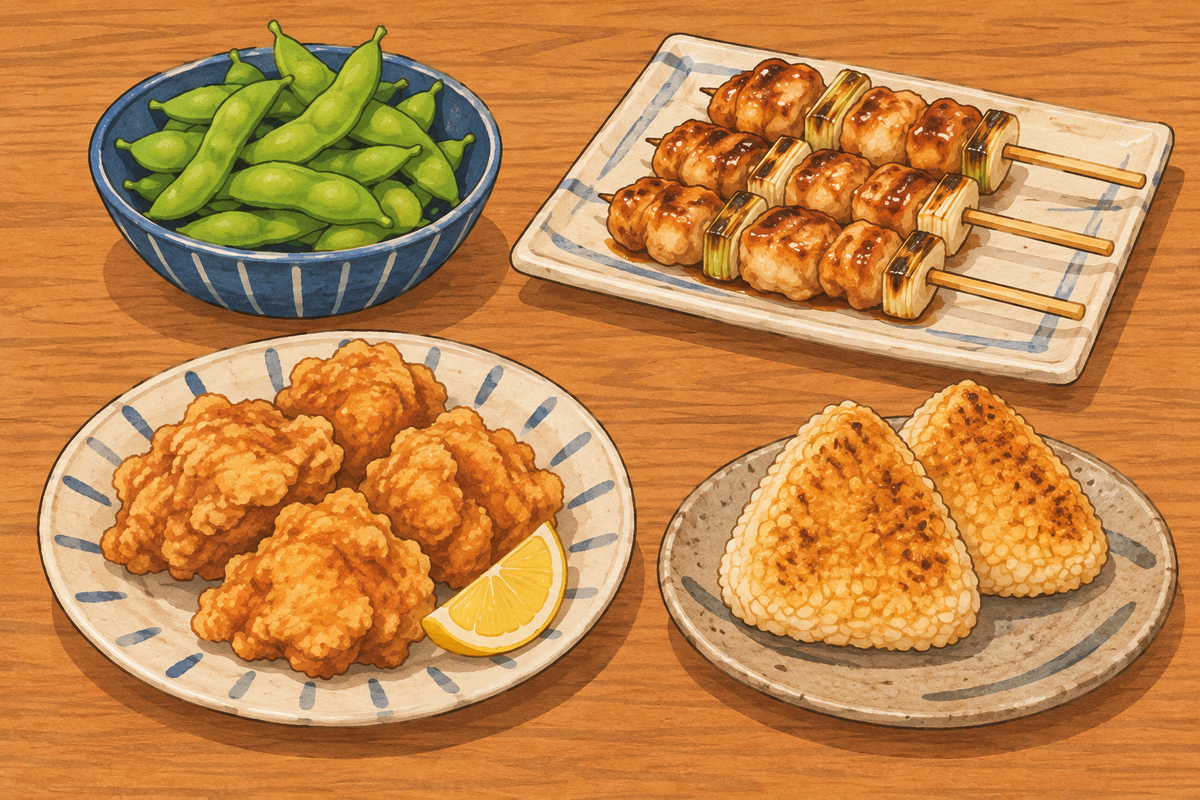
- Edamame
- Young soybeans boiled in their pods. The beans are eaten after being removed from the pods.
- Yakitori
- Skewered and grilled chicken or other meats.
- Karaage (fried chicken)
- Chicken seasoned, coated, and deep-fried. Ideal for sharing with others.
- Yaki onigiri (grilled rice ball)
- Rice balls grilled to a savory crisp. Perfect for when you want a little more to eat.
In addition to beer and sake, non-drinkers can choose options like oolong tea or ginger ale. The "one drink policy" requires each person to order at least one drink. Check if children are included and if soft drinks are available by consulting the establishment's guidelines. If unsure, you can ask, "Is oolong tea okay?"
The all-you-can-drink option allows you to order drinks from a set menu for a fixed price. When choosing, check if your preferred drinks and dishes are included in the price.
How much should you order initially?
If ordering à la carte, start with one or two dishes you want to try. After seeing the portion size, you can choose the next dish. With "1 serving of yakitori (2 skewers)," two people can enjoy one skewer each. If you have reserved a course, check what dishes are included before adding more.
| Number of People | Initial Order Example | If Adding More |
|---|---|---|
| One Person | 1 glass of oolong tea, 1 serving of yakitori | 1 grilled rice ball |
| Two People | 1 drink each, 1 plate of edamame and karaage | Share 1 serving of yakitori |
When serving food, transfer your portion from the large platter to a small "personal plate." If serving chopsticks or tongs are provided, use them.
Things to Know Before Entering
Business Hours Guide
Many izakayas open in the evening, typically around 5 to 6 PM in Tokyo, and close around 11 PM to midnight. Some open from noon or stay open late on weekends.
If planning a late dinner, check the official website of the desired establishment for that day's hours and the last order time. At the entrance, you can ask "Is it still possible to have a meal?".
Menu and Pricing
If there's a menu outside, check not only the prices of food and drinks but also any seating charges or appetizer fees (for the initial small dish). If you're unsure about additional costs, you can ask, "How much extra does it cost per person besides food and drinks?"
If you wish to pay by card or only plan to have drinks, it's reassuring to inquire beforehand.
When Traveling with Children
Check the no-smoking/smoking signs and entry conditions at the entrance. In Japan, the legal drinking age is 20, and those under 20 are not allowed in smoking areas.
From Entry to First Order
When you have a reservation, provide your name at the entrance. If not, say "two people" and wait to be seated. If there's a waiting list, write your name and number of people, then wait to be called. If told "please choose any seat," you can select your own.
In a tatami room, you may need to remove your shoes. If you prefer a chair, ask "Do you have chair seating?" when guided to your seat. If you have food allergies, inform them upon entry, such as "I have an egg allergy", specifying the allergen.
Order drinks and food.
- When ordering from staff
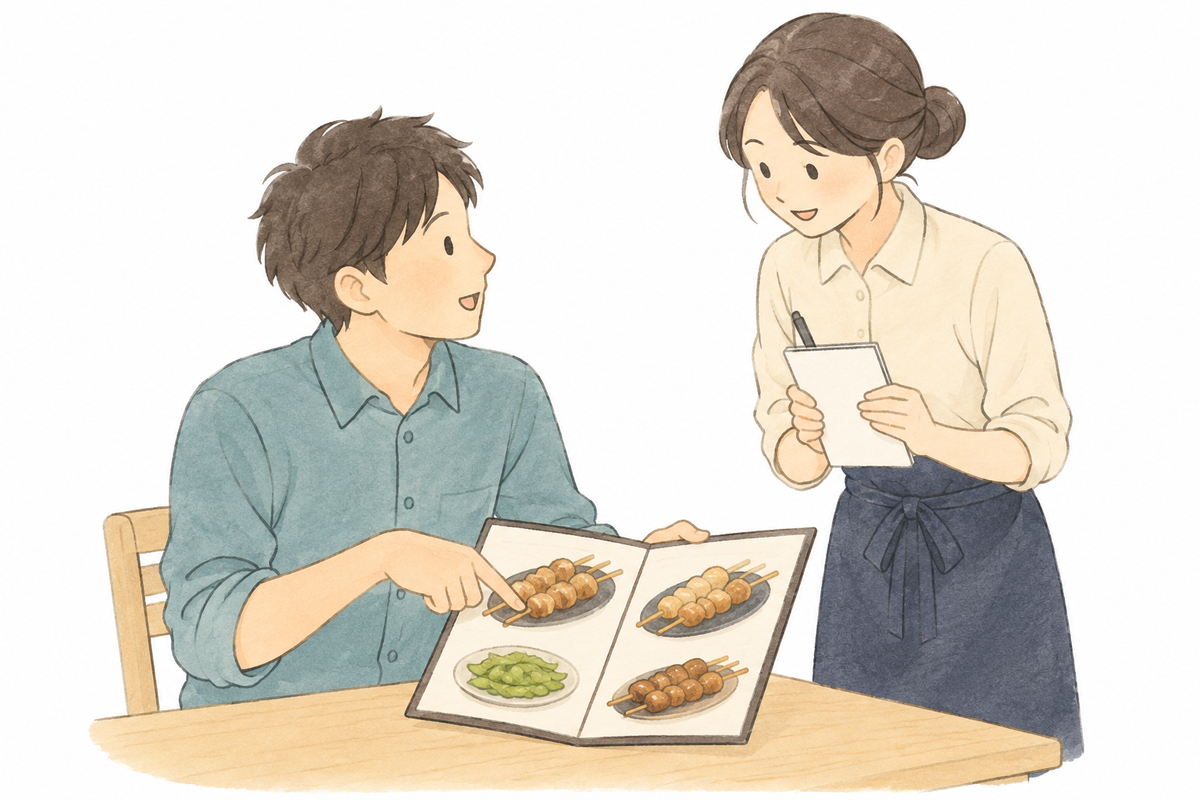
- If asked about drinks, say, "One oolong tea, please." For food, point to the menu and say, "One of this, please." If you want to add more, press the table bell or say, "Excuse me."
- When ordering via screen
- Choose on the tabletop tablet or by scanning the QR code at your seat with your smartphone. On screens with language options, select the language you find easiest to read. If sharing one plate of fried chicken between two people, set the quantity to "1." Review the item names and quantities before confirming your order. If unsure whether it was sent, show the screen and ask, "Has my order been placed?" before pressing again.
What to Do If an Unordered Side Dish Arrives?
With your first drink, you may receive a small dish you didn't order. In such cases, ask "Is this the otoshi?" Otoshi is a dish served at the start of a meal, and its content and price vary by establishment. Some places include the otoshi fee as a seating charge.
If you're unsure of the contents, you can ask, "What's in it?" before eating.
What to Do When You Hear "Last Order"?
For food and drinks, the last order (L.O.) times may differ. Some places stop taking food orders before closing. If you have a dish you want to try last, order it without waiting to be prompted.
- When you want to add more
- For the last food order, say "One grilled rice ball, please."
- When you're satisfied
- Simply respond with "No more additions, thank you."
When should you order your last drink during all-you-can-drink?
For example, with a plan that states "seating is for 2 hours, and the last drink order is 30 minutes before the end" starting at 6 PM, the last drink can be ordered until 7:30 PM, and the seating ends at 8 PM. Separating the last order time from the time to leave the seat makes planning easier.
How to Request the Bill and Read the Receipt
After finishing your meal, check the table receipt (a paper listing your order and amount) or the instructions on the ordering screen. If there's a button to request the bill, follow the instructions after pressing it. If unsure about the location, you can ask, "Is this where I pay?"
- Pay at the register If it says "Take the receipt to the register," proceed to the register with the receipt or receipt holder.
- Pay at the table Inform the staff by saying "Check, please," and pay on the spot.
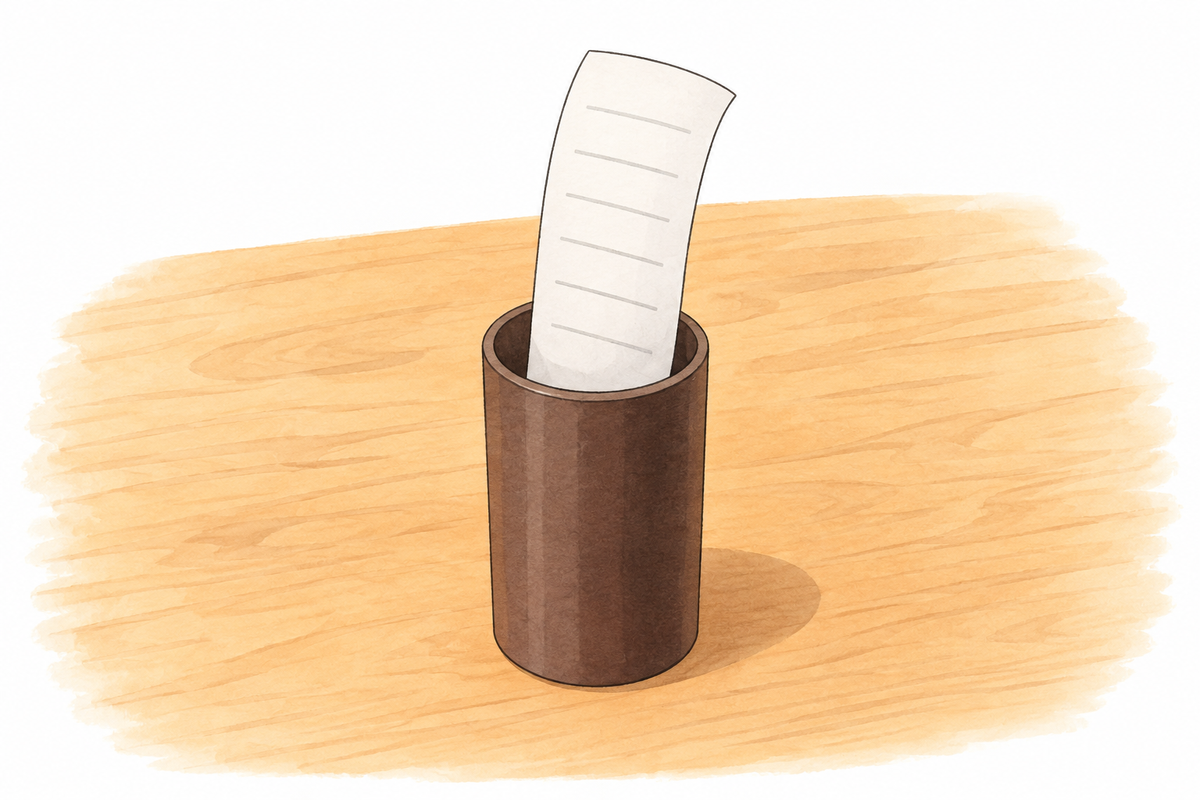
If you want to pay separately, ask "Can we pay separately?" before starting the payment. If there's an unfamiliar charge on the bill, point to the line and ask, "What is this charge for?" Typically, tipping is not necessary.