Is tipping necessary in Japan? A guide to payment methods for dining, taxis, and ryokans.
Updated 7 November 2026Dynamic Japan Travel editors, checked by a licensed travel agency (Aichi No. 3‑1590)Editorial policy
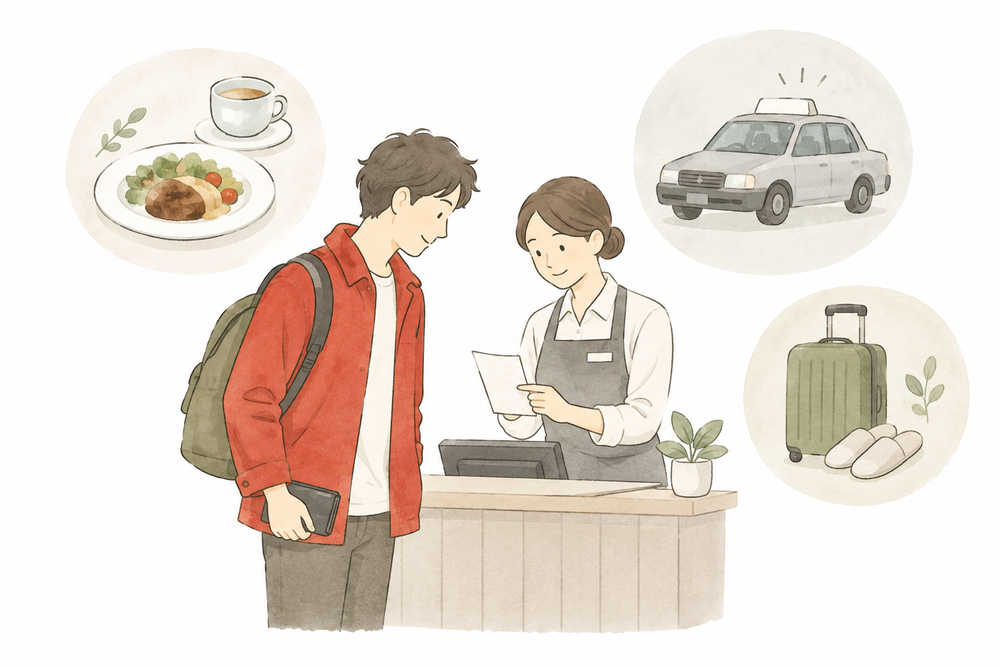
Image of verifying billing details for meals, transportation, and accommodation (AI-generated)
Contents
When you receive the bill after a meal, you might wonder, "How much should I tip?" In typical Japanese restaurants, hotels, and taxis, you don't need to add a tip; just pay the billed amount.
Ease your payment worries and enjoy your time dining or staying at accommodations. Here, we'll clarify the difference between charges and gratuities, and then explain how to handle payments in different situations.
Key Points of This Article
- For those wondering: This article is for travelers in Japan unsure about tipping at checkout.
- Payment by situation: Learn how to pay at restaurants, taxis, and ryokan.
- Differences from additional fees and gratuities: Explains charges like small dish fees or service charges on the bill and tips given as a token of appreciation.
- Guides and tours: Introduces handling of fees and gratuities to check before booking.
Tips vs. Otoshi, Service Charges, and Gratuities
A tip is a gratuity added at your discretion as a token of appreciation. In Japan, distinguishing whether the following terms you hear at restaurants and inns are set charges or optional gratuities can help avoid confusion at checkout.
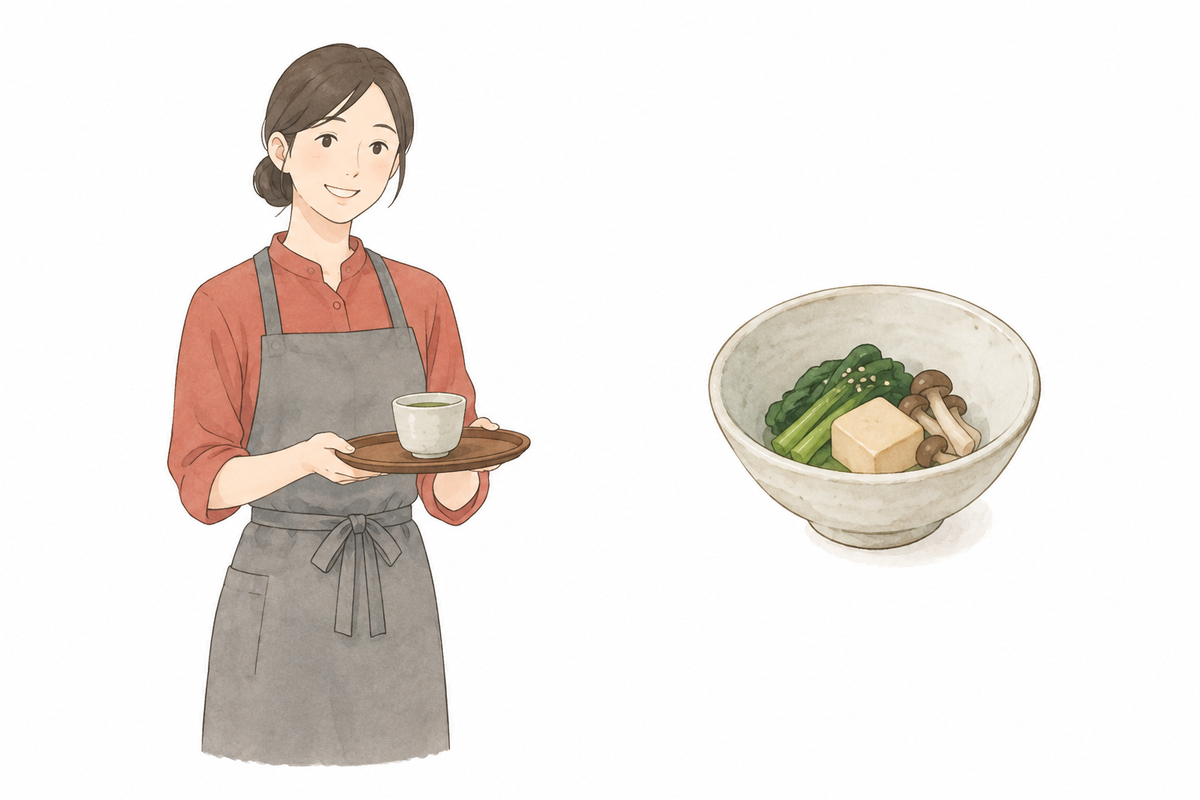
Otoshi is a small dish served first at izakayas. It may be provided even if not ordered, and there might be a charge. It is set by the establishment and differs from a voluntary tip given to staff.
Service charges are fees set by the establishment or accommodation for services. They may be included in the displayed price or added separately.
Kokorozuke is a voluntary gratuity given as a token of appreciation. It overlaps with the concept of a tip and is not something that must be prepared every time you stay at a ryokan.
For detailed information on otoshi charges and how to decline them, please see here.
How to Pay for Meals, Taxis, and Ryokan Stays
Let's look at where to check out and what to confirm before payment, for each scenario.
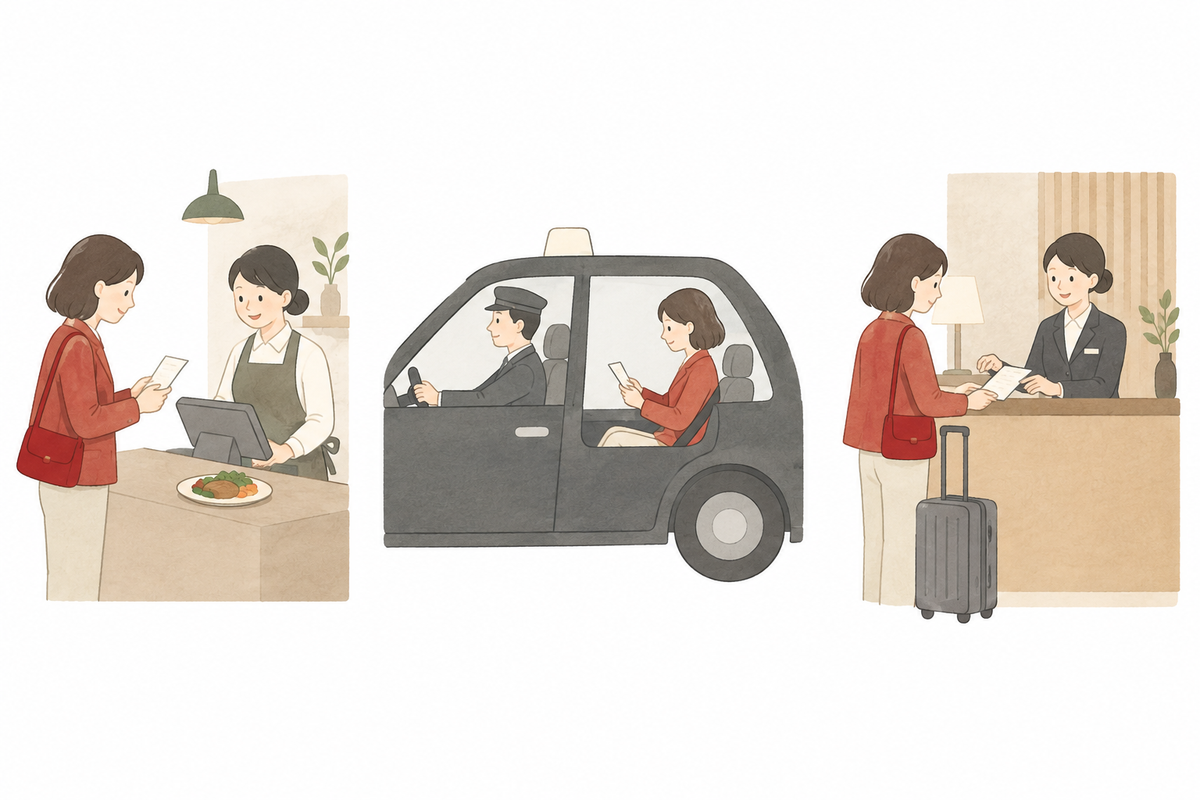
Restaurants: Pay According to the Menu
Some places let you pay at your seat, while others require you to take the bill to the register. If unsure, ask, "Where do I pay?"
If there are unclear items on the bill, point to them and ask, "What is this charge for?" before paying. If you're curious about the charge for the appetizer, feel free to ask when it's served.
After settling the bill, make sure to collect your change. Typically, there's no need to leave a tip on the table.
Taxi: Pay the fare and receive the change
Pay the amount requested when you get off. There's no need to round up or leave the change as a tip.
Ryokan: Check Reservation Plans and Inn Information
When booking, it's reassuring to confirm whether meals and service charges are included in the accommodation fee. For additional drinks and services, pay according to the itemized bill.
If you want special arrangements, first check with the accommodation if they can accommodate and if there are any extra fees. If you wish to give a personal tip, prioritize their policy on accepting tips, and if declined, express your gratitude verbally instead of insisting.
Check the pricing method of the application destination for guided and free tours.
Guides and interpreters may accept optional gratuities. Not all guides expect tips, so check the details of the service you booked.
Especially with "free walking tours," the payment system may not be clear from the name alone. Some operators clearly state a tipping system, while others are volunteer-run and do not focus on tips. Before participating, confirm the handling of fees, donations, and gratuities with the organizer to avoid any confusion at the end.
Gratitude can be expressed through words.
When someone is kind to you, why not add a few words to your "thank you" to express your appreciation? After a meal, you could say, "It was delicious," and when leaving an inn, "I had a relaxing stay." Rather than worrying about the amount of a tip, expressing what you enjoyed can make your journey more pleasant.
If you plan to stay at a ryokan with an onsen (hot spring), it's reassuring to know the bathing etiquette.