What is an Otooshi? Charges for Unordered Small Dishes, How to Decline, and Enjoying Izakayas
Updated 7 November 2026Dynamic Japan Travel editors, checked by a licensed travel agency (Aichi No. 3‑1590)Editorial policy
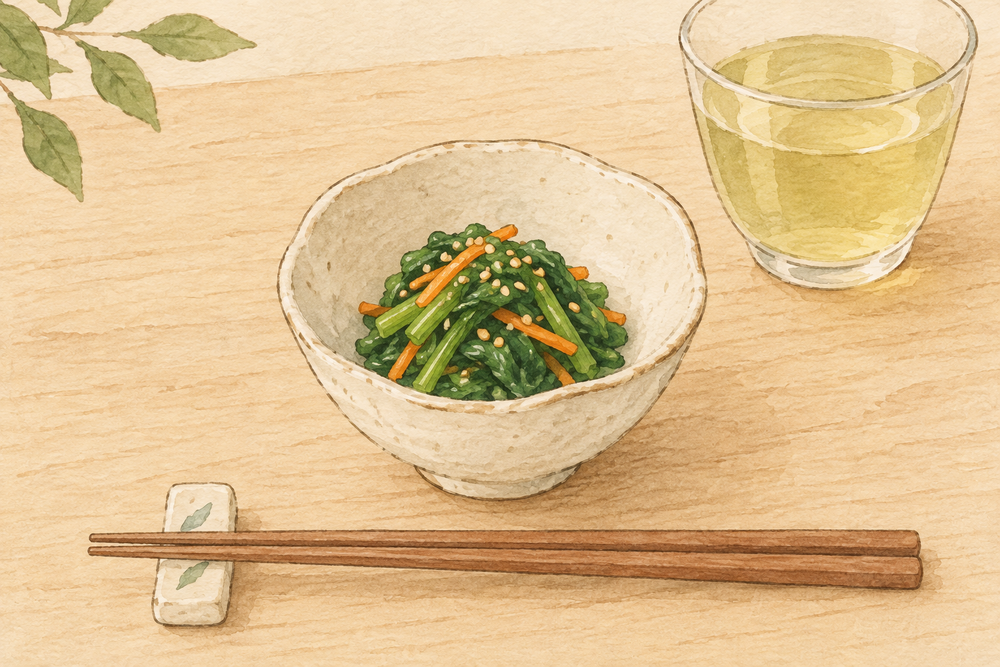
An example of a small bowl dish served as an appetizer. Enjoy it with your first drink (AI-generated).
Contents
When you sit down at an izakaya, you might find a small dish brought to your table before ordering. You may wonder, "Can I eat this even though I didn't order it?" or "Is it a free service?"
This dish might be called "otoshi," a chargeable appetizer. Unlike a tip, the fee is set by the establishment. Understand the system, and if you have concerns, mention them upfront. Reduce worries about the bill and enjoy your time at the izakaya.
Key Points of This Article
- For Those Who: This article is for those puzzled by unexpected small dishes at Japanese izakayas.
- Otoshi and Charges: Explains why the initial small dish, called "otoshi," may incur a charge.
- When You Don't Want or Can't Eat: Learn how to ask staff if you can refuse or if it contains ingredients you can't eat.
- Origin and Enjoyment: Introduces the origin of the name "otoshi" and the custom of enjoying it with the first drink at izakayas.
The otoshi is a small dish to enjoy with your first drink.
An izakaya is a Japanese dining establishment where you can enjoy food with drinks. The small dish served immediately upon sitting or with your first drink is called "otoshi." It's a small item to nibble on while waiting for your ordered dishes.
Often, lighter dishes like vinegared or dressed items are served before the main courses. The anticipation of what will be served as the first dish is part of the fun. However, not all izakayas or restaurants offer this, and the content and presentation vary by establishment.
Why am I being charged for something I didn't order?
The otoshi fee is sometimes set as a charge for using the establishment, separate from the dishes you choose and order yourself. It's easier to understand if you think of it as a table charge with a small dish, essentially a type of fee for using the seat.
Generally, it is presented as a per-person fee, but check the amount and applicable conditions with each establishment. Instead of handing money to the staff when the small dish is served, it is usually settled together with the drink and food charges.
The difference from a tip is that it is not a gratuity added at your discretion. On the other hand, a seat charge is for using the seat, and a service charge is a fee set by the establishment for services like hospitality. Check the establishment's display or explanation to see how these items and the otoshi fee are billed.
If you're unsure about tipping in Japanese restaurants or taxis beyond the otoshi, take a look here.

If unnecessary, confirm with the store before ordering.
Check with the restaurant whether you can decline the appetizer and if there's a charge even if you do. Don't assume it's free just because you don't eat it; verify the terms of service and charges separately.
If possible, ask the following before entering or placing your first order:
- Availability and Cost: "Is there an appetizer? How much per person?"
- If Not Needed: "Can I use the service without an appetizer? Is there still a charge in that case?"
- Other Additional Fees: "Are there separate charges for seating or service fees?"

If communication is difficult, you might want to show your questions using a translation app. If you realize the conditions don't suit you before entering or sitting down, consider choosing another restaurant.
If small dishes have already been served and you're unsure what they are, ask before you start eating. Even if you don't need them, confirm with the restaurant how these dishes and their charges will be handled.
If you have dietary restrictions
If you have allergies, be sure to inform the staff of the specific ingredients before entering or ordering. Check with knowledgeable staff not only about the ingredients in the appetizers but also about the possibility of those ingredients being mixed during preparation. Do not assume it's safe based on appearance or by removing visible ingredients; avoid dishes that leave you uncertain even after checking.
For dietary restrictions like vegetarianism, inform them of what you can't eat in advance to facilitate discussions on possible accommodations. Whether they can substitute dishes or omit appetizers depends on the establishment. Also, confirm separately if these accommodations will affect the price.
The Origin of the Name and the History of Otoshi Leading to Today
What does "otoshi" mean to "pass through"? Understanding the background of the name might change how you view the initial small dish.
The Background of the Term "Passing" an Order
There is a theory that the name originated from the practice of "passing" the customer's order to the accounting area (where store accounts are handled). Another theory suggests it was a signal for "seating" the customer.
In Kansai, it is also called "tsukidashi."
The start of small plate dishes and the paid system are separate.
It's important to separate the explanation of the custom of serving dishes first from the practice of automatically serving unordered dishes with a charge. The current otoshi system is said to have started around 1935, during the Showa 10 era. However, the exact origin is unclear.
Today's otoshi serves two purposes: a dish to enjoy while waiting for your meal and a charge associated with using the establishment. Understanding its historical background and confirming the explanation from the current establishment can help balance cultural interest with billing clarity.
A Small Dish: Your Gateway to Enjoying Izakaya
If you want to enjoy the otoshi, it's recommended to first check the price and what it includes, then savor the first dish slowly. The waiting time for your ordered dishes can also be a moment to experience Japanese food culture.
Rather than being confused by the system, it's better to ask and understand beforehand. Prepare that one question and head to the izakaya you're curious about.