Practical Travel
What is a yukata? Differences from kimono and how to choose one while traveling.
Updated 11 November 2026By Dynamic Japan Travel editorsEditorial policy
Contents
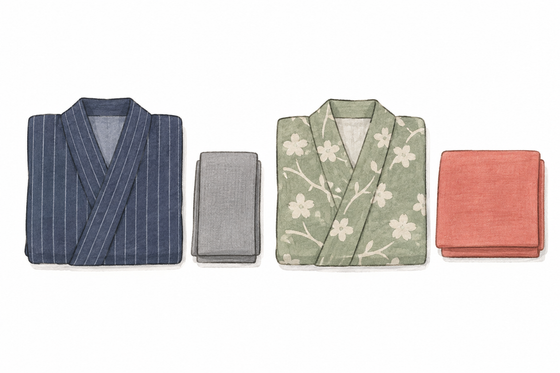
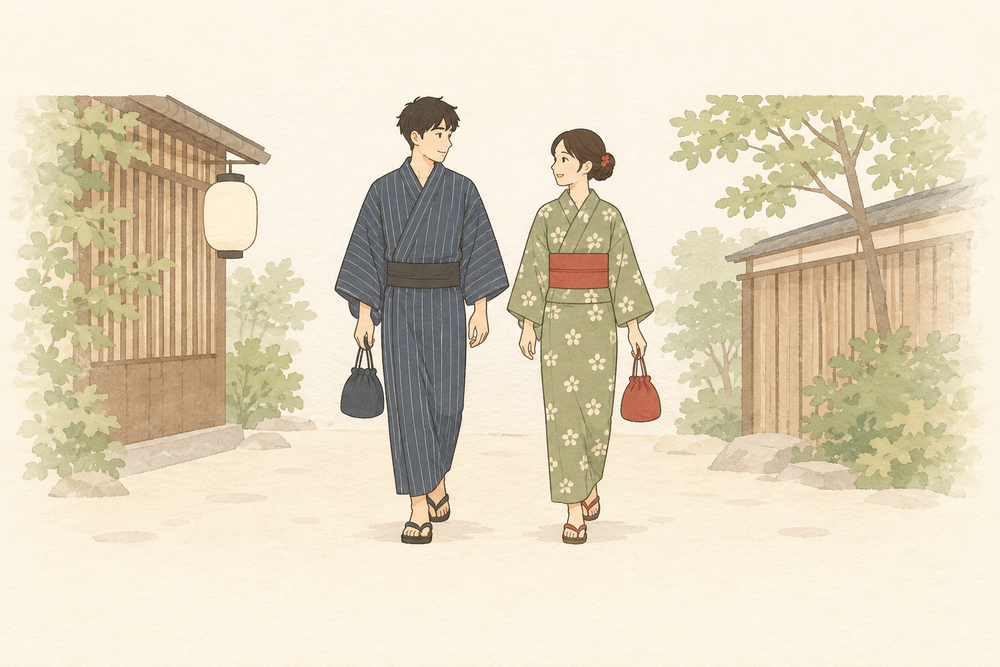
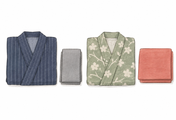
The striped garment folded in the ryokan guest room and the floral-patterned attire seen at summer festivals are both yukata. A yukata is a type of casual kimono made from lightweight fabric. What are the differences between the one worn after a bath and the one for strolling around town?
Key Points of This Article
For those encountering a yukata for the first time in Japan or wishing to try one on during their travels.
- Differences between Yukata and Kimono. Introduces the differences in undergarments and occasions for wearing, along with diagrams.
- Choosing Yukata on Your Trip. Understand the differences between ryokan yukata and those for outings, and get tips on borrowing at an inn, renting in town, or purchasing.
- Background of Yukata. Covers the lengths and belts for men and women, its history from bath attire, and material differences.
What is a Yukata?
The yukata is a single garment with an open front, worn with a long cloth belt called an "obi" wrapped around the waist. It is typically made lightweight and unlined. You might see it worn as casual wear at summer festivals and fireworks displays, and it is sometimes provided in onsen ryokan for relaxing in the room, regardless of the season.
In foreign languages, it is sometimes described as a "summer kimono." Encountering it in a ryokan during winter is because it is used more as attire for relaxing after a bath or in the room, rather than as seasonal clothing.
What's the Difference Between Yukata and Kimono?
A yukata is a type of kimono. Kimonos range from casual wear like komon to formal attire like furisode. When comparing yukata commonly seen during travel with other kimonos, the differences are often evident in the following three aspects:
- Tailoring. Yukata are typically made lightly without a lining. Other kimonos may have a lined version called "awase" or an unlined version called "hitoe."
- Undergarments. Yukata are generally worn over light undergarments. For other kimonos, it is standard to layer a garment with a collar called "nagajuban" between the undergarment and the kimono.
- Occasions. Yukata are well-suited for casual settings like summer festivals or after a bath. For formal events like weddings, a kimono appropriate to the occasion is chosen.
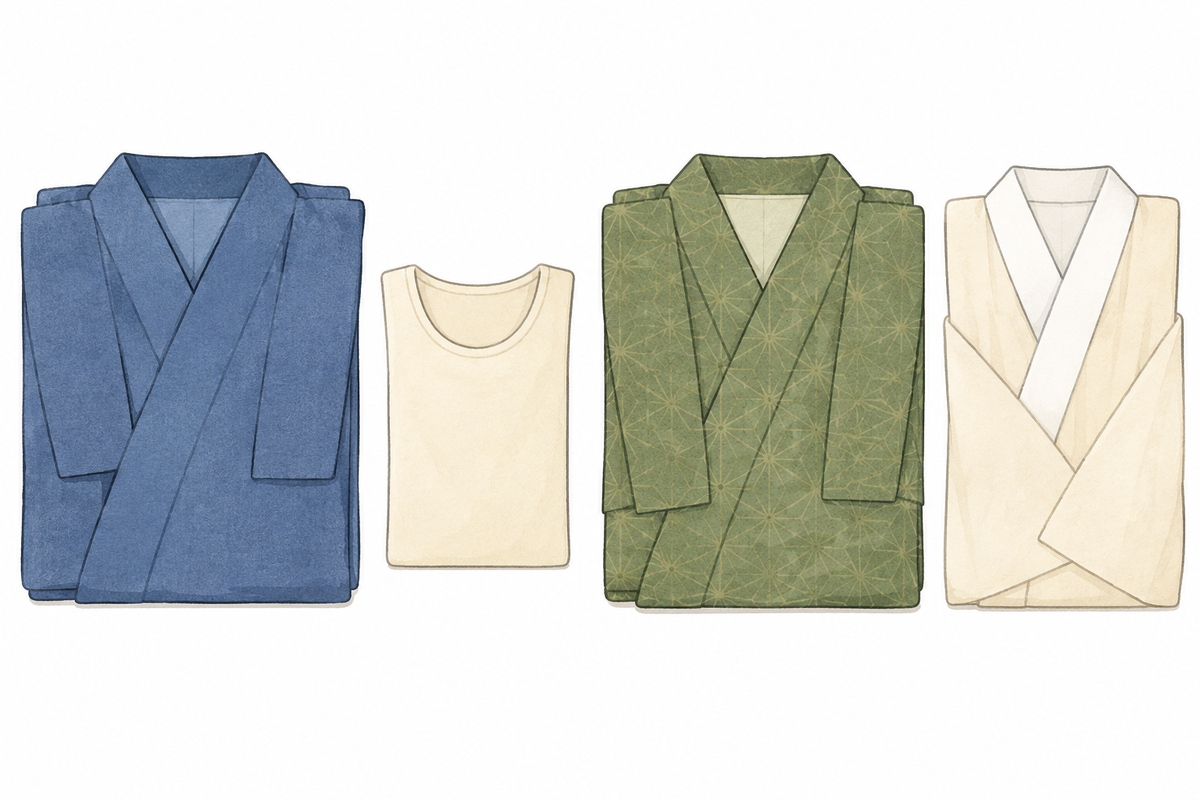
When looking at the collar, you might see the collar of the nagajuban peeking out from inside the kimono. When identifying the clothing, don't rely solely on color and pattern; consider these layers and the occasion as clues.
Compare
Differences Between Ryokan Yukata and Outdoor Yukata
Yukata Provided at Ryokan
- It's an outfit for relaxing after a bath or in your room. It's common to choose a size that fits your height and secure it with a soft sash. In onsen (hot spring) towns, you can often walk outside in the inn's yukata.
Yukata for Summer Festivals and Strolling Around Town
- Perfect for summer festivals, fireworks displays, and strolling around town. When renting, you may have the option to choose the color and pattern of the yukata and obi.
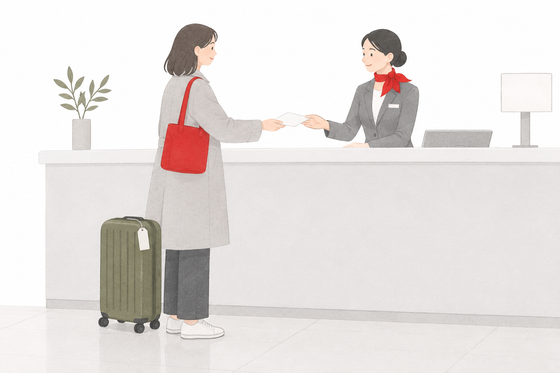
Some accommodations offer "color yukata" with selectable colors and patterns, in addition to the guest room yukata. The areas where you can wear them vary by accommodation, so check at the reception.
- If you want to relax after a bath, rent from the inn. Check if yukata is provided and if the rental is included in the accommodation fee.
- If you want to wear it for a festival or a stroll, rent in town. Confirm if dressing service (help with wearing the yukata), obi, and geta (wooden footwear) are included in the price. For evening fireworks, compare the end time with the return time, and ask if you can return it the next day if necessary.
- If you want to wear it after returning home, buy one. Choose based on your preferred pattern and ease of care at home.
Compare
Example of Yukata for Going Out | Lengths and Belts for Men and Women
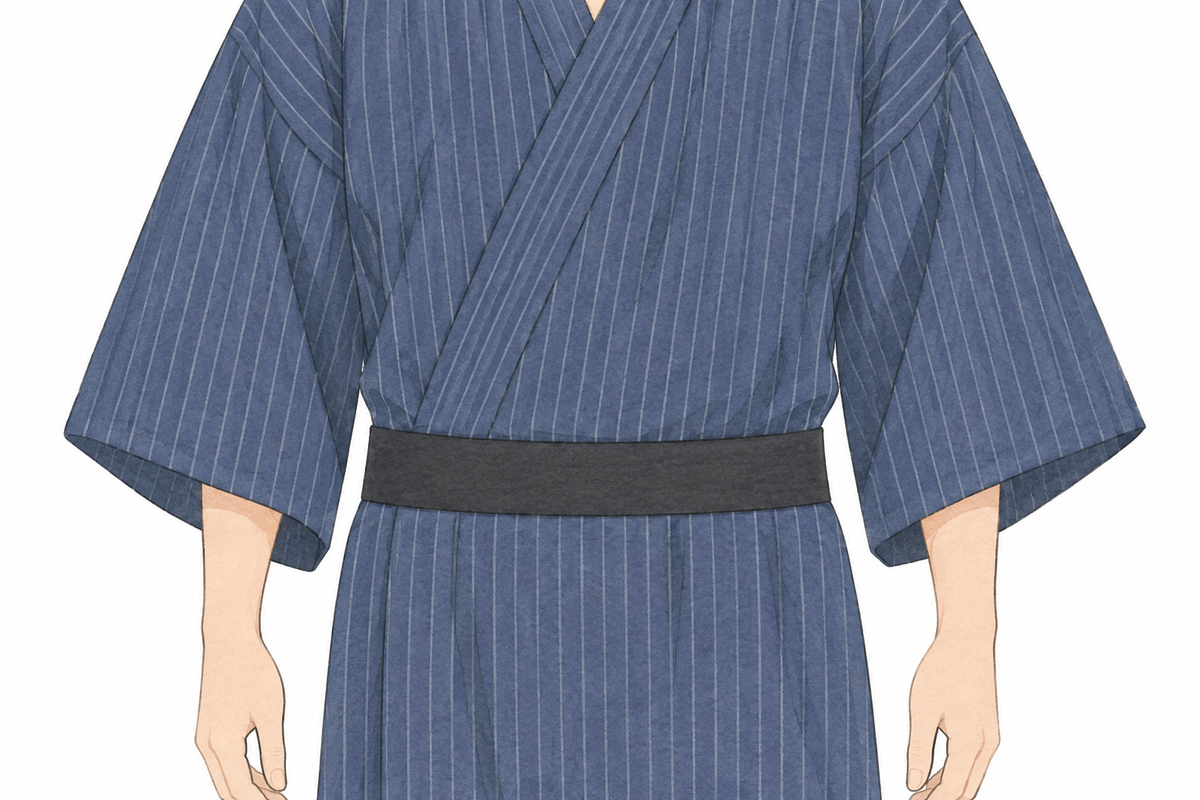
An example for men
- It is common to tailor the length so that it can be worn without folding the fabric at the waist. This tailoring is called "tsuitake."
- The obi used are the slender and firm "kaku obi" or the soft "heko obi."
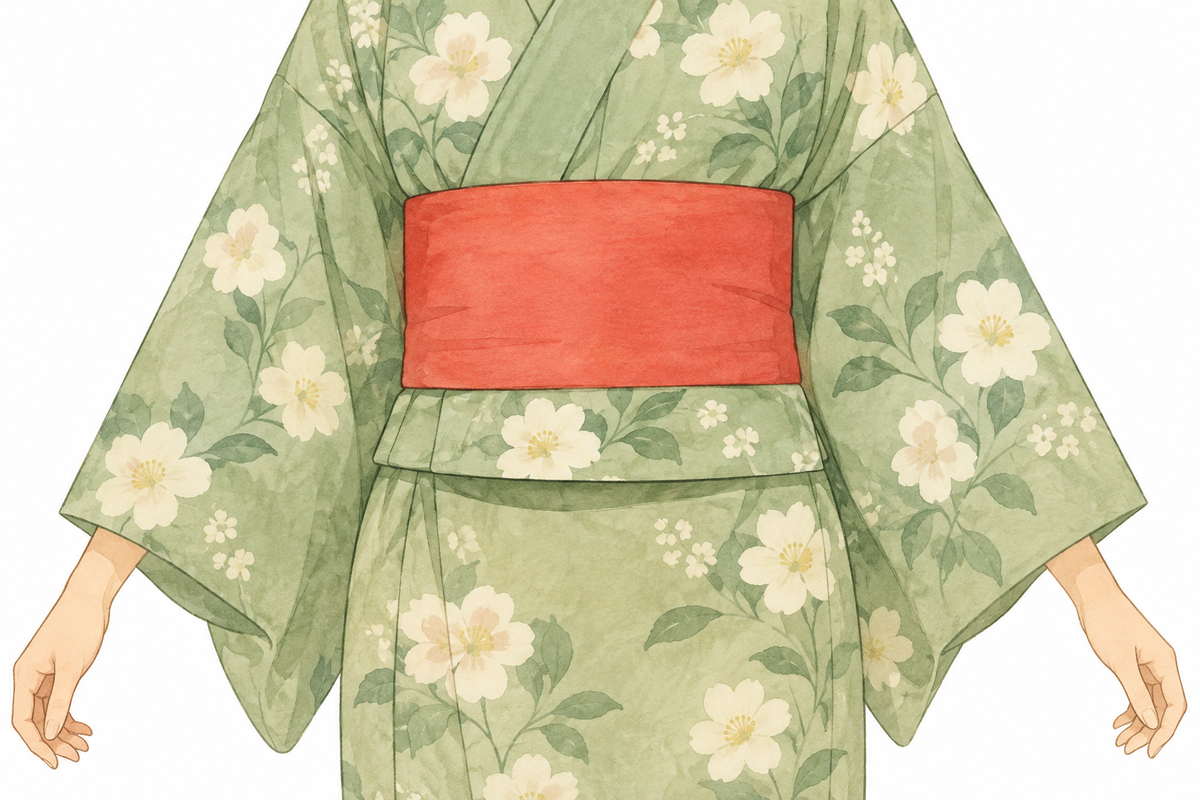
Example for Women
- They are often made longer, and the length is adjusted by folding the fabric at the waist when wearing them. This fold visible below the obi is called "ohashori."
- Obis such as narrow hanhaba obi or soft heko obi are used.
For ryokan guest rooms, there are options available that can be chosen to fit both men and women.
Itinerary
History of Yukata: From Bathrobe to Summer Casual Wear
Heian Period
Yukatabira worn in a steam bath
The linen garment "yukatabira," worn by nobles when entering steam baths, is considered the prototype of the yukata.
Edo Period
From Bath Attire to Summer Casual Wear
As cotton fabrics and public baths became widespread, common people began wearing cotton yukata after bathing. Yukata became established as summer loungewear, evening attire, and outfits for bon dances and festivals.
Currently
Two Uses of Onsen Inns and Summer Festivals
Even today, at onsen (hot spring) inns, you can see people wearing yukata after a bath, and at summer festivals and fireworks displays, they are worn as casual attire.
Yukata Materials: Cotton, Cotton-Linen, Polyester Differences
The fabric of a yukata affects its feel, comfort after sweating, and maintenance after taking it home. Here are three common types you'll encounter when renting or buying a yukata.
| Material | Texture & Care Features |
|---|---|
| Cotton | Soft on the skin and absorbs sweat, making it a classic choice. Even within cotton, there are variations like "menro" with a sheer weave or those with a textured surface, altering the feel based on the weaving method. |
| Cotton-Linen | A blend of cotton and linen. It combines the softness of cotton with the crisp feel of linen. The softness and stiffness vary depending on the linen content and weaving style. |
| Polyester | Some products dry quickly and resist wrinkles. There are also fabrics that absorb and dry sweat easily, with comfort varying by product. |
If a particular piece catches your eye, check the fabric thickness and transparency along with the material name. When buying as a souvenir, verify if it can be washed at home by checking the care label, making it easier to handle after returning home.
Where to Buy Yukata? Price Guide
For affordable ready-made options suitable for summer festivals and city walks, there are new yukata and obi sets priced at around 8,000 to 14,000 yen including tax. Sometimes, geta sandals and koshihimo (a tie used for dressing) are sold separately, so compare the total cost including necessary items.
If you want to see and buy items in person while traveling, consider looking for the following types of stores:
- Clothing sections in large stores. In summer, some stores offer yukata and obi sets.
- Kimono specialty shops. You can consult about fabric and size. If you order tailoring, ask about the total cost including the obi and the delivery time.
- Second-hand kimono shops. Some also sell yukata. If you find a pattern you like, check the size and fabric condition.
When choosing a size, check the store's size chart for height, waist, and also yuki. Yuki is the length from the center of the back of the neck, over the shoulder, to the wrist.
Use a map app to search by combining the name of your location with the Japanese term "浴衣 販売" (yukata sales). Check the store's information to see if they sell yukata, and if you want to wear it immediately or outside of summer, confirm if your desired size is available for immediate purchase before visiting.
If you want an indoor yukata like the ones worn at a ryokan, ask at the front desk if they have any for sale. They might also be available at the gift shop or the inn's official online store. Check if the obi is sold separately.