Practical Travel
What is a Ryokan? Differences from Hotels, Understanding Accommodation Fees, and Your First Overnight Stay
Updated 19 November 2026By Dynamic Japan Travel editorsEditorial policy
Contents
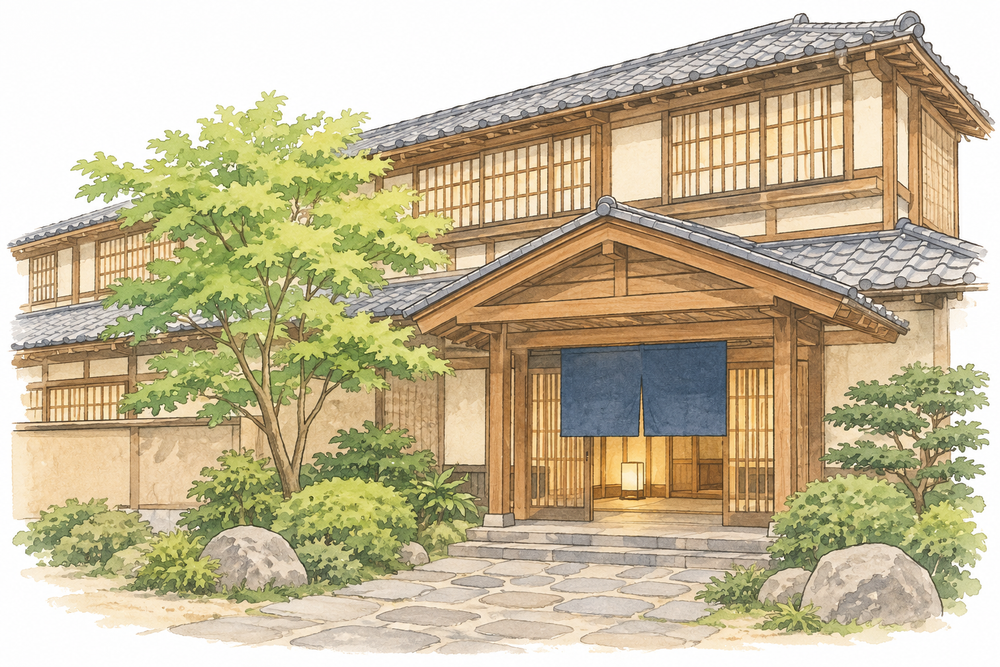
"Ryokan" refers to an inn where travelers stay. In today's travel guides, ryokan signifies a traditional Japanese-style inn where guests can experience Japanese living. Sit on tatami, enjoy tea, and savor seasonal local dishes for dinner. The time spent at the inn itself becomes a highlight of the stay.
Key Points of This Article
- History of Ryokan
- Where did travelers of the past stay? Introducing inns still existing in Gifu Prefecture as examples.
- Accommodation Rates
- Understand budget estimates per person per night for plans including dinner and breakfast, breakfast only, or room only.
- First Overnight Stay
- Tips on choosing rooms and baths, and how to spend your time from arrival until the next morning.
How Did Ryokan Originate? The History of Inns Welcoming Travelers
Where did travelers spend the night? Over a thousand years ago, during the Nara period (8th century), monks established free lodgings called "Fuseya" along roads. These provided a place for travelers to rest overnight without sleeping outdoors. This is considered one of the roots of the ryokan.
In the Edo period, more people traveled to visit temples and shrines. Towns developed along major roads where travelers could stay and rest. In such "post towns," inns known as "Hatago" provided beds and meals for dinner and breakfast. In hot spring areas, inns also catered to guests who stayed for extended periods to enjoy onsen (hot spring) treatments known as "Toji."
The ryokan "Ichikawa" in Ena City, Gifu Prefecture, is a historical inn where you can still stay today. Originally known as "Kadoya," it started as a lodging on the Nakasendo, one of the roads connecting Edo and Kyoto, at Oi-juku. When the railway was introduced during the Meiji era and travelers on foot decreased, the inn began to focus on its cuisine. Even now, guests can enjoy dinners featuring seasonal ingredients from Ena.
For those interested in staying in a post town along the Nakasendo, accommodations can also be found in Narai-juku or Tsumago-juku in the Kiso Valley.

Differences Between Ryokan and Hotel: Which Suits Your Trip?
When choosing between a ryokan and a hotel, imagine where you'd like to spend your evening. Some days you might want to arrive early to enjoy the bath and dinner at the accommodation, while other nights you might prefer to stroll around town and dine at a favorite restaurant. Ryokans offer plans without meals, and hotels can also provide stays with dinner included.
Compare
Choosing Guest Rooms, Meals, and Baths
Staying at a Traditional Japanese Inn
ryokan
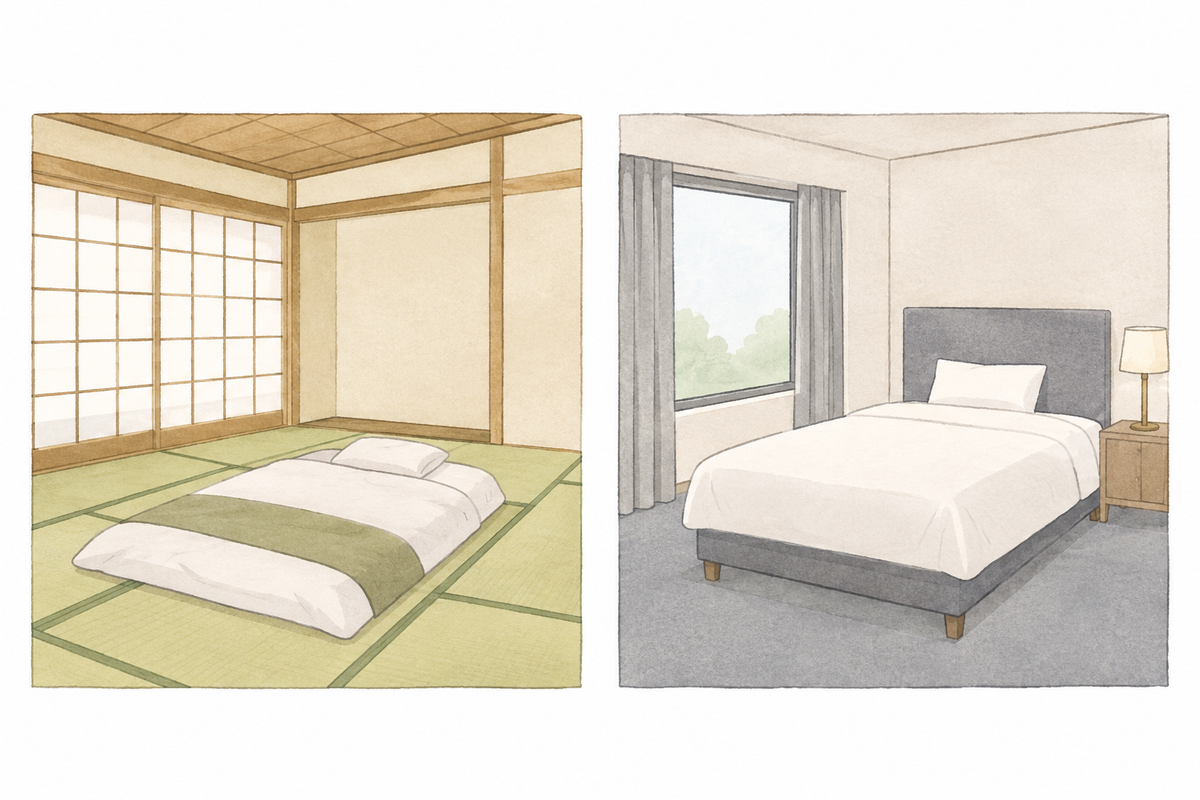
- Guest Rooms There are Japanese-style rooms where futons are laid out on tatami, as well as rooms with beds on tatami.
- Dining When enjoying a meal at the inn, consider the dinner menu and start time as key factors.
- Baths In addition to public baths shared with other guests, some accommodations offer private baths for exclusive use.
Staying in a Western-style Room
Standard Western-style Hotel
- Guest Rooms The focus is on Western-style rooms with beds. You can choose based on the number and width of the beds.
- Meals If you choose a plan with breakfast included, you can dine out in the city at night and have breakfast within the facility.
- Baths It is common to use the bathroom in the guest room. Some hotels also have a public bath within the premises.
How Much Does a Ryokan Stay Cost? Budget Guide by Meal Plan
In November 2026, we researched the cost per person per night, including tax, for two adults sharing a room. The median price among the accommodations surveyed was approximately 14,000 yen with dinner and breakfast included (17 establishments), and about 9,000 yen with breakfast only, or around 7,000 yen for room only (no meals) (14 establishments each).
On the reservation screen, check whether the meal details and displayed amount are "per person" or "per room". Rates may vary on weekends, holidays, or when using a room alone. Enter your desired dates and number of guests, and confirm the total amount, including additional charges like accommodation tax and bathing tax.
At a ryokan, it's usually not necessary to prepare a tip separate from the accommodation fee.

What Are Ryokan Rooms Like? Choosing Tatami, Futon, or Bed
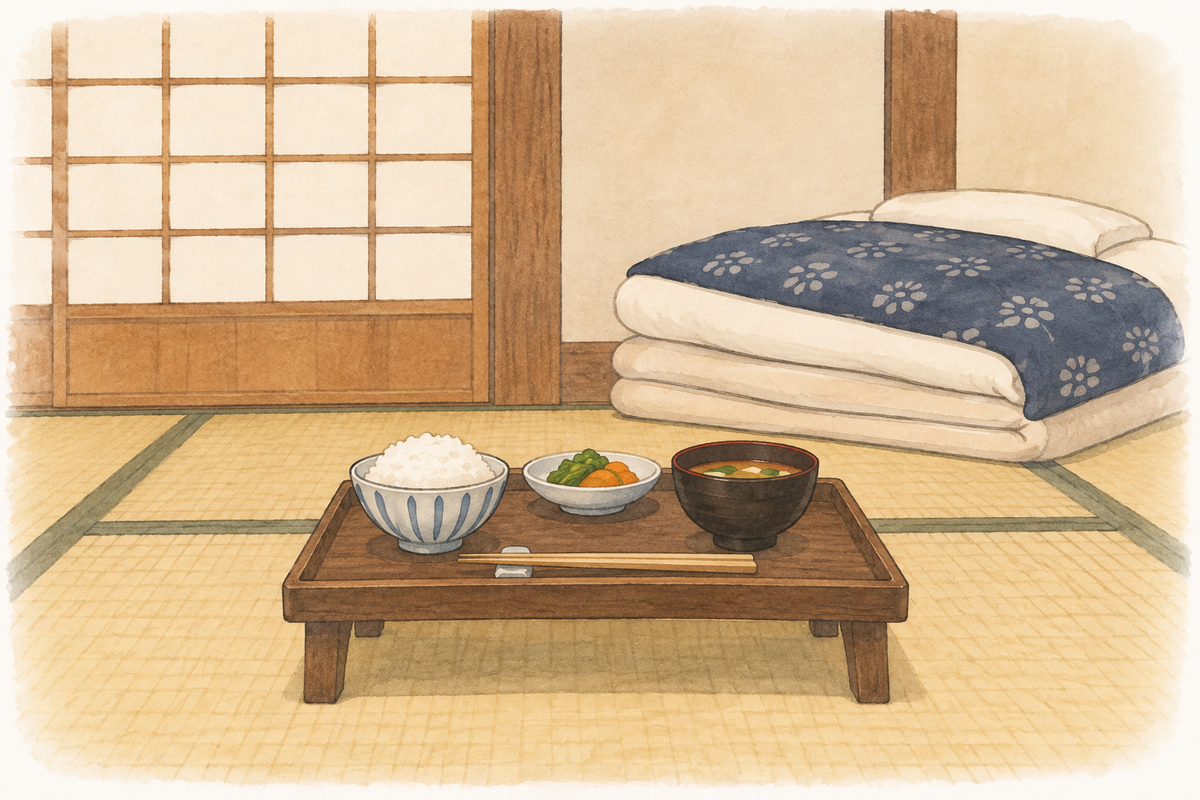
Tatami is a traditional Japanese flooring made from materials like rush grass. Before stepping onto tatami, remove shoes and slippers. During the day, relax around a low table, and at night, spread a futon on the tatami to sleep. The advantage of futons is that a single room can serve as both a living room and a bedroom.
For those who find it difficult to get up from the floor or prefer their usual sleeping posture, a Japanese-style room with a bed or a "Japanese-Western room" combining tatami space with a bed might be suitable. Check not only the guest room photos but also the type and number of bedding, and whether the toilet and bathroom are inside the room in the amenities section.
What to Eat at a Ryokan? Dinner and Breakfast
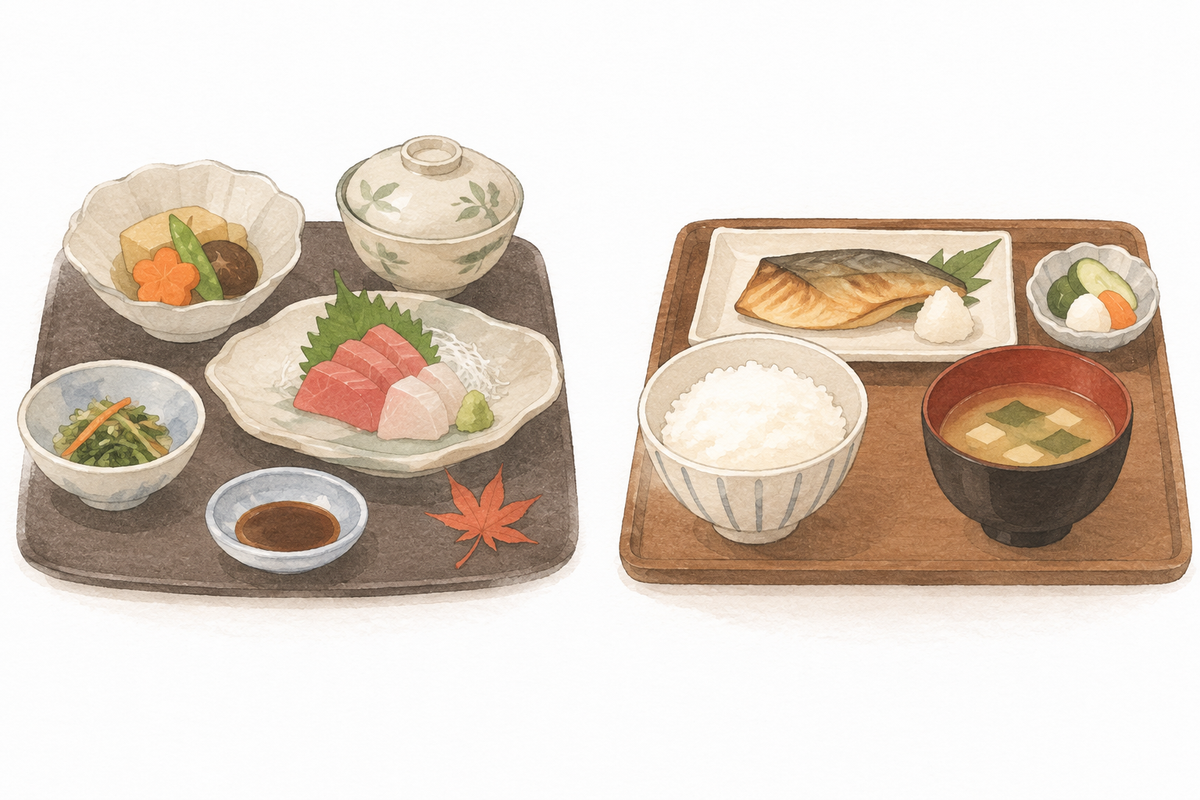
One of the delights of dinner is savoring kaiseki cuisine, which features seasonal ingredients in small portions. Starting with appetizers in small bowls, followed by sashimi and grilled dishes, each course offers a different taste experience. Some accommodations offer the option of "in-room dining," where meals are served in the guest room, in addition to dining in the meal venue.
The next morning, enjoy a traditional Japanese breakfast with freshly cooked rice, miso soup, grilled fish, and pickles. The menu varies depending on the accommodation and season. If you have dietary restrictions, inform the accommodation of specific ingredients before booking to see if they can accommodate your needs.
Differences Between Ryokan and Onsen: Choosing Public Baths, Private Baths, and In-Room Baths
When staying at a ryokan, can you always enjoy an onsen (hot spring)? Some ryokan baths use heated tap water. In Japan, water that springs from the ground is considered an onsen if it is at least 25°C or meets legal standards for specific components. An "open-air bath" refers to an outdoor tub. If you want to enjoy an onsen, check the accommodation's guide to see if the bath you wish to use is filled with onsen water.
- Public Bath
- A large bath shared with other guests. Typically separated by gender, and in inns where the baths switch by time, check the entrance signs.
- Private Bath
- A bath used exclusively by you or your companions for a set time. If desired, check whether a reservation is required and the fee.
- Guest Room Bath
- A private bath in your room. If you want to soak in your room, check the room amenities for "with bathtub."
How to Use the Public Bath: Attire and Washing Area Etiquette
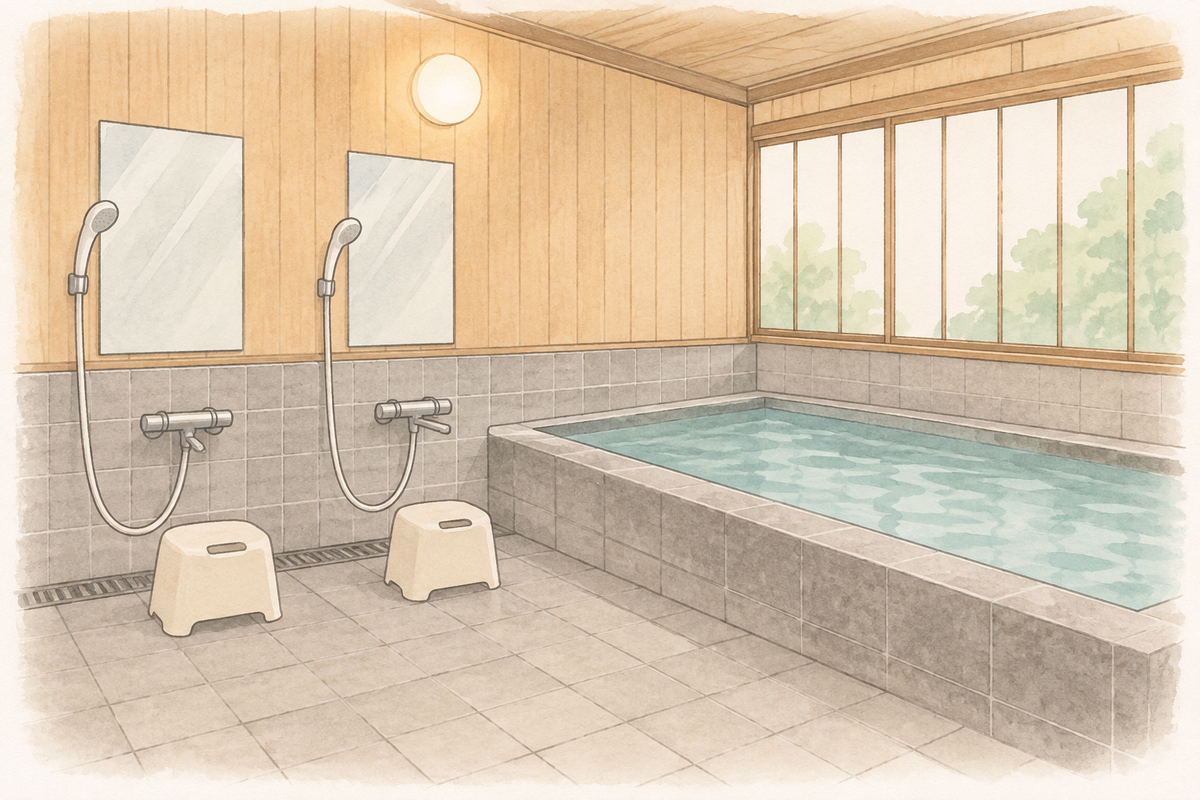
In a typical public bath, undress in the changing room and do not wear a swimsuit. Once in the bathroom, head to the washing area with showers and low stools. Wash your body and rinse off the soap before entering the bathtub to relax. Leave your towel outside the bathtub and refrain from taking photos in the bath area.
If you have tattoos, please inquire with the inn before booking to see if you can use the bath you wish to enter.
How to Stay at a Ryokan: From Check-In to the Next Morning
Many accommodations have check-in times around 3 to 4 PM, and if dinner is included, it's important to know "by what time you need to arrive to have your meal." Before departure, read the reservation details, and if you realize you'll be late, contact the accommodation immediately.
How to
Example of a Day with Dinner Included
Provide your reservation name at the front desk. If dinner is included, ask "What time is dinner served and where?" to plan your time for a walk or a bath.
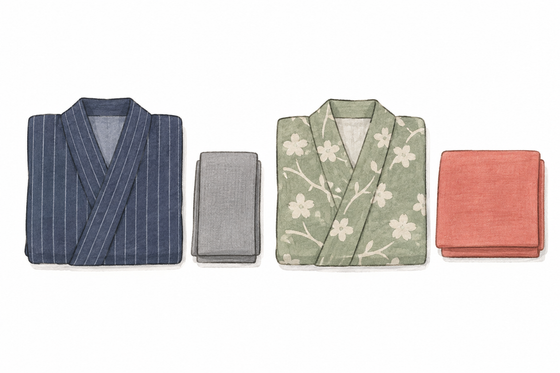
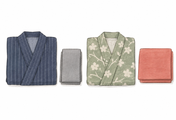
Relax in your room or the bath until dinner. A ryokan's yukata is a lightweight kimono worn for relaxation within the facility. If provided in your guest room, change into it and unwind. Check the inn's guidelines to see if you can wear the yukata to the dining area.
Rest in the room after dinner In a Japanese-style room using futons, the staff may prepare your bedding while you have dinner. Some places require you to do it yourself, so if unsure, ask, "Do I make the futon myself?"
Depart by the checkout time the next morning. If you want to enjoy a morning bath, it's reassuring to check the available times the night before. If you have breakfast reservations, enjoy your meal before packing your belongings.
Check Cancellation Fees Before Booking
Once you've decided on a plan, check the "Cancellation Policy" on the reservation screen. You can see when cancellation fees apply and how much it will cost if you cancel a certain number of days before your stay.