Kiso Valley Ryokan and Inn Guide | Narai, Tsumago, Magome, Kiso Fukushima - Where to Stay?
Updated 6 November 2026Dynamic Japan Travel editors, checked by a licensed travel agency (Aichi No. 3‑1590)Editorial policy
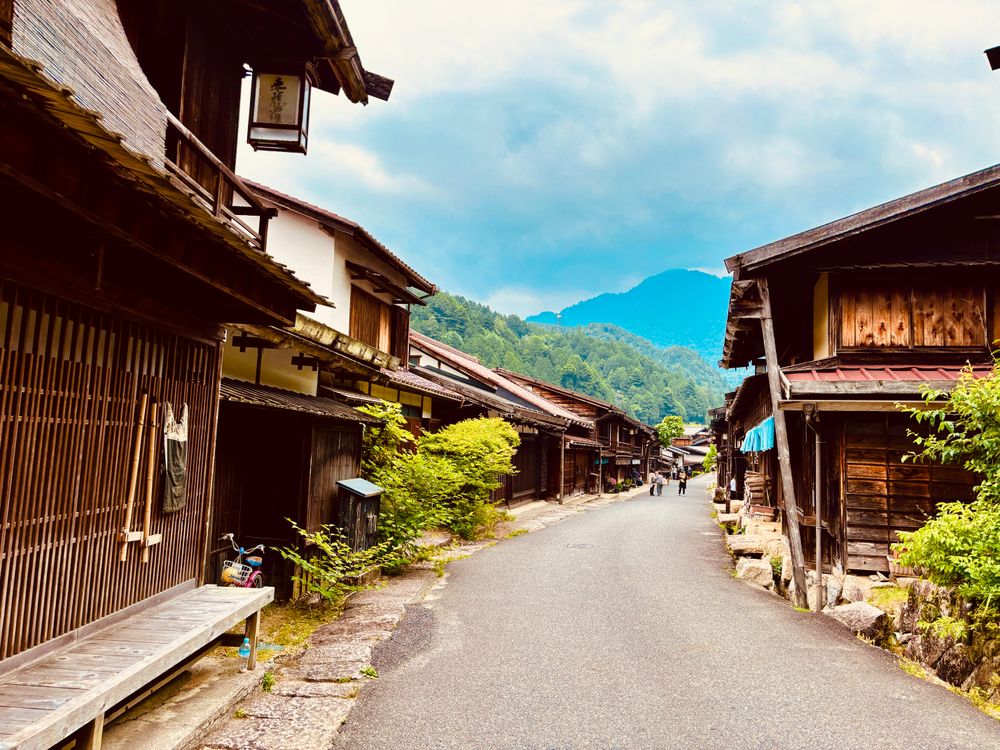
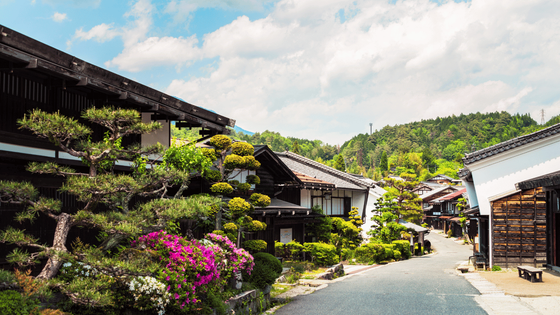
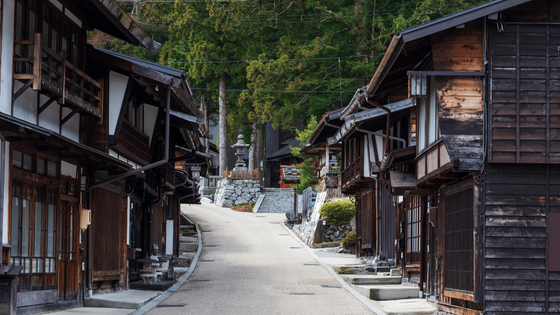
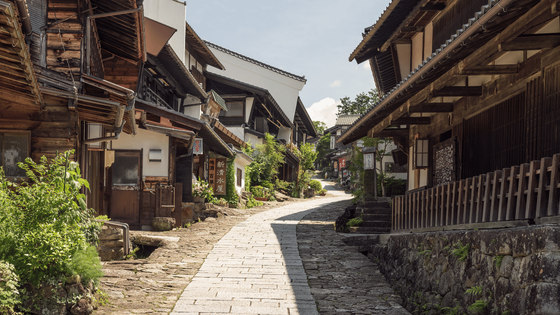
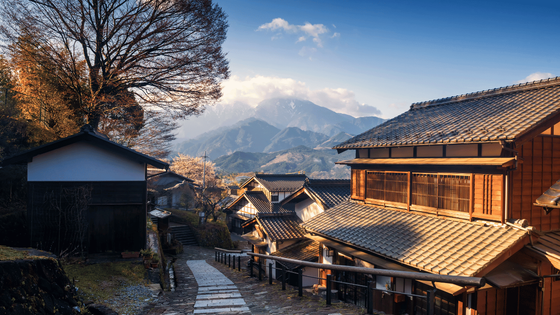
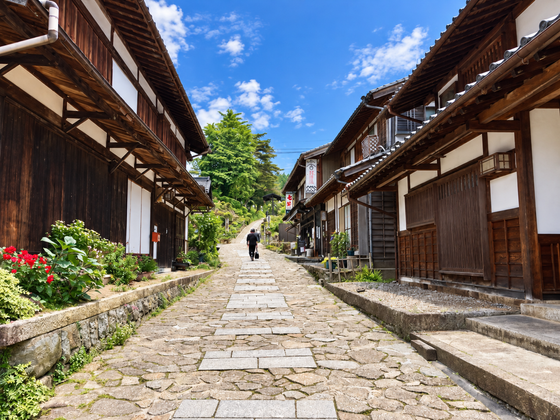
In Kiso Valley, the streets of Edo-period post towns still remain.
Contents
Kiso Valley is a valley along the Kiso River in the southwest of Nagano Prefecture, known for its Edo-period post towns along the Nakasendo road. After strolling through towns like Narai-juku, Tsumago-juku, and Magome-juku, staying overnight in these historic towns is a major highlight of a trip to Kiso Valley.
However, first-time visitors often struggle with "where to stay." The accommodations in the post towns are mainly small guesthouses with limited rooms. This article outlines the differences between ryokan, guesthouses, and hotels in Kiso Valley, the unique lodging features of each town, tips for choosing convenient bases for walking the Nakasendo, booking tips, and etiquette at accommodations.
Where to Stay in Kiso Valley: Post Towns or Base Towns?
In conclusion, there are two main ways to stay in Kiso Valley. One is to stay directly in post towns like Tsumago-juku, Magome-juku, or Narai-juku. The charm here is being able to walk through the quiet streets after day-trippers have left, with family-run guesthouses being the main accommodation.
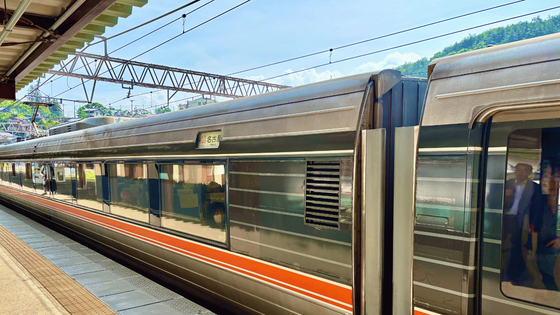
The other option is to stay in a town with a station where express trains stop and travel by train to various post towns. Kiso-Fukushima, located in the middle of Kiso Valley, is a representative base, easily accessible by train from Tokyo and Nagoya, with accommodations within walking distance from the station. This option is suitable for those who want to visit multiple places over several days or stay at lodgings with onsen (hot spring) facilities.
Stay in a Post Town or a Base Town?
Experience the Atmosphere
Staying in Post Towns (Tsumago, Magome, Narai)
- You can walk through the town streets in the quiet of morning and evening.
- Accommodations are mainly family-run guesthouses with a limited number of rooms.
- Some towns are a bit far from stations and bus stops, making travel time-consuming.
- If you change inns at each post town, you'll end up carrying your luggage every day.
Prioritize Ease of Movement
Stay in the Hub Town (Kiso-Fukushima)
- The Shinano Limited Express stops here, making it easily accessible from Tokyo and Nagoya.
- Day Trip to Tsumago, Magome, and Narai by Train
- If you stay for consecutive nights, you can travel light by leaving your luggage behind.
- You can also choose a ryokan with an onsen (hot spring).
Consider combining a one-night stay in a post town with a one to two-night stay in a base town.
Types of Accommodations in Kiso Valley: Ryokan, Minshuku, and Hotel Differences
Before deciding on accommodation, it's helpful to know what types of lodgings are available in Kiso Valley. In Japan, accommodations are broadly categorized into three types: ryokan, minshuku, and hotels.
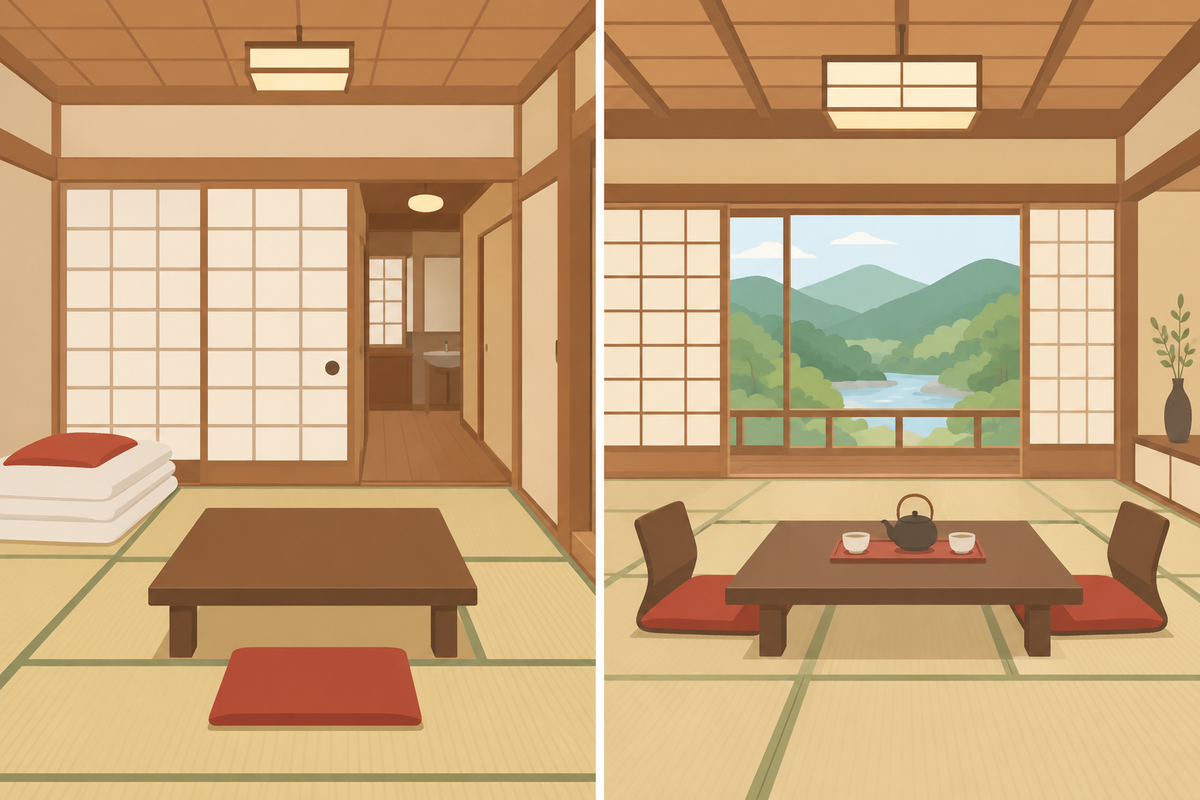
- Minshuku: A small, family-run inn. This type is common in the post towns of Kiso Valley, often using old buildings. Dinner and breakfast are included, typically featuring local home-cooked meals. Baths and toilets are often shared, and some inns may not have room keys.
- Ryokan: A Japanese-style inn with futons on tatami mats. It offers more rooms and facilities than a minshuku, and some have onsen (hot spring) public baths or open-air baths. Dinner is served in the room or dining area, with seasonal dishes brought out gradually.
- Hotels and Guesthouses: Rooms with beds, sometimes without meals. These are less common in Kiso Valley's post towns and more prevalent in towns at the valley's entrance, like Shiojiri and Nakatsugawa.
In Kiso Valley, minshuku offer close interaction with the hosts, and meals may be shared with other guests in the same room. Those who enjoy a homely atmosphere might prefer minshuku, while those valuing private space or onsen might opt for a ryokan.
Choosing Where to Stay in Kiso Valley: Narai-juku, Tsumago-juku, Magome-juku, Kiso-Fukushima
Here, we introduce four towns in Kiso Valley as potential places to stay, starting from the north. Each town is walkable, but they differ in distance from the station and types of accommodations available.
Narai-juku: A Post Town in Northern Kiso Valley, Close to the Station
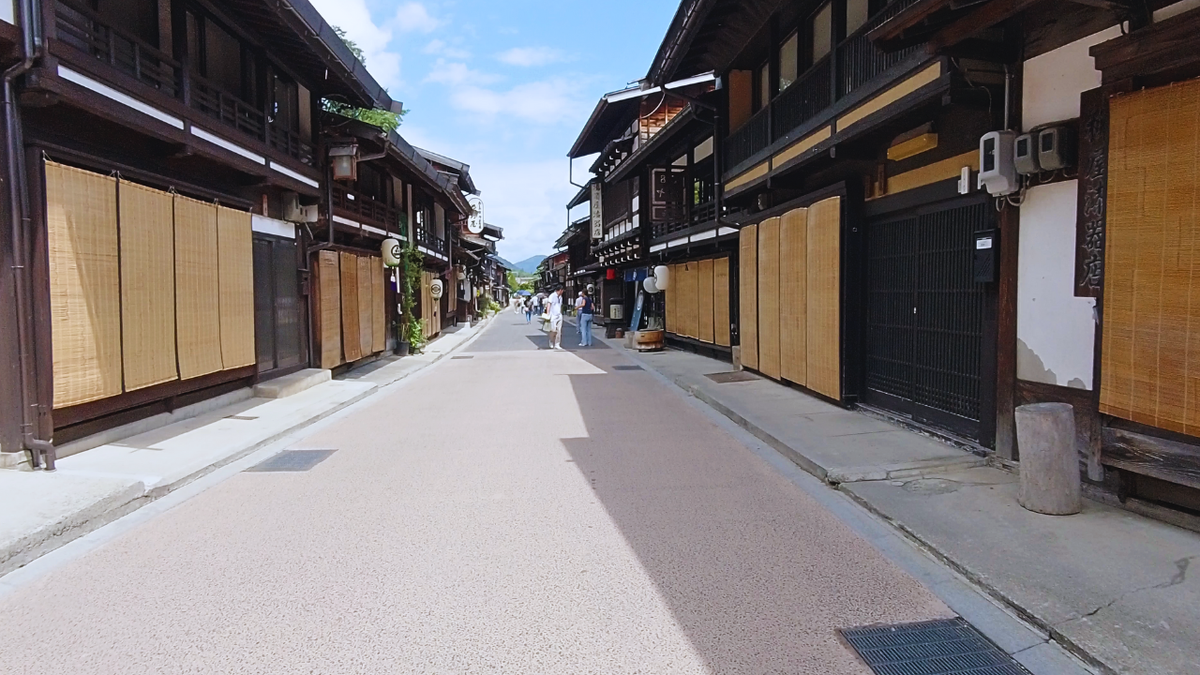
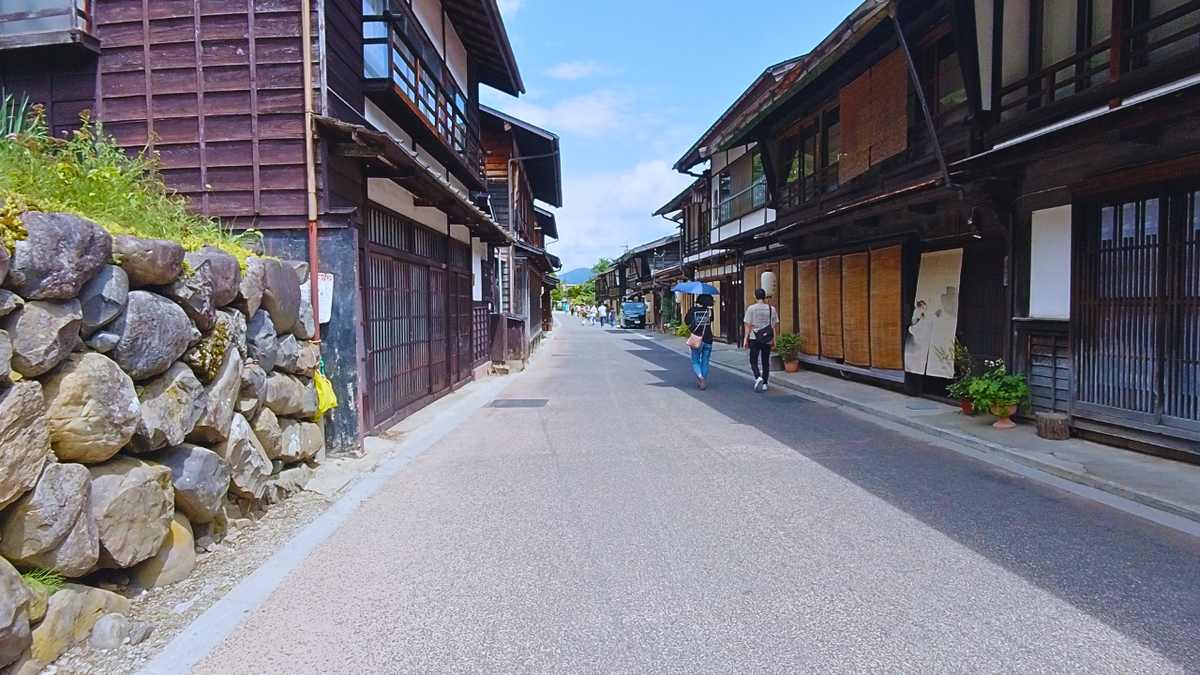
Narai-juku is a post town located at the northern entrance of the Kiso Valley. Stretching about 1 km, it features a series of old townhouses, with the townscape beginning immediately after exiting JR Narai Station. Accommodations mainly consist of guesthouses and small ryokan, some of which are renovated townhouses. The station is primarily served by local trains, so travelers from Tokyo should transfer at Shiojiri Station. Attractions and access details are featured in the Narai-juku Guide.
Tsumago-juku: The Best-Preserved Edo-Period Post Town
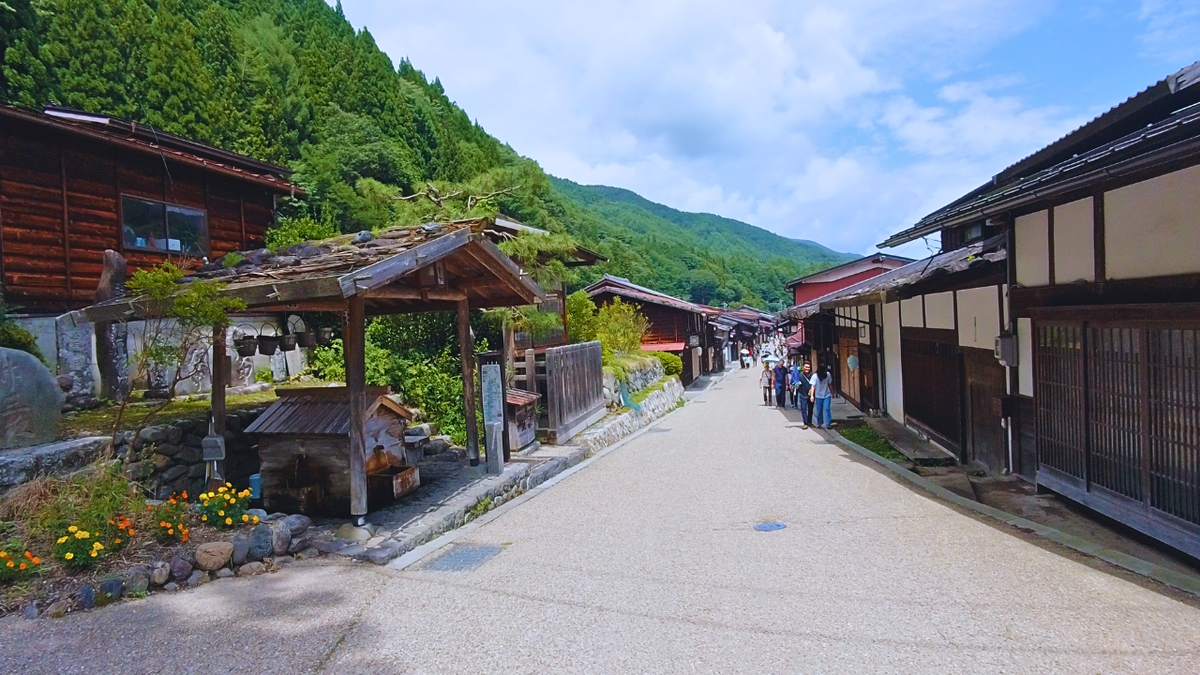
Tsumago-juku is a post town that has long been dedicated to preserving its streetscape, with old houses lining streets where power lines are inconspicuous. The accommodations mainly consist of guesthouses, offering the charm of staying in historic buildings. It takes about 10 minutes by bus from the nearest JR Nagiso Station, though buses are infrequent. For more on the town and directions, see the Tsumago-juku Guide.


Magome-juku: A Scenic Post Town with Cobblestone Streets on Sloping Paths
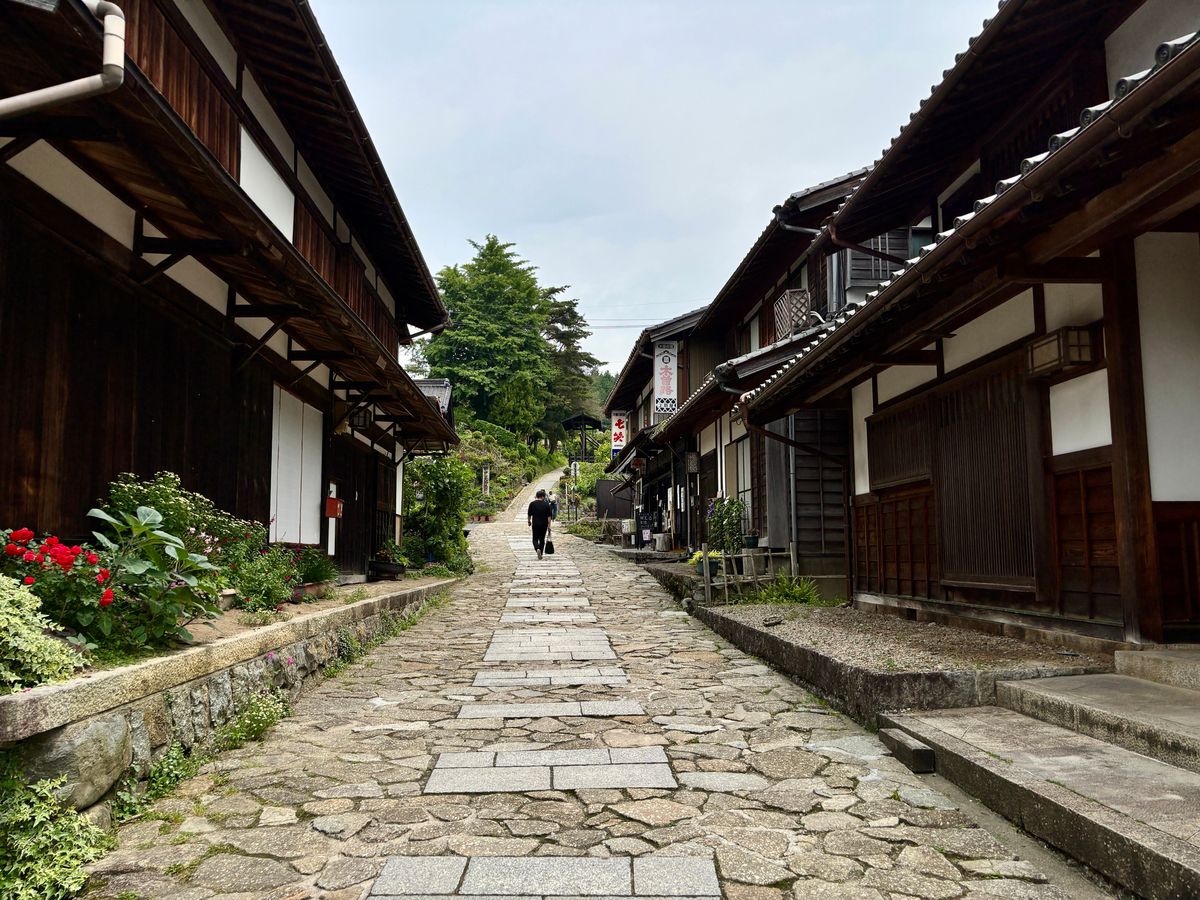
Magome-juku is a post town with stone-paved slopes along the mountainside. From the upper part of the town, you can enjoy views of Mount Ena. Accommodations include guesthouses and small ryokan. There is no train station, but it's about a 25-minute bus ride from JR Nakatsugawa Station. The many slopes make it challenging to walk with large suitcases. There are business hotels around Nakatsugawa Station, which can be used if you can't find accommodation in Magome or for an overnight stay when arriving late. For more details, see the Magome-juku Guide.


Kiso-Fukushima: A Town in the Heart of Kiso Valley Where Express Trains Stop
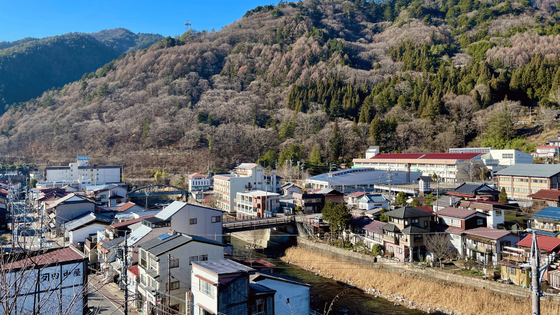
Kiso-Fukushima, a town that once hosted a checkpoint on the Nakasendo during the Edo period, remains the heart of the Kiso Valley. All Shinano limited express trains stop here, and within walking distance from the station, you can find the old town area "Uenodan" and the checkpoint ruins. The Kiso River flows through the town, and there are ryokan with onsen (hot spring) along the river. This town offers both the charm of a post town and ease of access. Highlights of the town are compiled in the Kiso-Fukushima Guide.
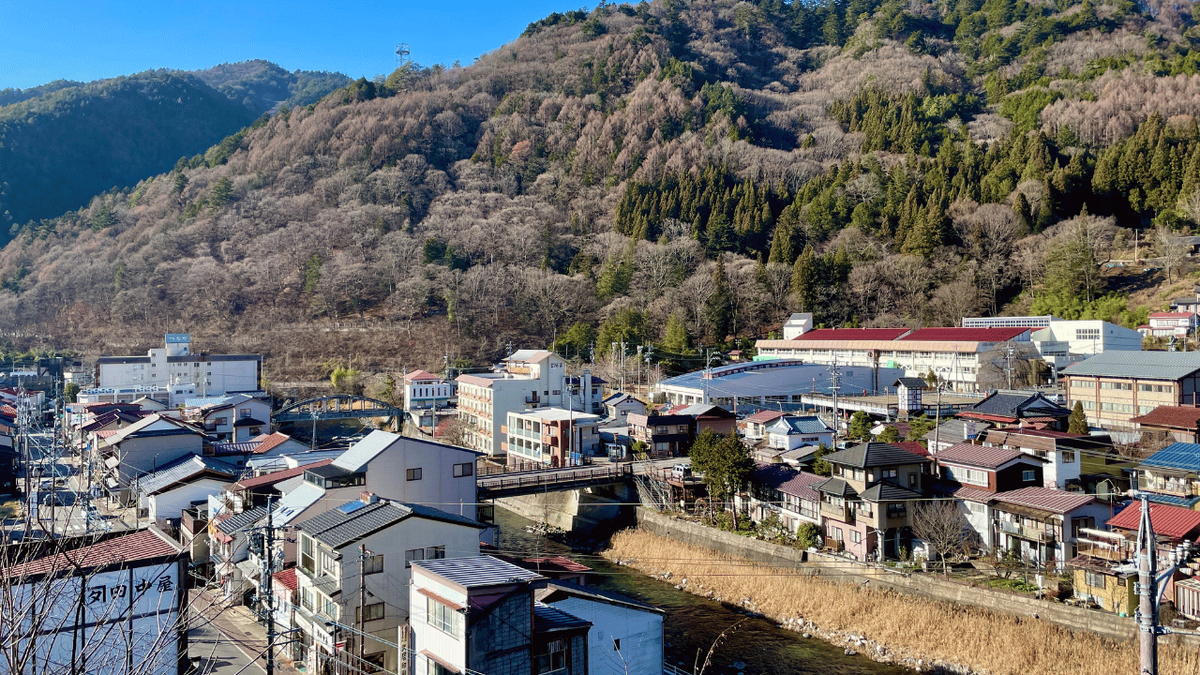


Base Yourself in Kiso-Fukushima for Nakasendo Walks: Take the Train to Tsumago, Magome, and Narai
Comparing the four towns, Kiso-Fukushima's strength is its accessibility. Located almost in the center of Kiso Valley, you can take day trips by train to Narai-juku in the north or Tsumago-juku and Magome-juku in the south. By staying in Kiso-Fukushima for about two nights and leaving your luggage there, you won't need to carry your suitcase every day.
| Destination | Train from Kiso-Fukushima Station | Travel from Station |
|---|---|---|
| Narai-juku | About 30 minutes by local train to Narai Station | The townscape is right outside the station |
| Tsumago-juku | About 25 minutes by Shinano Limited Express to Nagiso Station (a few stops per day; local trains also available) | About 10 minutes by bus |
| Magome-juku | About 37 minutes by Shinano Limited Express to Nakatsugawa Station | About 25 minutes by bus |
Travel times are based on the November 2026 timetable. Many train and bus routes operate about once an hour, so check return times in advance before heading out.
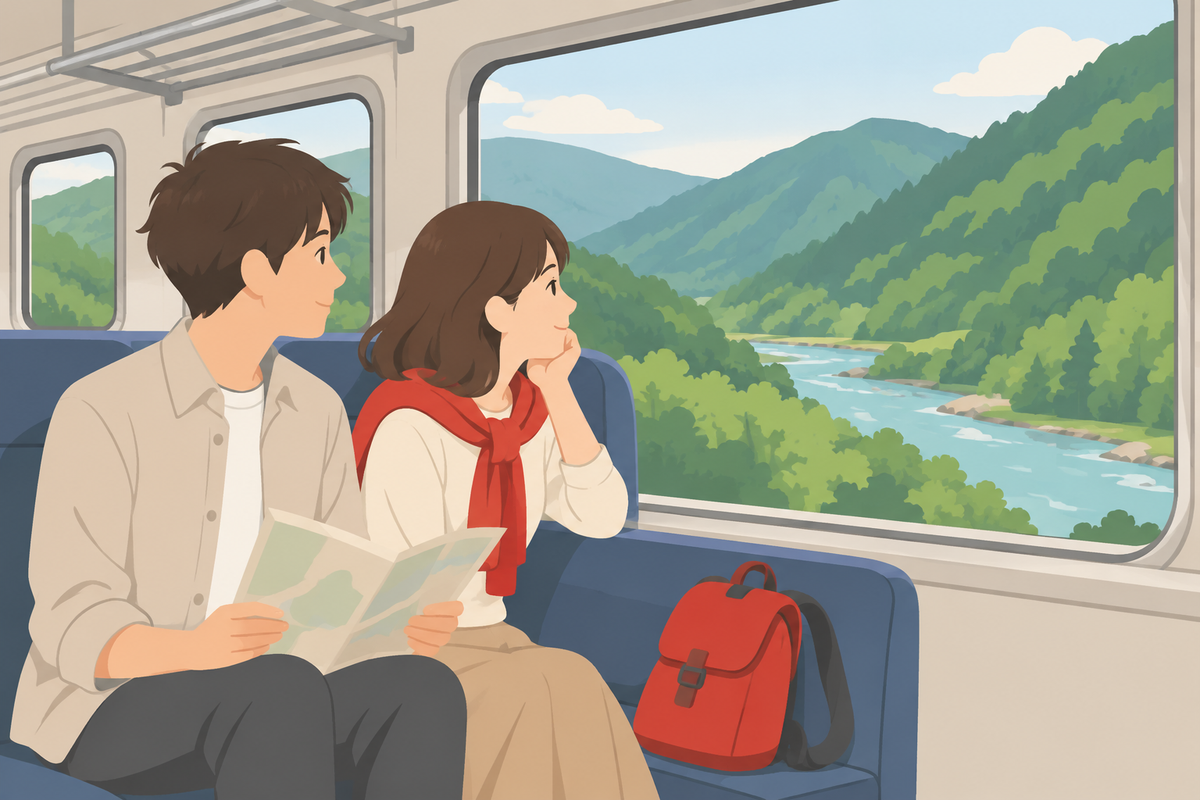
One of the advantages of Kiso-Fukushima is its easy access from Tokyo and Nagoya. From Nagoya, it's about 1 hour and 30 minutes on the Limited Express Shinano without transfers. From Tokyo, take the Limited Express Azusa from Shinjuku Station to Shiojiri Station, then transfer to the Limited Express Shinano for about 3 hours and 10 minutes total. This makes travel on the arrival day much easier compared to Nagiso Station, where express trains don't stop, or Magome-juku, which requires a bus transfer. For detailed directions, see How to Get to Kiso Valley from Tokyo.
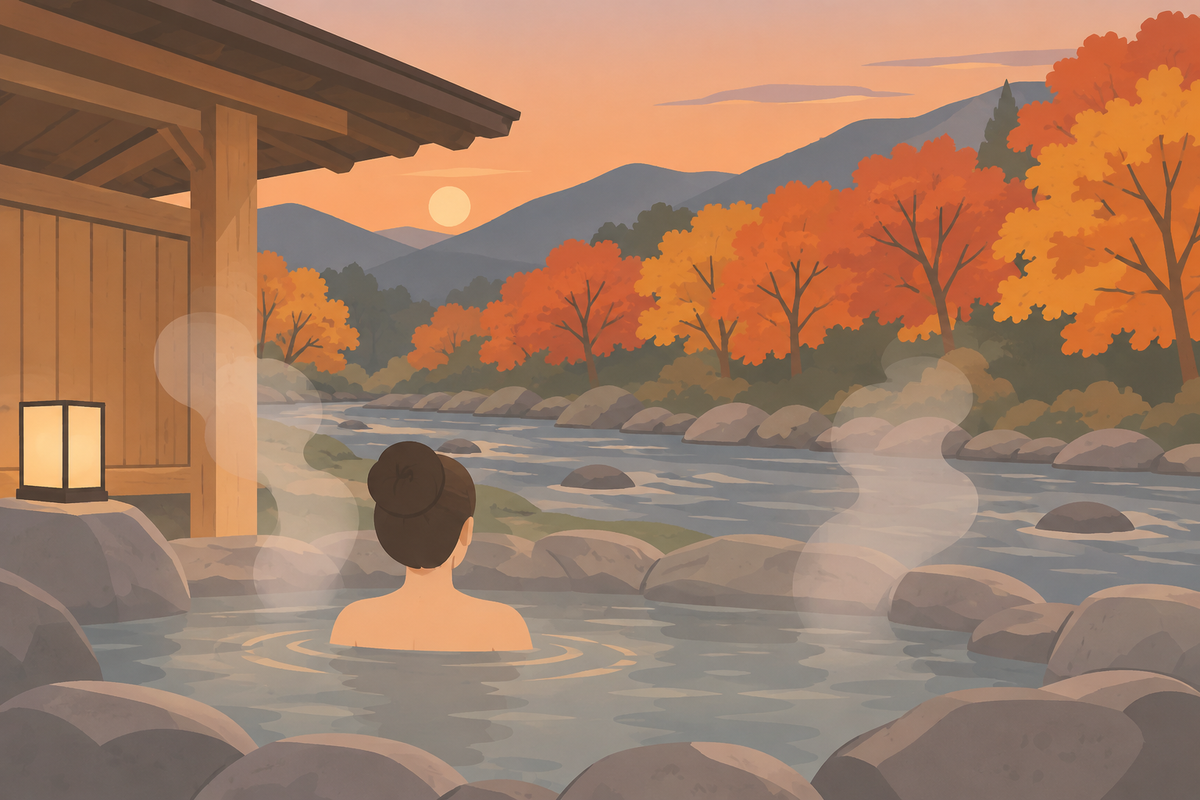
The proximity to the station is also an important point for travelers with lots of luggage. In Kiso-Fukushima, accommodations are clustered within walking distance from the station. For example, Onyado Tsutaya, which started as a lodging house in Fukushima-juku in 1688, is about a 12-15 minute walk from the station and features an open-air bath along the Kiso River where you can enter the onsen even with tattoos. After a day of walking in Tsumago or Magome, you can return by train and relax your feet in the onsen, a benefit unique to a town that serves as a base.
Tsumago or Magome: Where to Stay? Accommodation Tips for Hikers
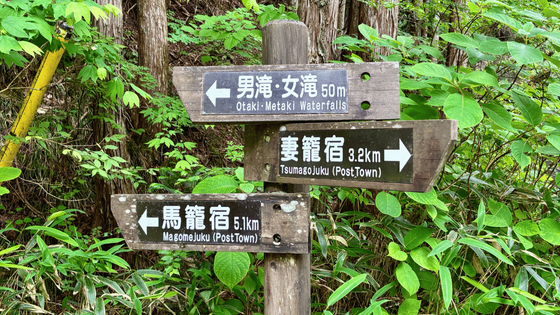
The most popular route on the Nakasendo is the approximately 8km, 3-hour walk over Magome Pass between Tsumago-juku and Magome-juku. A common question from walkers is, "Which is better to stay, Tsumago or Magome?" Both have guesthouses, and you can't go wrong with either. The difference lies in the walking direction and the next day's itinerary.
Stay in Tsumago or Magome?
Staying in Tsumago-juku
- Old houses line the flat street, offering the charm of quiet nights and mornings.
- The next morning, walking from Tsumago to Magome involves a relatively long uphill stretch.
- It's about a 10-minute bus ride to Nagiso Station.
Staying at Magome-juku
- The view from the top of the hill is great, and the sunset is beautiful.
- The next morning, walking from Magome to Tsumago is said to be easier with a shorter uphill climb.
- It's about a 25-minute bus ride to Nakatsugawa Station.
You can also opt for a day trip from Kiso-Fukushima and hike the mountain paths without staying overnight. In that case, take an early morning train.
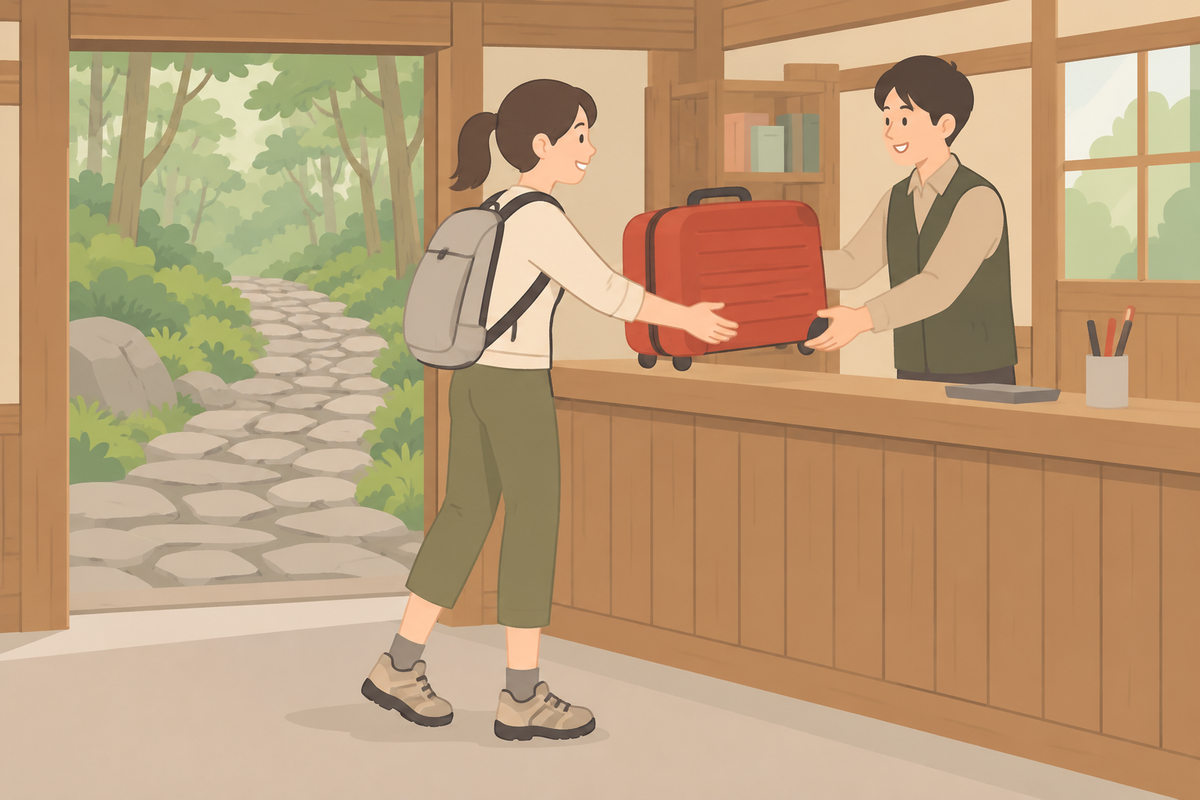
Large luggage can be a hassle when walking mountain paths. From spring to autumn, a service is available to transport luggage between the Tsumago and Magome tourist information centers. You can drop off your luggage in the morning and pick it up at the opposite center in the afternoon. Reception times, fees, and operating days vary each year, so check with the tourist information center before you set out. If you stay multiple nights in a base town, you can leave your large luggage at the accommodation and walk with just a small backpack. Details on how to walk are introduced in the Magome Pass Walking Guide and the Nakasendo Hiking Guide.


Tips for Booking Accommodations in Kiso Valley
Once you've chosen the town to stay in, the next step is booking accommodations. Many lodgings in Kiso Valley are small, so be mindful of the differences compared to city hotels.
Steps to Book Accommodation in Kiso Valley
Book Early In the post town, inns have few rooms and fill up quickly during the autumn foliage season and long weekends. Once your travel dates are set, make a reservation as early as possible.
Check if dinner is included. Many eateries in the post towns and Kiso-Fukushima close early in the evening. Opting for a dinner-included plan saves you the hassle of finding a place to eat at night.
Inform the arrival time. Many accommodations have set dinner times, so when booking, inform them of your expected arrival time and contact the accommodation if you will be late.
Confirm Payment Methods In small inns, credit cards may not be accepted. Be sure to have cash ready or confirm when making a reservation.
Informing About Dietary Restrictions Dinner often features a set menu, so inform them of any allergies or dietary restrictions when making a reservation.
IC cards are not accepted at many stations in the Kiso Valley. It's advisable to have cash ready for train and bus fares.
How to Enjoy and Mind Your Manners at Ryokan and Minshuku
Finally, here are some tips for staying at a ryokan or guesthouse in Kiso Valley. While there are no strict rules, keeping these three points in mind will ensure a comfortable stay.
Three Things to Remember When Staying in Kiso Valley
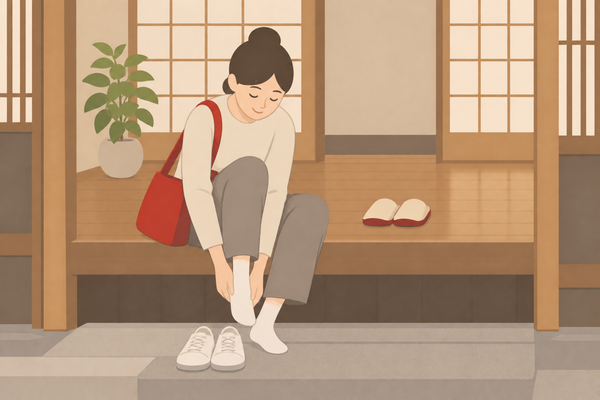
Remove your shoes at the entrance.
Upon entering the building, guests remove their shoes at the entrance and wear slippers inside. In rooms with tatami, slippers are also removed.
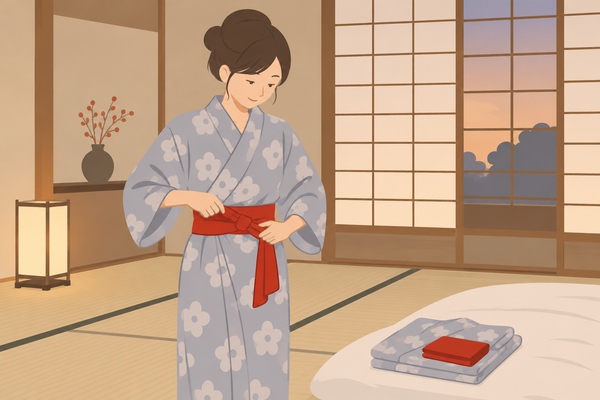
Place the left side of the yukata over the right.
The yukata provided in the room can be worn within the facility and during dinner. Overlap the left side over the right and tie the sash.
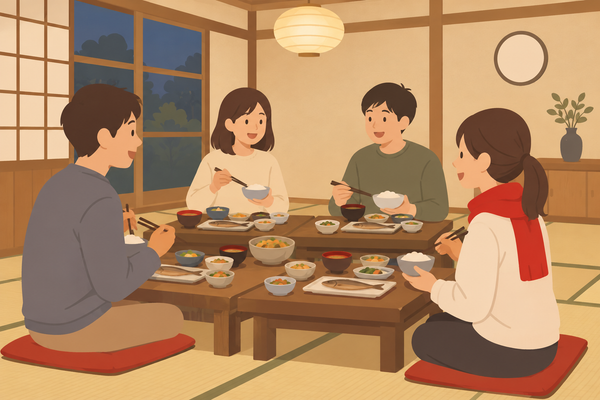
Adhere to Dinner Time
At guesthouses, it's common for guests to have dinner at the same time. Be punctual, and inform them if you'll be late.
Illustration for Explanation (AI-generated)
At night, many inns become quiet, and some guesthouses may have curfews. Older buildings tend to carry sound easily, so keep late-night conversations to a minimum. In return, you can better enjoy the stars and the sound of the river in the post town at night.
Experience the feeling of old travelers at a guesthouse in a post town, or stay in a hub town like Kiso-Fukushima to explore the Kiso Valley extensively. Choose your accommodation style according to your travel goals and enjoy a night in the Kiso Valley. The overall exploration of the Kiso Valley is introduced in the Kiso Valley Guide.