Practical Travel
Japanese Chopstick Etiquette
Updated 19 November 2026By Dynamic Japan Travel editorsEditorial policy
Contents
In Japanese dining etiquette, improper chopstick use is called "kirai-bashi" (disliked chopstick use). Here, we introduce 30 examples with illustrations.
Particularly to be avoided are sticking chopsticks upright in rice and passing food directly from chopstick to chopstick, as both are reminiscent of funeral customs.
Chopstick Etiquette to Avoid
Etiquette
Actions Reminiscent of Funeral Customs
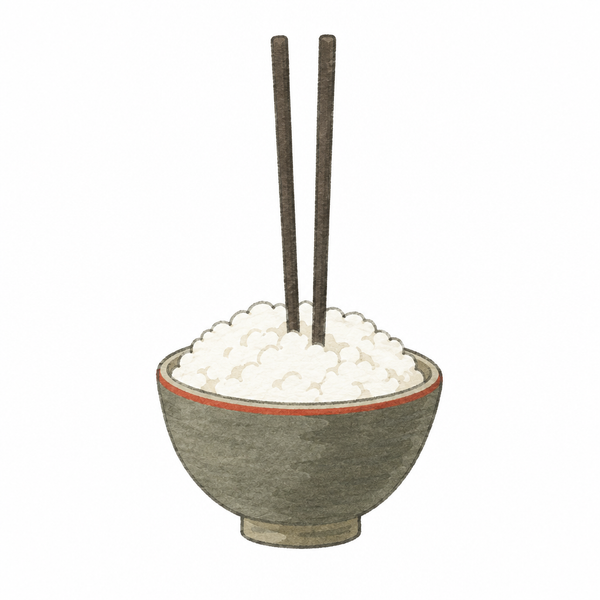
Standing Chopsticks|Placing Chopsticks Upright in Rice
Chopsticks standing upright in rice resemble the rice offered to the deceased.
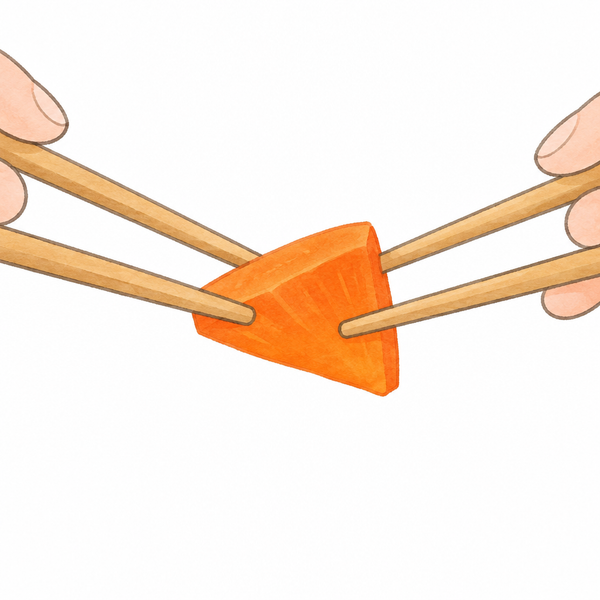
Passing food from chopstick to chopstick
It brings to mind the custom of picking up bones with chopsticks after cremation. When serving food, use serving chopsticks to place it on the other person's small plate.
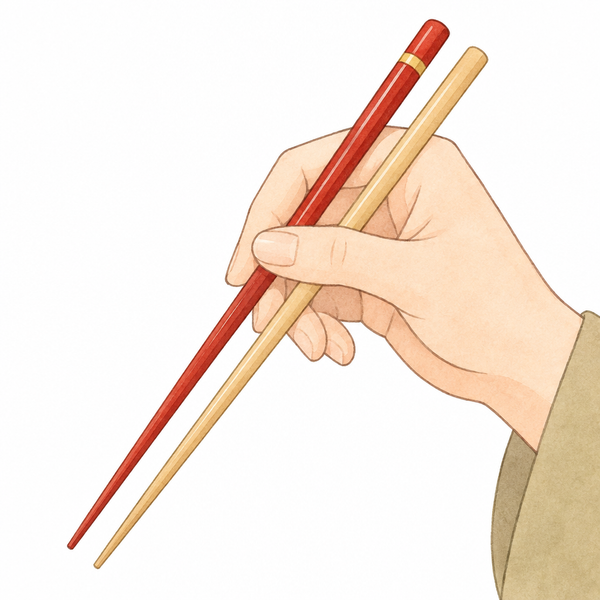
Mismatched Chopsticks | Using one chopstick each made of different materials like wood and bamboo
Using chopsticks made of different materials, like wood and bamboo, is called "takemokuhashi." In some regions, this may remind people of bone-picking rituals, so it's best to choose matching pairs from the chopstick holder.
Illustration for Explanation (AI-generated)
Chopstick Etiquette to Avoid for Dining Companions
Etiquette
When Choosing Dishes from Large Plates or Pots
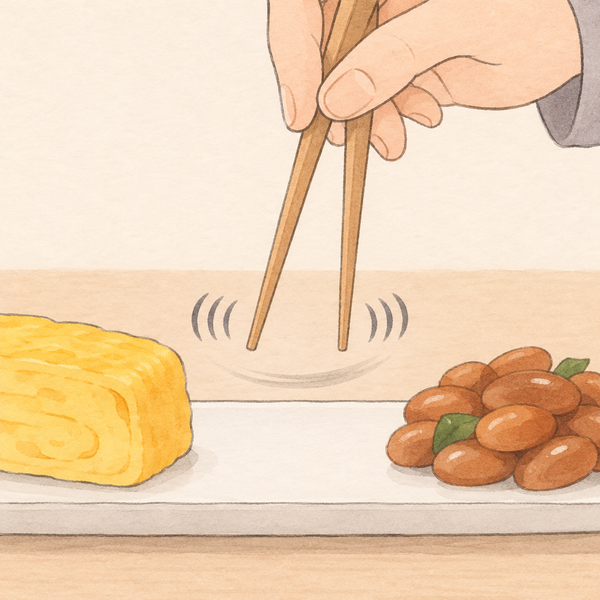
Hovering Chopsticks | Moving chopsticks back and forth over food
With large platters, first choose what you want with your eyes, then reach for it with your chopsticks.
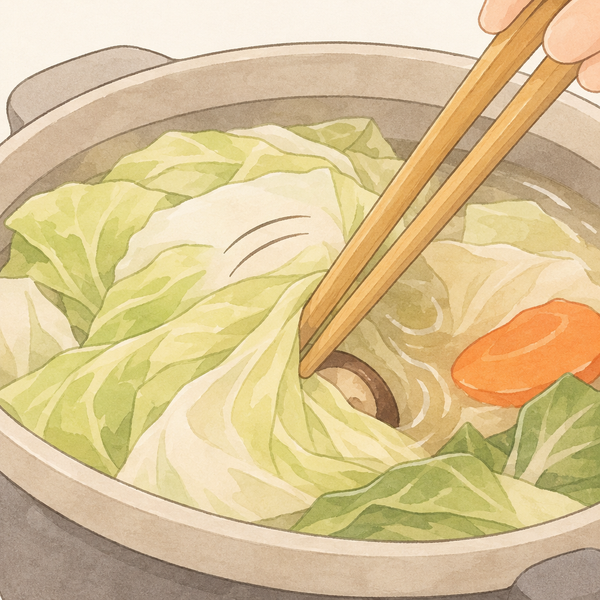
Searching Chopsticks: Digging through a dish to find ingredients
Picking out preferred ingredients from the bottom of a dish is called "koji-bashi." When serving from a large platter or pot, choose from the visible ingredients.
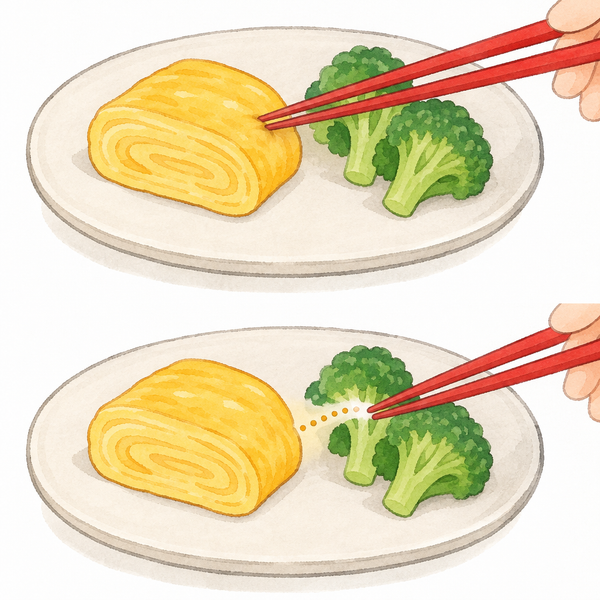
Switching Chopsticks|Moving chopsticks from one dish to another without eating
For example, touching a rolled omelet with chopsticks and then moving to the neighboring vegetables without taking the omelet is called "utsuri-bashi." The action of touching food with chopsticks but not taking anything and pulling back is known as "kara-bashi."
Illustration for Explanation (AI-generated)
Etiquette
When Sharing Dishes with Everyone
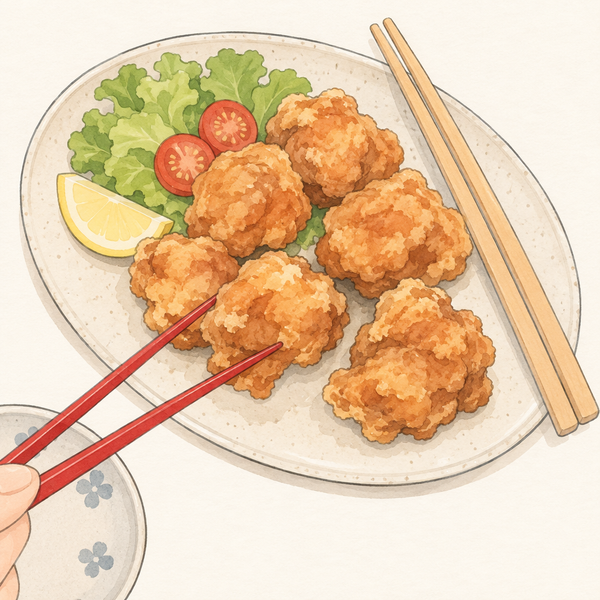
Direct Chopsticks: Taking food from a shared platter with your own chopsticks
If communal chopsticks are provided, use them to transfer food to your own small plate. If invited to "use your own chopsticks," you may do so.
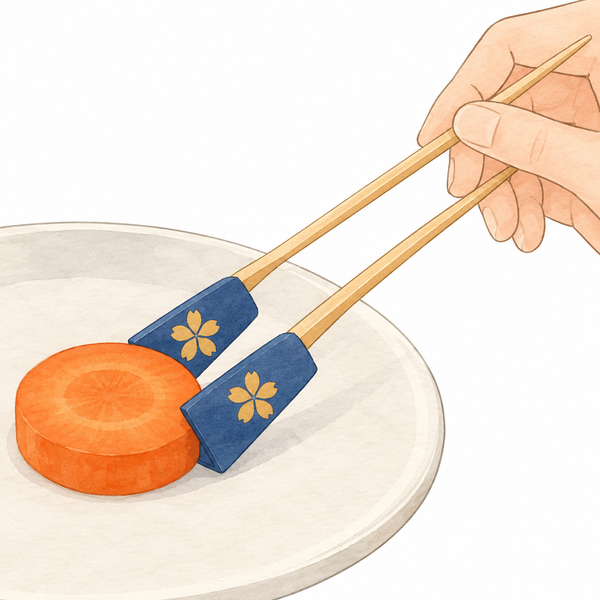
Reversed Chopsticks: Using the opposite end of your chopsticks to take food from a shared plate.
Also known as "reverse chopsticks," this method is sometimes introduced when there are no serving chopsticks available. However, the thicker end is the part that has been touched by hands. When sharing a platter, you can ask in Japanese, “取り箸をいただけますか” (“Could I have serving chopsticks, please?”).
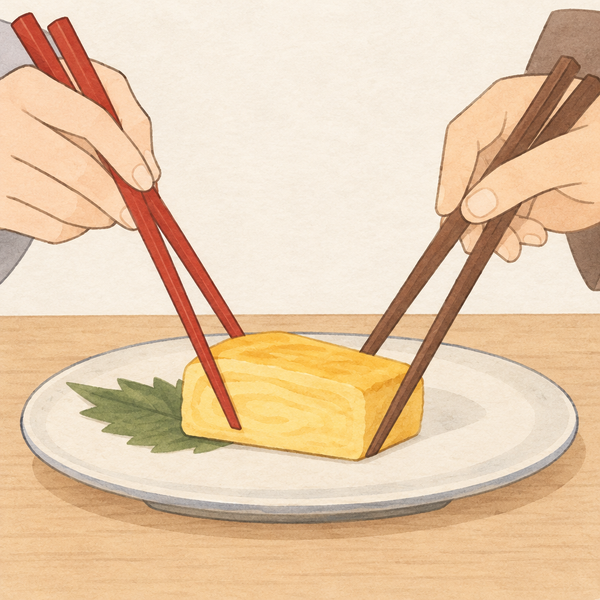
Two-Person Chopsticks: Picking up the same piece simultaneously with two people
If two people reach for the same piece at the same time, politely withdraw your chopsticks and let the other person have it.
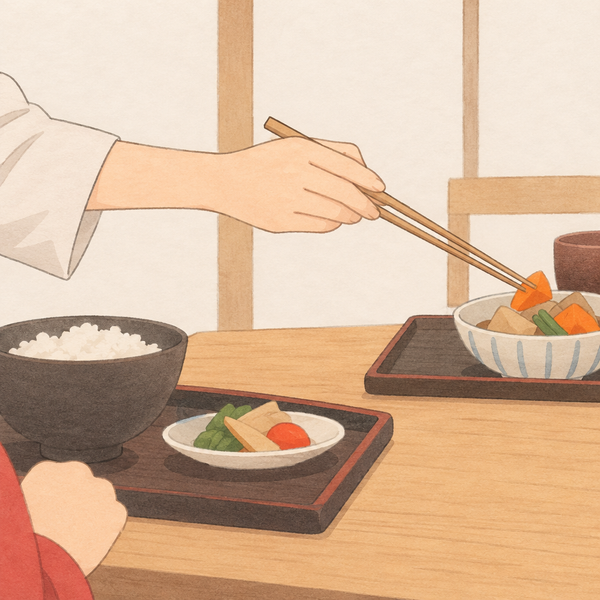
Reaching Across the Table: Extending Your Chopsticks to Distant Dishes
If you can’t reach a dish, ask someone nearby, “そのお皿をお願いします” (“Could you pass me that plate, please?”).
Illustration for Explanation (AI-generated)
Etiquette
When Talking with Your Companion
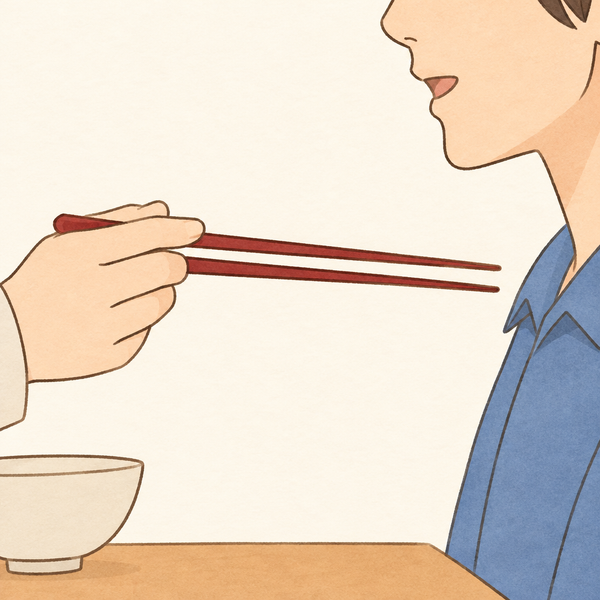
Pointing with Chopsticks|Using chopstick tips to point at people or objects
When indicating seats or the location of dishes, use hand gestures.
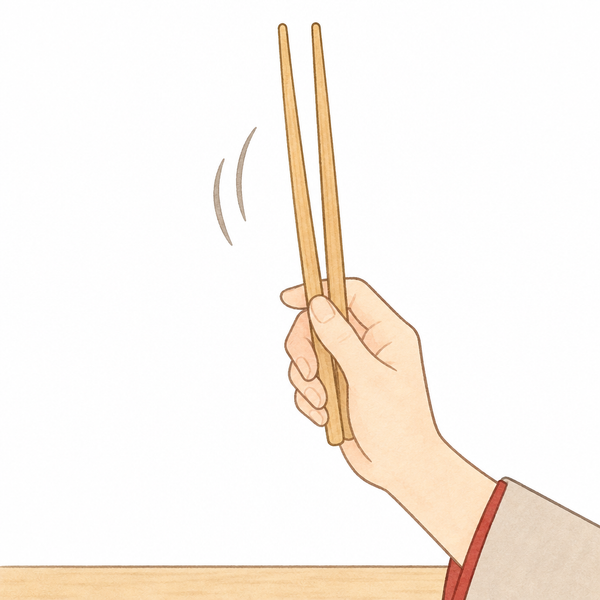
Raising Chopsticks|Lifting chopsticks high while talking
When engrossed in conversation and gesturing widely, your chopsticks might hit the person next to you. Place your chopsticks down before gesturing while speaking.
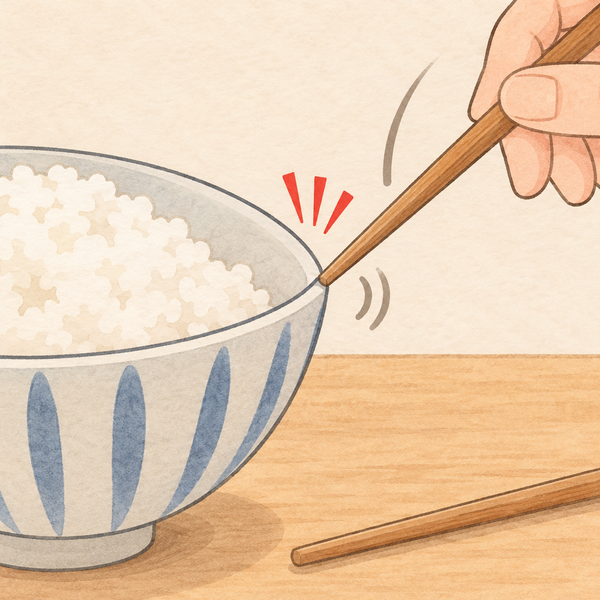
Tapping Chopsticks | Making sounds by tapping a dish with chopsticks
Tapping bowls or plates with chopsticks can cause the sound to carry to nearby tables. To get a staff member’s attention, say “すみません” (“Excuse me”).
Illustration for Explanation (AI-generated)
Etiquette
Actions to Watch for Around the Mouth
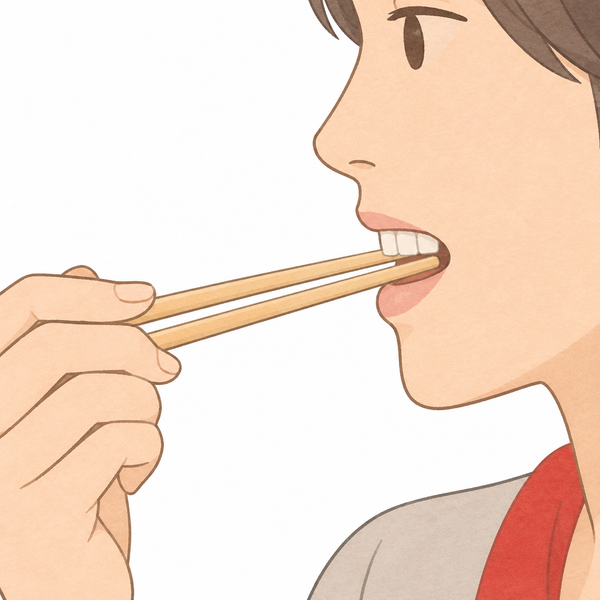
Biting the Tips of Chopsticks
When you put food in your mouth, gently remove the chopsticks without biting them.
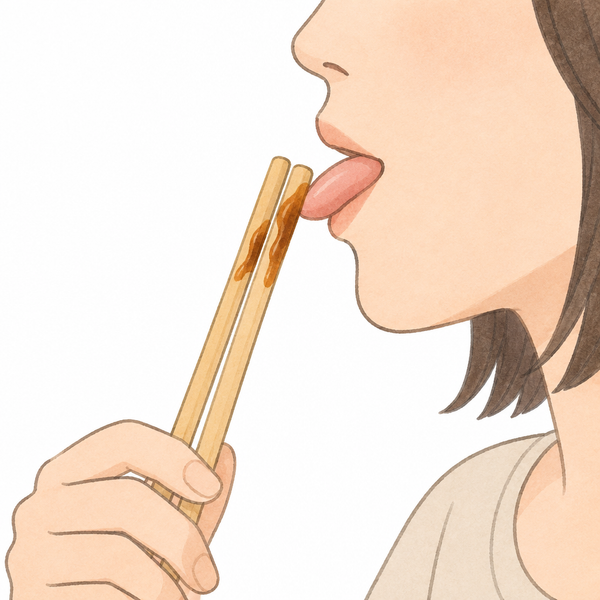
Naburi-bashi | Licking the tips of chopsticks
This refers to licking sauce or rice grains off the tips of chopsticks with your tongue. It is also known as "neburi-bashi."
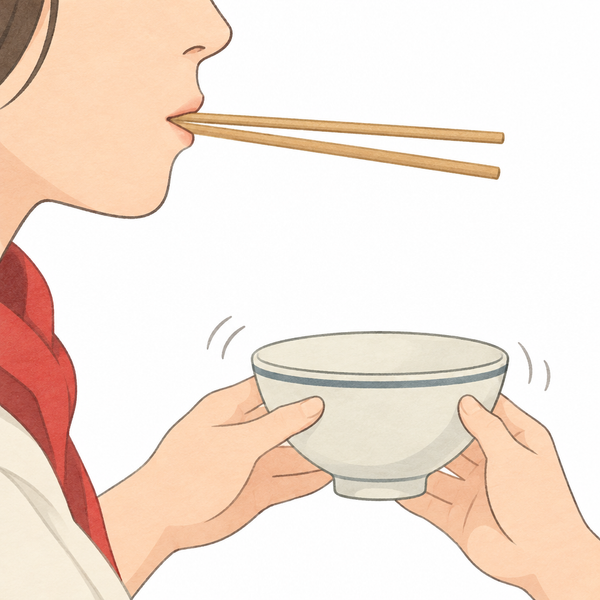
Holding Chopsticks in the Mouth|Holding chopsticks in the mouth to free up both hands
When you want to pass a plate with both hands, put down your chopsticks first.
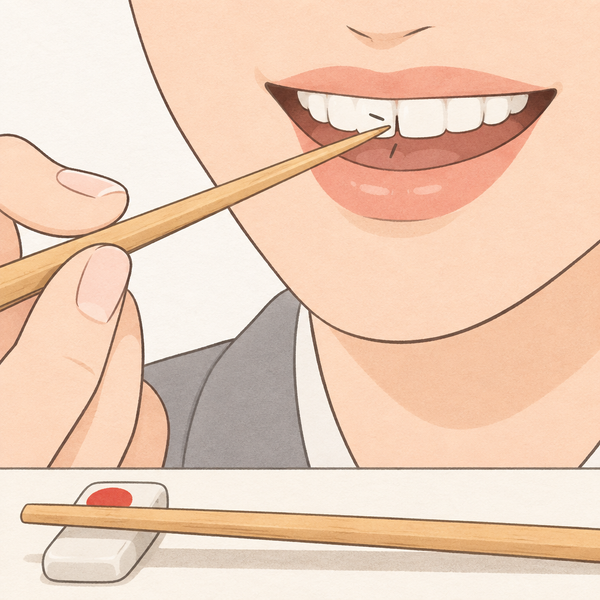
Seseri Hashi: Using Chopsticks to Pick Between Teeth
Using chopstick tips as a substitute for a toothpick to remove food stuck between teeth.
Illustration for Explanation (AI-generated)
Chopstick Etiquette for Everyday Meals
Etiquette
When Starting a Meal or Adjusting Chopsticks
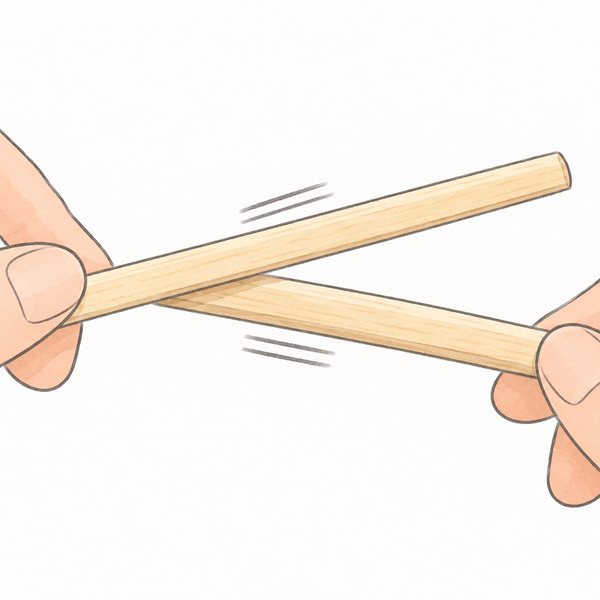
Rubbing Chopsticks|Rubbing Split Chopsticks Together
If your disposable chopsticks have splinters or you drop them on the floor, ask the staff, “新しいお箸をお願いします” (“Could I have a new pair of chopsticks, please?”).
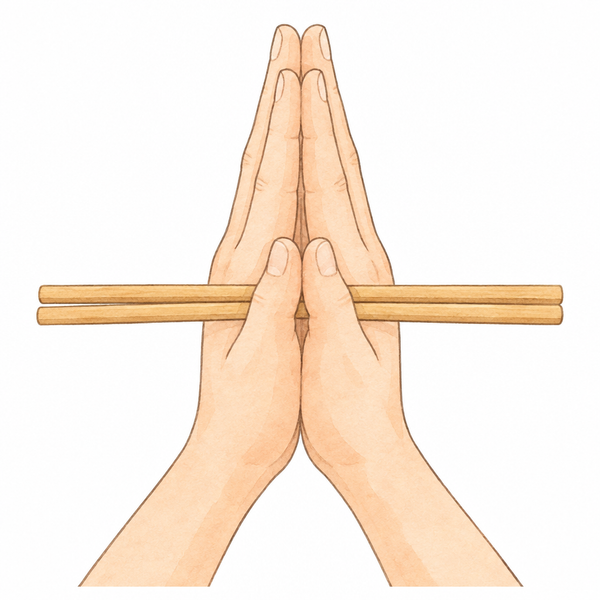
Praying Chopsticks | Holding chopsticks between both hands while pressing them together
When saying "Itadakimasu" with hands together, holding chopsticks horizontally points them at the person next to you. It's more natural to pick up the chopsticks after joining your hands.
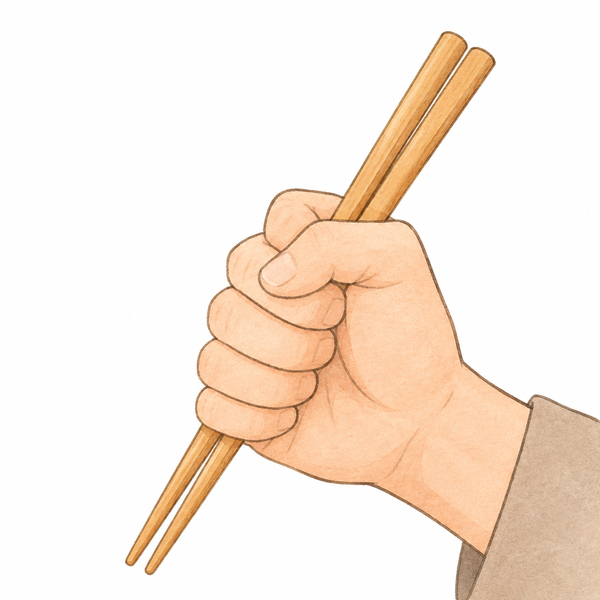
Holding Chopsticks: Gripping both with a fist
Holding both chopsticks in the palm makes it difficult to open the tips. If you're not used to chopsticks, feel free to ask for a fork or spoon.
Illustration for Explanation (AI-generated)
Etiquette
When Moving Dishes or Asking for Seconds
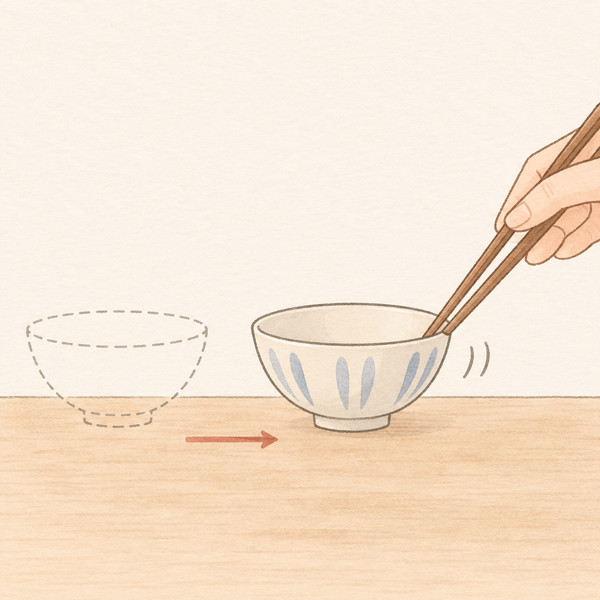
Pulling a Dish with Chopsticks | Using chopsticks to draw a dish closer
When you hook the tip of your chopsticks on the edge of a dish and pull, the dish may tilt. When moving a dish, place your chopsticks down and use your hand to bring it closer.
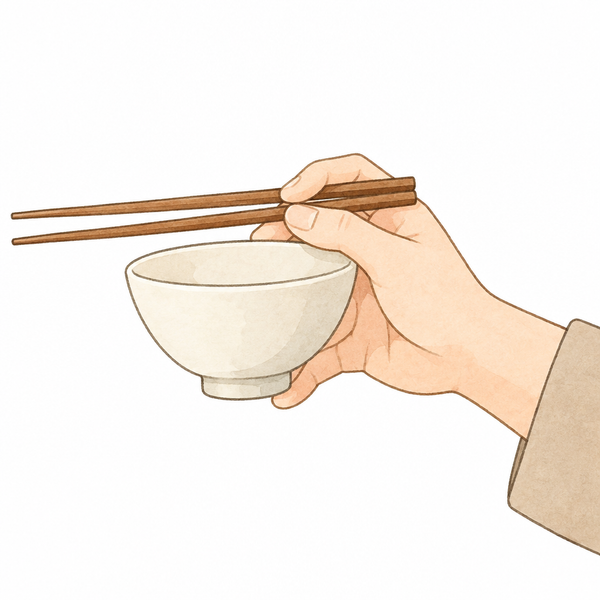
Holding Chopsticks and Bowl Together | Holding a bowl with the same hand as the chopsticks
Holding a small bowl by hooking its rim with the fingers of the same hand while holding chopsticks is one technique. Offering a bowl for a refill while still holding chopsticks is called "uke-bashi." If you put down the chopsticks first, you can pass the bowl with both hands.
Illustration for Explanation (AI-generated)
Etiquette
When taking a bite of food
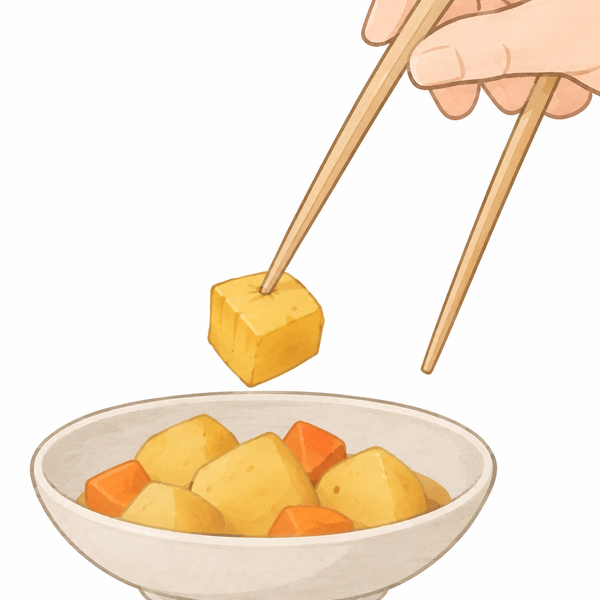
Stabbing with Chopsticks|Piercing food with chopsticks to pick it up
One example is piercing a simmered potato with one chopstick to lift it. When using chopsticks, gently pinch from both sides.
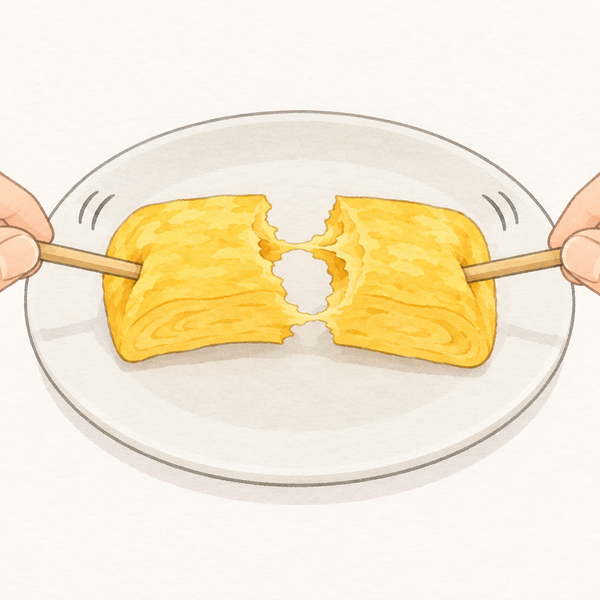
Chigiri-bashi: Holding one chopstick in each hand to tear food apart
For soft tamagoyaki, hold two chopsticks in one hand and use the tips to divide it into bite-sized pieces.
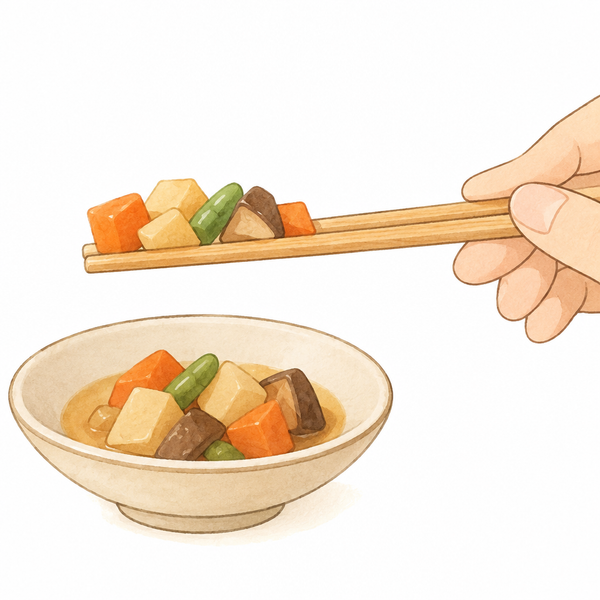
Using Chopsticks Horizontally: Using Aligned Chopsticks Like a Spoon
It's the action of placing several small pieces of food onto two aligned chopsticks and bringing them to your mouth. With chopsticks, you pick up and eat one bite at a time.
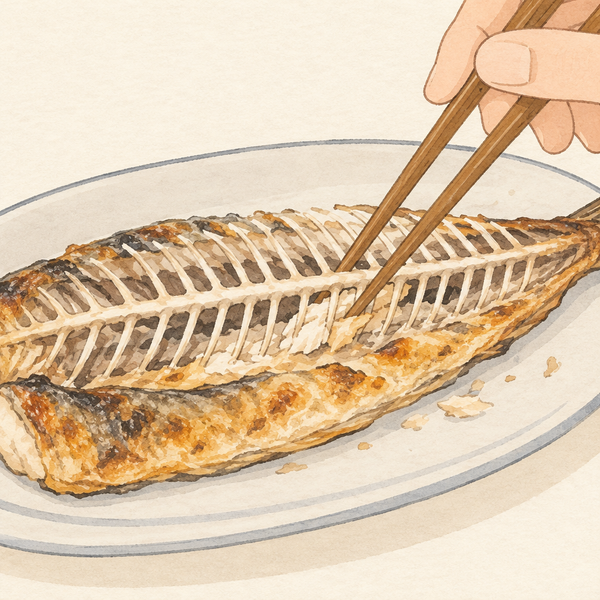
Sukashi-bashi: Picking the meat from between the bones of grilled fish
Once you've finished eating the top side of the grilled fish, remove the central bone and set it aside on the edge of the plate to make it easier to access the underside.
Illustration for Explanation (AI-generated)
Etiquette
When Bringing Food to Your Mouth & Placing Chopsticks Down
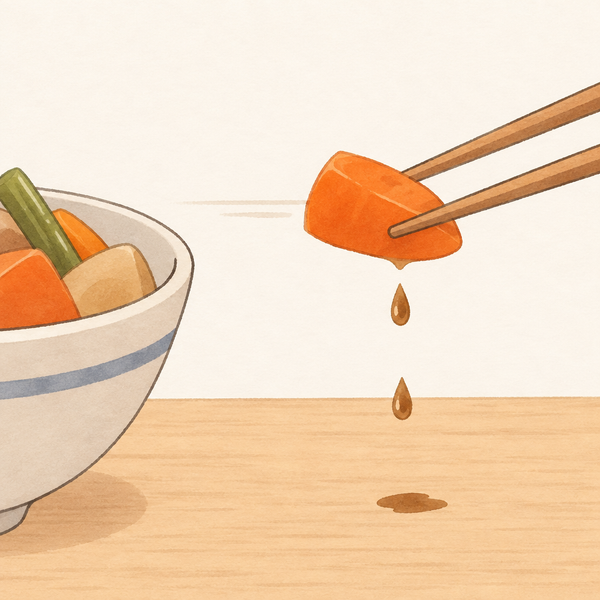
Tear Chopsticks: Carrying food while letting the sauce drip
This phrase compares the dripping of broth outside the bowl while bringing simmered dishes to your mouth to tears. Wait for the drops to fall over the bowl. Shaking the chopsticks to fling the broth is called "furibashi."
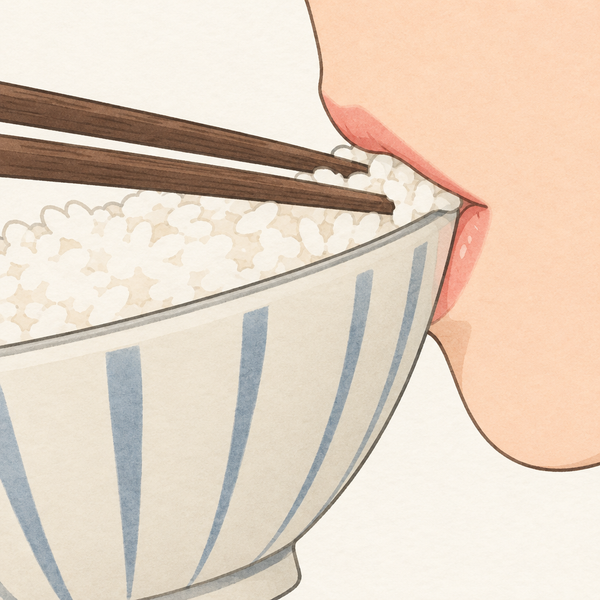
Kaki-bashi | Shoveling rice straight from the bowl into your mouth
Avoid pressing the rim of your rice bowl to your lips and using your chopsticks to push rice straight into your mouth. This is called kaki-bashi, also known as kakikomi-bashi. Hold the bowl in one hand and use your chopsticks to lift one bite of rice at a time.
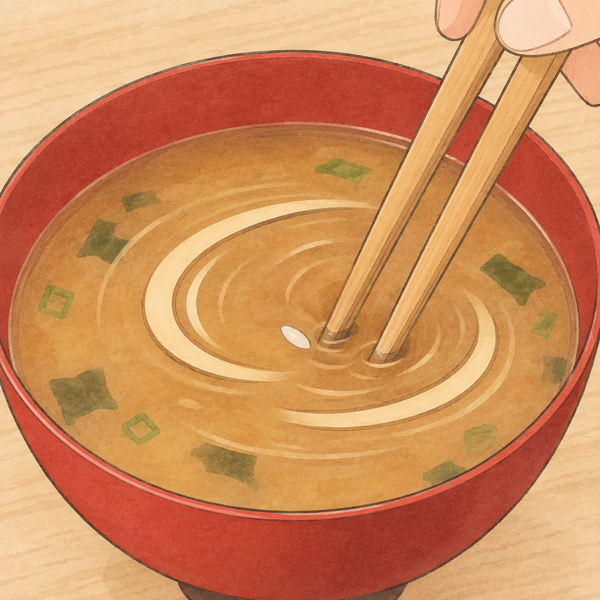
Rinsing Chopsticks: Rinsing the tips of chopsticks in soup
It refers to moving the tips of chopsticks in miso soup or similar dishes to wash off attached rice grains or sauce.
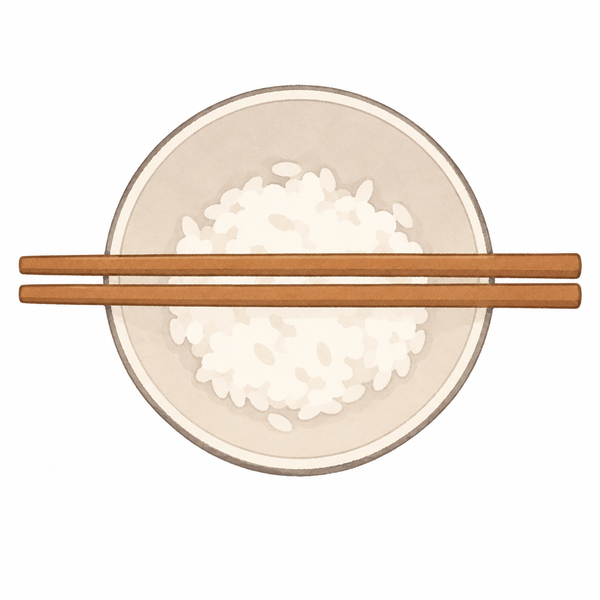
Crossed Chopsticks|Placing chopsticks across the rim of a dish
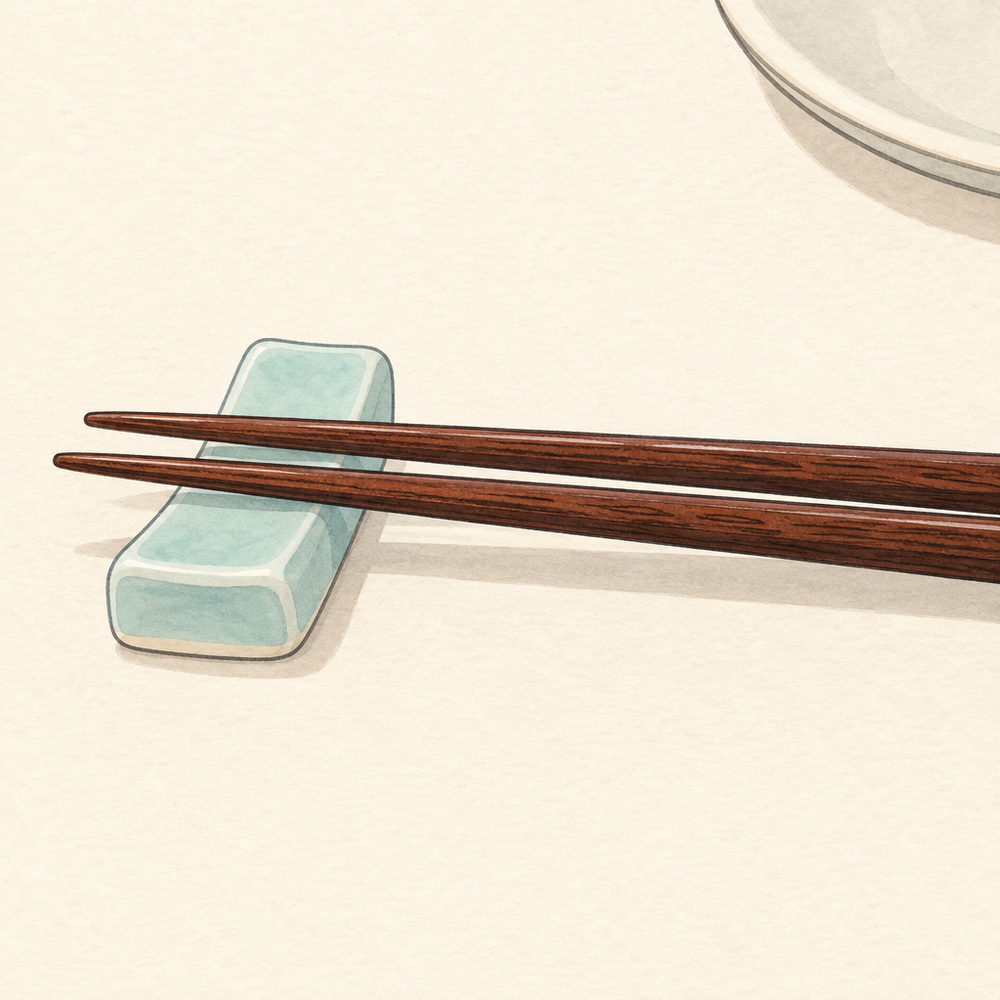
When taking a break during a meal, align the chopsticks and rest the tips on the chopstick rest.
Illustration for Explanation (AI-generated)
Easily Confused Chopstick Etiquette Names
- Hashi-watashi & Watashi-bashi
- Passing food from chopstick to chopstick is called "hashi-watashi." Placing chopsticks across the rim of a dish is "watashi-bashi."
- Sashi-bashi & Sashi-bashi
- Both are pronounced "sashi-bashi." Pointing at people or objects with chopsticks is "sashi-bashi," while stabbing food with chopsticks is also "sashi-bashi."