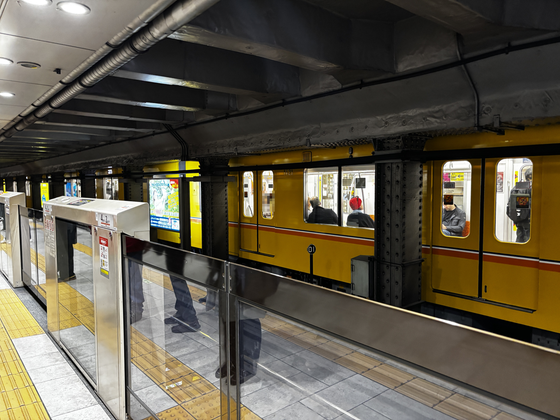
Tokyo
I Went Up Tokyo Tower Why It's Still Fun Even with Skytree, Plus Prices and 150m vs. 250m Differences
Updated 21 November 2026By Dynamic Japan Travel editorsEditorial policy
Contents
Tokyo Tower's observation decks cost 1,500 yen for adults if you only visit the 150m Main Deck. The tour that goes up to the 250m Top Deck costs 3,300 yen for adults when booked online.
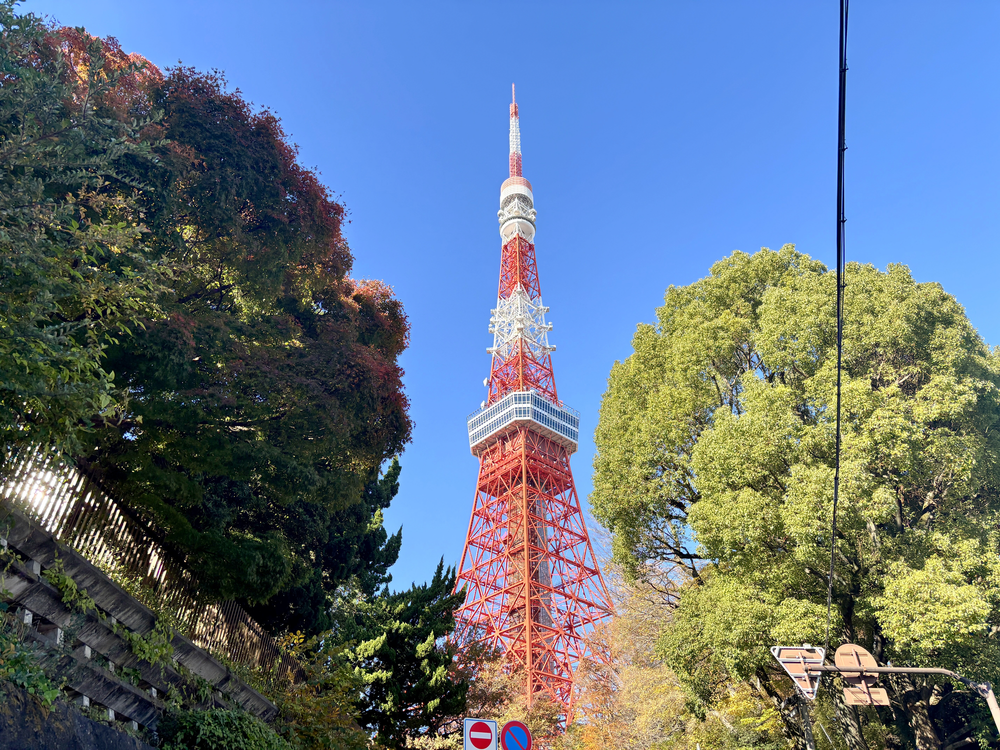
We visited both on a midday in the autumn foliage season and spent about an hour there. If it's your first visit, we recommend paying the difference to go up to 250m. The reasons: you pass through rooms inside the tower itself, and the buildings you've been looking up at suddenly sit much closer to eye level.
Tokyo also has the taller Tokyo Skytree. Even so, we were glad we went up, because you get to enjoy the tower itself as well as the view: the red steel beams just outside the window, the mirror-lined observation room, and the city and steel framework visible beneath your feet.
In the order we actually walked it, this article covers how to choose your ticket, what you can see from the decks, the glass floor, and the temple Zojoji, which was visible from the observation deck. If you're torn between this and Tokyo Skytree, we give an answer for that too.
Why Tokyo Tower Is Still Worth Visiting, Even With Skytree
Tokyo has the 634-meter Tokyo Skytree. Even so, we climbed Tokyo Tower and thought, "I'm glad we came." Here are five reasons why.
Close to town
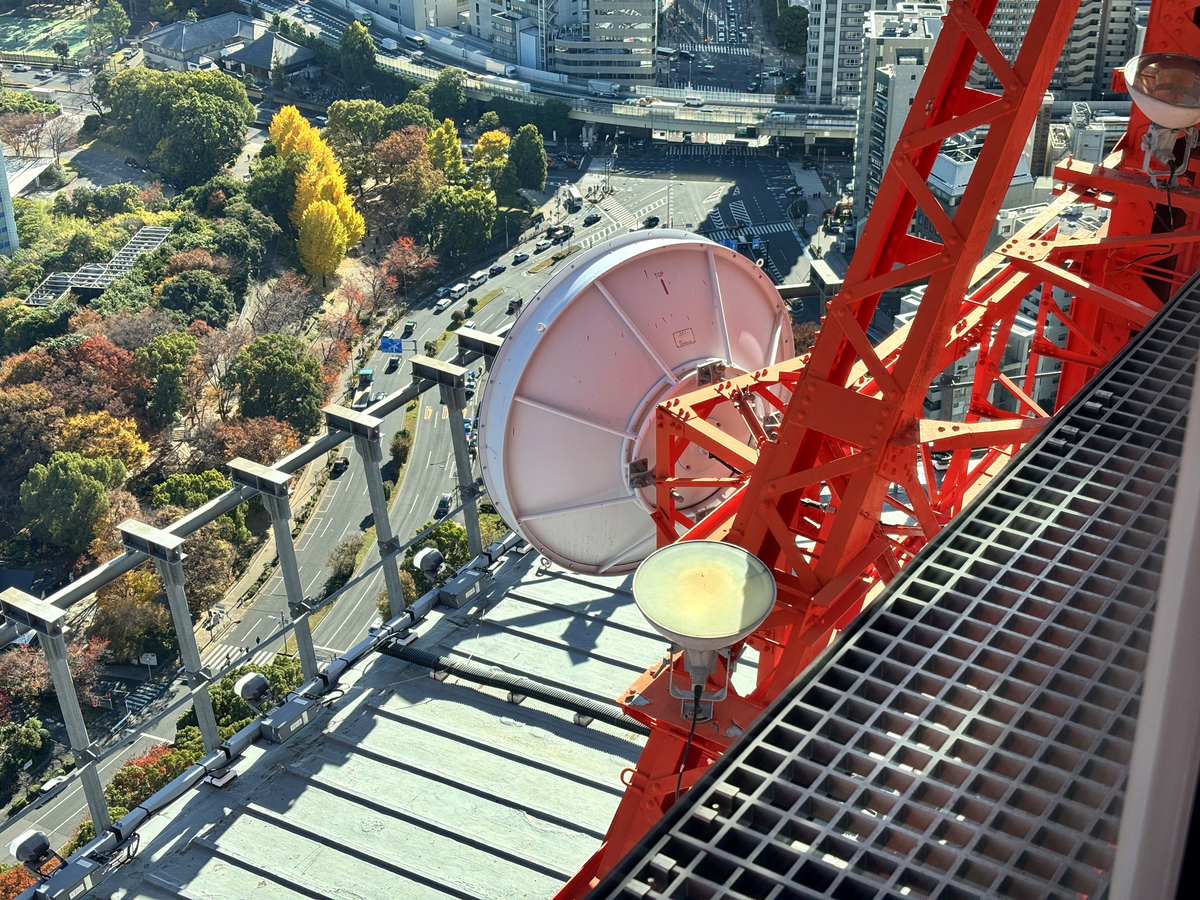
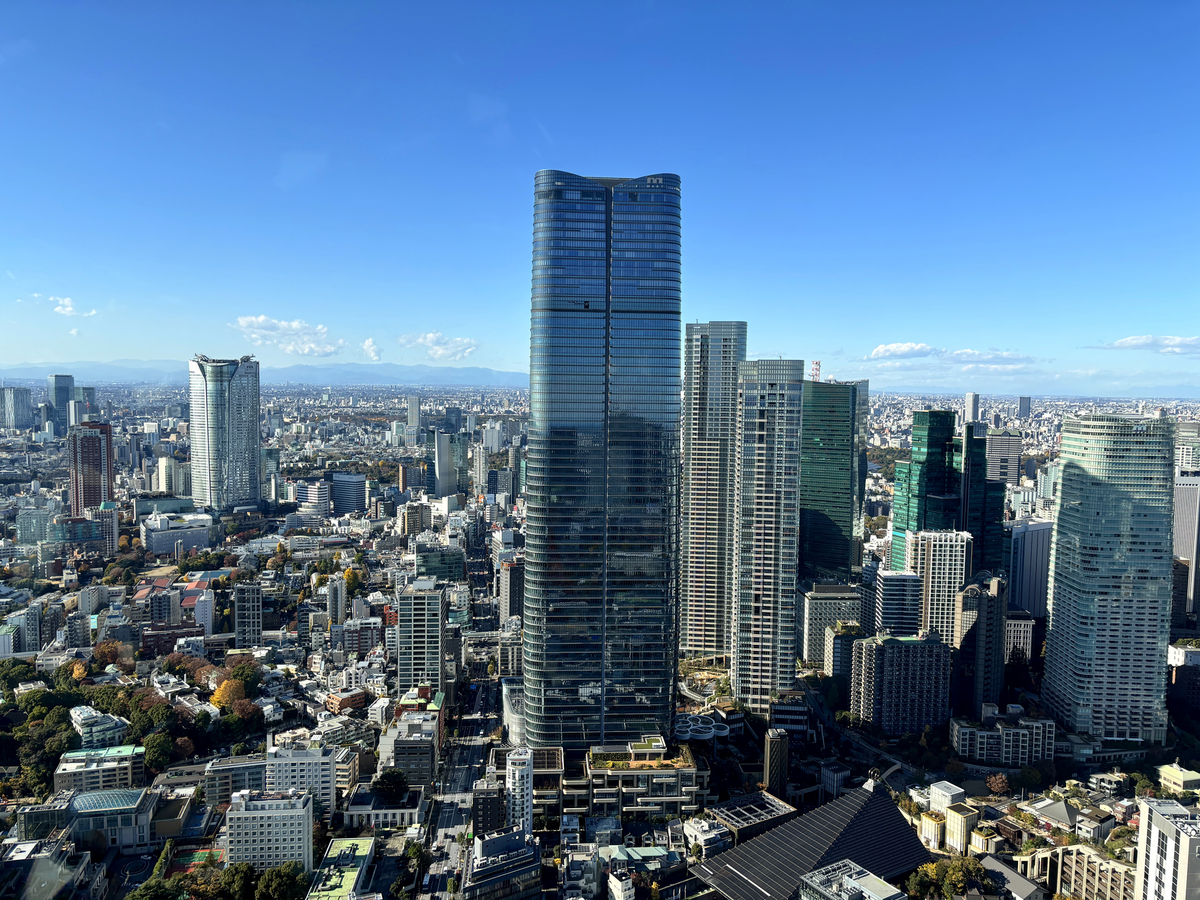
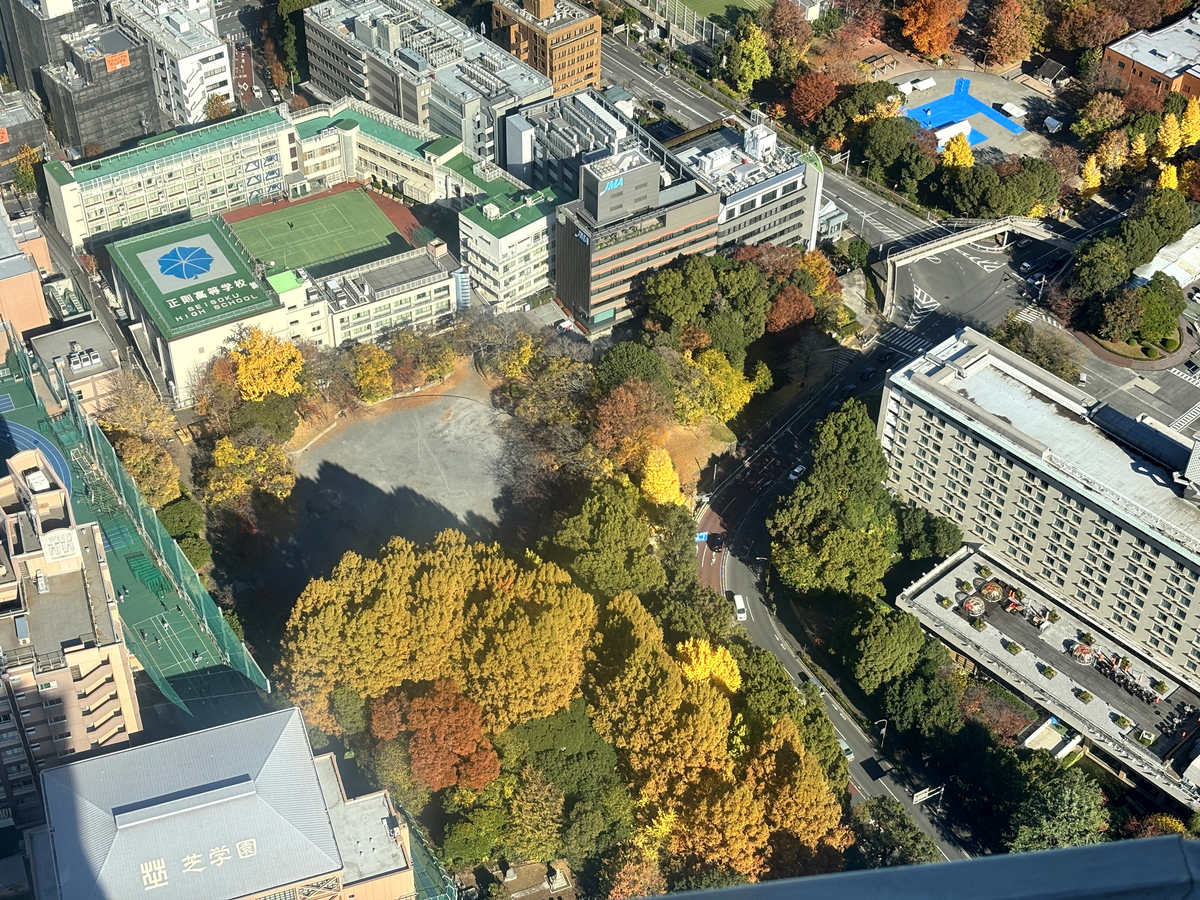
At 150 m and 250 m, you're close enough to make out the colors of cars and trees, and you can compare the same city from two different heights.
Walk inside the tower
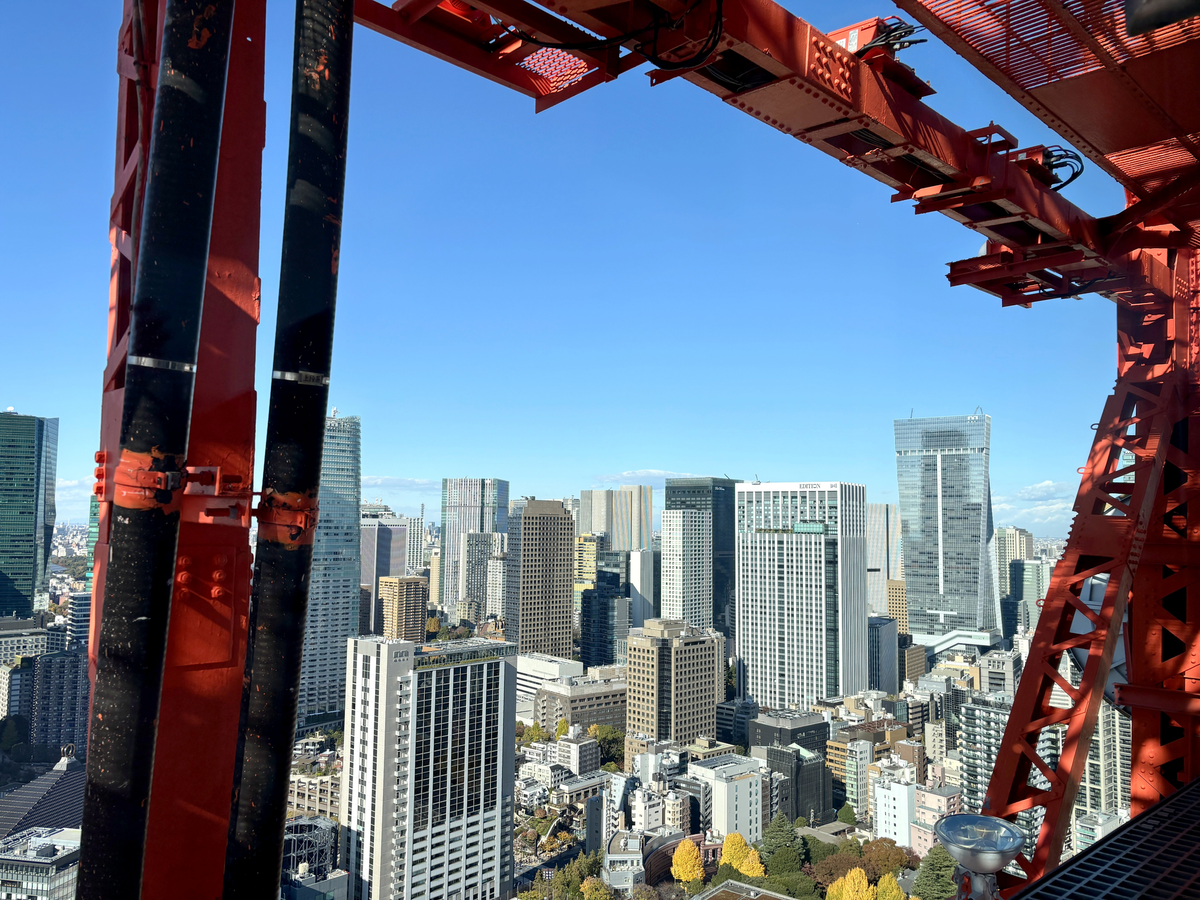
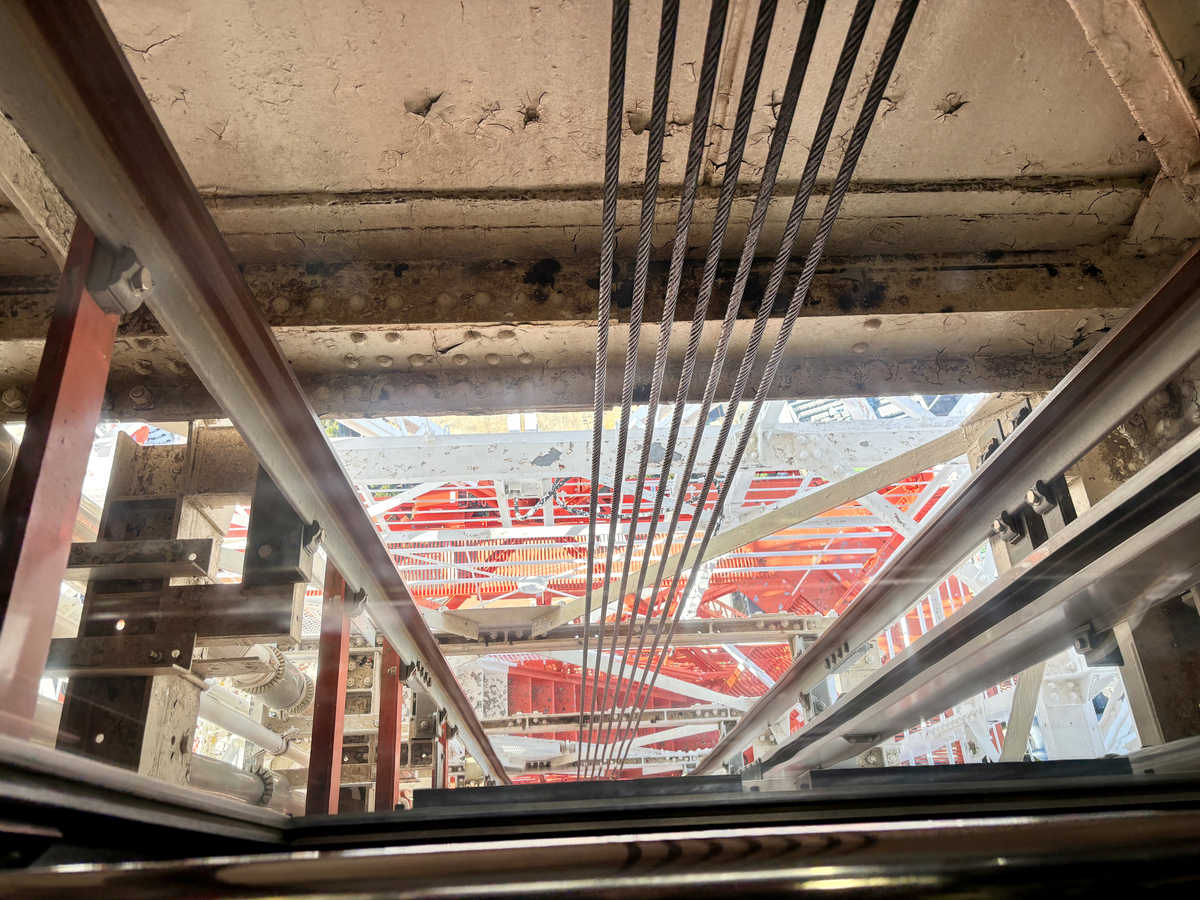
On the Top Deck Tour, red steel beams and antennas pass just outside the windows, giving the feeling of moving through the iron tower itself.
Mirror-Glass Observation Room
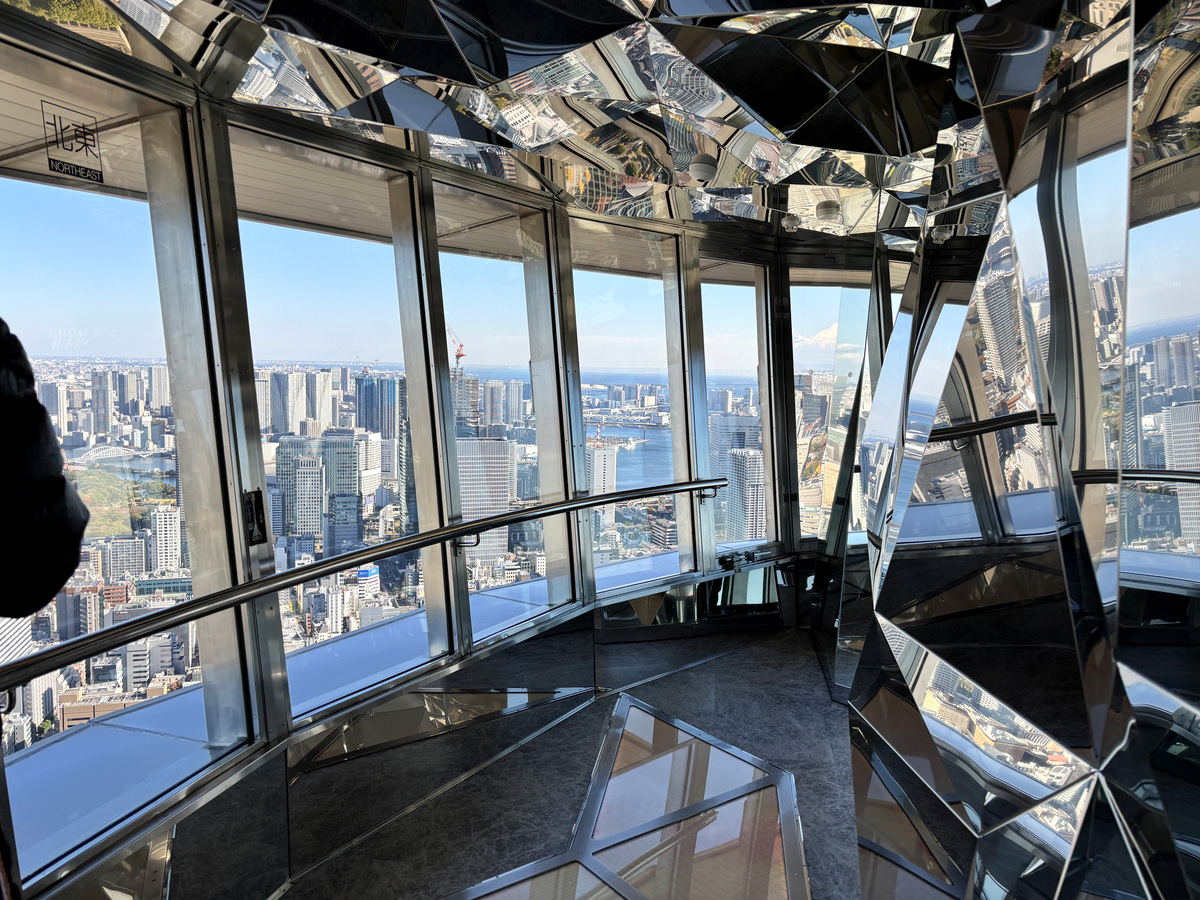
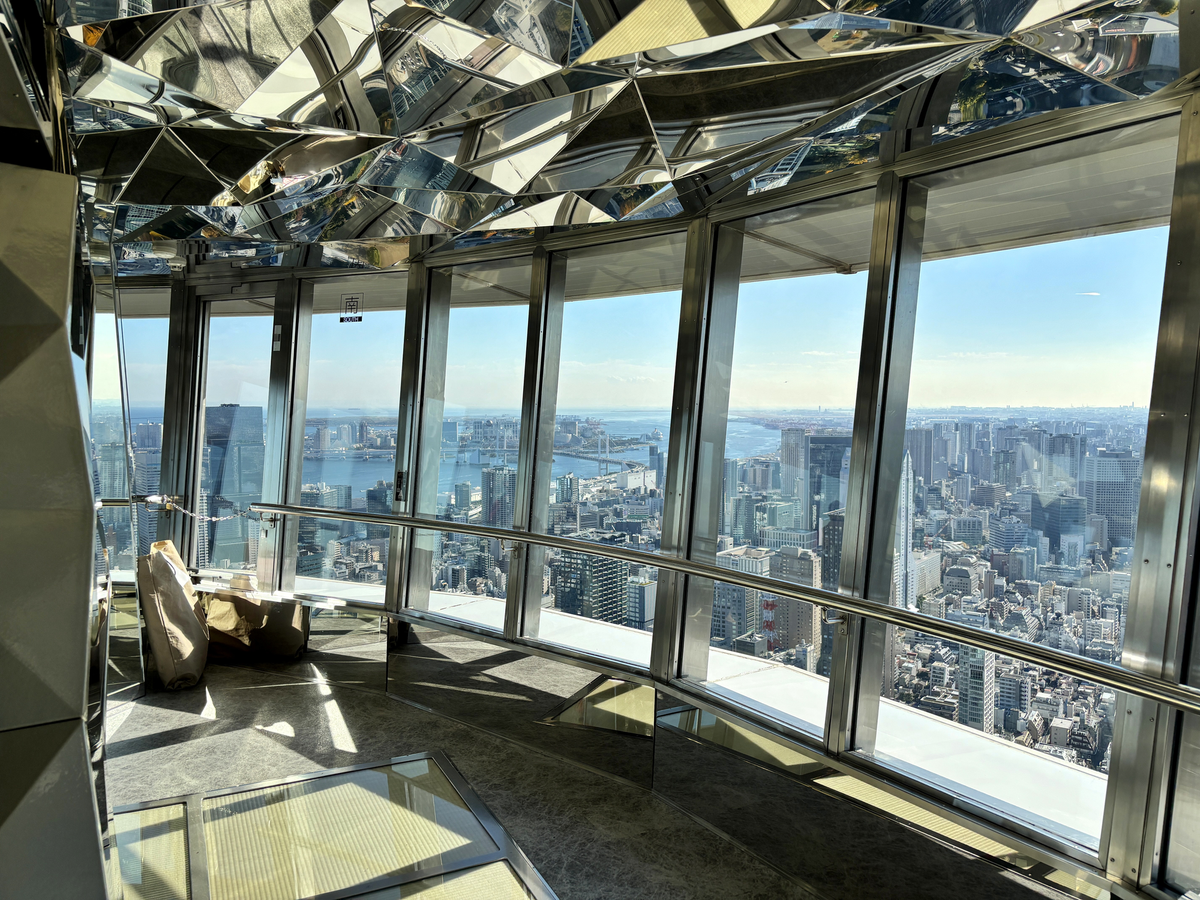
The 250 m top deck is a futuristic space where the scenery and light are reflected in mirrored panels.
City and Steel Beams Beneath Your Feet
Looking straight down through the glass floor, you can see the road below and Tokyo Tower's own red steel framework.
Old Tokyo and New Tokyo
Just below stand Zojoji Temple, which dates back to the Edo period, and Shiba Park, while the new Azabudai Hills rises next door. Old and new Tokyo come into view at once.
What Is Tokyo Tower Like?
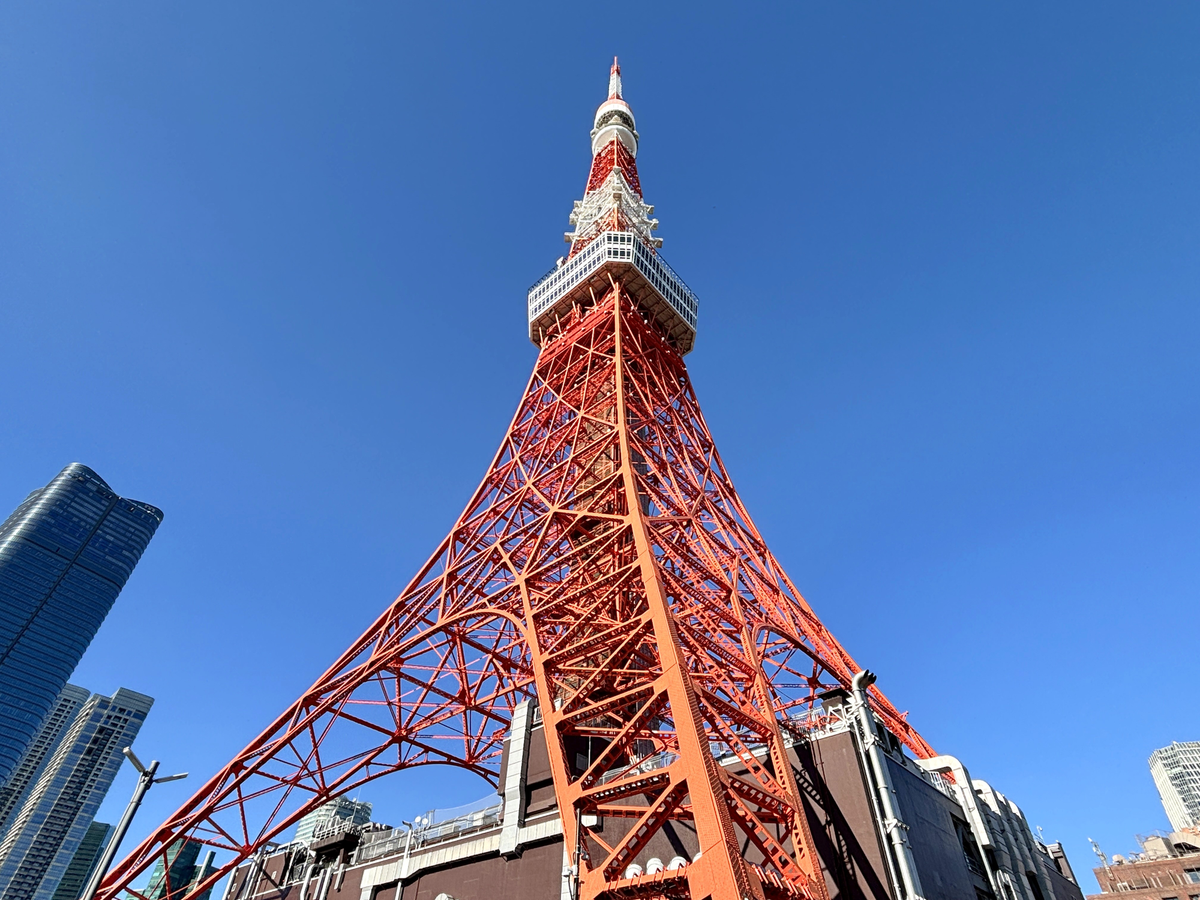
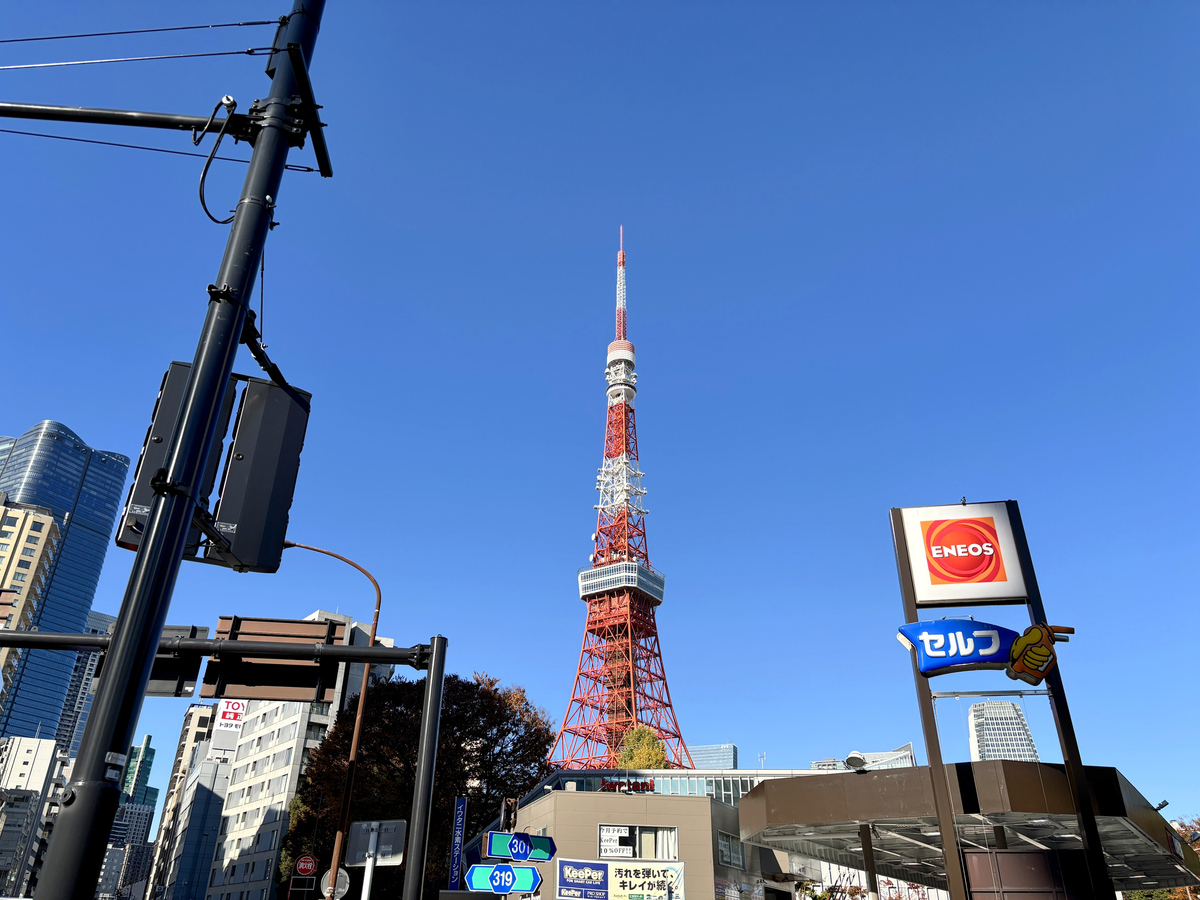
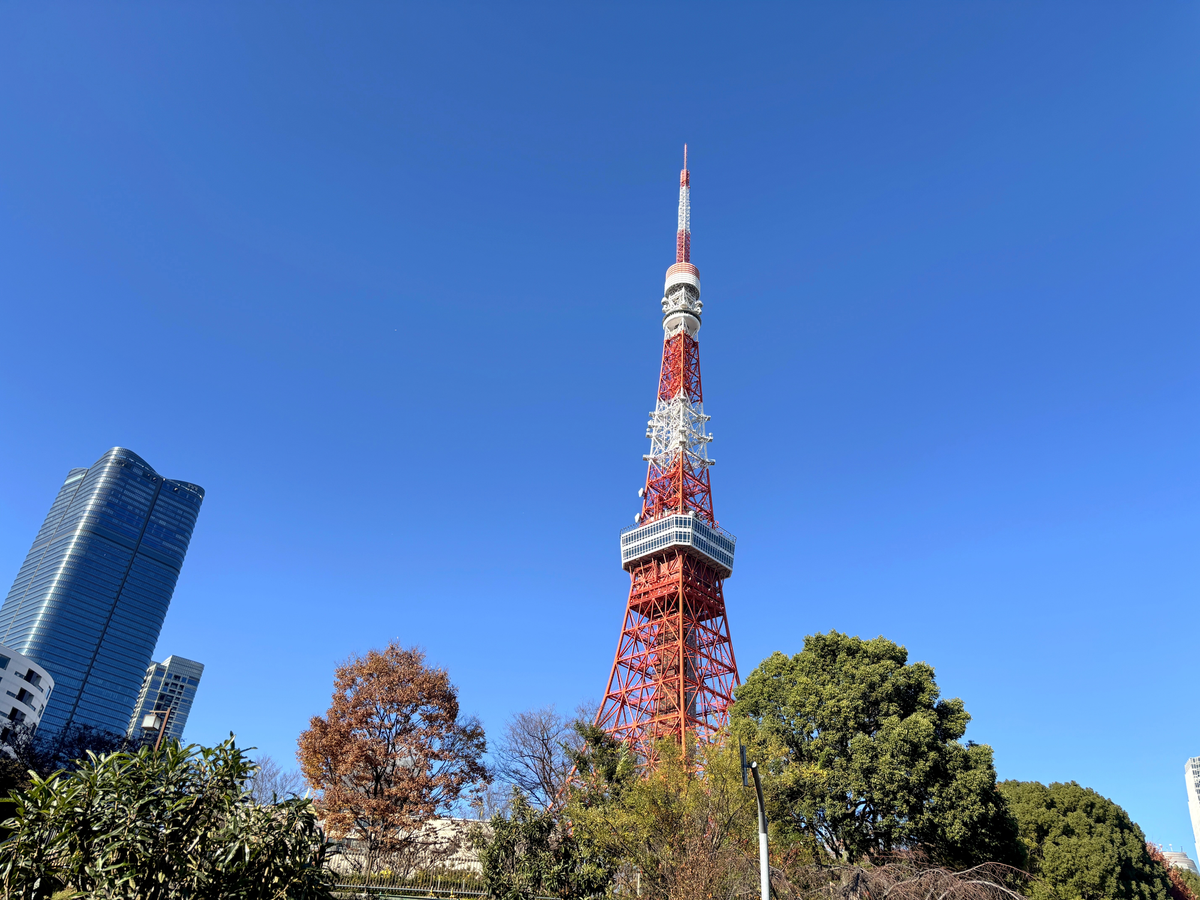
Tokyo Tower is a 333-meter red-and-white steel tower completed in 1958. It was originally built to broadcast television and radio signals. Today it is a tourist attraction with observation decks and souvenir shops.
Its shape resembles the Eiffel Tower in Paris, but Tokyo Tower is slightly taller (the Eiffel Tower is about 330 m). The Eiffel Tower is the older of the two, completed about 70 years before Tokyo Tower.
There are two observation decks: the 150-meter Main Deck and the 250-meter Top Deck. At the base of the tower is a building called "FootTown," which houses the ticket counter, souvenir shops, and a food court.
Ticket Types and Prices
There are two main ticket types.
- Main Deck
- Goes up to 150 m. No reservation needed; tickets can be bought on the spot.
- Top Deck Tour
- Covers both the 150 m Main Deck and the 250 m Top Deck. Entry is by reservation for a set time.
Prices are approximate as of November 2026.
| Ticket | Adult | High School Student | Elementary/Junior High Student | Child (Age 4 to Preschool) |
|---|---|---|---|---|
| Main Deck | ¥1,500 | ¥1,200 | ¥900 | ¥600 |
| Top Deck Tour (Online) | ¥3,300 | ¥3,100 | ¥2,100 | ¥1,500 |
| Top Deck Tour (Ticket Counter) | ¥3,500 | ¥3,300 | ¥2,300 | ¥1,700 |
The Top Deck Tour is 200 yen cheaper when booked online. Online booking accepts credit cards only; if you prefer to pay in cash, go to the ticket counter on the 1st floor of FootTown. Once you leave the building, the same ticket cannot be used to re-enter.
There is also the even higher "Tokyo Diamond Tour" (7,000 yen for adults, includes a private lounge). On weekends and public holidays, you can also walk up the outdoor stairs (about 600 steps) to the Main Deck (included with the Main Deck ticket at no extra charge).
Compare
Main deck only? Or the top deck tour?
Here are some selection guidelines based on our firsthand impressions.
150m
Main deck only
- At 1,500 yen for adults, it's a bargain.
- Walk in without a reservation
- Look down on Tokyo's cityscape up close
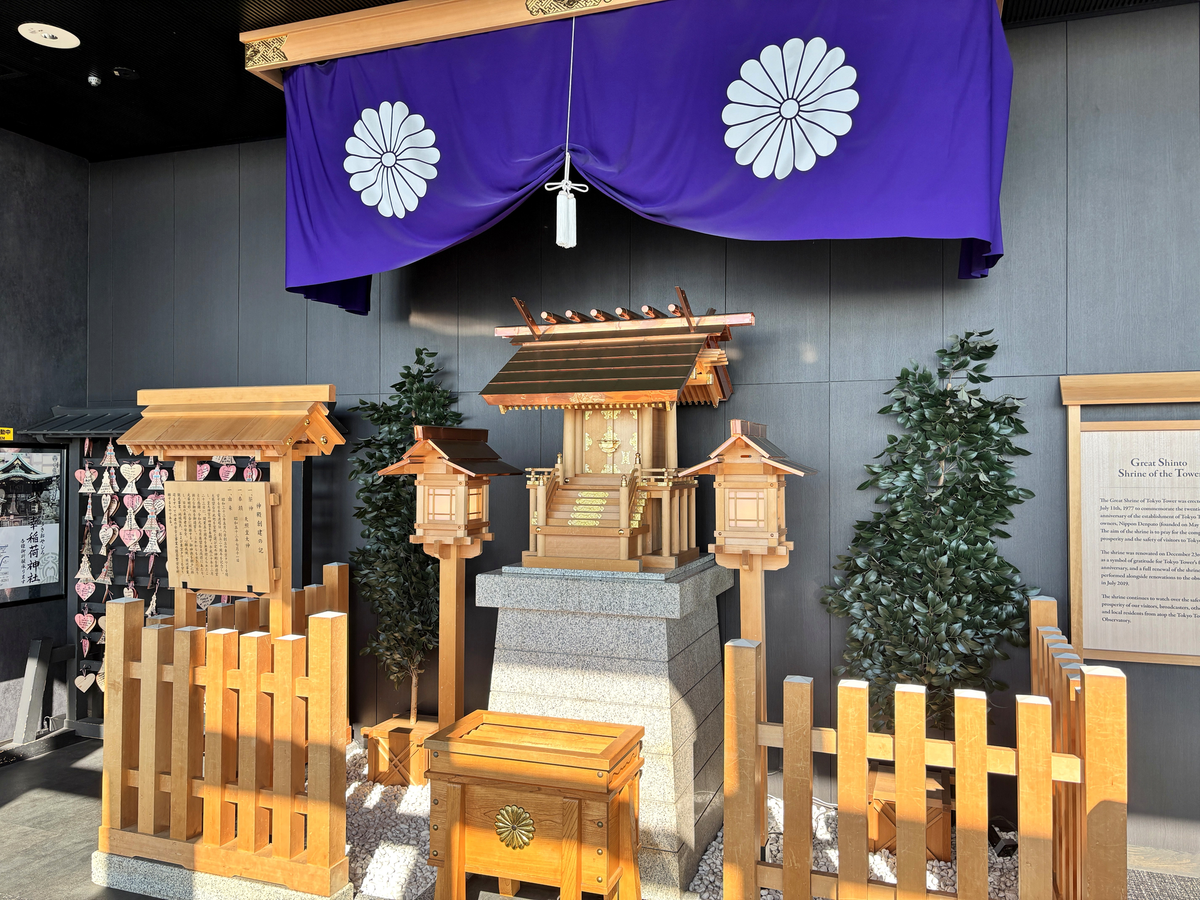
- Glass floor, shrine, and souvenir shop all in one place
- Can be toured in 30 to 40 minutes
150m + 250m
Top Deck Tour
- Adults: ¥3,300 (Web)
- Book a Set Time
- Views from 250 m Stretch to Mount Fuji and Tokyo Skytree
- Mirror-finished observation room, drinks, and commemorative photo card included
- Roughly 1 hour in total, including the main deck
First-time visitors should choose the Top Deck Tour. For an extra 1,800 yen, it adds a room on the tower's history, a room with a close-up view of the red steel framework, one drink, and a mirrored observation room. On windy days with wind speeds of 20 m/s or more, the Top Deck may be closed.
Main Deck (150 m)
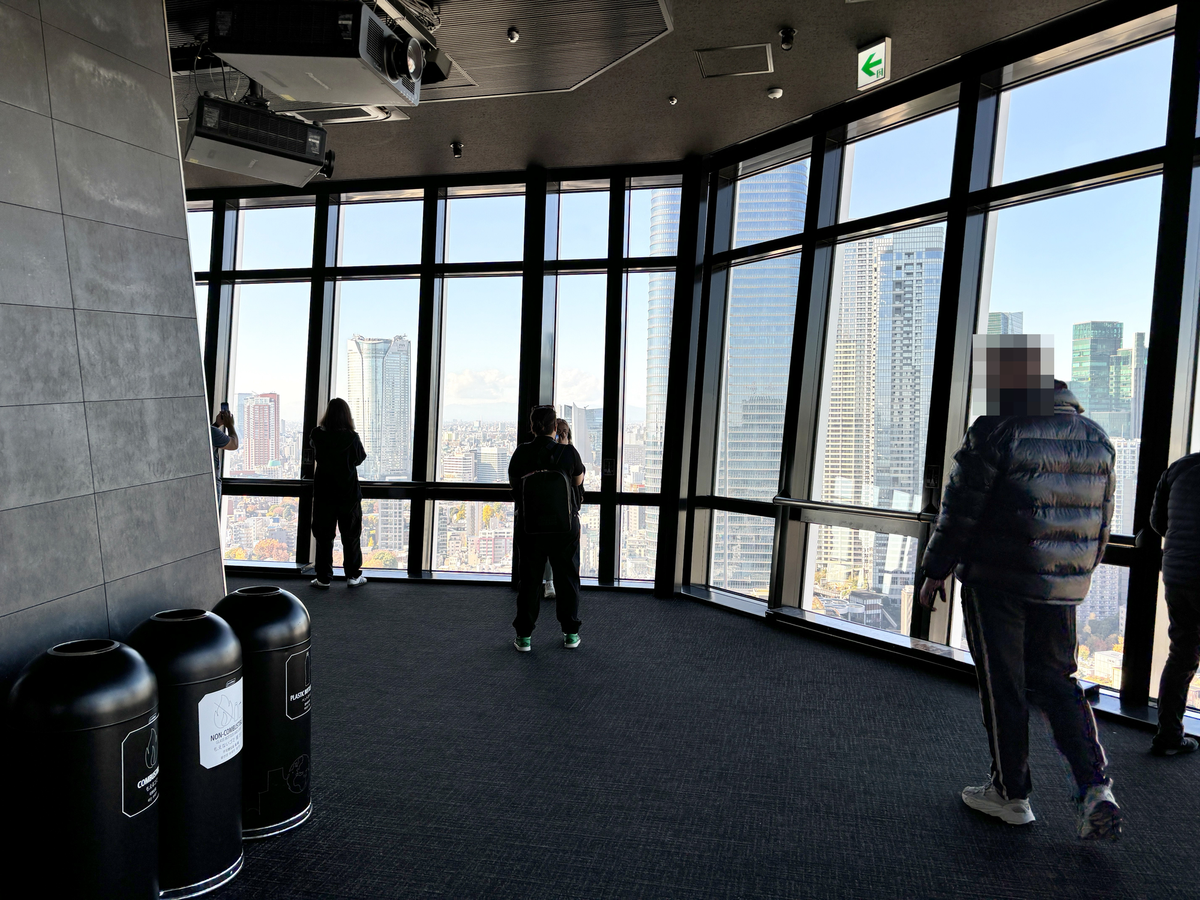
When you step out of the elevator, you arrive at the main deck. It has two levels: the upper level has viewing windows and a souvenir shop, while the lower level has a glass floor and a café.
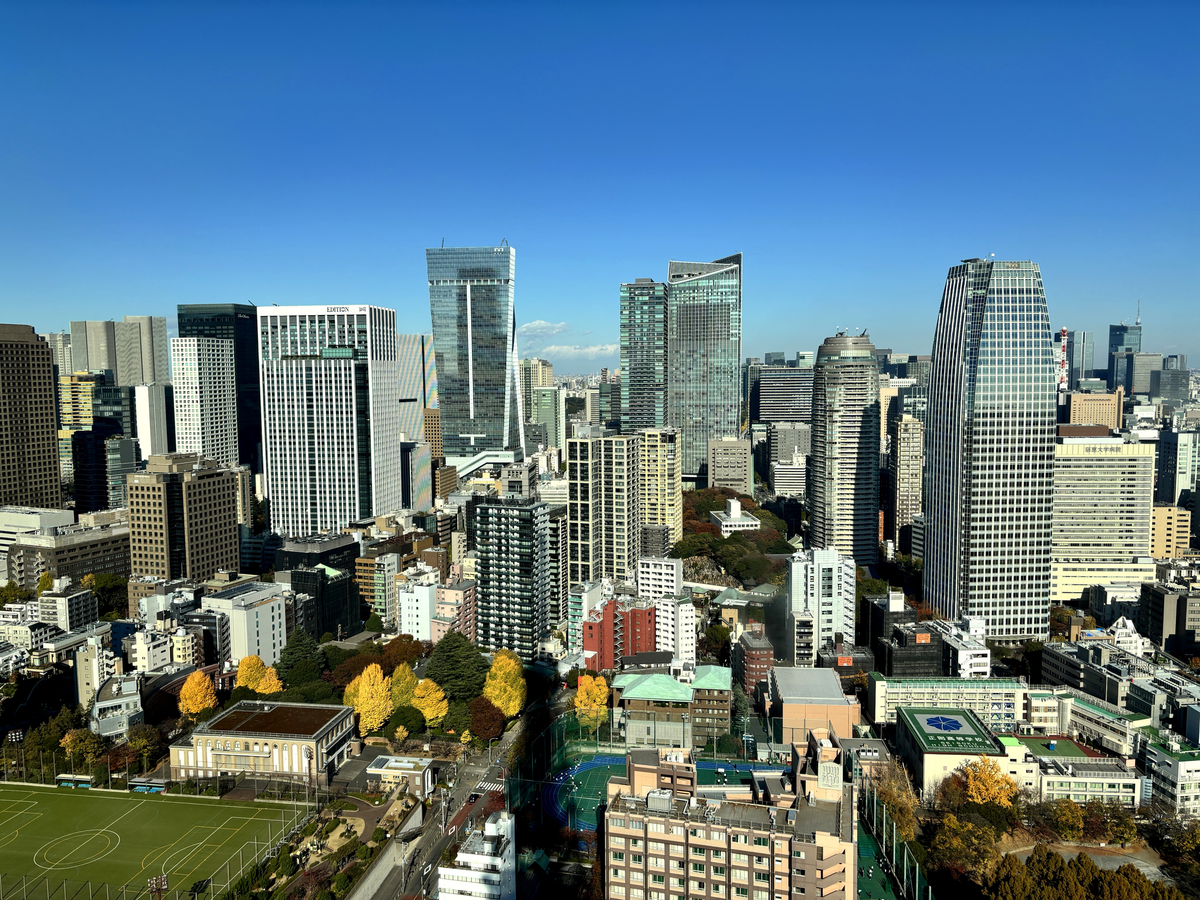
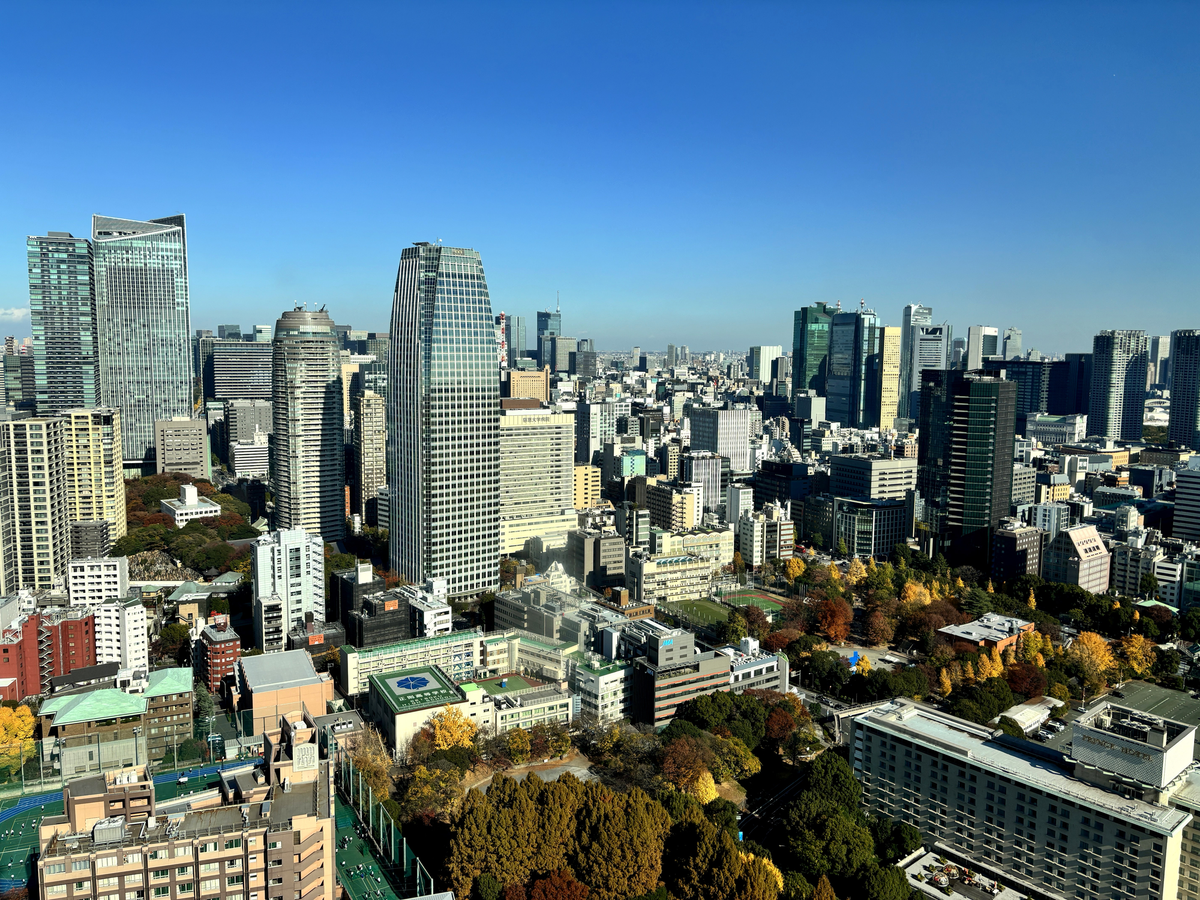
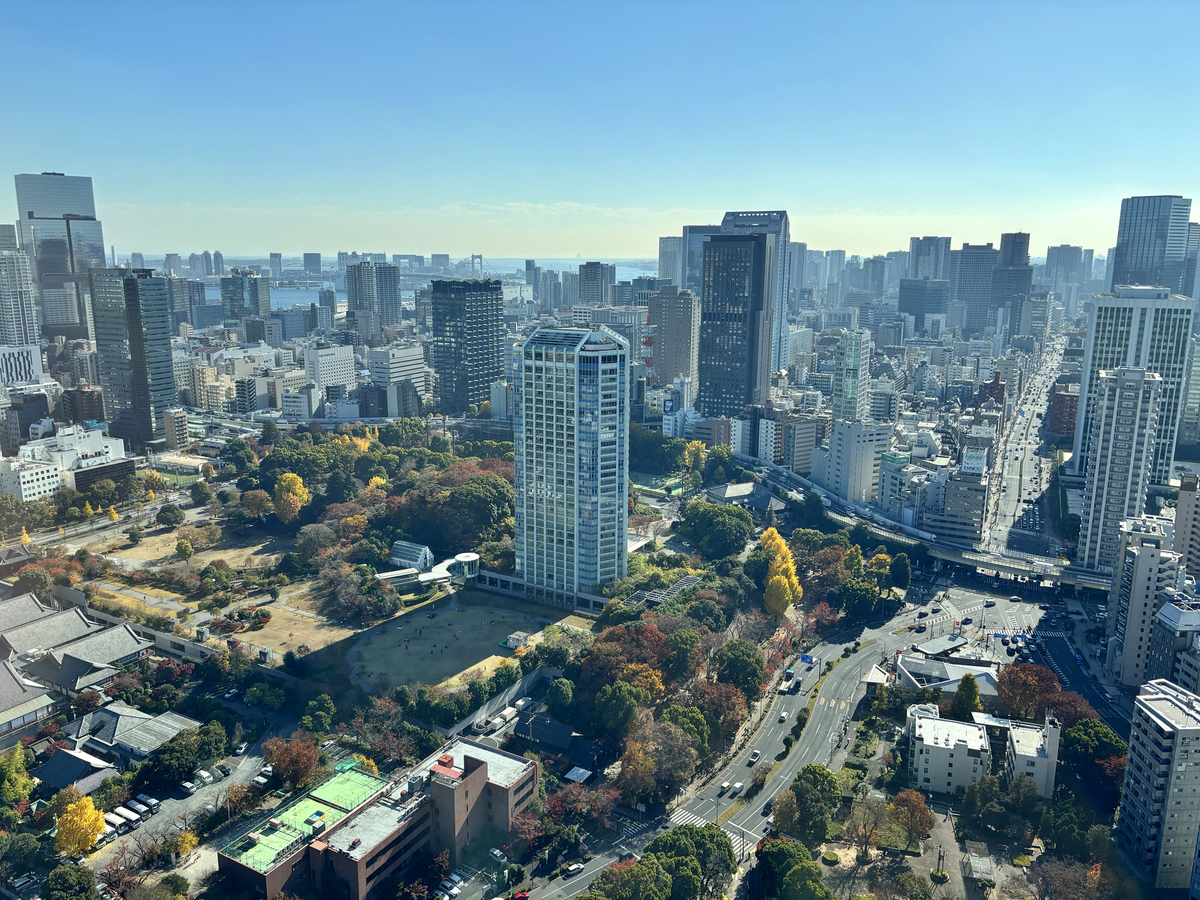
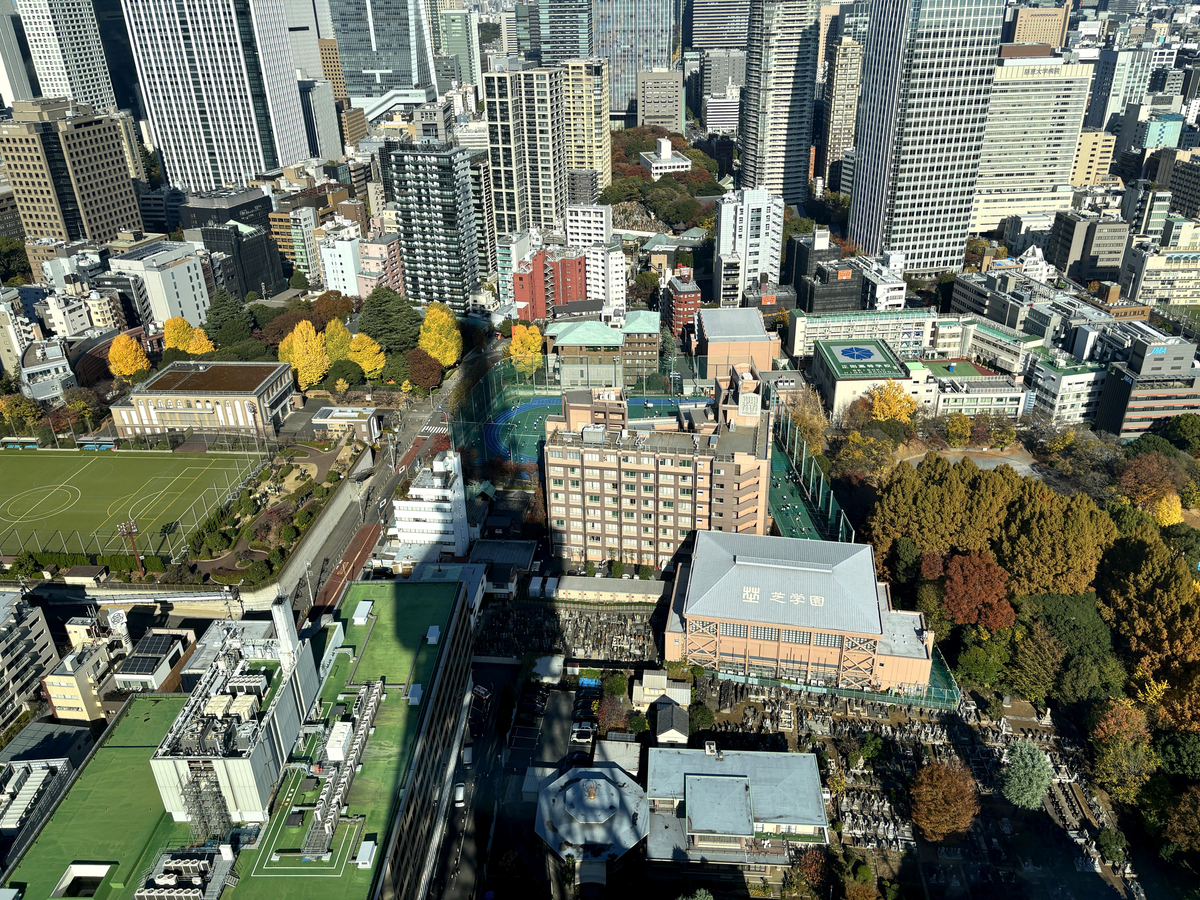
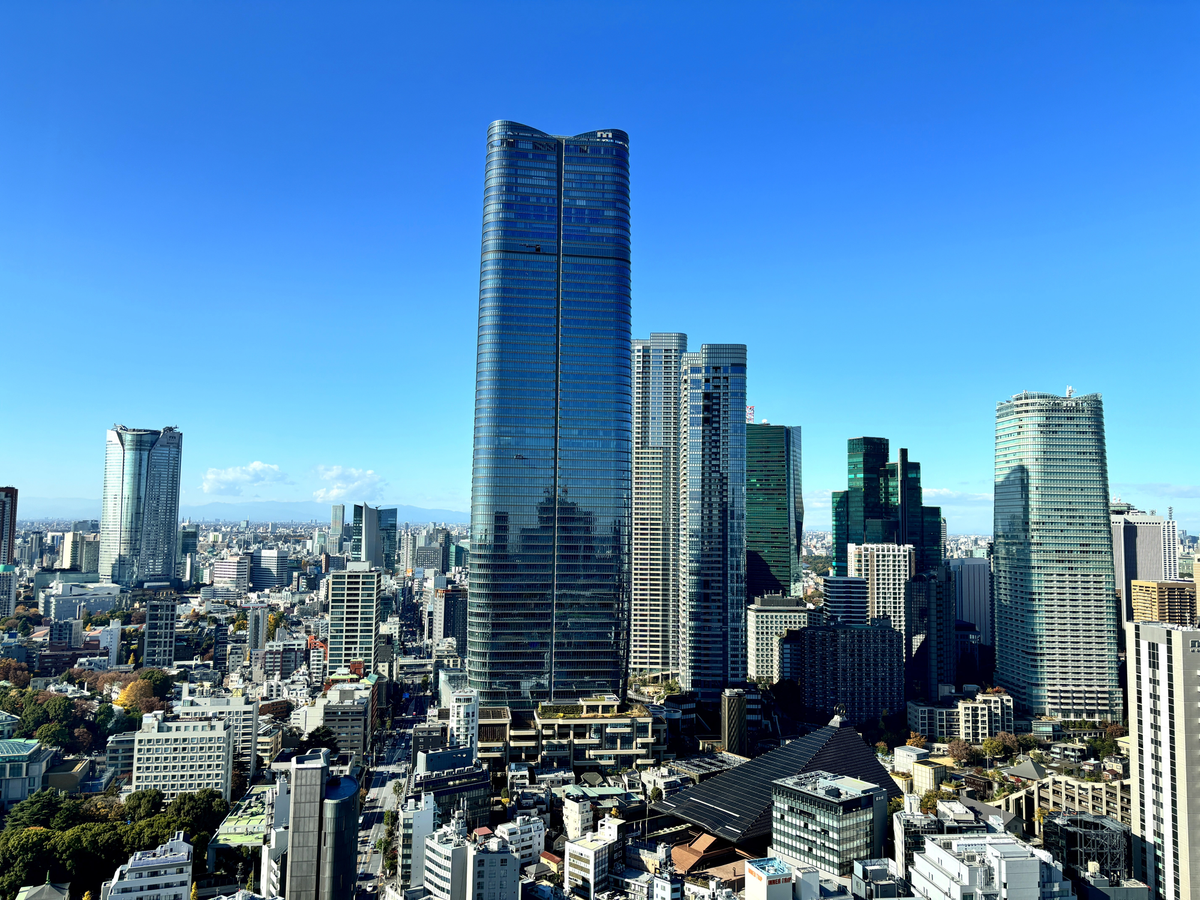
Outside the windows, Tokyo stretches out in a dense sea of buildings. At 150 m, the height is "not too high," so you can clearly make out cars on the roads and trees in the parks. Look down from the windows and you may also see the tower's shadow falling across the rooftops, a sight visible only on clear days.
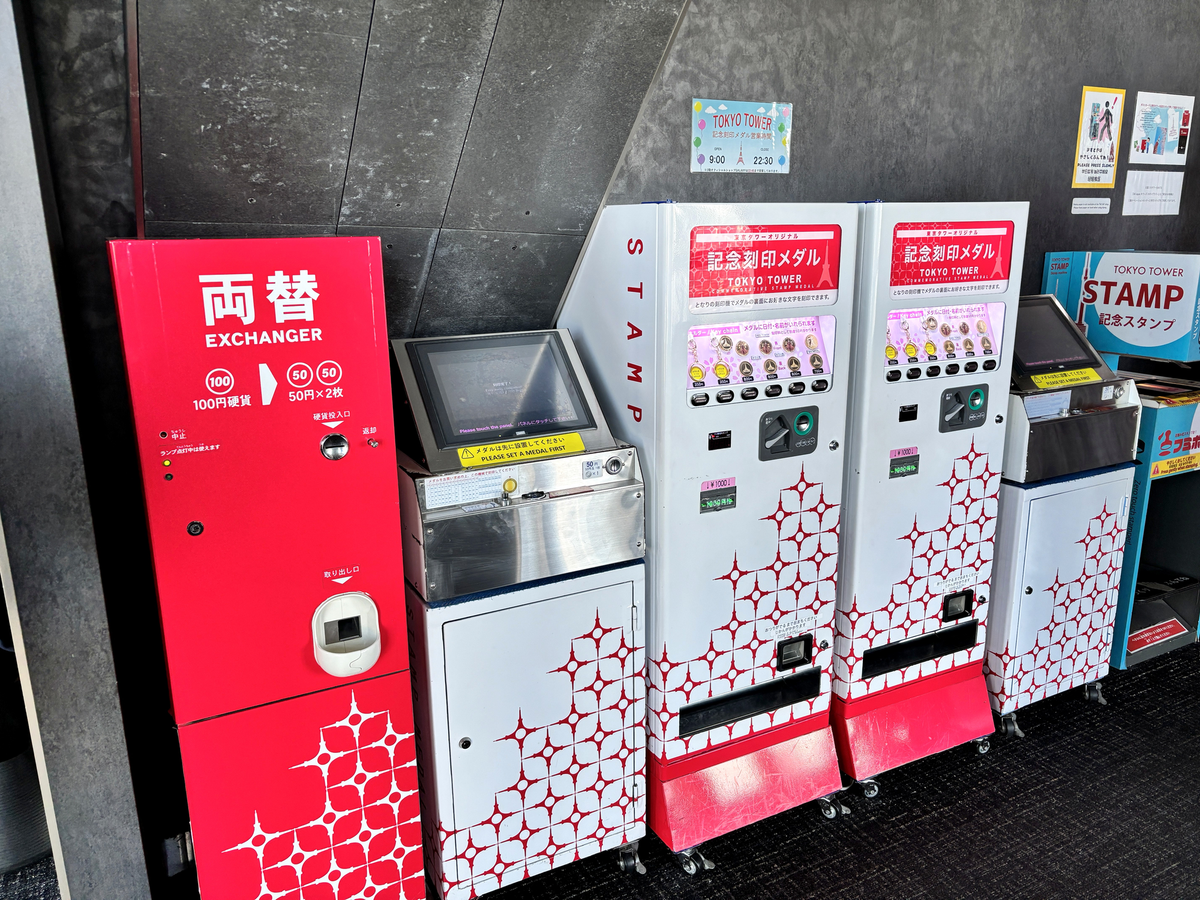
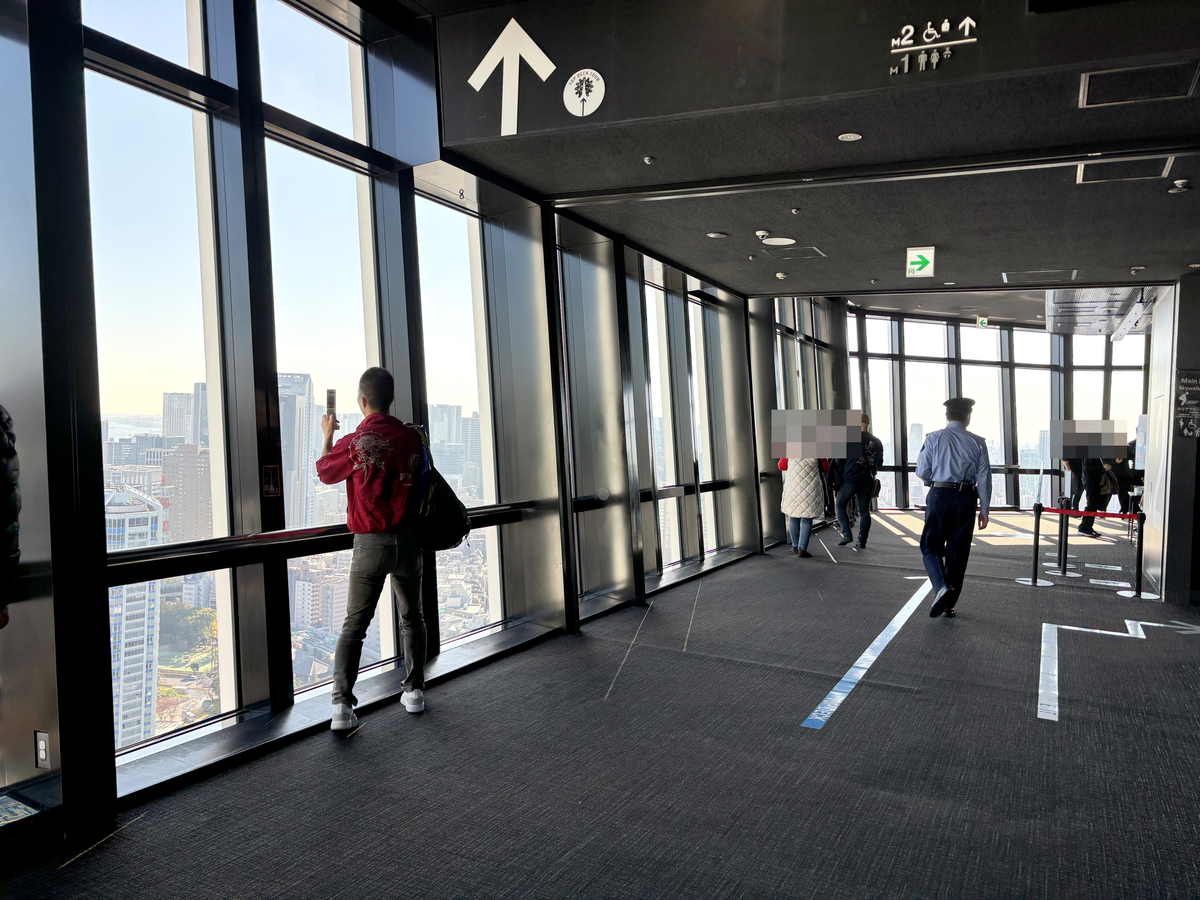
Top Deck Tour (250 m)
The Top Deck Tour begins with a meeting at a designated entrance on the Main Deck. You don't go straight up to 250 m; there are several rooms along the way.
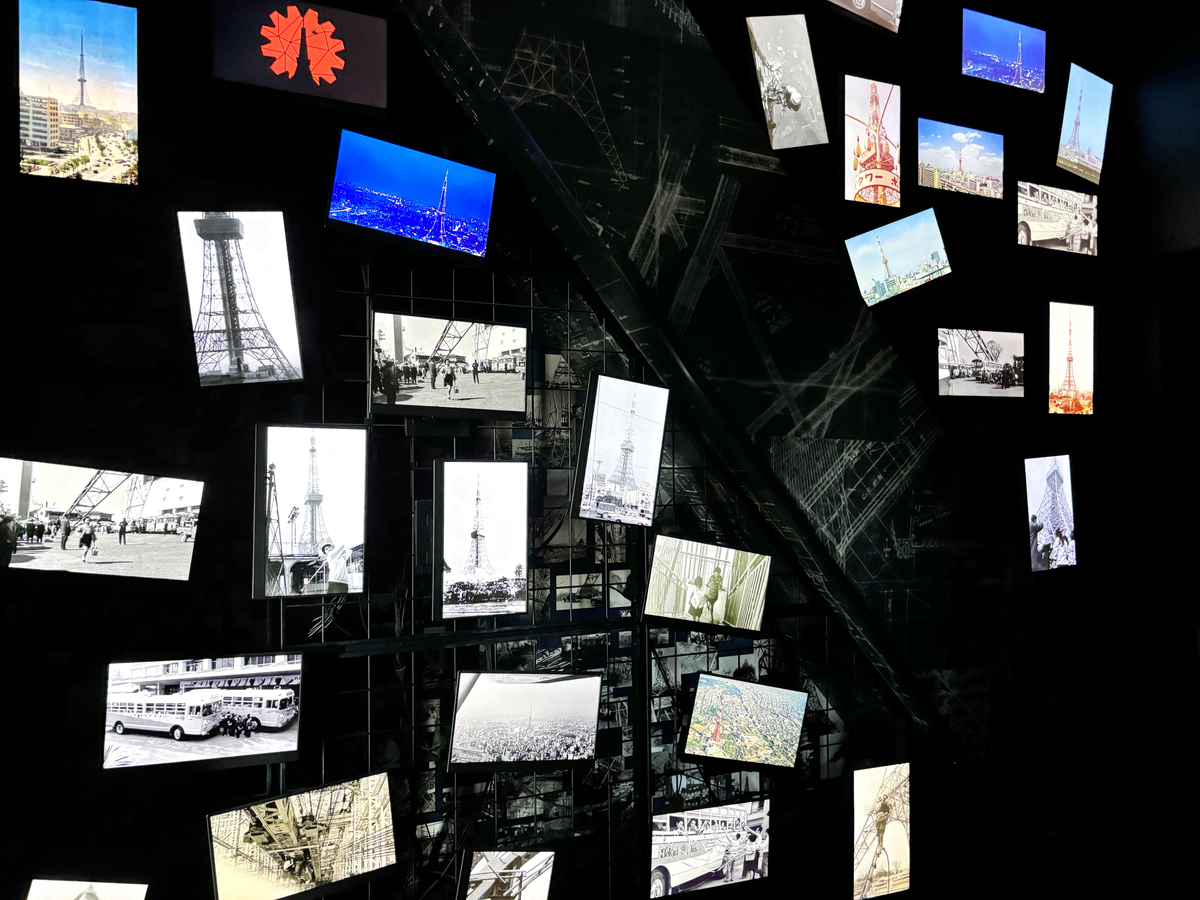
First Room: The History of Tokyo Tower
The first room is "Tower Archives." On 59 screens, photos and footage play from the time Tokyo Tower was first built.
A Room with a View of the Red Steel Frame, and a Welcome Drink
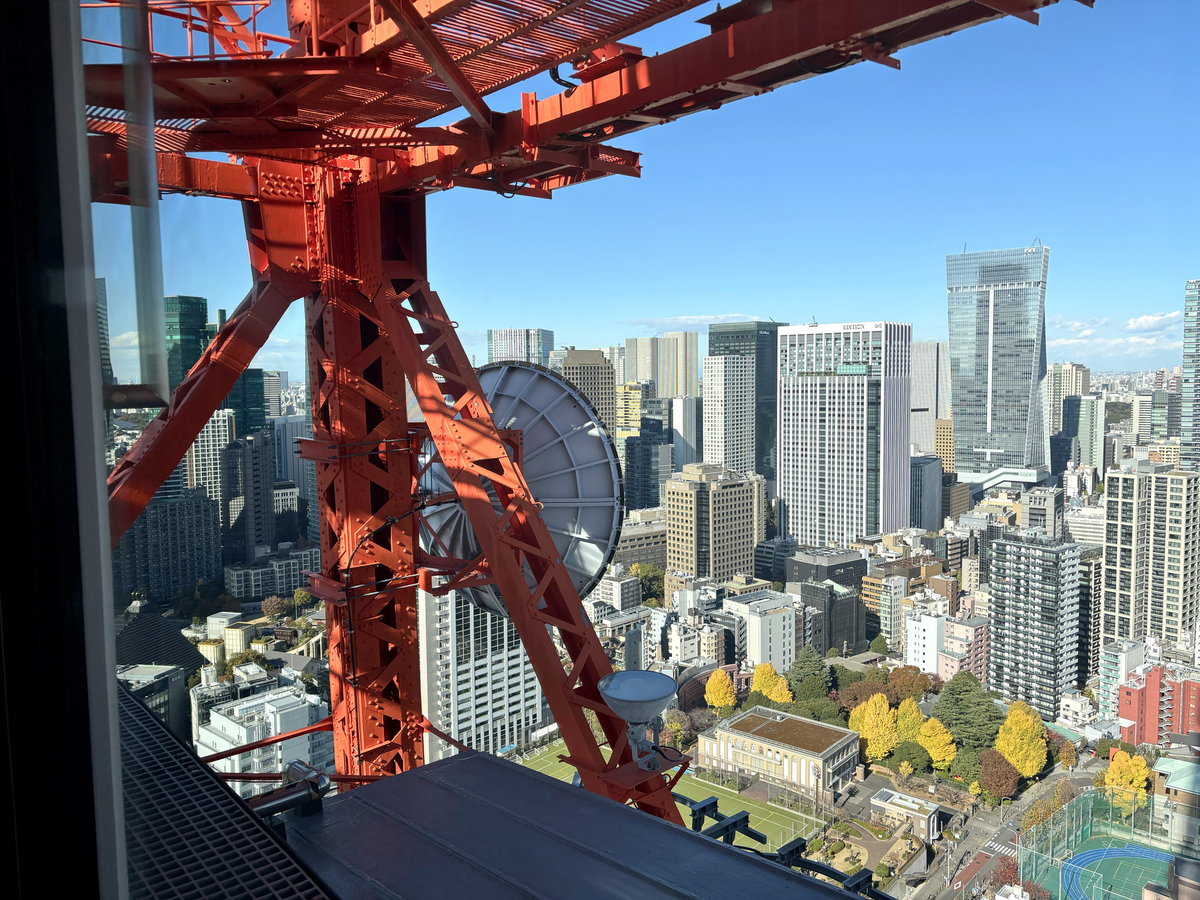
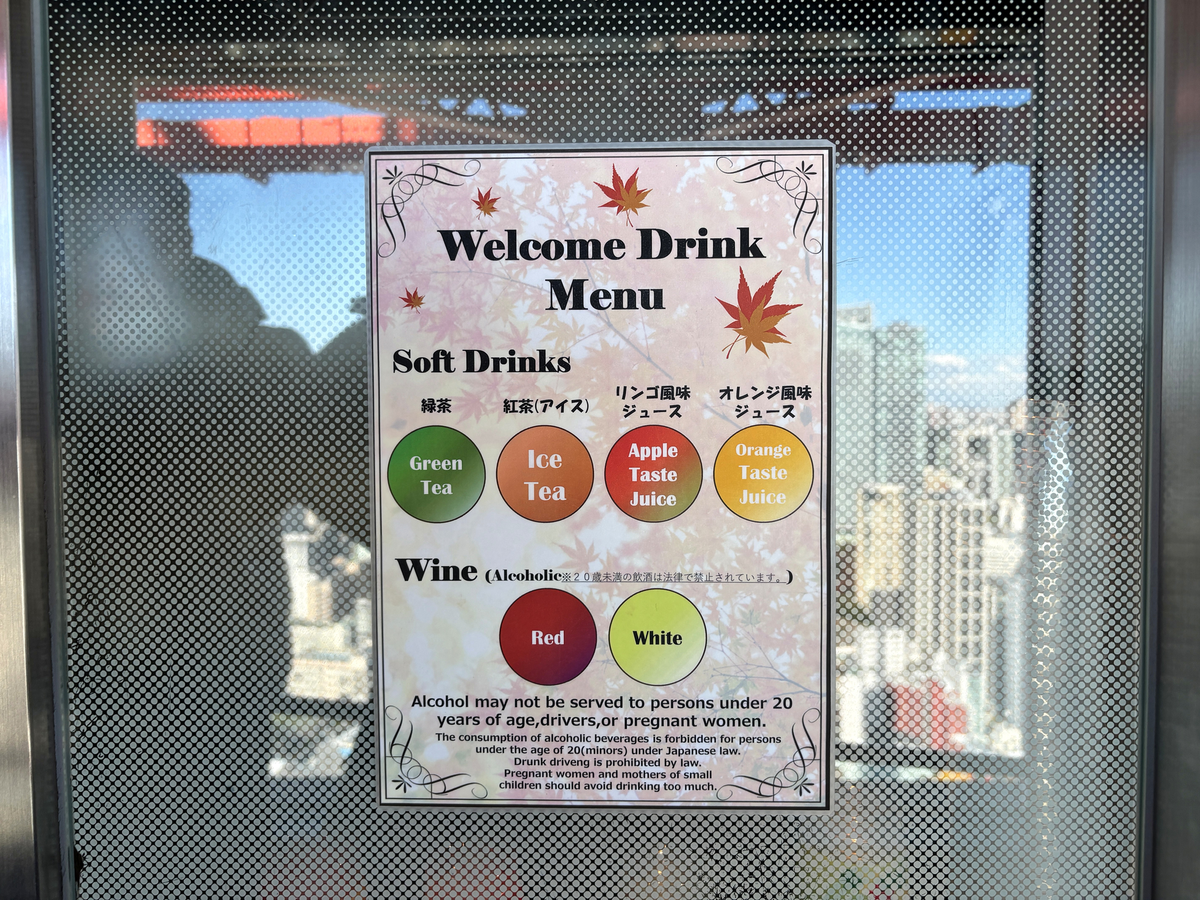
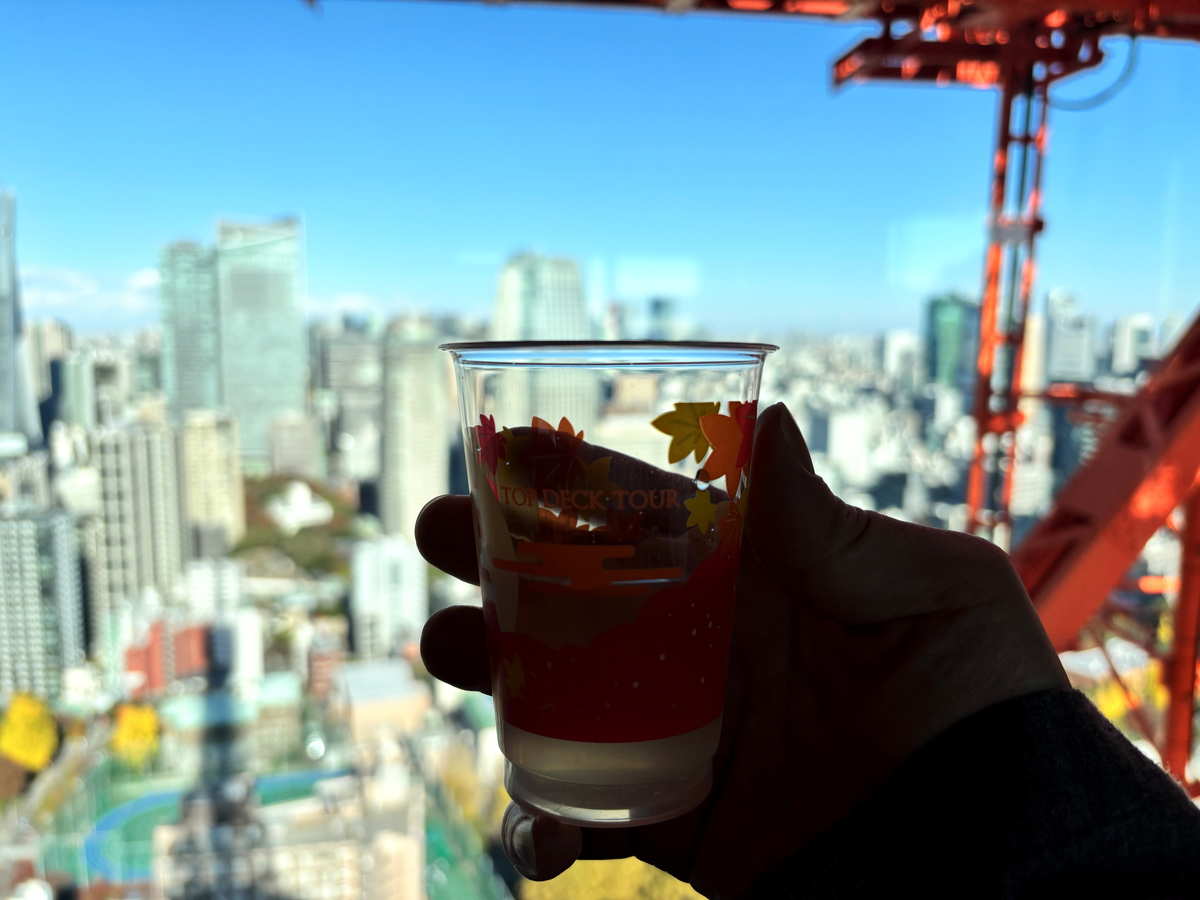
In the next room, red steel beams are visible just outside the window. This was the spot that most made visitors feel they were "inside" the tower. A complimentary drink is available here.
250m Top Deck
Finally, take the elevator up to 250 m. The top deck's ceiling and walls are covered in mirror-like panels, so the view reflects up, down, left, and right. It feels less like an observation deck than a room filled with light.
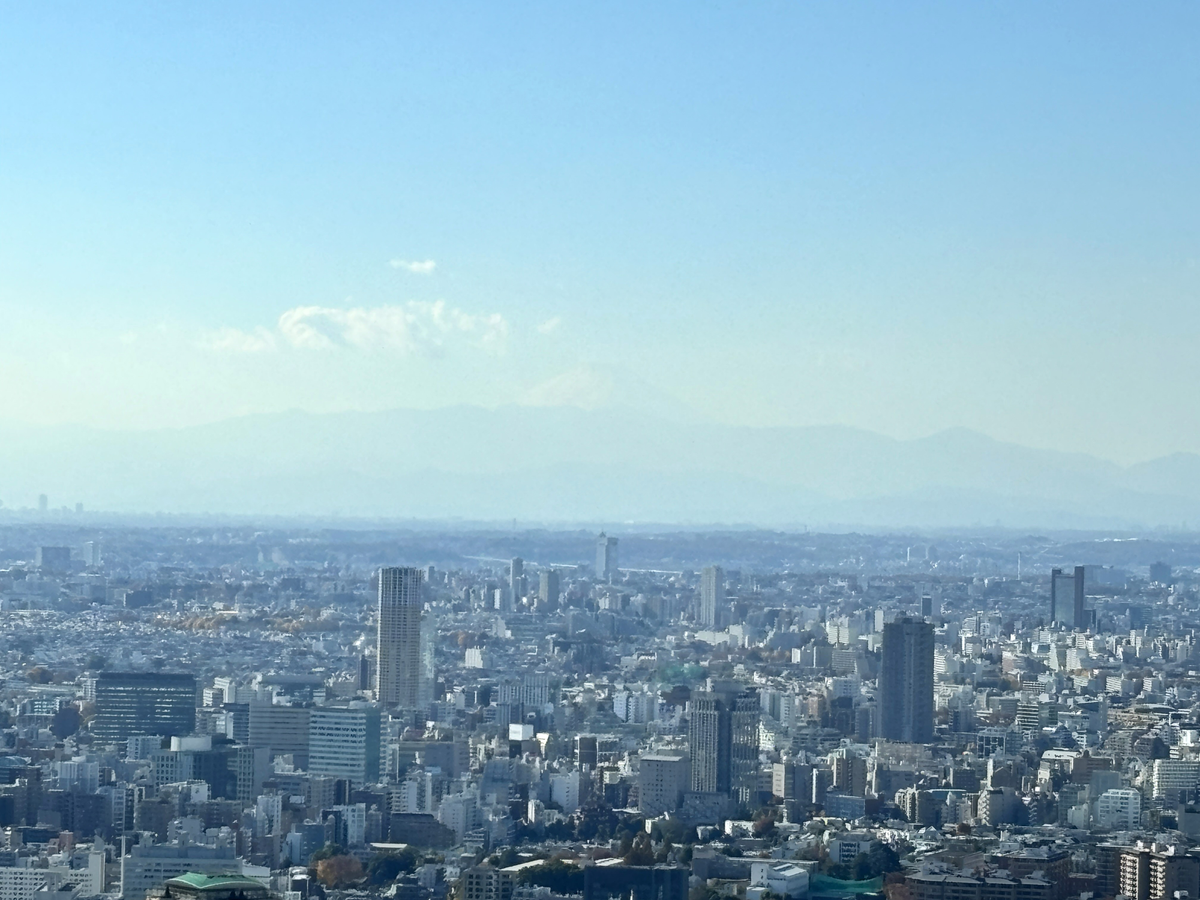
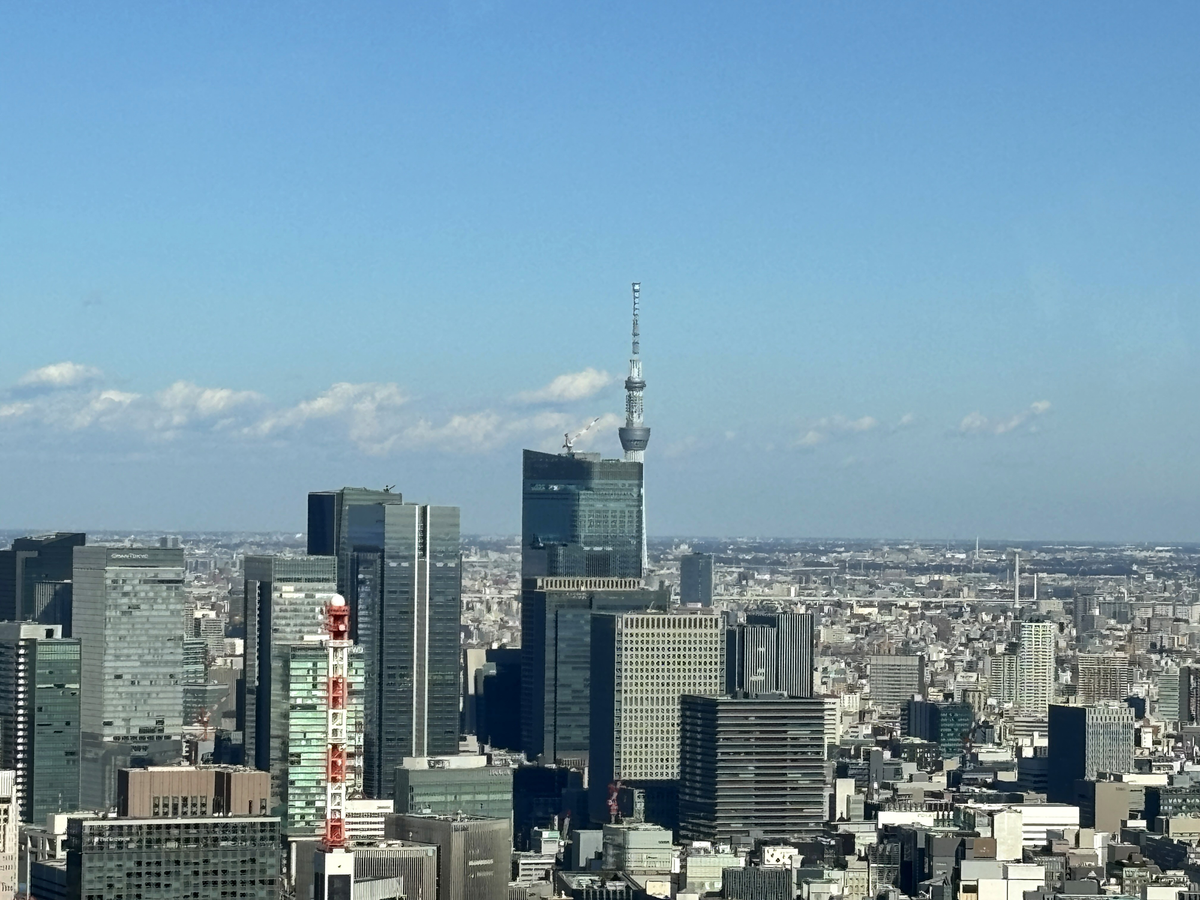
At 250 m, the view stretches far into the distance. On a clear day, you can see Mt. Fuji, and Tokyo Skytree to the northeast. On the day we visited, Mt. Fuji was faintly visible.
Glass Floor "Skywalk Window"
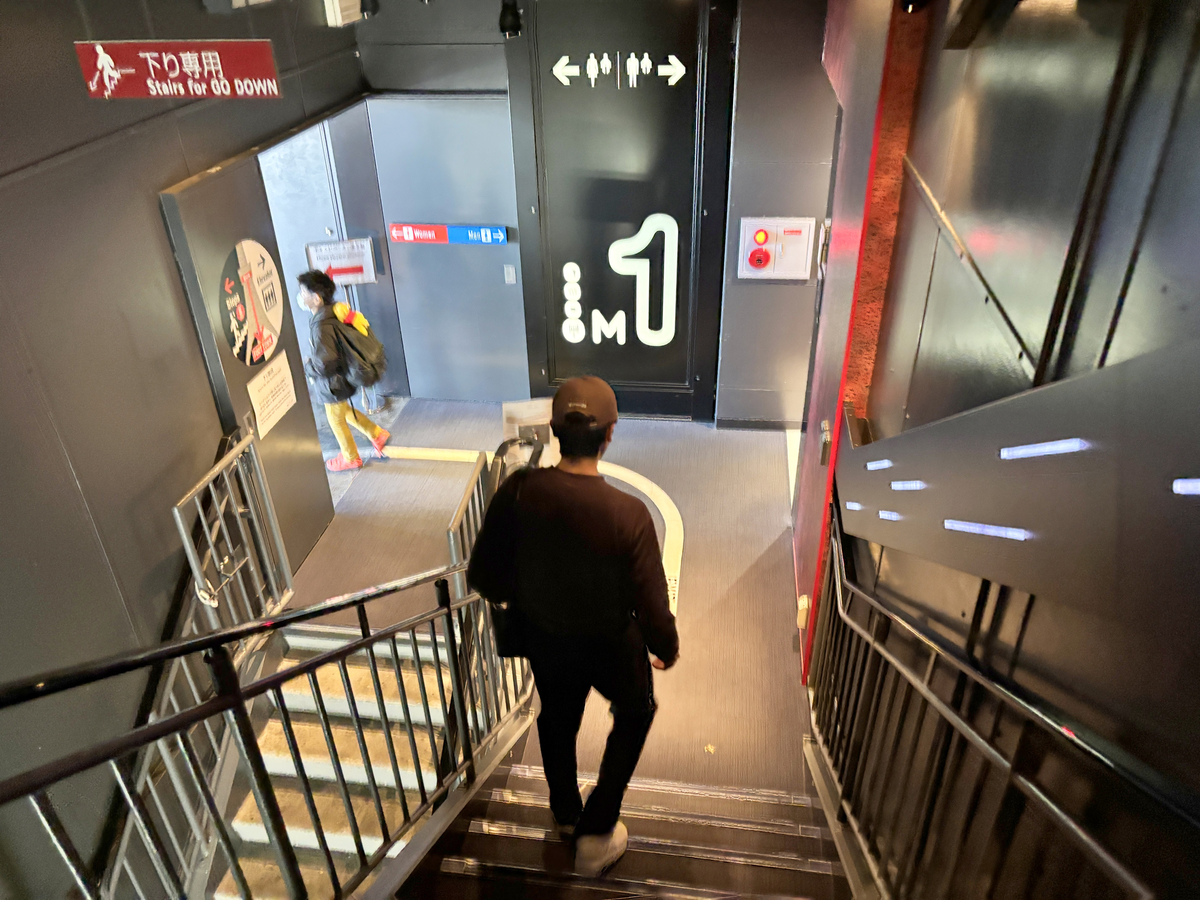
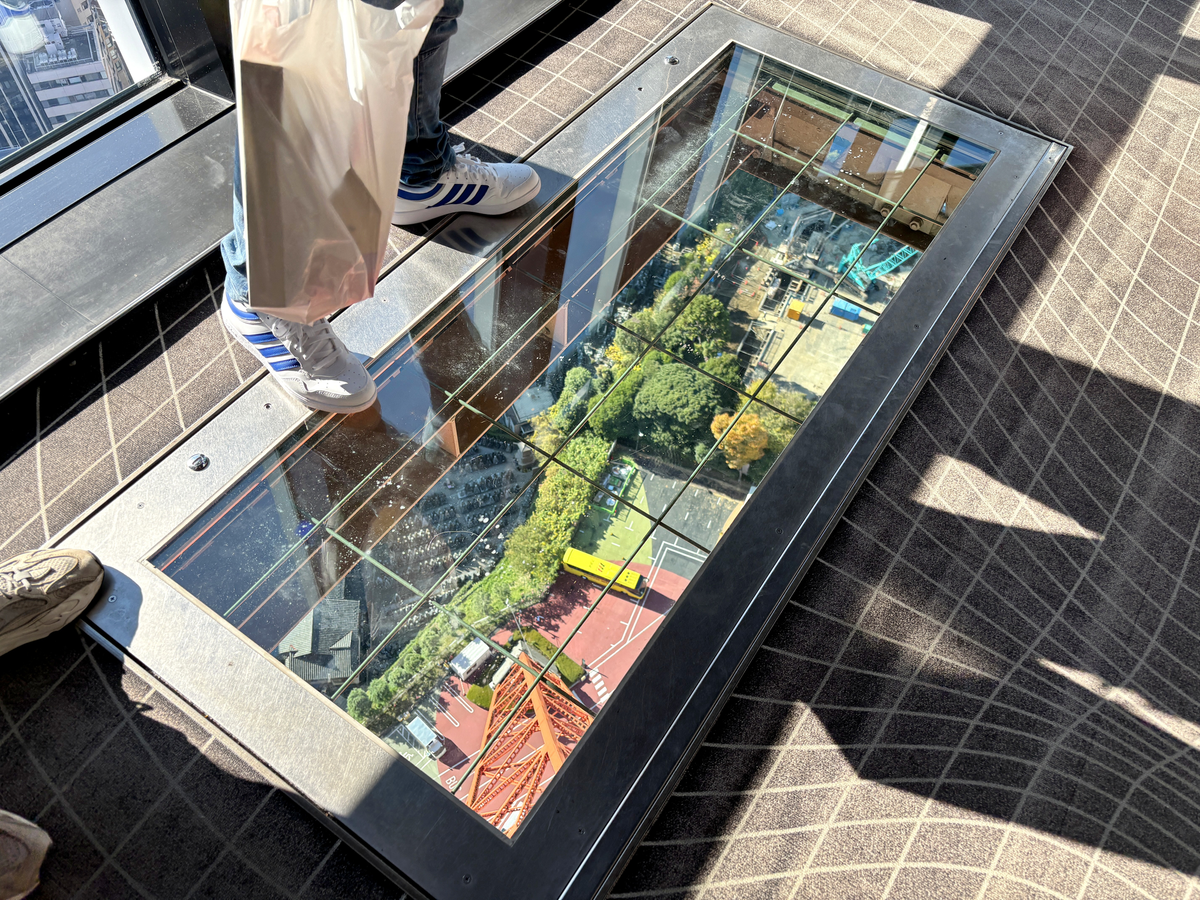
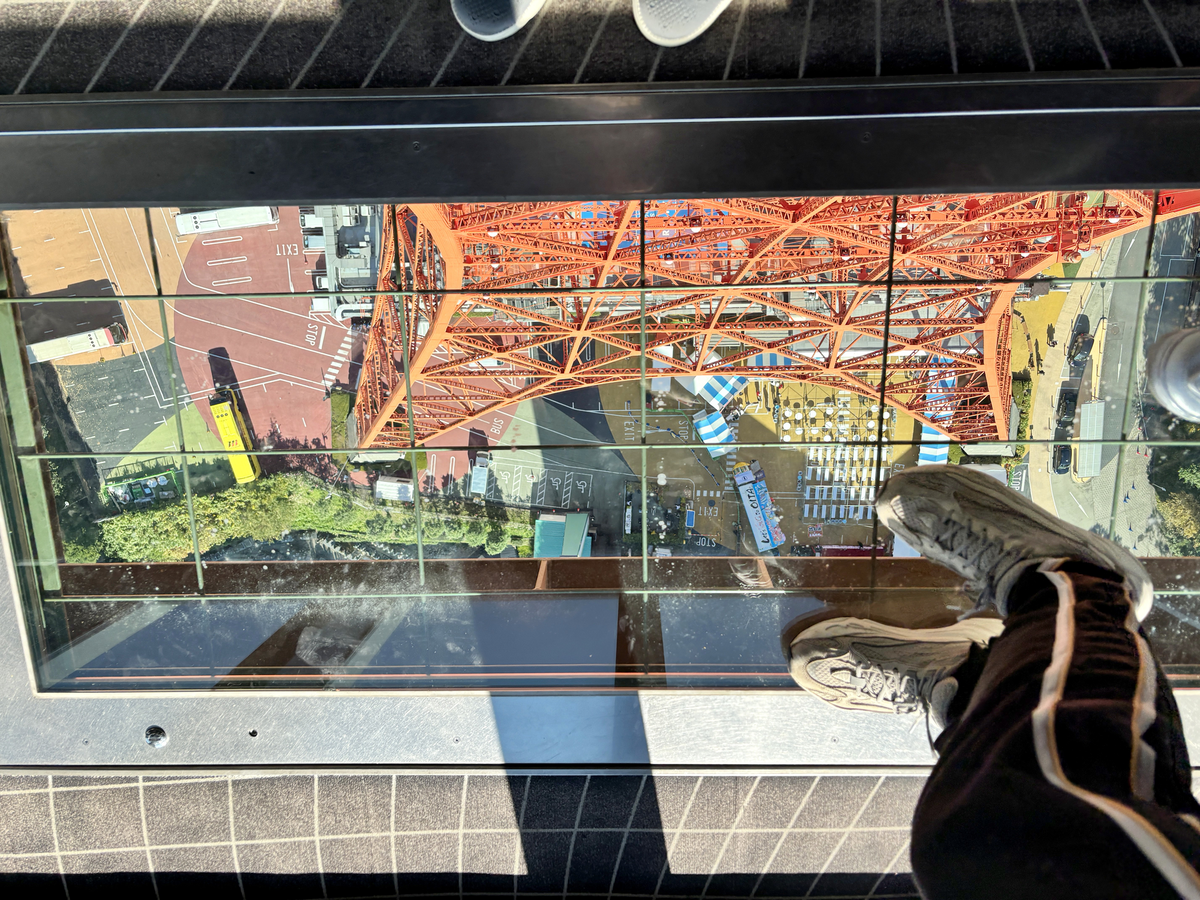
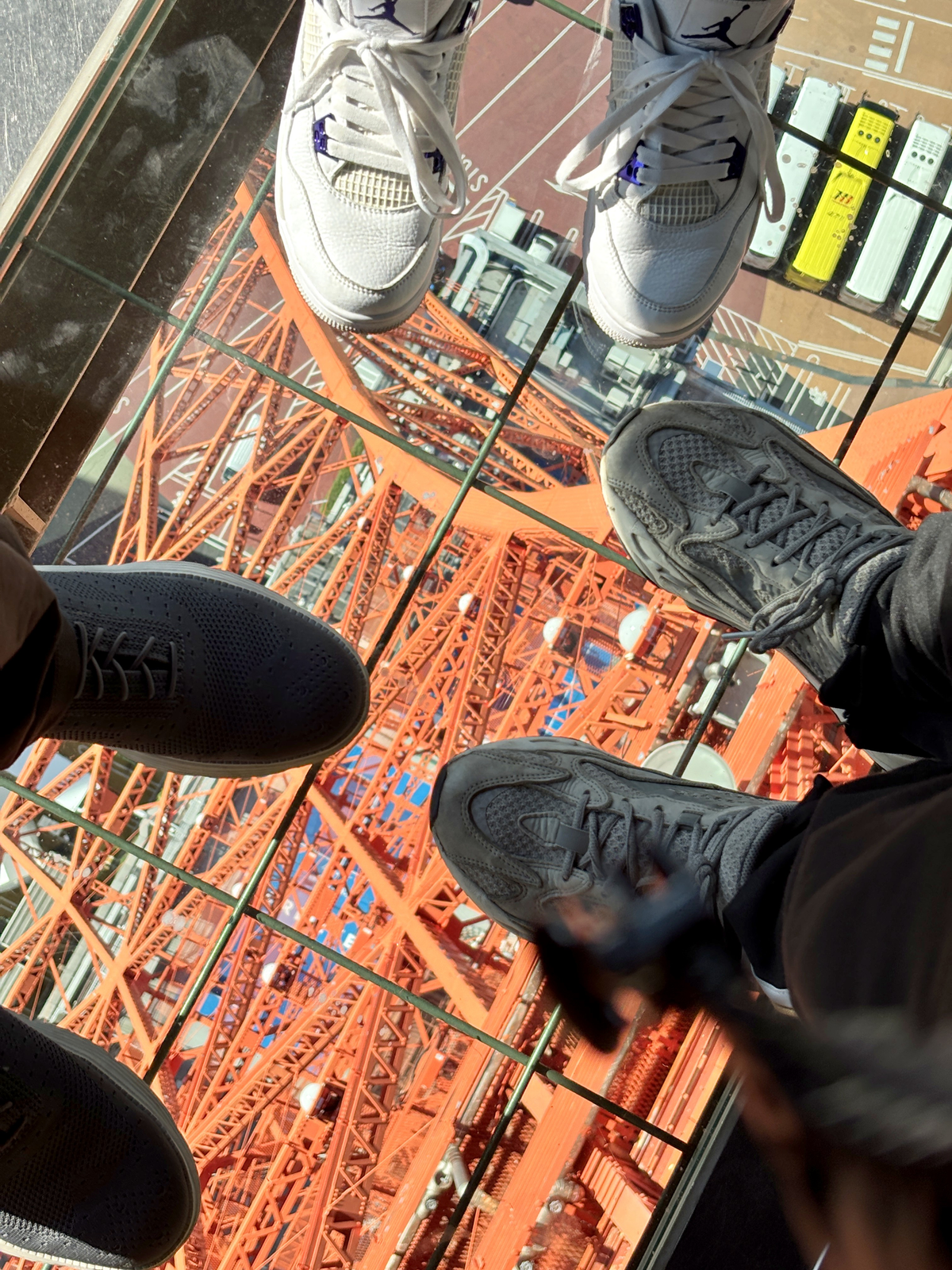
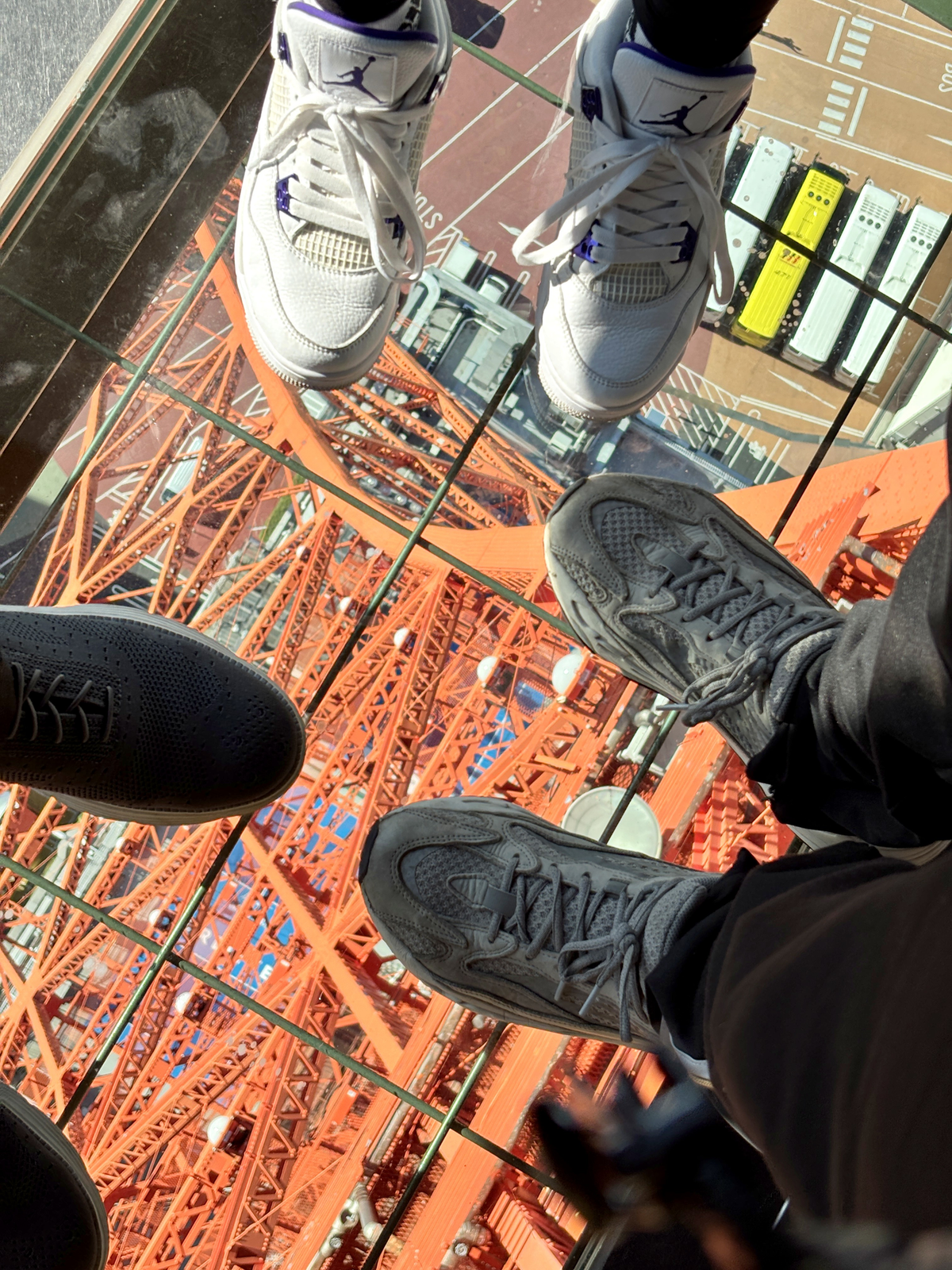
After returning from the Top Deck, head to the "Skywalk Window" on the 1st floor of the Main Deck. Part of the floor is made of glass, letting you look straight down from a height of 145 m.
Standing on the glass, you can see the road and cars far below your feet. Even if you know it's safe, the first step is a little scary. A Main Deck ticket alone is enough to access it.
Souvenirs and Dining at Foot Town
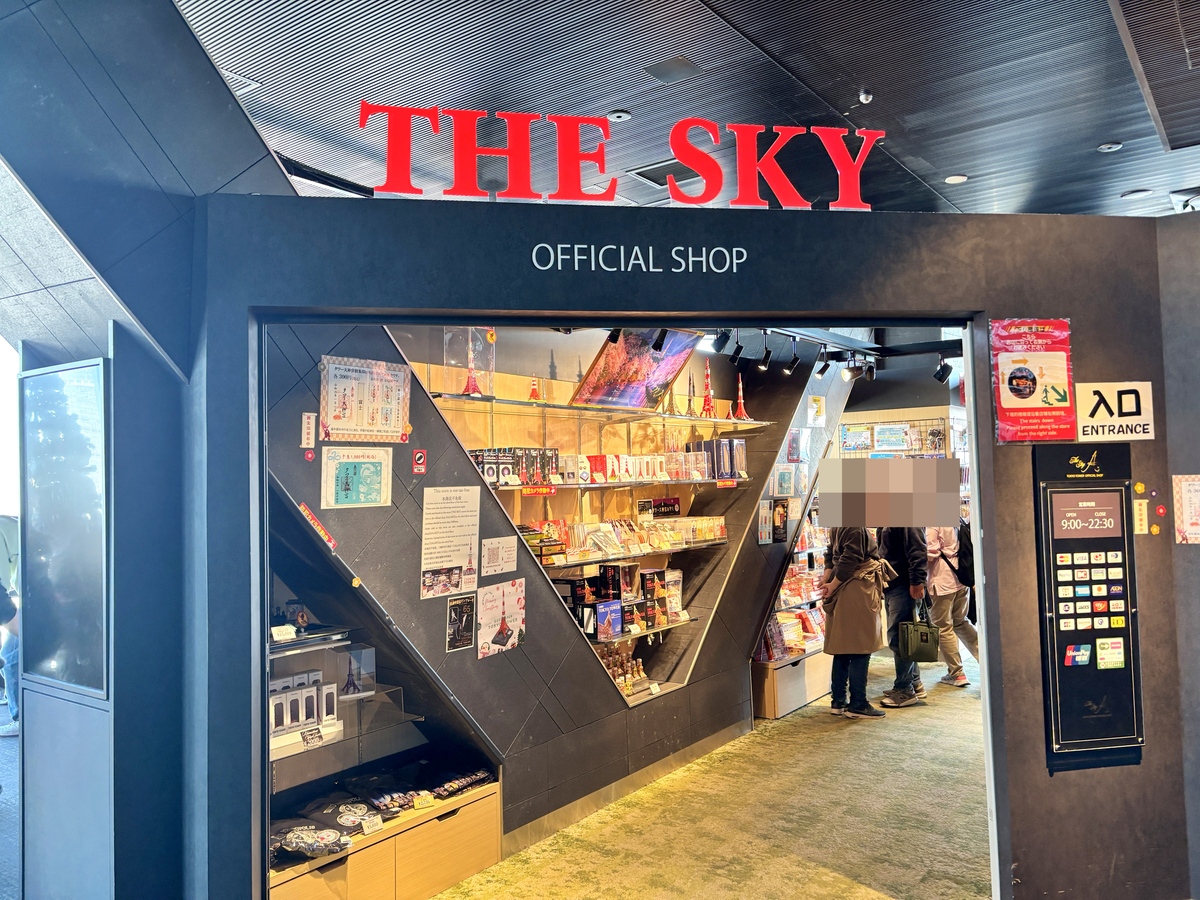
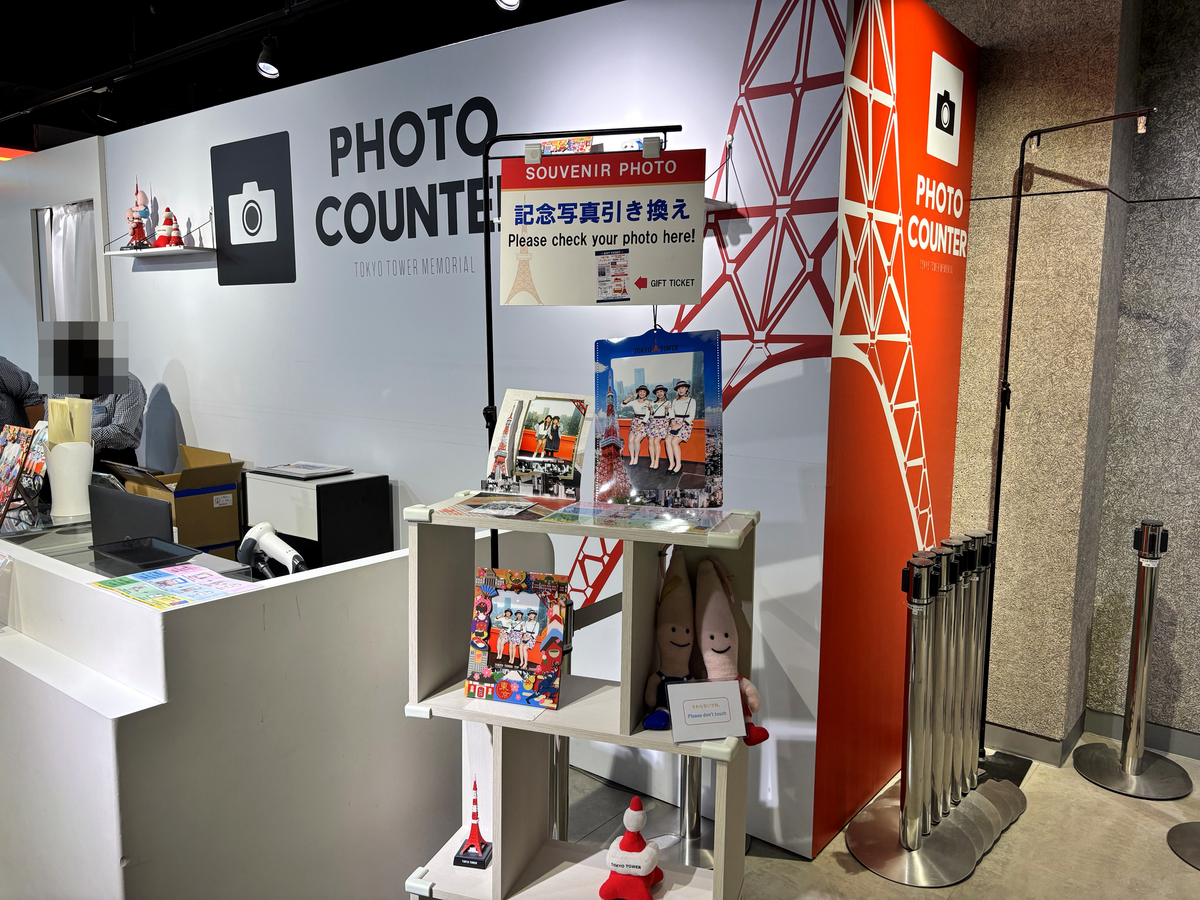
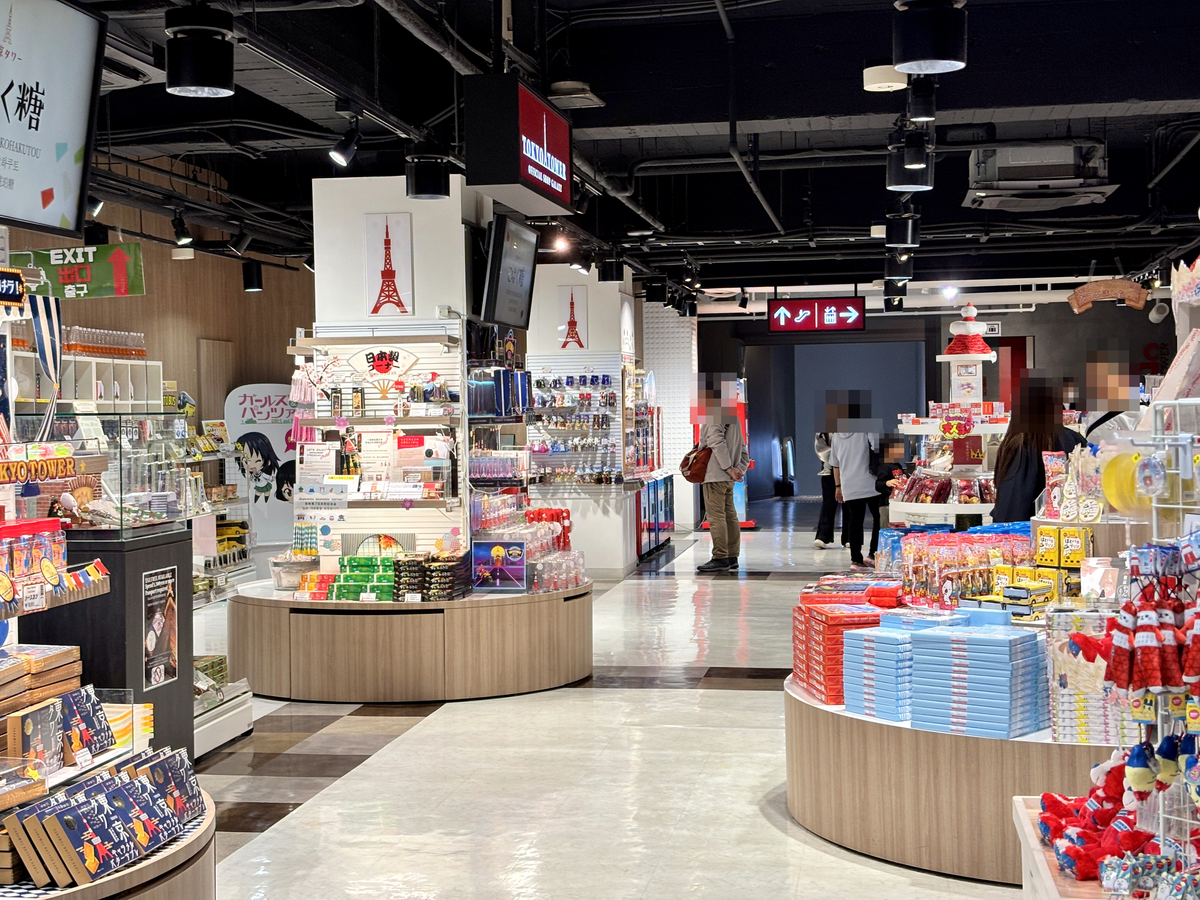
Foot Town, the building at the base of the tower, has a ticket counter and coin lockers on the 1st floor, a food court on the 2nd floor, and an official souvenir shop on the 3rd floor.
The souvenir selection is extensive, including sweets and key chains shaped like Tokyo Tower. You can enter without going up to the observatory.
Time Spent at Tokyo Tower
We went through the Main Deck, the Top Deck Tour, the glass floor, and then the souvenir shop, spending about an hour at the observatory. If you add shopping and dining at Foot Town, allow 1.5 to 2 hours to be safe.
The Main Deck alone takes 30 to 40 minutes. The Top Deck Tour starts at your reserved time, so visiting the Main Deck before or after it keeps waiting to a minimum. Hours are 9:00 to 23:00 (last entry to the Main Deck at 22:30), so you can go up in the evening.
Route
How to Get to Tokyo Tower
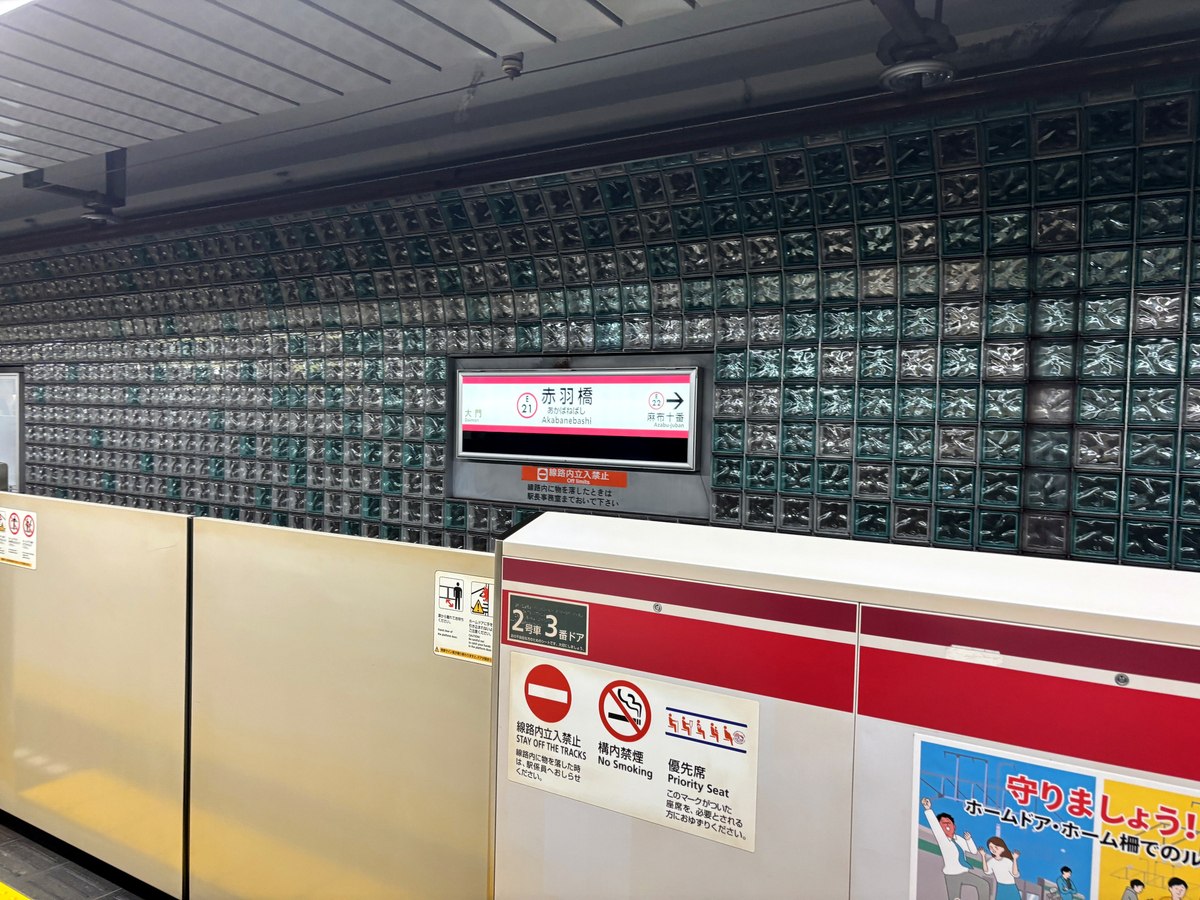
The closest station is Akabanebashi Station on the Toei Oedo Line. On the way back, the writers walked past Shiba Park to reach Akabanebashi Station.
Walk from Akabanebashi Station (the closest)
- Akabanebashi Station (Toei Oedo Line)On footAbout 5 minutes
- Tokyo Tower
Walking from Kamiyacho Station
- Kamiyacho Station (Tokyo Metro Hibiya Line), Exit 1On footAbout 7 minutes
- Tokyo Tower
Walking from Onarimon Station (convenient if you're stopping by Zojoji Temple)
- Onarimon Station (Toei Mita Line), Exit A1On footAbout 6 min
- Tokyo Tower
Walking from JR Hamamatsucho Station
- Hamamatsucho Station (JR Yamanote Line, etc.)On footAbout 15 minutes
- Tokyo Tower
It's about a 10-minute walk from Daimon Station (Asakusa and Oedo Lines) or Shibakoen Station (Mita Line). If you walk from Daimon Station, you'll pass in front of Zojoji Temple.
Tokyo Skytree or Something Else: Which Should You Visit?
Tokyo has two major towers: Tokyo Tower (333 m) and Tokyo Skytree (634 m). Having been up both, here is our take.
- If you want to see Tokyo from as high up as possible, choose Tokyo Skytree. Its observation decks sit at 350 m and 450 m, and the views are vast in scale.
- If you want to see the details of the city up close, choose Tokyo Tower. The city feels close, and you can pick out cars and even trees in the parks. From the 250 m deck, we could also see Skytree in the distance.
Skytree is the tower for looking far into the distance, while Tokyo Tower is the one for seeing the city and the tower itself up close. The experiences differ, so if you have time, we recommend both. Our Skytree article is collected in the Tokyo Skytree Observation Deck Guide.
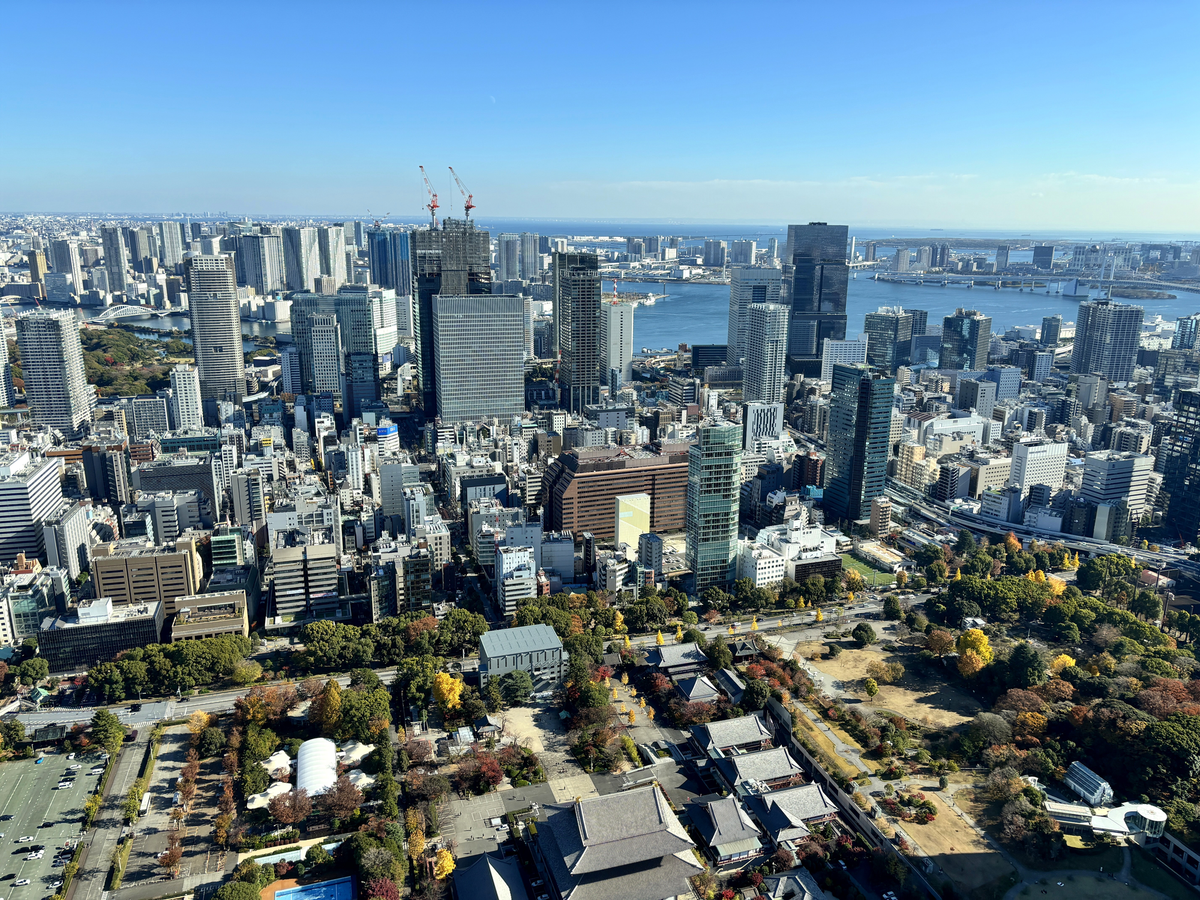
Zojo-ji Temple as Seen from the Observation Deck
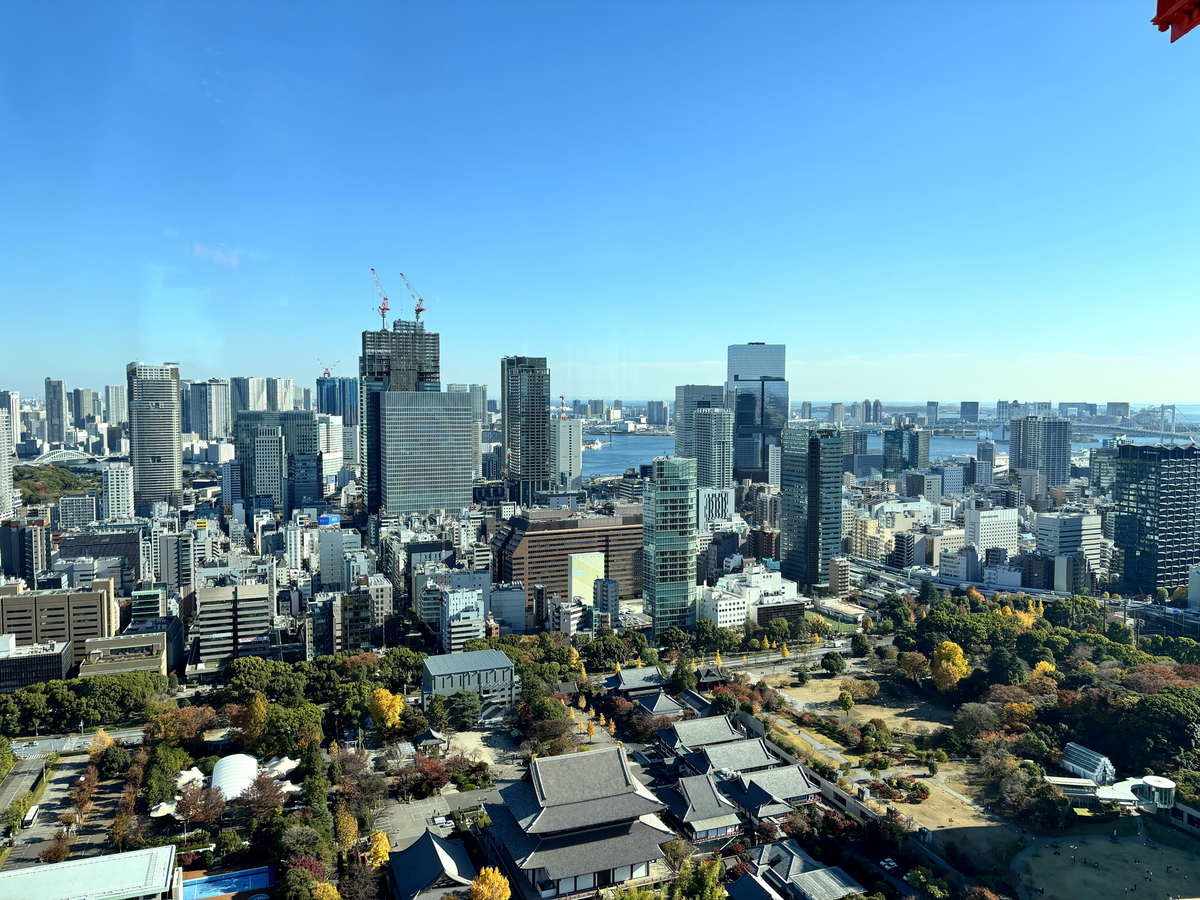
Looking down from the room where you receive a drink on the Top Deck Tour, you can see the roof of a large temple. This is Zojoji Temple. Located just east of Tokyo Tower, it is the temple where the shoguns of the Tokugawa family, who ruled Japan during the Edo period, are buried.
This time we didn't walk through the temple grounds and only saw it from above. Even so, the view of tall buildings and the Rainbow Bridge lined up beyond the temple roof left a strong impression, showing clearly how old Japan and new Tokyo sit side by side.
Tips for visiting Zojoji Temple (as of November 2026):
- The temple grounds are free to walk around. It is about a 3-minute walk from Onarimon Station and Shibakoen Station.
- The large front gate, Sangedatsumon (rebuilt in 1622 and designated an Important Cultural Property), is under repair until around 2032.
- The Tokugawa shoguns' mausoleum (500 yen) is closed on Tuesdays. It is also closed to visitors until December 1, 2026, while the ticket office is rebuilt.
- The Treasure Exhibition Room costs 700 yen (closed on Tuesdays).
- The temple is also famous for Sentai Kosodate Jizoson, where many small stone statues of Jizo, the Buddhist guardian of children, stand in rows wearing red caps.
Tokyo Tower and Zojoji are very close to each other, so you can visit both in half a day.
Q&A
Tokyo Tower FAQ
- How much does it cost to go up Tokyo Tower?
- The Main Deck (150 m) alone costs 1,500 yen for adults. The Top Deck Tour, which goes up to the 250 m Top Deck, costs 3,300 yen for adults when purchased online and 3,500 yen at the ticket counter.
- Tokyo Tower or Tokyo Skytree: Which Should You Climb?
- For height and drama, choose Tokyo Skytree (observation decks at 350 m and 450 m). For a closer look at the city's finer details, choose Tokyo Tower. If you only want the 150 m Main Deck, Tokyo Tower is cheaper, and no reservation is required.
- Is Tokyo Tower taller than the Eiffel Tower?
- Yes. Tokyo Tower stands 333 m tall, slightly taller than the Eiffel Tower (about 330 m).
- Tokyo Tower vs. Eiffel Tower: Which Is Older?
- This is the Eiffel Tower. The Eiffel Tower was completed in 1889, and Tokyo Tower in 1958.
- Can you go up at night too?
- You can go up. It is open until 23:00 (last entry to the Main Deck is 22:30; the last Top Deck Tour departs at 22:15). The tower is lit up every night, and from sunset until midnight, white lights sparkle for two minutes at the top of every hour.
- Is a reservation required?
- The main deck is open without a reservation. The top deck tour runs on timed bookings, so on busy days it's best to reserve online in advance.