Tokyo
How to Ride the Tokyo Subway Fares, Ticket Purchase, Credit Card Tap, and Unlimited Ride Pass Explained with Photos
Updated 18 November 2026By Dynamic Japan Travel editorsEditorial policy
Contents
The Tokyo subway can feel a bit intimidating at first. With numerous lines, expansive stations, and plenty of Japanese signage, it might seem overwhelming. However, you only need to focus on four steps: "decide how to pay," "pass through the ticket gate," "follow colors and symbols to board the train," and "find the exit number."
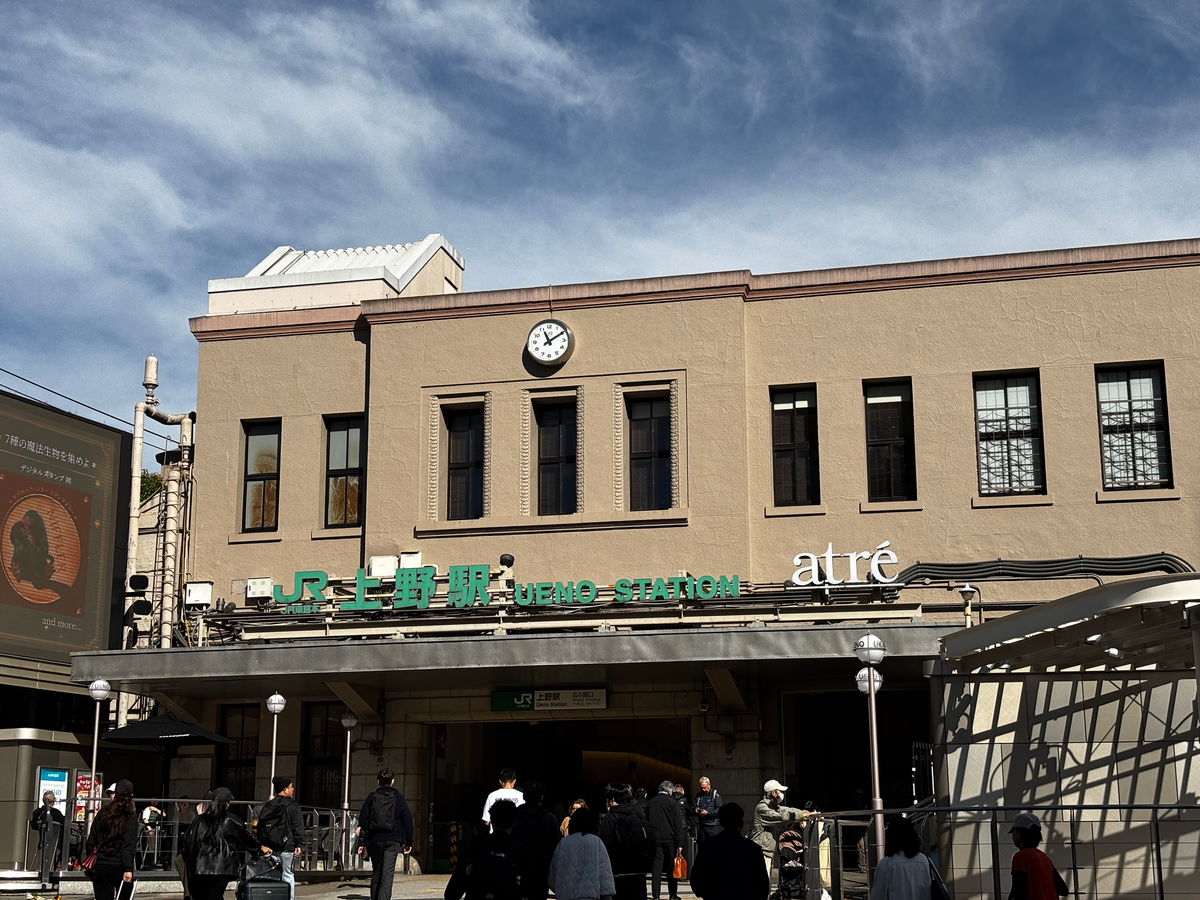
In November 2026, we boarded the Tokyo Metro Ginza Line at Ueno Station and captured each screen of the ticket machine. This article will guide you through buying a ticket, using a credit card to tap and ride, and passing through the ticket gates, using those photos step-by-step.
Tokyo's subway consists of two systems: "Tokyo Metro" and "Toei Subway."
Tokyo's subway system is operated by two companies: Tokyo Metro, which has nine lines including the Ginza and Marunouchi lines, and Toei Subway, which has four lines including the Asakusa and Oedo lines. Each line is identified by a color and a single letter. For example, the Ginza Line is orange and marked with "G." Stations are also numbered, with Ueno Station on the Ginza Line being "G16."
JR trains like the Yamanote Line are operated by a different company. Therefore, the Japan Rail Pass (JR Pass) does not cover Tokyo Metro or Toei Subway. Even if you have a JR Pass, you need to pay separately to use the subway. Differences between JR and the subway, as well as details about the JR Pass, are covered in the Japan Rail Pass article.
There are three payment methods. The easiest is using Suica on your smartphone.
There are three main ways to pay for the Tokyo subway.
- IC Card (Suica/PASMO)
- Just touch your preloaded card or smartphone to the gate. Fares are slightly cheaper than tickets. Usable on subways, JR, and buses.
- Credit Card Touch
- Simply touch a card or smartphone with the "touch payment" mark on the gate. No need to buy a ticket.
- Paper Ticket
- Buy a ticket to your destination at the station's vending machine. Ideal for one-time riders or those who prefer not to use cards.
Suica and PASMO work the same way. Suica started as a JR card, and PASMO as a private railway and subway card, but both can be used on Tokyo trains and buses. Suica is more familiar to travelers, so one Suica card is sufficient. There's no need to have both.
The easiest method is to add Suica to your smartphone. For iPhone 8 and later, you can add Suica via the "Wallet" app. Charging (adding money) can also be done with a credit card in the Wallet. No need to buy a card at the station or line up at vending machines. Some Android phones may not be compatible.
If you prefer a card Suica, there's the "Welcome Suica" for travelers. It requires no deposit and is valid for 28 days. How to buy a card Suica is introduced in the article on how to ride trains in Japan. For those not using IC cards, opt for credit card touch or paper tickets.
How much is the fare?
Fares are determined by the distance traveled. As of November 2026, adult fares for Tokyo Metro are as follows. Children's fares are about half of the adult fares.
- 1-6 km: Ticket 180 yen / IC card 178 yen
- 7-11 km: Ticket 210 yen / IC card 209 yen
- 12-19 km: Ticket 260 yen / IC card 252 yen
- 20-27 km: Ticket 300 yen / IC card 293 yen
- 28-40 km: Ticket 330 yen / IC card 324 yen
The fare from Ueno Station to Ginza Station, as we checked, was 180 yen for adults. The fare with a credit card touch is the same as a paper ticket. When transferring between Tokyo Metro and Toei Subway, the fare is cheaper than the combined total of each fare.
How to
Buying a Ticket from a Vending Machine (6 Steps in English)
I captured the screen sequence on the Tokyo Metro ticket machine at Ueno Station for purchasing a ticket to Ginza. You operate it by touching the screen.
1Switch the screen to English.
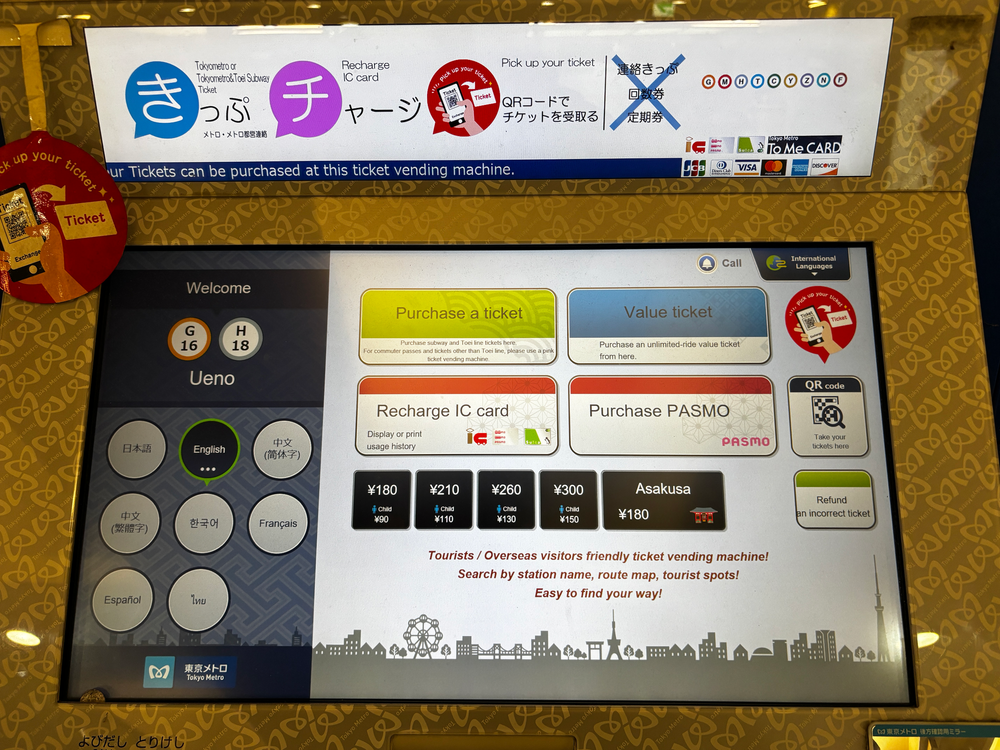
Press "English" on the left side of the initial screen. You can also select languages like Chinese or Korean. If you already know the fare, simply press the button labeled "¥180" or similar below to purchase.
2How to Choose Your Destination
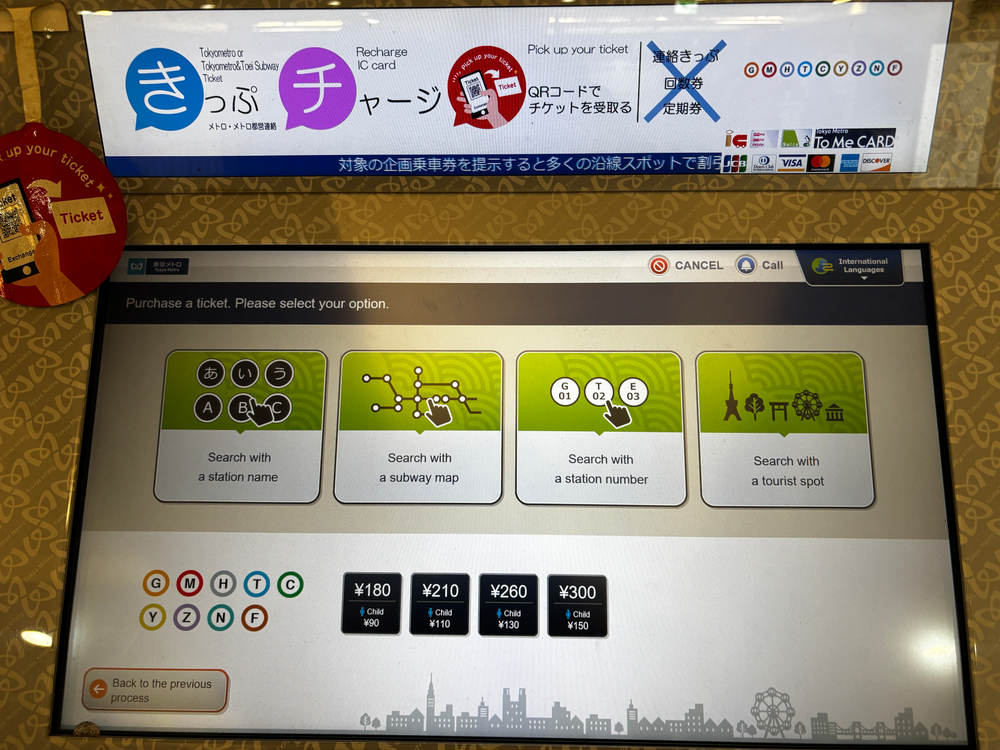
If you're unsure about the fare, press "Purchase a ticket." You can choose how to search from four options: station name, route map, station number, or tourist attractions.
3Select Your Destination Station
To search by station name, press the first letter of the station name, and station options will appear on the right. To search by route map, click on a station within the map.
3-1Search by the first letter of the station name
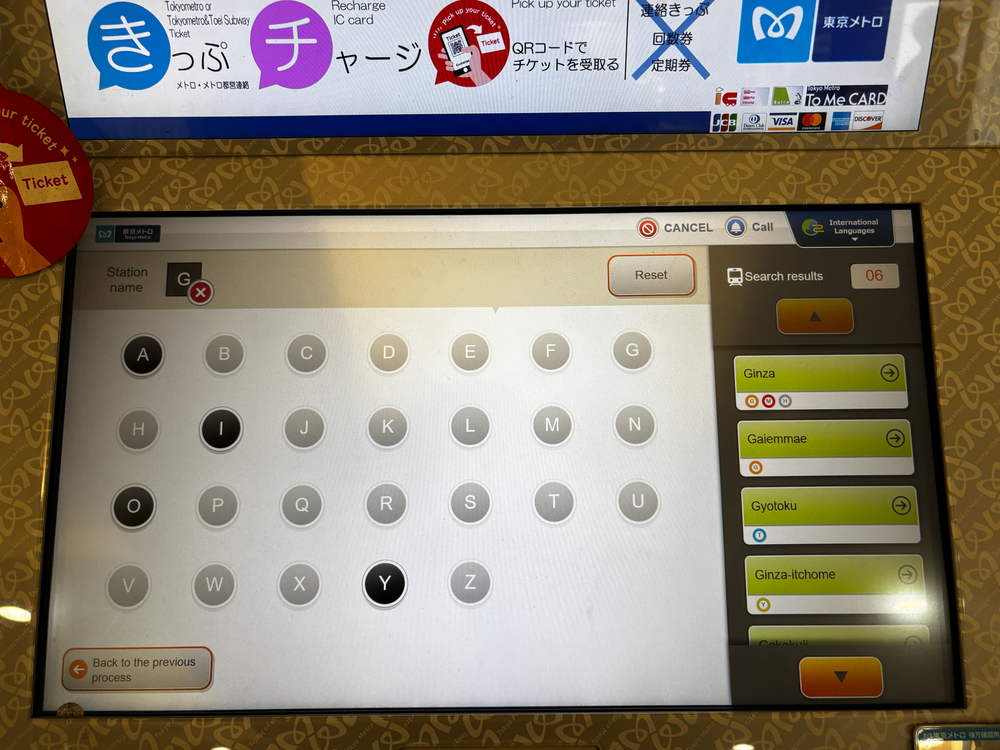
3-2Search by Route Map
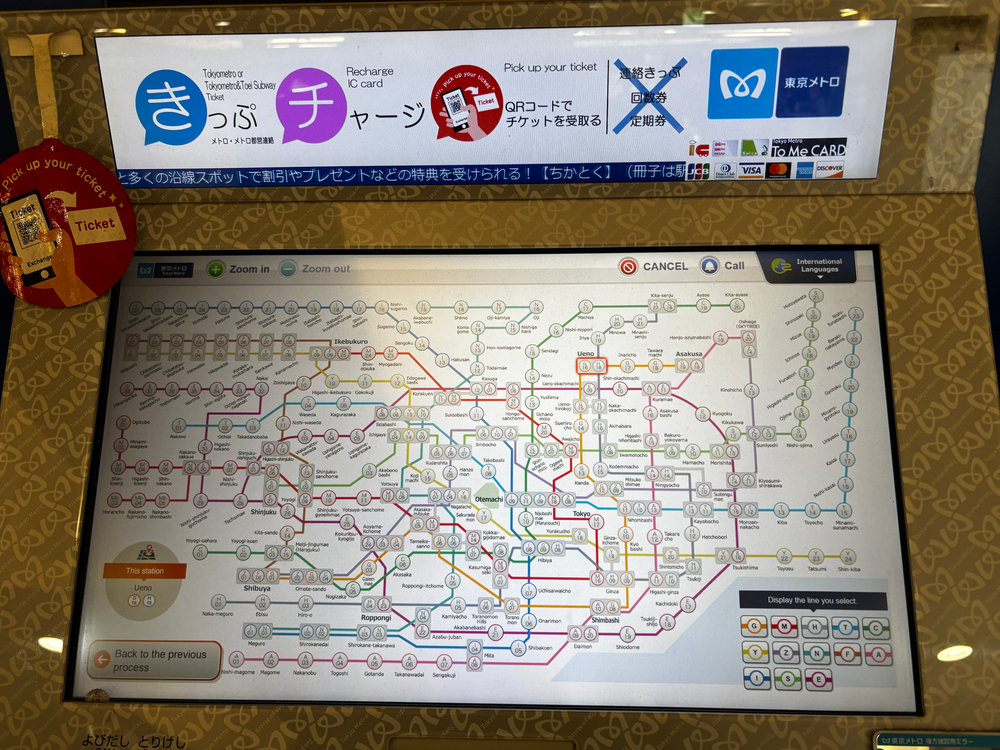
4Select Number of People
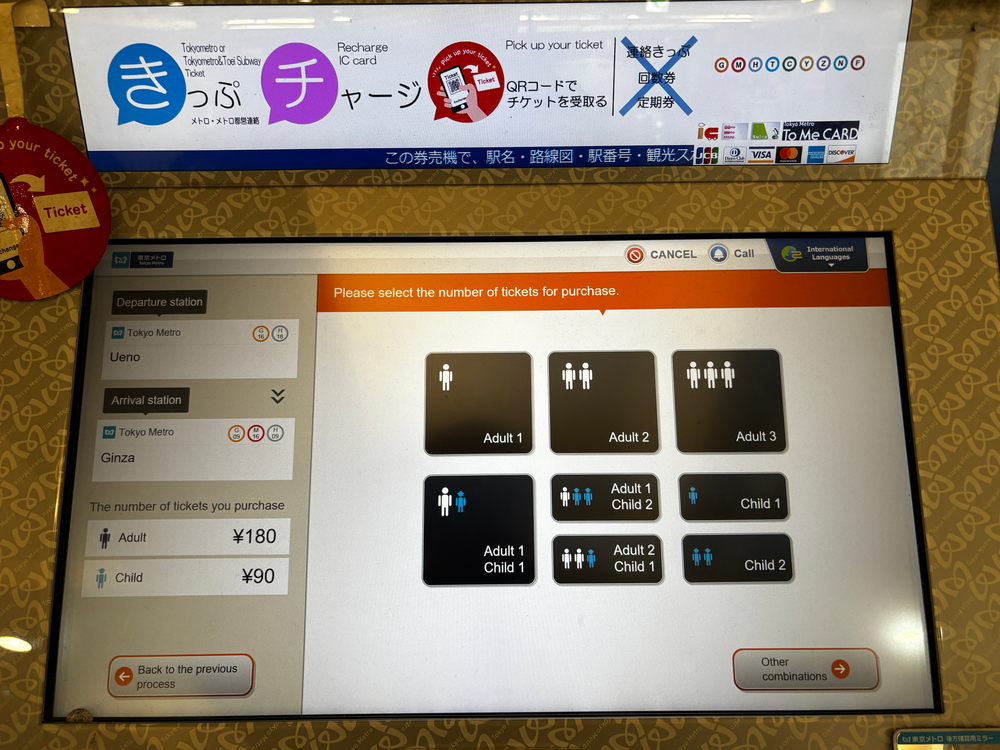
Select the number of adults and children. The departure station, destination, and fare will appear on the left, so confirm here. The fare from Ueno to Ginza was 180 yen for adults.
5Insert money
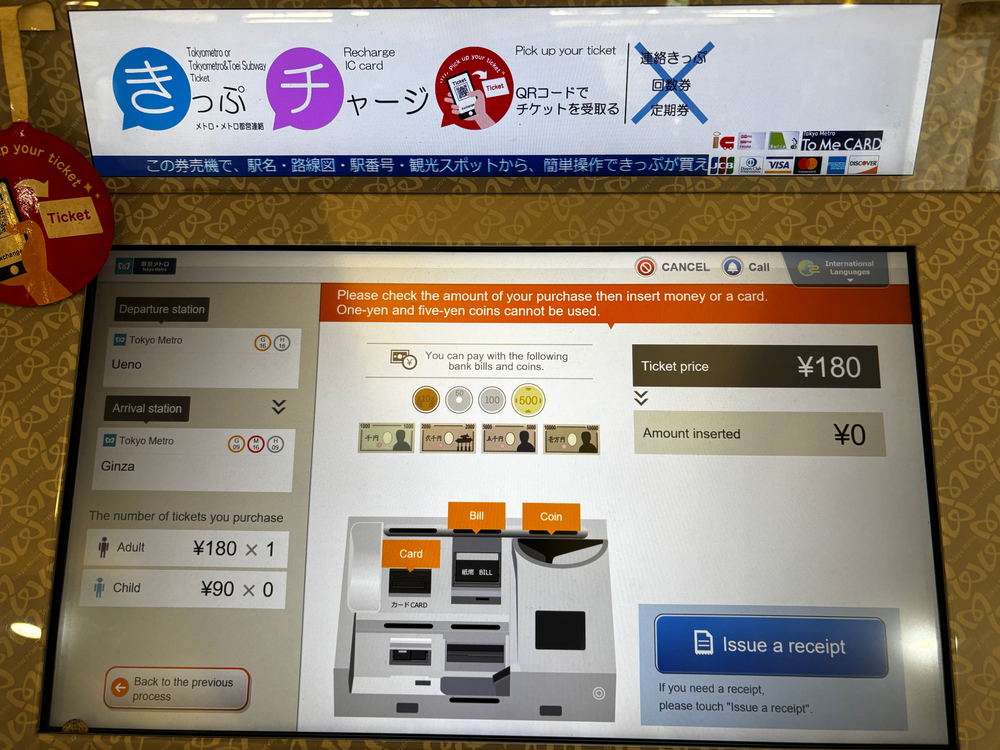
The screen displays the amount and where to insert money with illustrations. Insert either bills or coins. The screen states, "1 yen and 5 yen coins cannot be used."
6Take your ticket and change
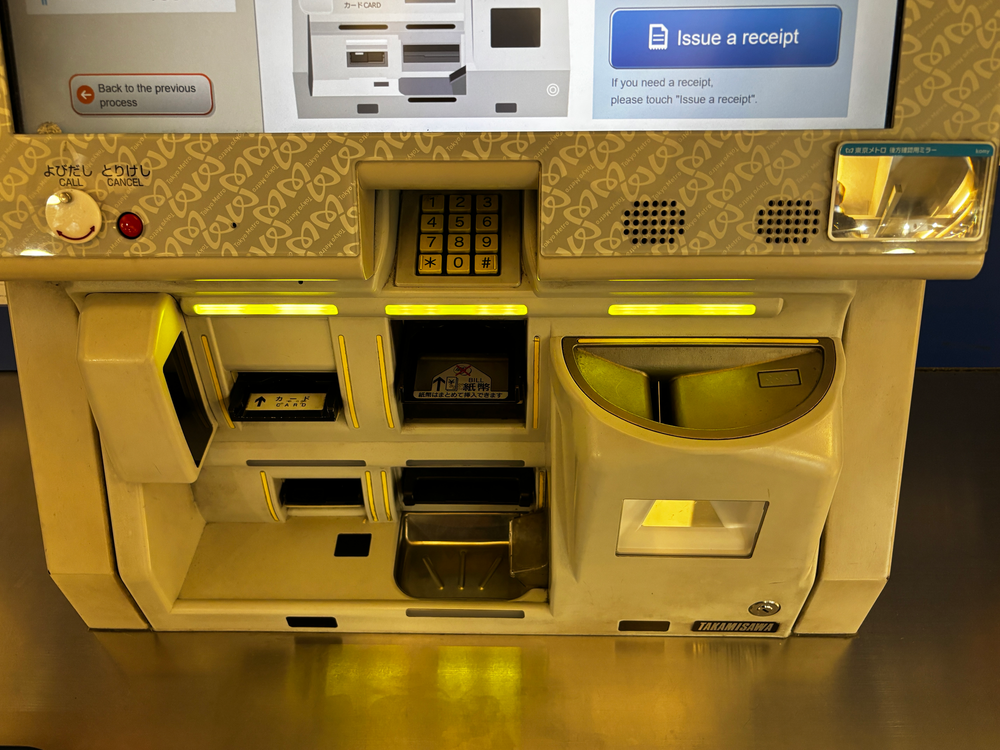
Retrieve your ticket and change from the slot below. Be careful not to forget them.
The ticket can only be used on the day of purchase. It will be collected when you exit the ticket gate at your destination station.
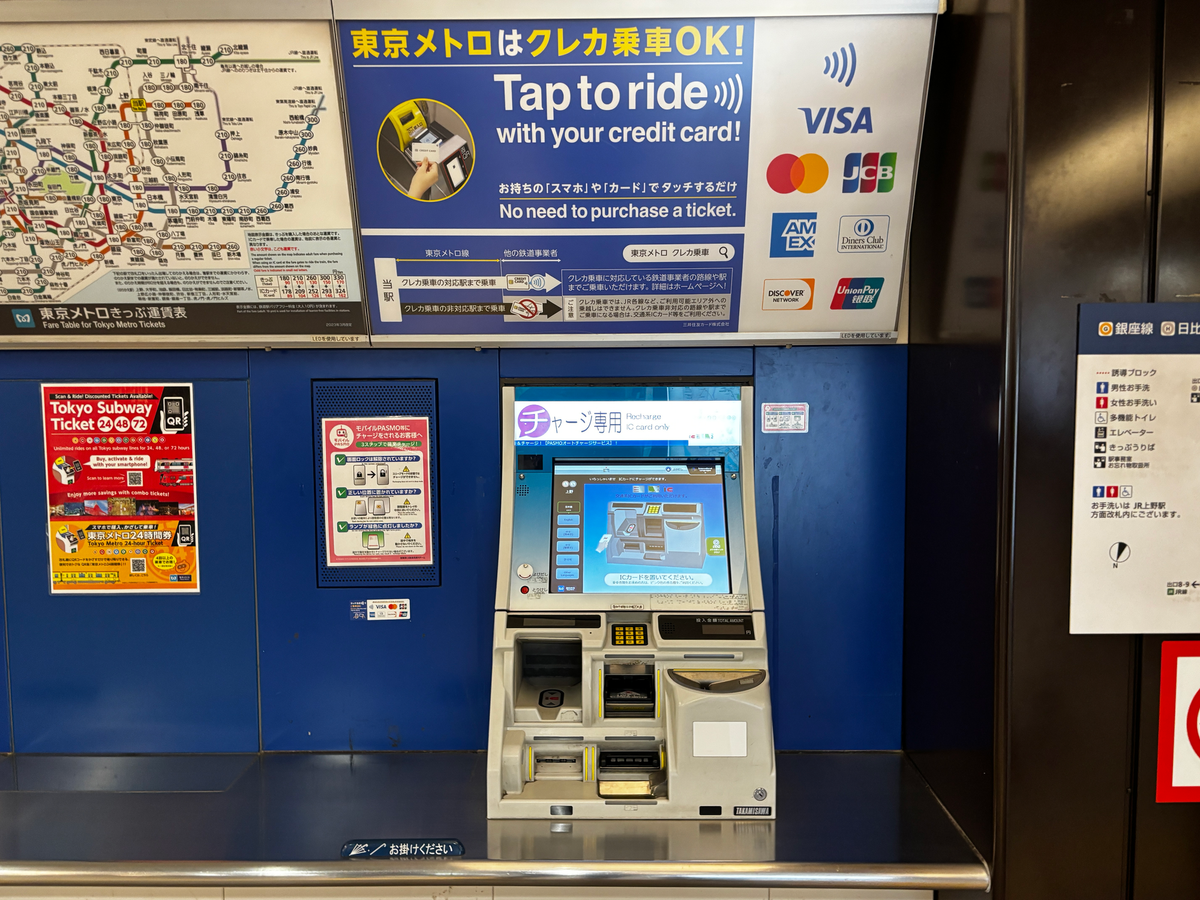
Tap your credit card to ride
Starting March 2026, all Tokyo Metro and Toei Subway lines allow rides with a simple credit card tap. No need to buy a ticket—just tap your card on the reader until it beeps. Accepted cards include those with contactless payment from Visa, Mastercard, JCB, American Express, Diners Club, Discover, and UnionPay, as well as smartphones with these cards.
It's convenient, but there are some rules.
- Use the same card to enter and exit. You can't enter with a card and exit with a smartphone.
- One card per person. You can't pay for family members together.
- The fare is the same as an adult paper ticket. No child fares are available.
- Transfers to JR trains are not possible. Use an IC card if you plan to ride JR trains.
- You can't pay for fare adjustments with a tap.
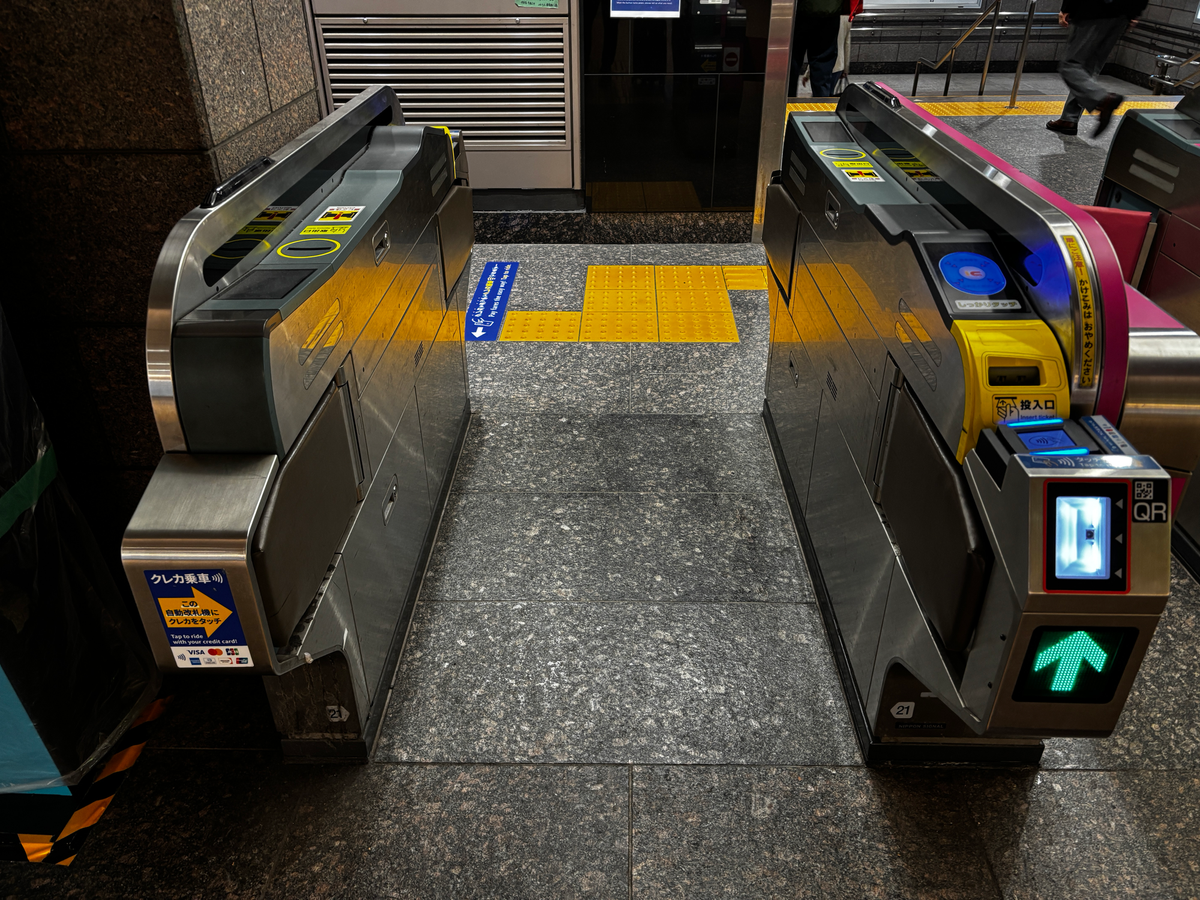
How to Pass Through Ticket Gates
How to
4 Key Points for Passing Through Ticket Gates
1Check the color and display of the ticket gate
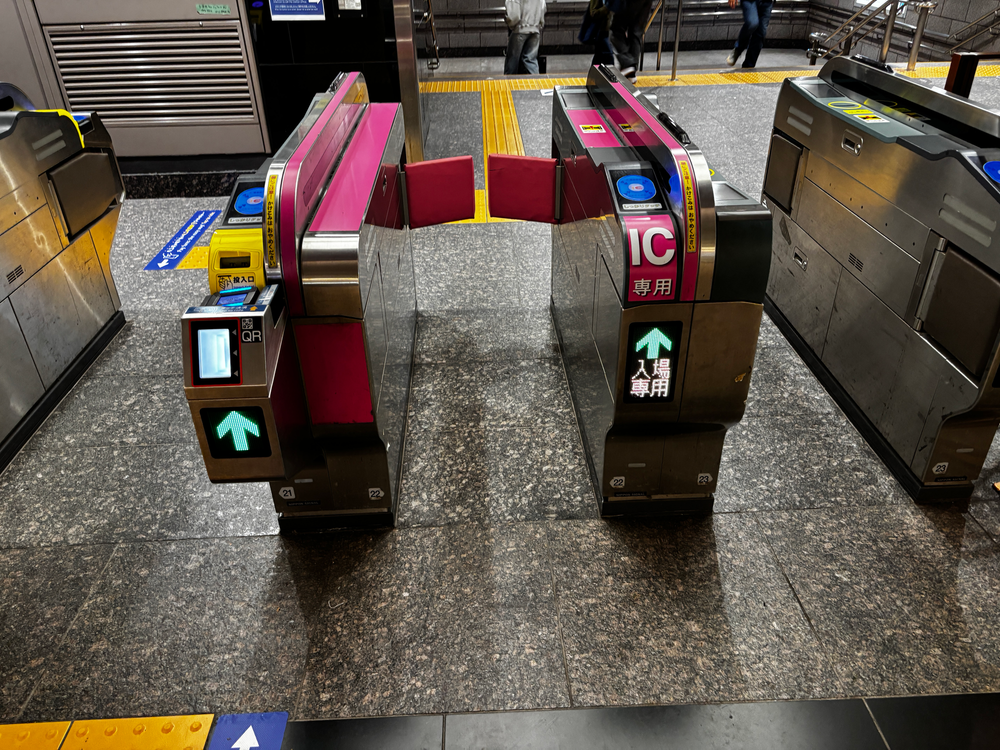
The gates marked in pink with "IC専用" are for IC cards. Credit cards are used at gates with "クレカ乗車" signs, and paper tickets are used at gates with yellow slots.
2Touch the card to the reader.
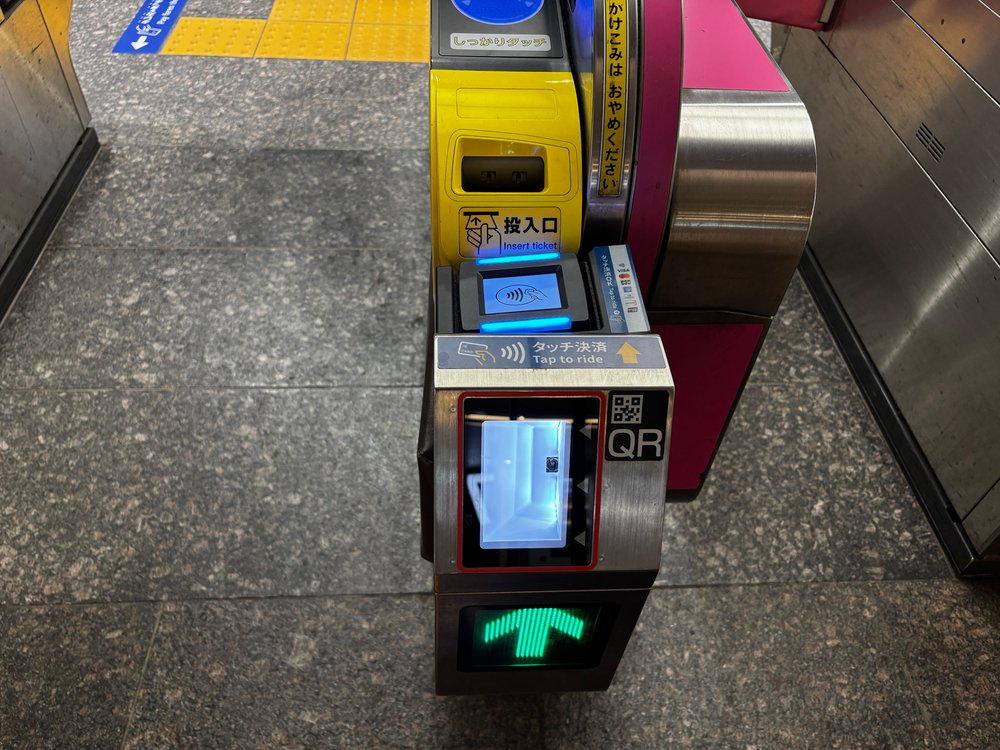
Touch the IC card on the blue glowing circular area, and the credit card on the reader labeled "Touch Payment." The QR code reader below is for those using QR code tickets.
3Insert the ticket into the yellow slot.
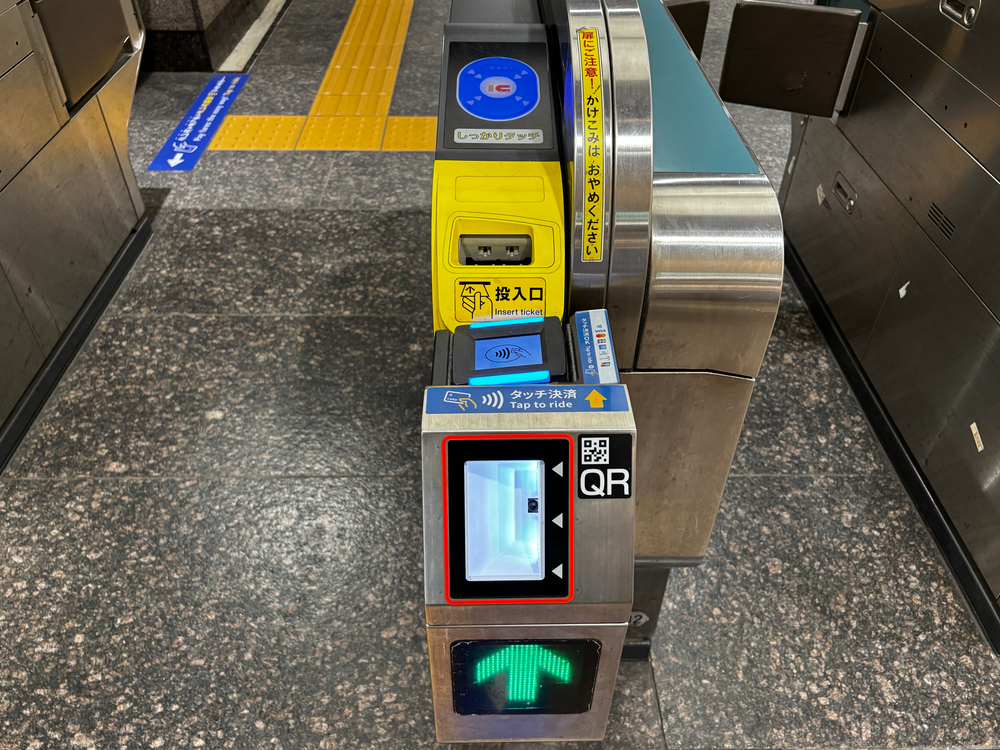
Insert the ticket into the yellow slot and remember to take the ticket that comes out on the other side of the gate. You'll use it again when exiting at your destination station.
4Pass through the ticket gate with the green arrow.
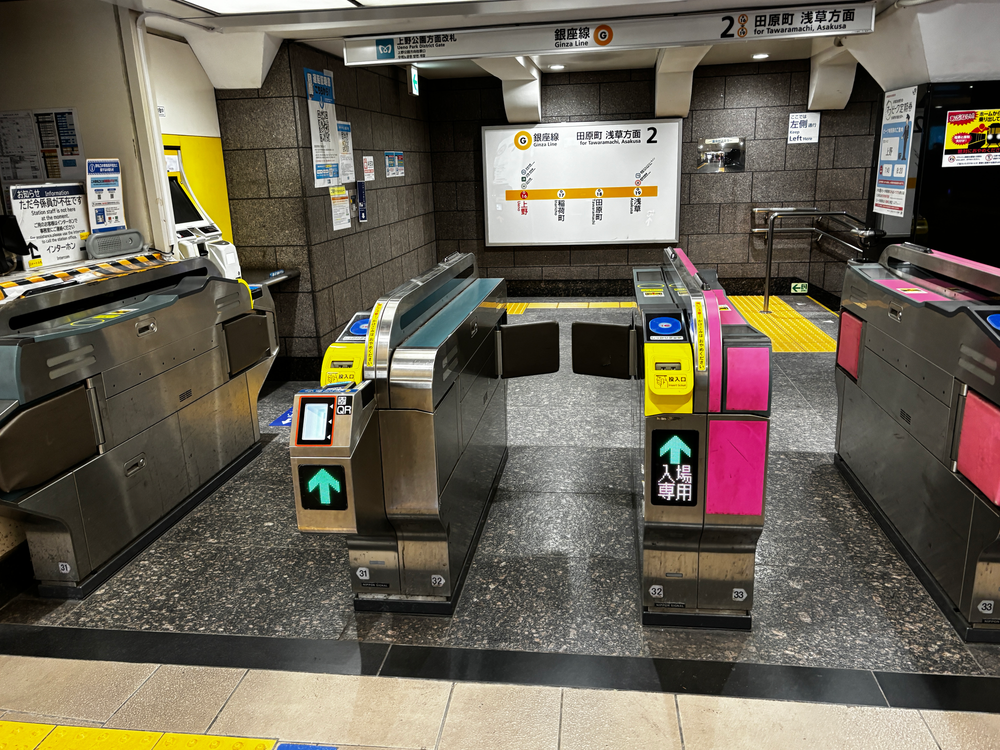
The green arrow indicates "You can enter here." Above the ticket gate, it shows which platform direction it is.
Platform and Train on the Ginza Line
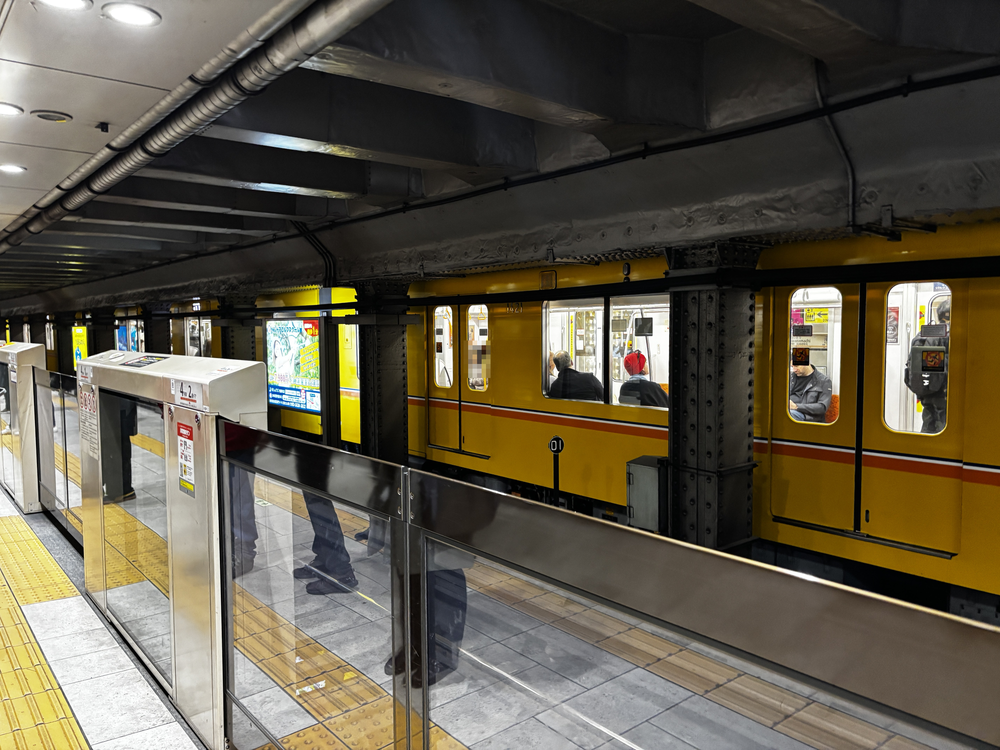
The Ginza Line is a Tokyo Metro route connecting Asakusa and Shibuya. It opened in 1927 between Ueno and Asakusa and is known as the "first subway in the East." It passes through popular tourist spots like Ueno, Asakusa, Ginza, Omotesando, and Shibuya.
Platform doors are present and only open when a train arrives. The doors are labeled with car and door numbers, such as "Car 4, Door 2," making it convenient for meeting points. Before boarding, check the platform guide to confirm the train's direction.
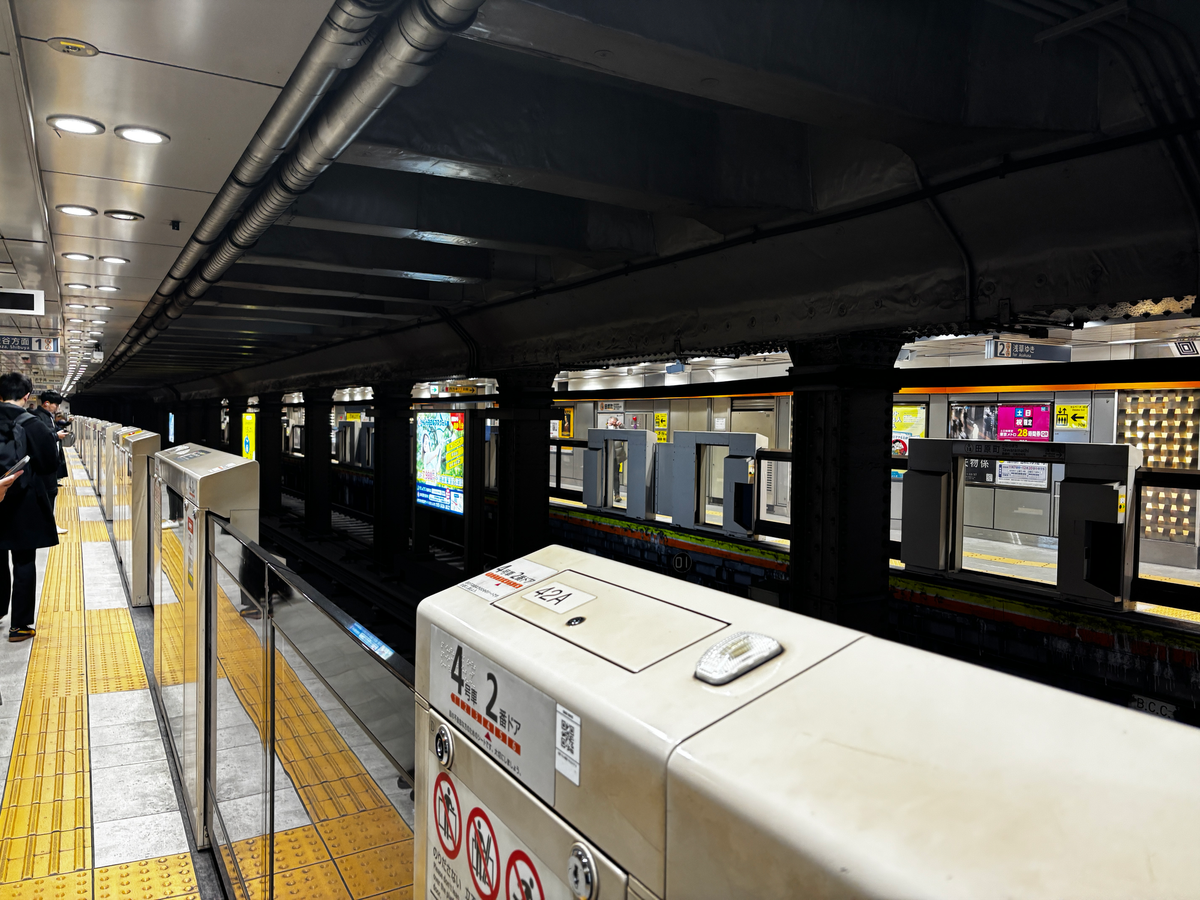
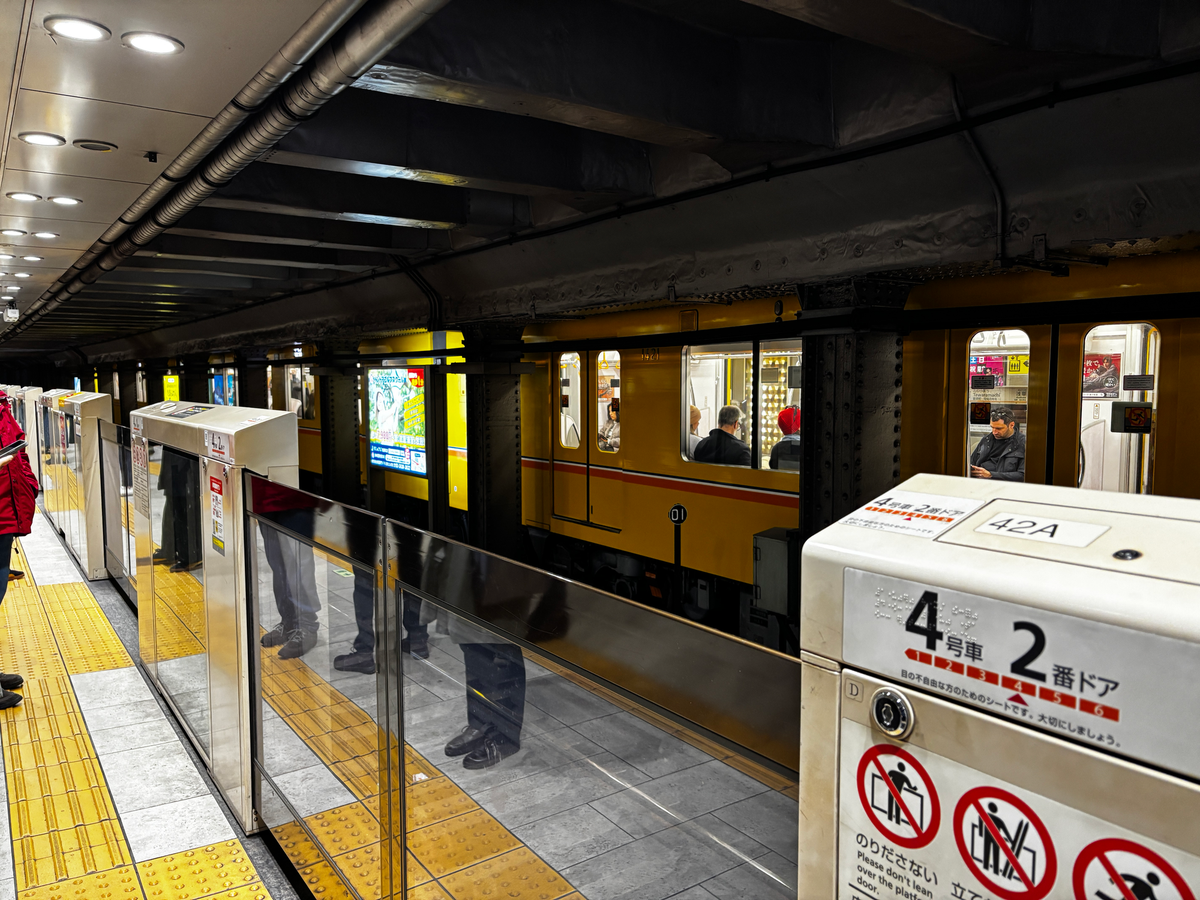
If you miss your stop, use the "fare adjustment machine."
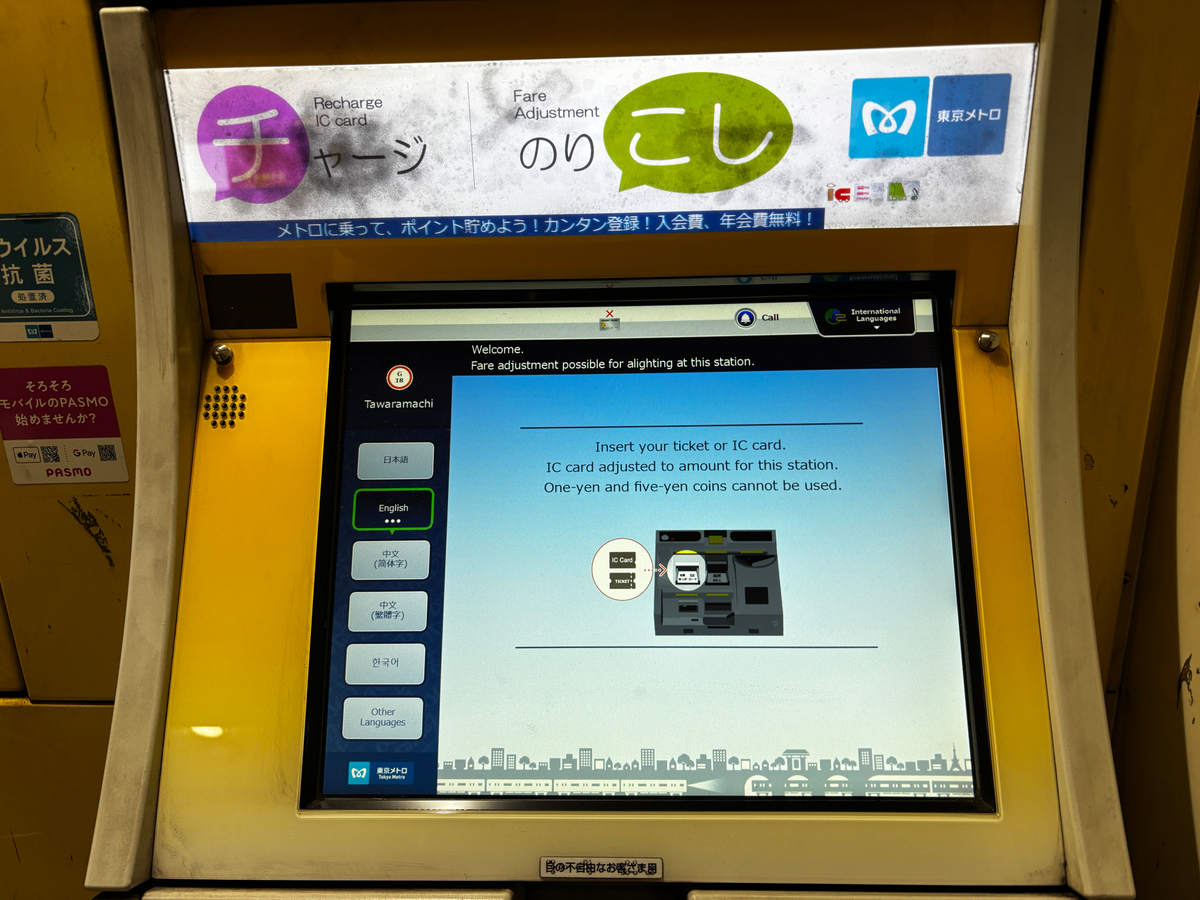
If you travel beyond the fare of your ticket, pay the difference at the fare adjustment machine near the ticket gate. Insert your ticket, and the machine will display the amount owed. Pay the amount, and you'll receive a ticket to exit the gate. The screen can be switched to English.
For IC cards, touch the card to the gate upon exit to deduct the fare. If your card balance is insufficient, recharge it at this machine before exiting. If you used a contactless credit card to enter, touch the same card upon exit to pay the fare to that point.
Look for the exit number after you get off.
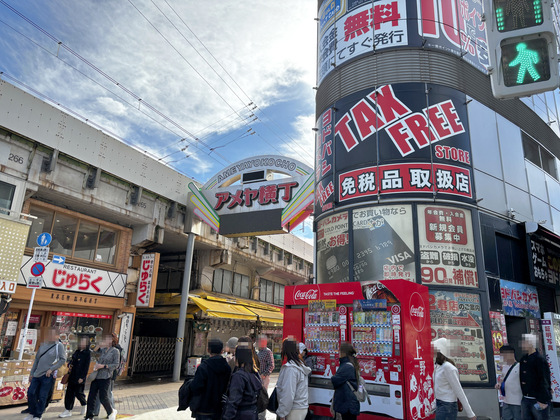
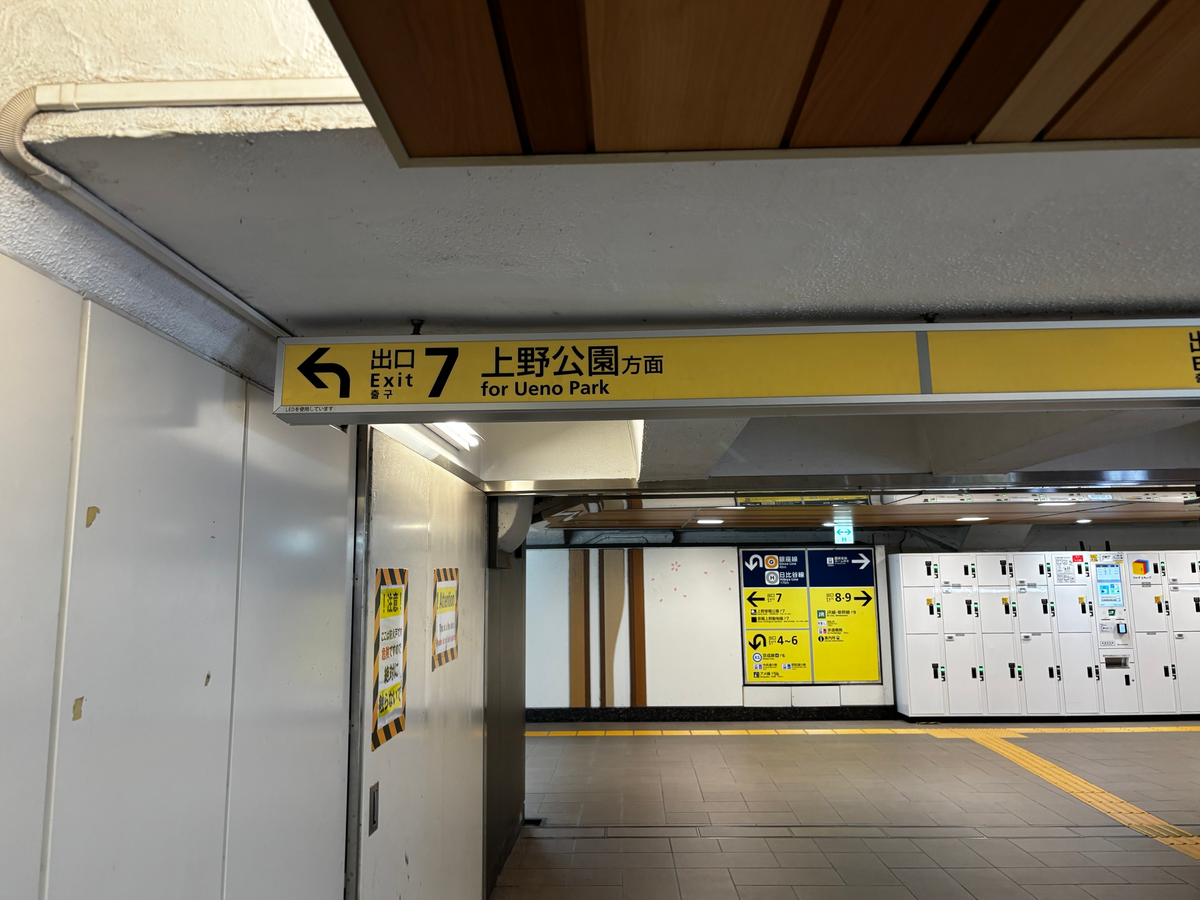
Large stations have many exits. After passing through the ticket gate, look for exit numbers and destinations on the yellow signboards. At Ueno Station, there was a sign for "Exit 7 Ueno Park." Checking the exit number closest to your destination on a map app beforehand will prevent you from getting lost once you reach the surface. Walking around Ueno Park and Ameyoko near Ueno Station is introduced in the Ueno Park Guide and Ueno Ameyoko Guide.
Details about JR ticket gates at Ueno Station and transfers from JR to the subway are covered in the Ueno Station Guide.
Is the Unlimited Tokyo Subway Ticket Worth It?
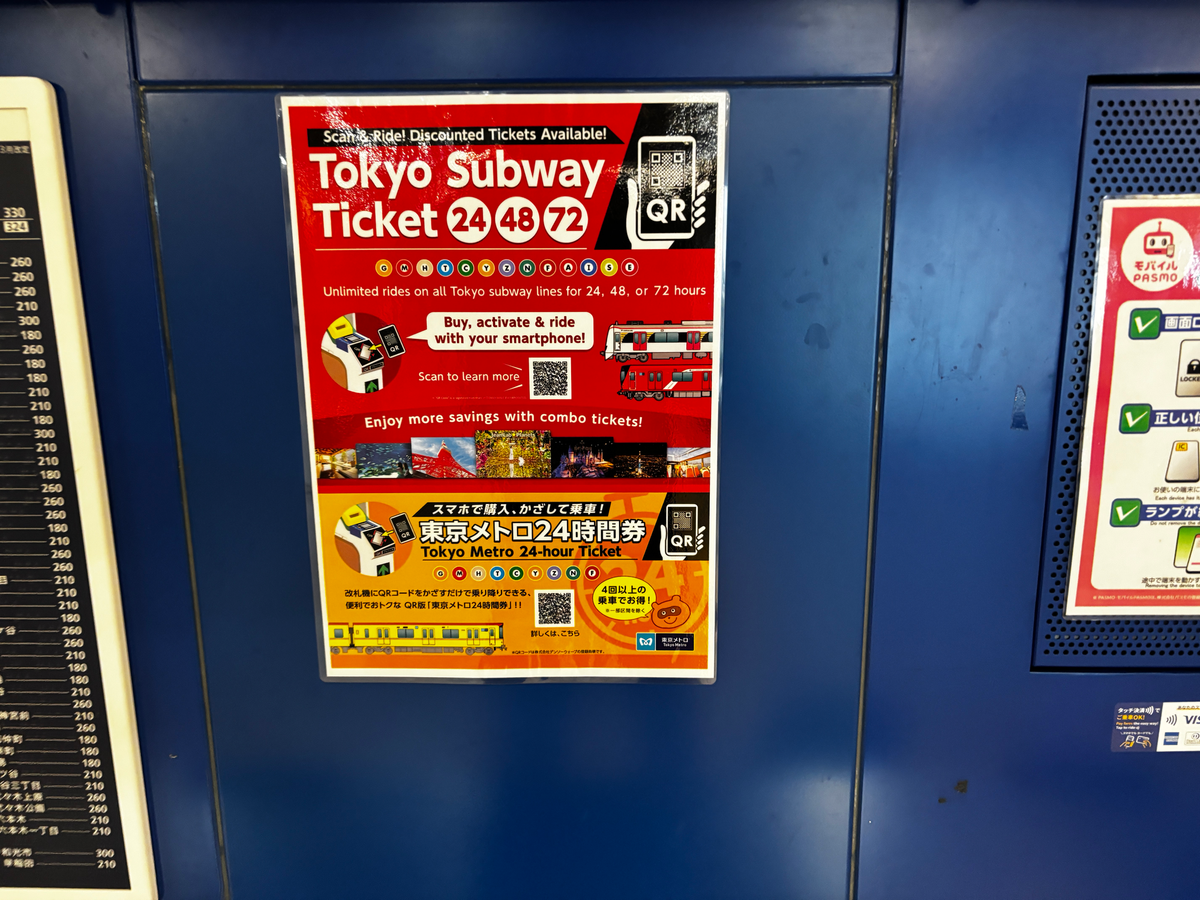
Overseas travelers can purchase an unlimited ride ticket called the "Tokyo Subway Ticket." It allows access to all lines of both Tokyo Metro and Toei Subway, so there's no need to worry about which company's train you're on. The time starts counting from the first time you pass through the ticket gate.
- 24 hours: Adults 1,000 yen (Children 500 yen)
- 48 hours: Adults 1,500 yen (Children 750 yen)
- 72 hours: Adults 2,000 yen (Children 1,000 yen)
Since a trip from Ueno to Ginza costs 180 yen, if you ride the subway more than six times a day, the 24-hour ticket is a good deal. If you ride up to five times a day, using a Suica or credit card is cheaper. The 72-hour ticket costs about 670 yen per day, making it suitable for those who plan to ride frequently over three days. Note that it cannot be used on JR trains or buses.
This ticket cannot be purchased at regular ticket machines in stations. It is available at the following locations:
- Online (use a QR code on your smartphone to pass through the gate)
- Haneda and Narita Airports
- Tokyo Metro commuter pass sales offices and Toei Subway tourist information centers (show your passport)
- Some hotels and electronics stores
If you're only using Tokyo Metro, there's also the "Tokyo Metro 24-hour Ticket" (Adults 700 yen). You break even after four rides on a 180 yen section. Posters are also displayed at stations. Tickets bundled with a train from Narita Airport are introduced in the Skyliner article.
Q&A
Frequently Asked Questions About Tokyo's Subway
- Can you use the Japan Rail Pass on the subway?
- You cannot use it. The JR Pass is only valid for JR trains. For the subway, you can use a Suica card, contactless credit card, paper ticket, or Tokyo Subway Ticket.
- Is the Yamanote Line a subway?
- No, the Yamanote Line is a JR train. You can't use subway tickets or the Tokyo Subway Ticket on it. With a Suica card, you can ride both the subway and JR trains using the same card.
- Which to Buy: Suica or PASMO?
- Both can be used interchangeably. If unsure, Suica, which is well-known among travelers, is sufficient. For iPhone users, adding it to the Wallet app is the easiest option.
- Is it okay to eat or drink on the train?
- Drinking a little bottled water is fine, but eating on the subway is uncommon. Strong-smelling foods should be eaten after you get off. It's also good manners to refrain from talking on the phone.
- What's the Cheapest Way to Get Around Tokyo?
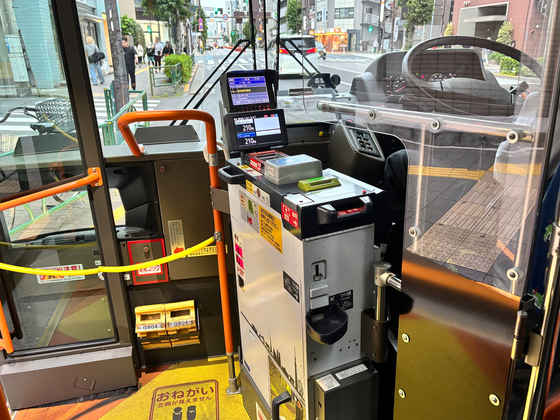
- Walking is best for nearby locations. The subway starts at 180 yen for short distances. Toei buses have a flat fare of 210 yen for adults, making them convenient depending on your destination. How to ride is explained in our article on Tokyo's route buses.
- Can I bring a large suitcase on board?
- You can ride, but it's safer to avoid the crowded times in the morning and evening. The station has elevators, but they can be hard to find. Look for the elevator signs on the guideboards.
- When transferring from Tokyo Metro to Toei Subway?
- If you have a Suica or credit card, you can transfer directly. If you have a paper ticket, purchase a ticket to your transfer destination at the ticket machine and pass through the orange ticket gate at the transfer station. Make sure to transfer within 60 minutes after exiting the gate.
Once you're familiar with the subway, try taking the Shinkansen from Tokyo Station. You can even make a day trip to Atami, a town known for its onsen (hot spring), by Shinkansen. Directions for transferring from the subway to the Shinkansen at Tokyo Station can be found in the Tokyo Station Shinkansen Guide, and how to use the buses is summarized in How to Ride Tokyo's Route Buses.