Narai-juku: The Longest Post Town in Kiso Valley
By Dynamic Japan Travel Editorial Team—Supervised by P-HAM Co., Ltd. (Licensed Travel Agency, Aichi No. 3-1590)
Contents
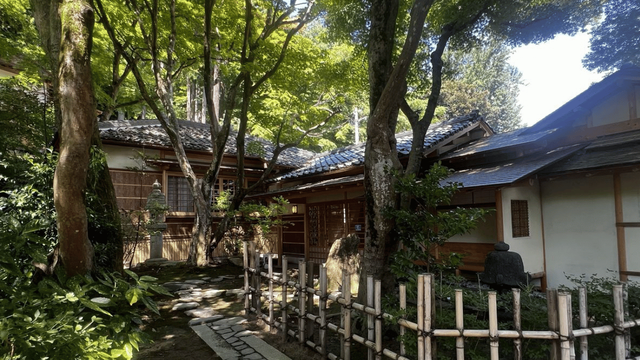
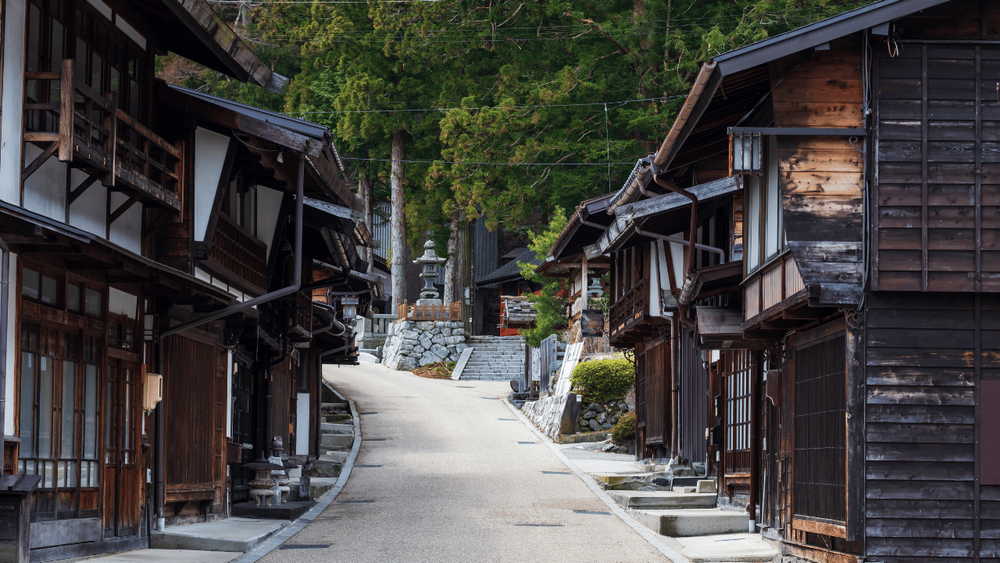
Imagine walking through a beautiful wooden townscape stretching for about 1km, and experiencing a journey back in time to Japan 400 years ago.
Narai-juku is a beautiful town where you can feel this history. A post town refers to a settlement where travelers would rest and lodge during the Edo period (1603-1868). Narai-juku was the 34th post town along the Nakasendo, the important highway connecting Edo (present-day Tokyo) and Kyoto, and is known as the longest post town in Japan.
It is located in the beautiful Kiso Valley in Shiojiri City, Nagano Prefecture — a special, soul-soothing destination about 3 hours from Tokyo and 2 hours from Nagoya. If you're hiking the Nakasendo, a visit to Narai-juku is a must!
How to Get to Narai-juku on the Nakasendo
The journey to this stunning scenery is actually easier than you might think! The most convenient and reliable way to reach Narai-juku is via Narai Station on the JR Chuo Main Line. With just a 5-minute walk from the station, this remarkably easy access makes the special destination feel even closer.
How to Get to JR Narai Station
Here's how to get there from Japan's major cities. Every route offers a comfortable ride on limited express trains, and all are convenient, cost-effective options for JR Pass holders.
From the Tokyo Area
Via Shinjuku Station (Recommended):
From Shinjuku Station: Take the Limited Express "Azusa" to Shiojiri Station, then a local train to Narai Station (about 3 hours)
From Tokyo Station: First head to Shinjuku Station, then take the Limited Express "Azusa" to Shiojiri Station, followed by a local train to Narai Station (about 3.5 hours)
Via Shinkansen:
From Tokyo Station: Take the Shinkansen "Nozomi" to Nagoya Station, then the Limited Express "Shinano" to Kiso-Fukushima Station, followed by a local train to Narai Station (about 4 hours)


From Nagoya / Osaka
From Nagoya Station: Take the Limited Express "Shinano" to Shiojiri Station, then a local train to Narai Station (about 2 hours)
From Osaka: Take the "Nozomi" Shinkansen to Nagoya Station, then the Limited Express "Shinano" to Shiojiri Station, then a local train to Narai Station (about 3 hours)
For details on how to buy Shinkansen tickets and how to board, see the article below. This route is covered by the Japan Rail Pass, making it convenient for international travelers.


Local train from Shiojiri Station to Narai Station
After arriving at Shiojiri Station by limited express, transfer to a local train bound for Narai Station. This local line journey also offers beautiful mountain scenery along the way.
Take the JR Chuo Main Line local train from Shiojiri Station to Narai Station. Trains are not very frequent, so it's a good idea to check the timetable in advance.
Travel time: About 30 minutes
Fare: 320 yen (as of 2025)
Frequency: About 1–2 trains per hour
Access by car and parking
If traveling by car, it's about a 30-minute drive from the Shiojiri IC on the Nagano Expressway via National Route 19.
Parking:
Michi-no-Eki "Kiso no Ohashi" Parking Lot: Free (about 15 minutes on foot to Narai-juku)
Gonbei Parking Lot: Paid (about 5 minutes on foot to Narai-juku)
The Beautiful Narai-juku in the Kiso Valley: Japan's Longest Historic Townscape
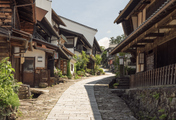
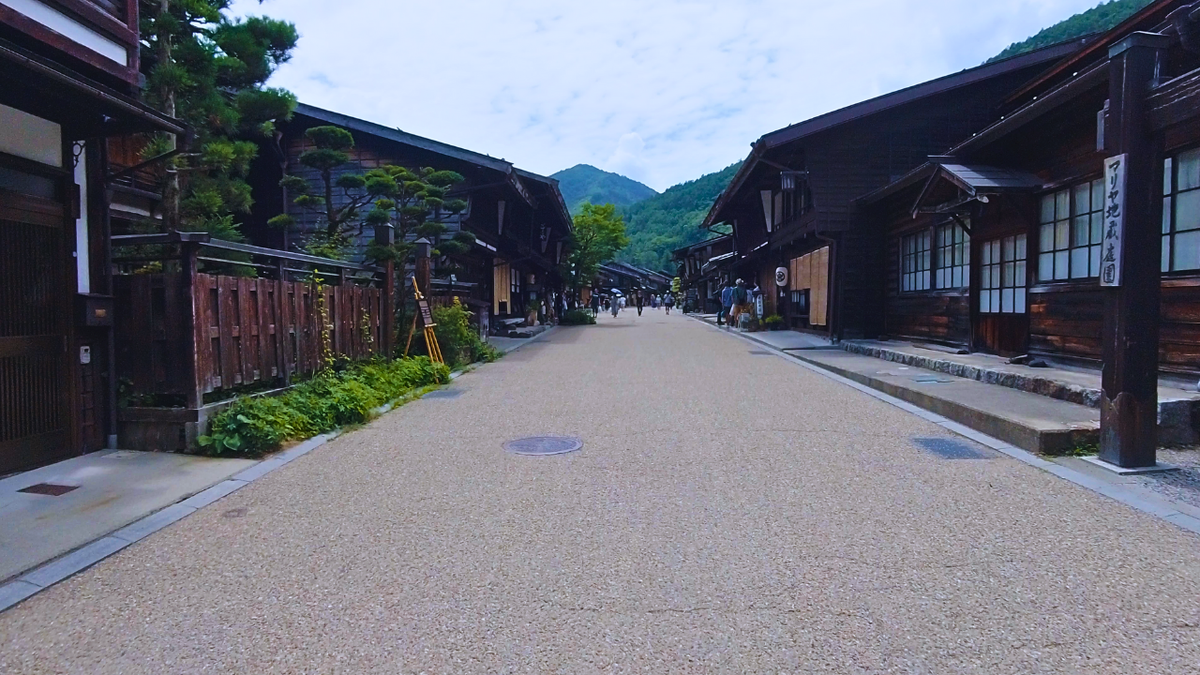
The greatest charm of Narai-juku is its historic townscape, the longest in Japan, stretching about 1 km along the river. Lined with beautiful wooden buildings, it offers a stunning view that feels like stepping back 400 years into Japan's past.
Surrounded by the beautiful mountains of the Kiso Valley, this town was built in a distinctive architectural style suited to a heavy-snow region. The deep eaves of the roofs shield both the buildings and passersby from snow and rain, while also creating a striking visual landscape. It's a wonderful example of traditional Japanese wisdom and aesthetics.
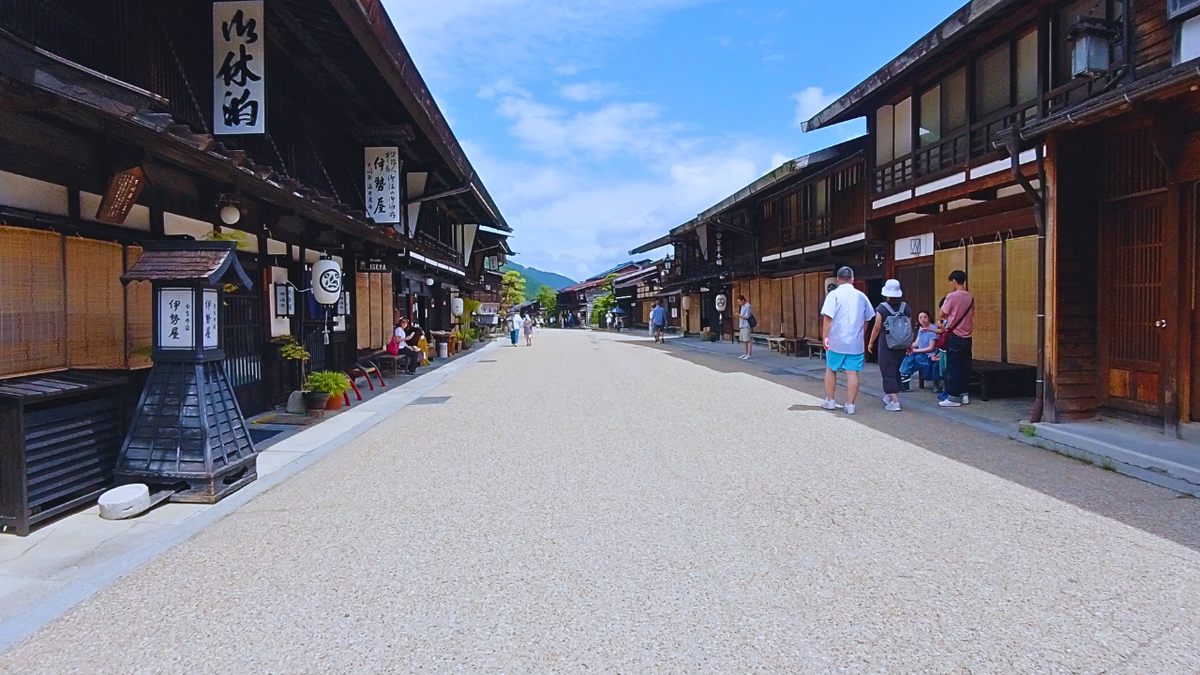
Highlights of Narai-juku on the Nakasendo
Narai-juku is home to many remarkable sights that are sure to captivate you. Here are some of the standout spots we especially recommend.
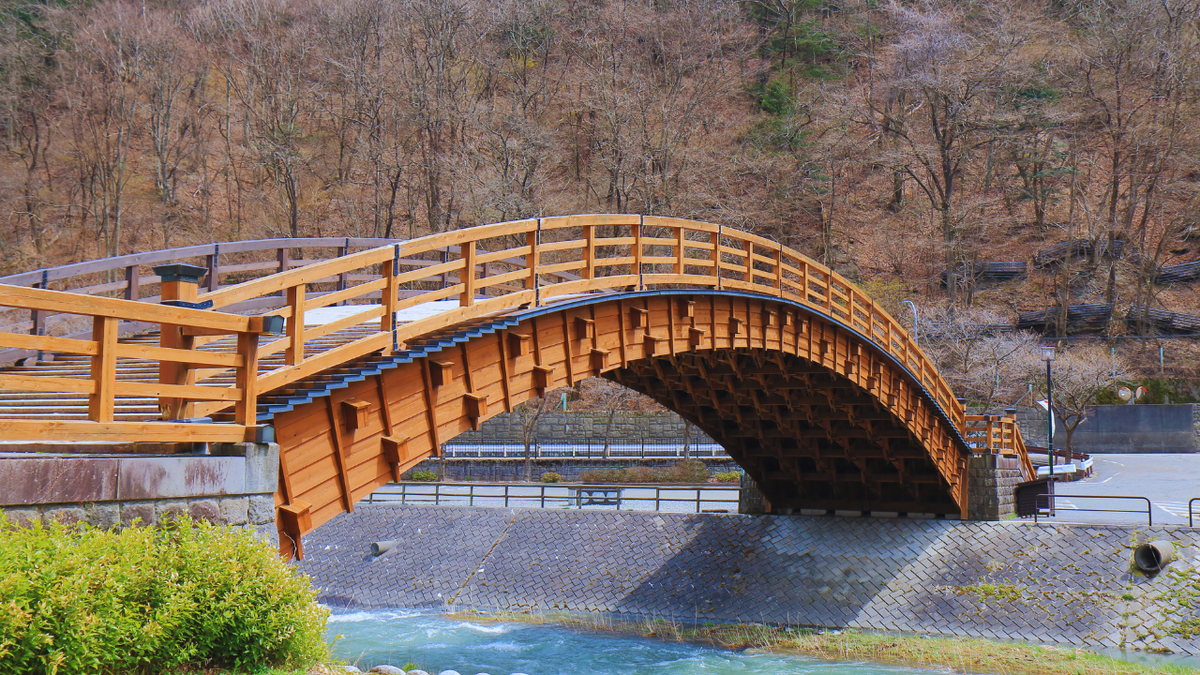
Kiso no Ohashi Bridge – A Beautiful Wooden Bridge Built Without Nails
A must-see in Narai-juku is the "Kiso no Ohashi" bridge. This remarkable structure is a traditional Japanese wooden bridge built entirely without nails, using timber over 300 years old. From the bridge, you can take in a sweeping view of Narai-juku's beautiful townscape, making it a fantastic spot for photos.
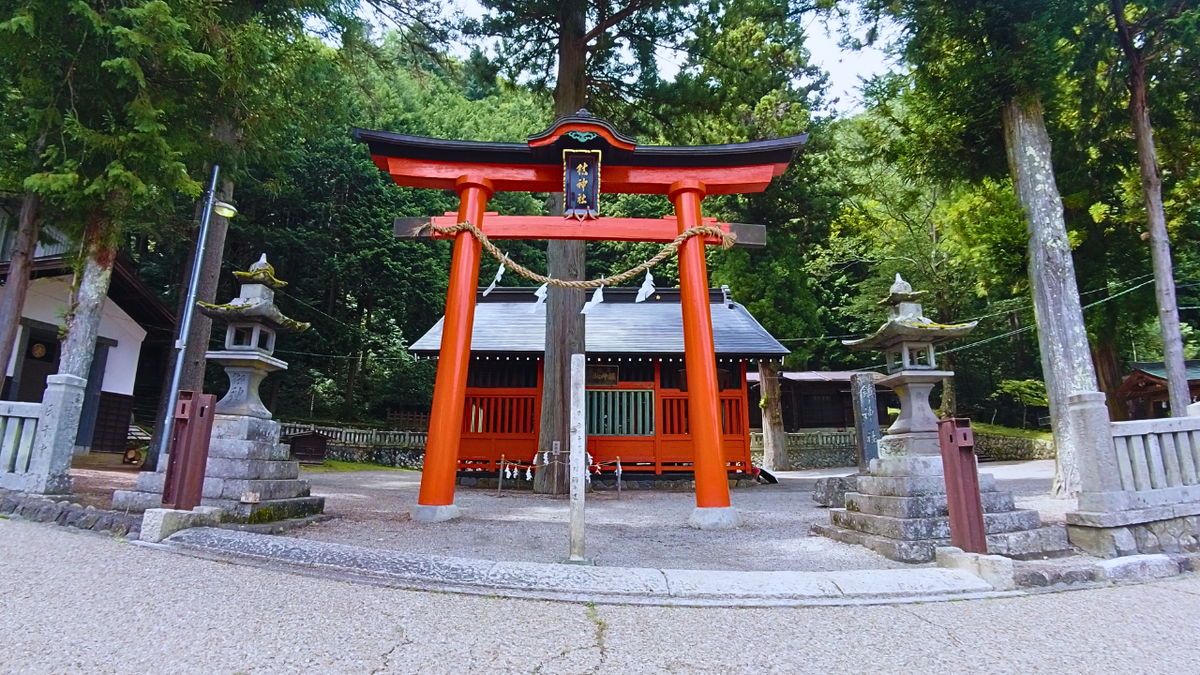
Shizume Shrine – Guardian of the Post Town
Located in the heart of Narai-juku, Shizume Shrine has watched over the safety of local residents for more than 400 years. It's said to have been founded to hold rites calming an epidemic that once swept through Narai-juku.
Here you can experience a traditional Japanese shrine while feeling the history of this old post town.
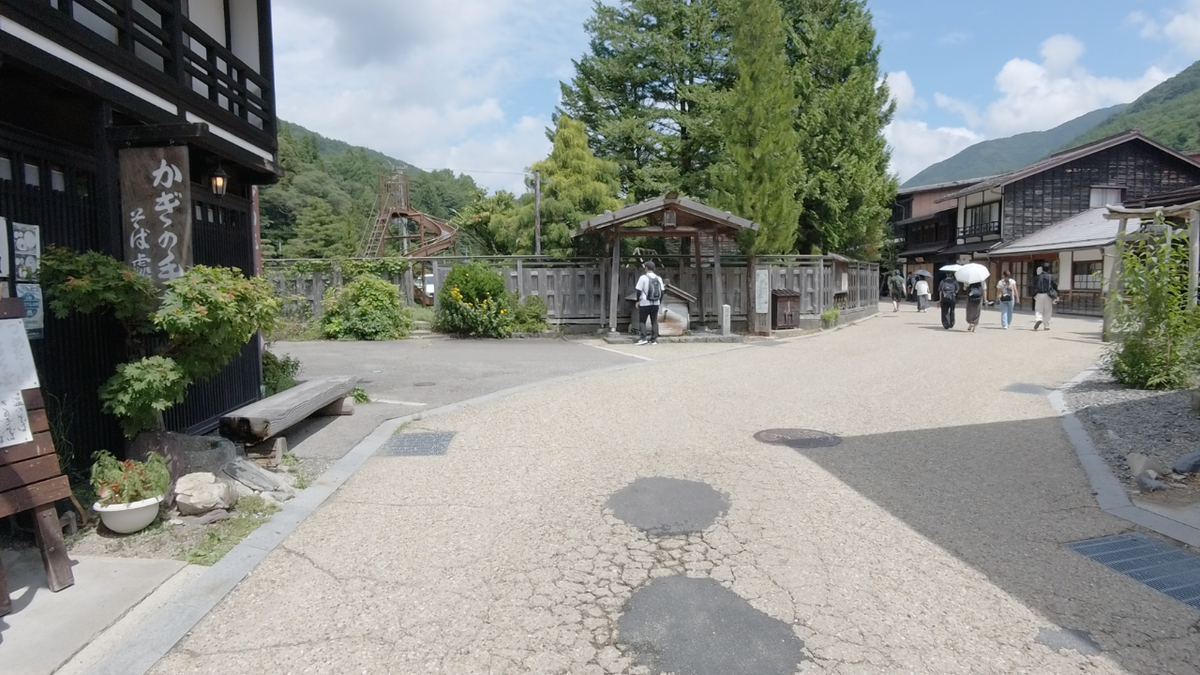
Kagi no Te - Edo-Period Ingenuity
Walking through Narai-juku, you'll notice places where the road bends like a key. This is called "kagi no te" (literally "key hand"), a strategic layout that bent the main road at two right angles to slow down invaders, block sightlines, and protect the post town from attack. These bends also make for an enjoyable, ever-changing walk, adding to the charm of the townscape.
This technique of deliberately bending a path to hinder intruders is also commonly seen in Japanese castles.
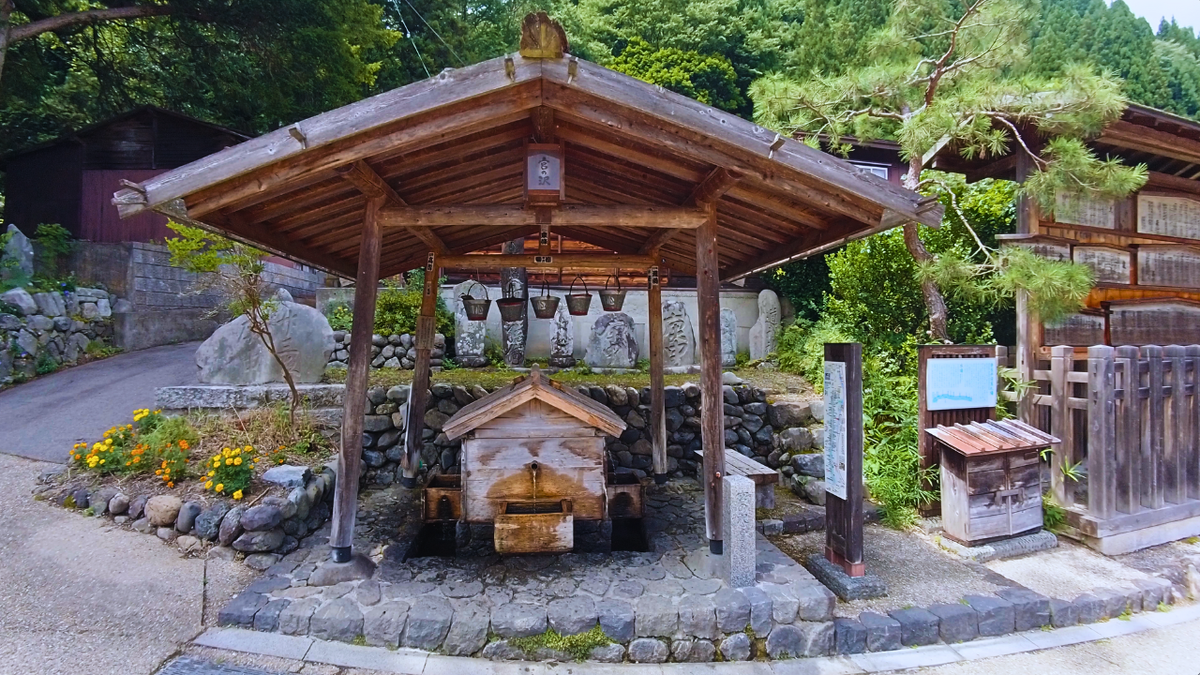
Spring Water Spots - Pure Water That Refreshed Travelers
Narai-juku is dotted with natural spring water spots that have quenched travelers' thirst since the Edo period. The water is still drinkable today, offering the clean, pure taste nurtured by the mountains of Kiso.
Bringing a water bottle to sample this pure water as you stroll is a quintessential way to enjoy Narai-juku.
Exploring the Post Towns Around Narai-juku
After your wonderful experience in Narai-juku, why not visit some of the other charming post towns nearby? Each offers its own distinct appeal and is well worth a visit.
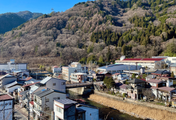
Kiso-Fukushima - A Gateway for Exploring the Kiso Valley
Located about 30 minutes south of Narai-juku, Kiso-Fukushima is an ideal base for exploring the Kiso Valley. It offers plenty of highlights, including the remains of a former checkpoint (sekisho), an old townscape, and a free footbath, along with ample accommodation options.
Tsumago-juku and Magome-juku - Iconic Post Towns of the Nakasendo
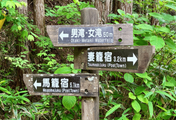
If you're making the trip, it's worth visiting Tsumago-juku and Magome-juku as well. Since they're about 1.5 hours by train from Narai-juku, visiting on the same day isn't practical — we recommend saving them for your second or third day.
In particular, the Magome Pass (Magome-tōge) on the Nakasendo, which links Tsumago-juku and Magome-juku, runs about 8km and takes roughly 3 hours to walk. The trail is easy enough for beginners, and with plenty of other travelers along the way, you can enjoy the Nakasendo hike with peace of mind.
The Best Time to Visit Narai-juku
Narai-juku is like a living museum, showing a completely different face depending on the time of day.
The Quiet Early Morning Is Best
Narai-juku at dawn feels like a secret garden. With few tourists around, you can have 400-year-old Japan almost entirely to yourself amid a quiet, mystical atmosphere. The townscape is especially captivating when mist settles over it in the early morning, looking as though it stepped straight out of a fairy tale.
Magical Nighttime Illumination
Narai-juku at night reveals a beauty all its own, different from the early morning. Warm lights gently illuminate the old buildings, creating a dreamlike atmosphere straight out of a picture book. The lights dotting the long streetscape conjure an endless, dreamlike scene that makes visitors lose track of time.