Practical Travel
Japan Rail Pass (JR Pass) for Unlimited JR Train Rides Prices, How to Buy, and How to Pass Through the Ticket Gate
Updated 16 November 2026By Dynamic Japan Travel editorsEditorial policy
Contents
The Japan Rail Pass, often shortened to "JR Pass," is a ticket that allows unlimited travel on JR trains across Japan for a set number of days. It's a golden ticket for travelers visiting from overseas.
To begin with, travelers in Japan should have an IC card, Suica. Suica can be used on JR trains, subways, private railways, and buses, making it essential for everyone. Additionally, those traveling extensively across Japan or frequently using the Shinkansen should also purchase a JR Pass to make their journey much easier.
There are four key points about the JR Pass.
- Unlimited travel on JR trains, including Shinkansen and limited express trains
- Available only to travelers entering Japan as "Temporary Visitors"; not available to residents
- Valid only on JR; use Suica for subways and private railways
- Cannot be used on the "Nozomi" and "Mizuho" Shinkansen trains with just the pass
For travelers, there's also the Welcome Suica. For instructions on using Suica, see Japan Train Guide: How to Ride Trains.
What is the JR Pass?
With a JR Pass, you can enjoy unlimited travel on JR (Japan Railways) lines. It's more than just a ticket; it's a "free pass" for traveling across Japan by JR. With one pass, you can freely get on and off at almost all JR stations during the period specified on the pass. The total length of JR tracks across Japan exceeds 19,000 km.
Differences Between JR and Private/Metro Railways
Japan has many railway companies, which can be confusing for visitors from abroad. Here's a quick overview.
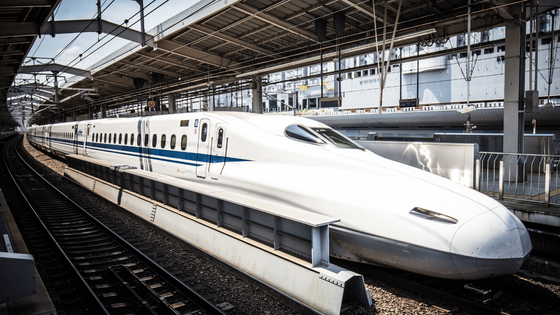
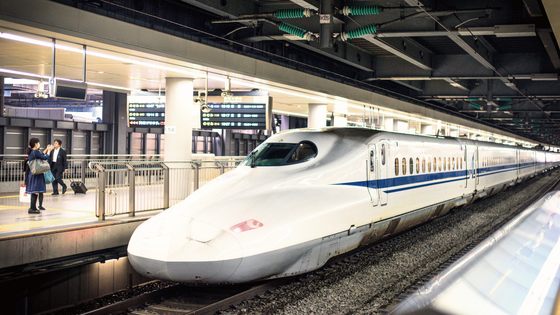
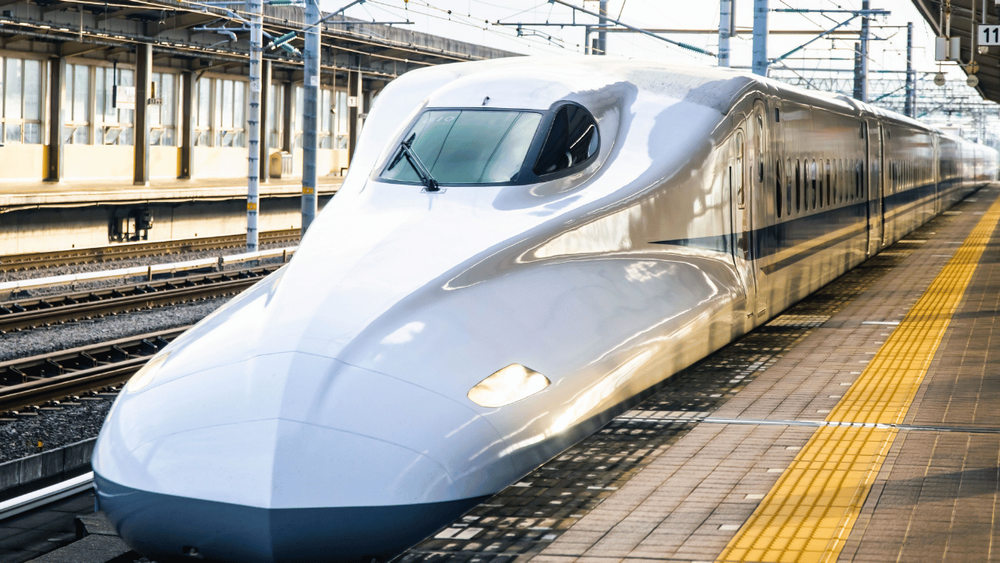
JR was originally a state-operated railway. It used to be a single national railway called "Kokutetsu (Japanese National Railways)" but was divided into regional companies in 1987, becoming JR. Now, six companies—JR Hokkaido, JR East, JR Central, JR West, JR Shikoku, and JR Kyushu—operate passenger trains. Since it originated as a national railway, the tracks span the entire country from Hokkaido to Kyushu. All Shinkansen lines are also operated by JR.
In contrast, private railways are operated by private companies. In Tokyo, there are lines like Keisei and Odakyu, and in Osaka, there is Hankyu. Subways, such as Tokyo Metro, run within cities. Both typically operate within a city and its surrounding areas.
| JR | Private Railways & Subways | |
|---|---|---|
| Origin | National railway (Kokutetsu) | Private companies or city railways |
| Operating Area | Nationwide, connecting cities. Shinkansen is also JR | Within a city and its surroundings |
| JR Pass | Valid | Not valid |
| Suica | Valid | Valid |
At major stations, JR and private railway/subway platforms may be in the same building, but the ticket gates are usually separate. Look for the "JR" mark at JR gates when using a pass.
What You Can Ride with the JR Pass
- JR Shinkansen (excluding Nozomi and Mizuho), limited express, express, rapid, and local trains
- JR trains running within cities, such as Tokyo's Yamanote Line and Osaka Loop Line
- Narita Express, the limited express to Narita Airport
- Tokyo Monorail (connecting Haneda Airport and Hamamatsucho)
- JR buses running within cities (excluding some)
- JR West's Miyajima Ferry (a separate 100 yen Miyajima visitor tax is required when entering the island)
Things Not Covered by the JR Pass
- Subways and private railways (Tokyo Metro, Keisei Line, Odakyu Line, etc.)
- JR express buses connecting distant towns
- Shinkansen "Nozomi" and "Mizuho" (details explained in the section below)
JR express trains sometimes run on private railway tracks. The section on private tracks incurs an additional fee. For example, the express train "Odoriko" to Izu requires a separate fare for the Izu Kyuko section beyond Ito.
Types and Prices of JR Passes
There are two types of JR Pass: Ordinary Car and Green Car. The Green Car is equivalent to first class, offering spacious seating. Both options are available for 7, 14, or 21 days. The table below shows the prices when purchased online from the official site (as of November 2026).
Ordinary Car
| Days | Adult | Child |
|---|---|---|
| 7 days | 50,000 yen | 25,000 yen |
| 14 days | 80,000 yen | 40,000 yen |
| 21 days | 100,000 yen | 50,000 yen |
Green Car
| Days | Adult | Child |
|---|---|---|
| 7 days | 70,000 yen | 35,000 yen |
| 14 days | 110,000 yen | 55,000 yen |
| 21 days | 140,000 yen | 70,000 yen |
Children are aged 6 to 11. Purchasing from overseas travel agencies can cost 2,000 to 7,000 yen more than the official site. Check detailed prices on the JR Pass official site (English).
Do You Need a JR Pass?
After enjoying a sushi lunch in Tokyo, you can head to Kyoto by Shinkansen—such a trip can be affordable with a JR Pass. My British friend purchased a nationwide JR Pass valid for 21 days, traveled from Tokyo to Hiroshima, returned to Tokyo two days later, and then headed to Nagasaki the following day.
For those traveling around Japan by Shinkansen, the JR Pass is truly a golden ticket.
When is a pass cheaper?
However, it's not a bargain for everyone. For example, a reserved seat on the Tokaido Shinkansen "Hikari" from Tokyo to Shin-Osaka costs 14,400 yen one way (adult fare during regular season). A round trip totals 28,800 yen, which is cheaper than the 7-day pass (50,000 yen).
In other words, if you're just making a round trip between Tokyo and Osaka, you don't need the pass. Additionally, local trains running near towns are much cheaper than the Shinkansen. If you're traveling only by local trains, the cost often doesn't reach the price of the pass.
Add up the ticket prices for the Shinkansen and limited express trains you plan to take. If it exceeds 50,000 yen in 7 days, the pass is more economical.
Compare
Is Suica Enough? Should You Buy a JR Pass?
Anyone can have a Suica card. After that, plan your trip accordingly.
Suica only
Suica (and regular tickets)
- Sightseeing within a single city like Tokyo or Kyoto
- I often take the subway, private railways, and local trains.
- The Shinkansen runs only 1-2 times.
Suica + JR Pass
Also buy a JR Pass.
- Travel to multiple distant towns by Shinkansen or express train.
- When you add up the ticket prices, they exceed the cost of the pass.
- I want to travel all over Japan.
Even if you buy a JR Pass, you still need a Suica. Use the JR Pass for JR lines, and Suica for subways, private railways, and buses.
Regional JR Pass
If you're traveling in just one region, consider the regional JR Pass, which is valid only in that area. It's recommended for those staying in a specific area. For those visiting multiple regions, compare the national JR Pass prices. Check the prices and valid areas on each company's official website (in English).
- JR Hokkaido Rail Pass
- JR East Pass (Tohoku Area, Nagano/Niigata Area, etc.)
- JR West Pass (Kansai Area, Hokuriku Area, Sanyo/San'in Area, etc.)
- JR Shikoku Pass (All Shikoku Rail Pass, etc.)
- JR Kyushu Rail Pass (All Kyushu, Northern Kyushu, Southern Kyushu)
How to Buy a JR Pass
There are two official ways to purchase a JR Pass.
- Buy online from the official website: This is the most convenient option. You can reserve seats on the Shinkansen and limited express trains before coming to Japan. Payment is by credit card, and a passport number is required.
- Buy from designated travel agencies overseas: You purchase an "exchange order" (a paper to be exchanged for the pass at a station later).
The pass can only be used within the period specified on it. The start date cannot be changed later. Additionally, it cannot be reissued if lost, so keep it safe.
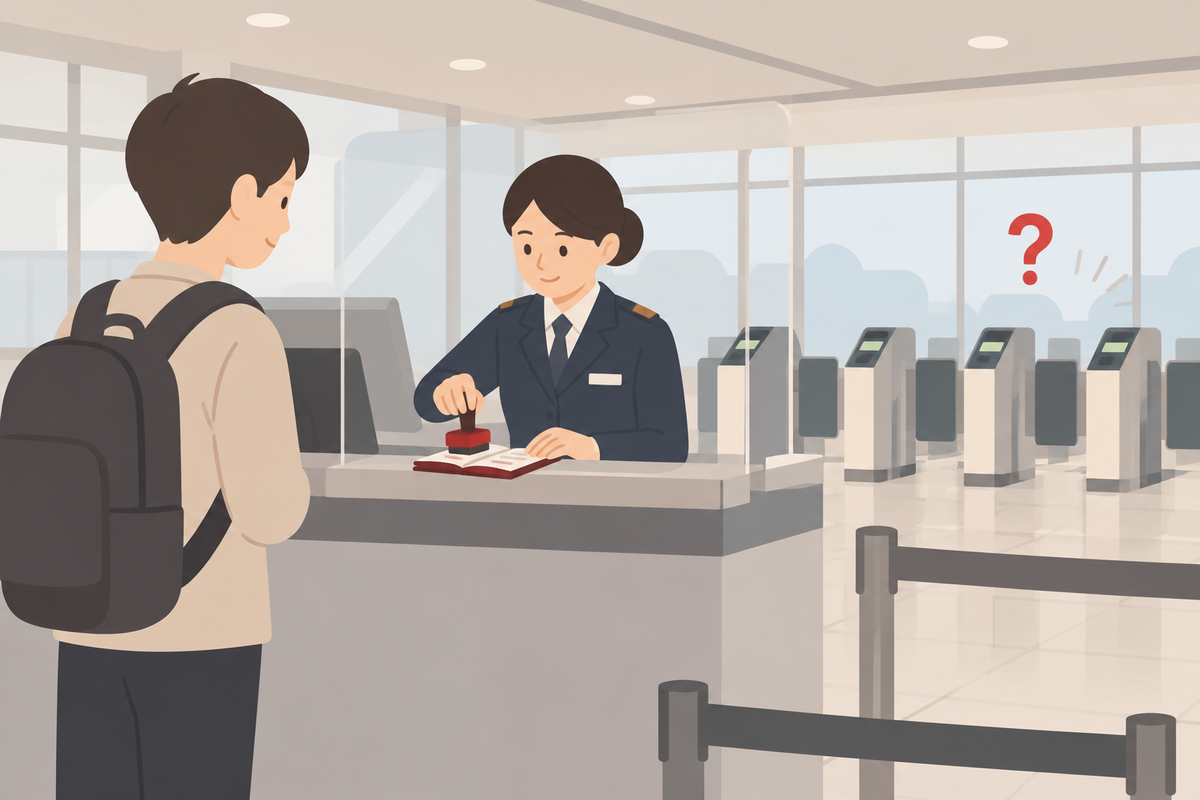
The most important thing to be cautious about is during entry. Only those with a "Temporary Visitor" stamp or sticker on their passport can receive a JR Pass. Airports have gates where you can enter using machines only, but you won't get a stamp there. Line up at a staffed counter or ask an attendant for a stamp.
How to
From Purchase to Boarding
1Buy a pass before coming to Japan.
Purchase online from the official website or buy an exchange voucher from an overseas travel agency. Exchange the voucher for a pass within three months of issuance.
2Receive a stamp upon entry
Upon entry, immediately check your passport for a "Short-Term Stay" stamp or sticker.
3Pick up your pass at the station
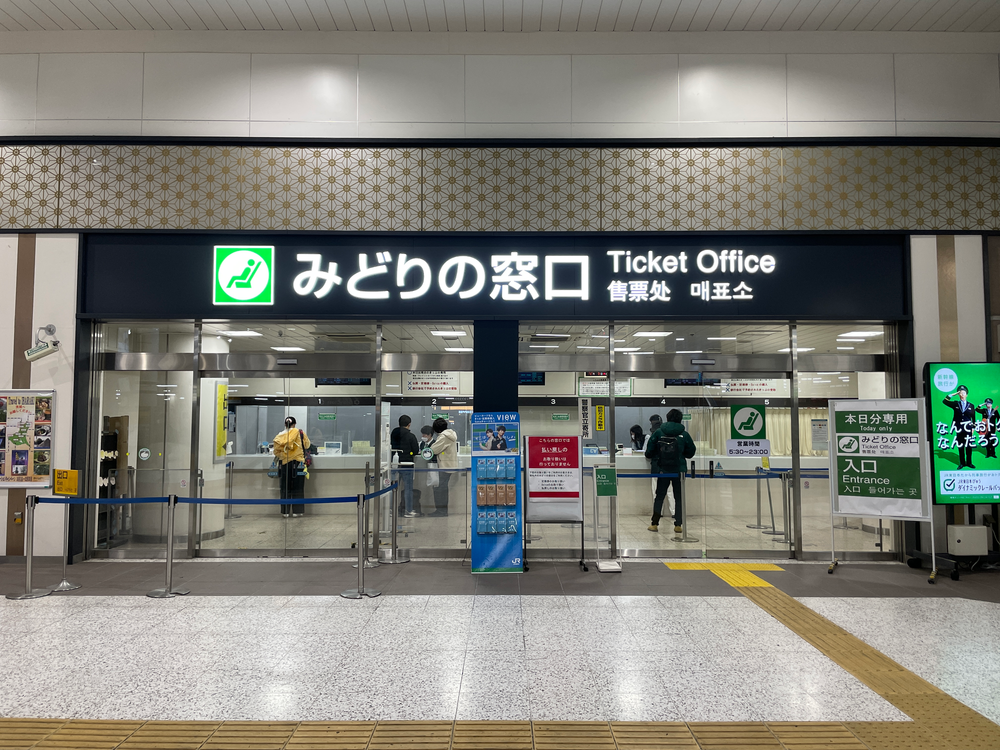
JR's ticket counter is called "Midori no Madoguchi." In English, it is labeled as Ticket Office. Show your passport at major station counters like Narita Airport, Haneda Airport, and Tokyo Station to receive it. If purchased on the official website, you can also collect it from station machines (reserved seat ticket machines). It's available at some JR East and JR West stations. Collect the pass on or before the start date of use.
4Reserve a seat and ride
Reserve a seat and board the train using the following steps.
How to Reserve a Seat
With a JR Pass, you can reserve seats on Shinkansen and limited express trains for free. You can sit in non-reserved seats (seats that don't require a reservation) with just the pass. However, some trains have only reserved seats. During busy travel periods, it's reassuring to book early.
The fastest way is to use the station's reserved seat ticket machine (a machine where you can reserve seats). Press "JAPAN RAIL PASS" on the screen, scan the pass's QR code, and enter your passport number. Select your destination and time, and a reserved seat ticket will be issued. The screen can be switched to English.
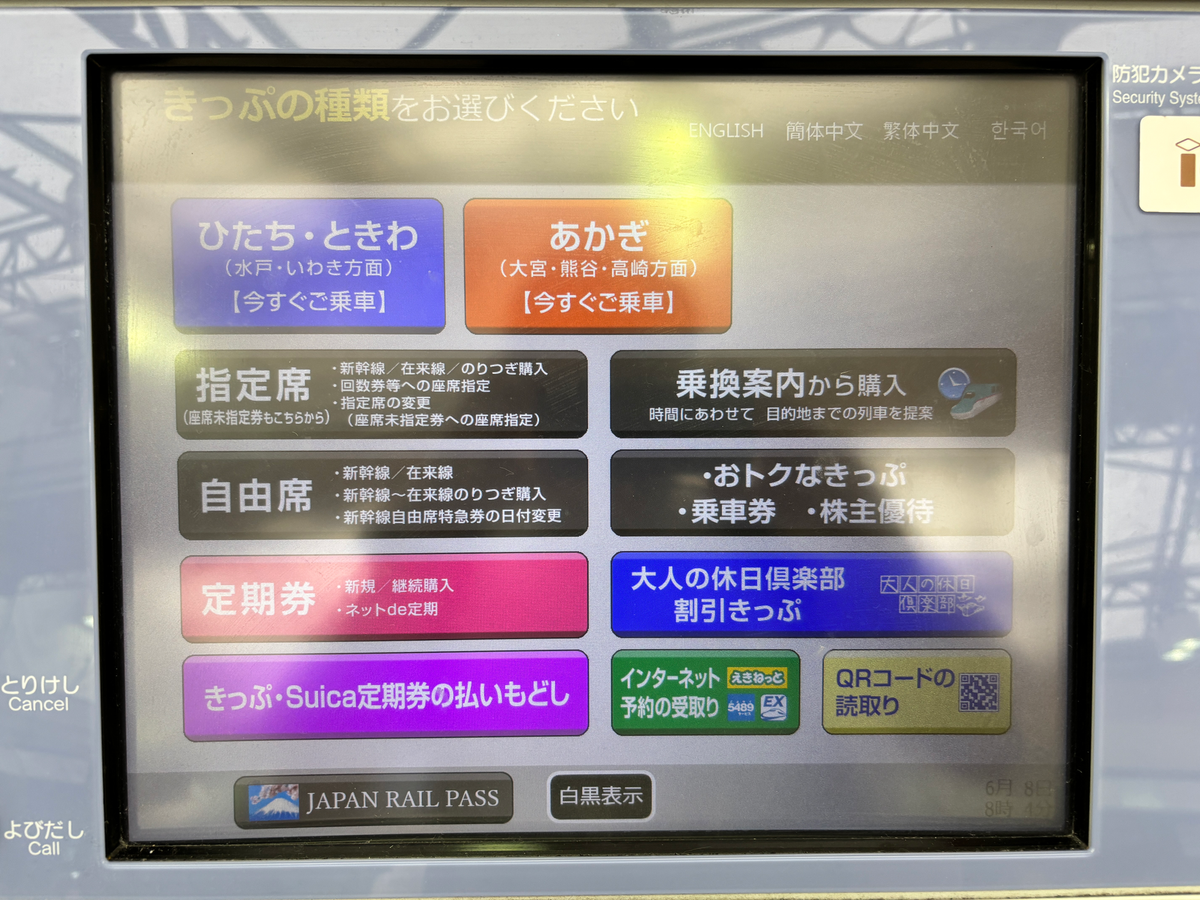
If the machine is confusing, you can show your pass at the Midori no Madoguchi to make a reservation. Those who purchased a pass on the official website can book online and pick up their reserved seat ticket at the station machine.
There are rules for large suitcases. On the Tokaido, Sanyo, and Kyushu Shinkansen (Tokyo-Osaka-Hakata-Kagoshima), when bringing luggage that exceeds 160 cm in total dimensions (length, width, height), you must reserve a seat with a luggage space in advance.
When Passing Through Ticket Gates with a JR Pass
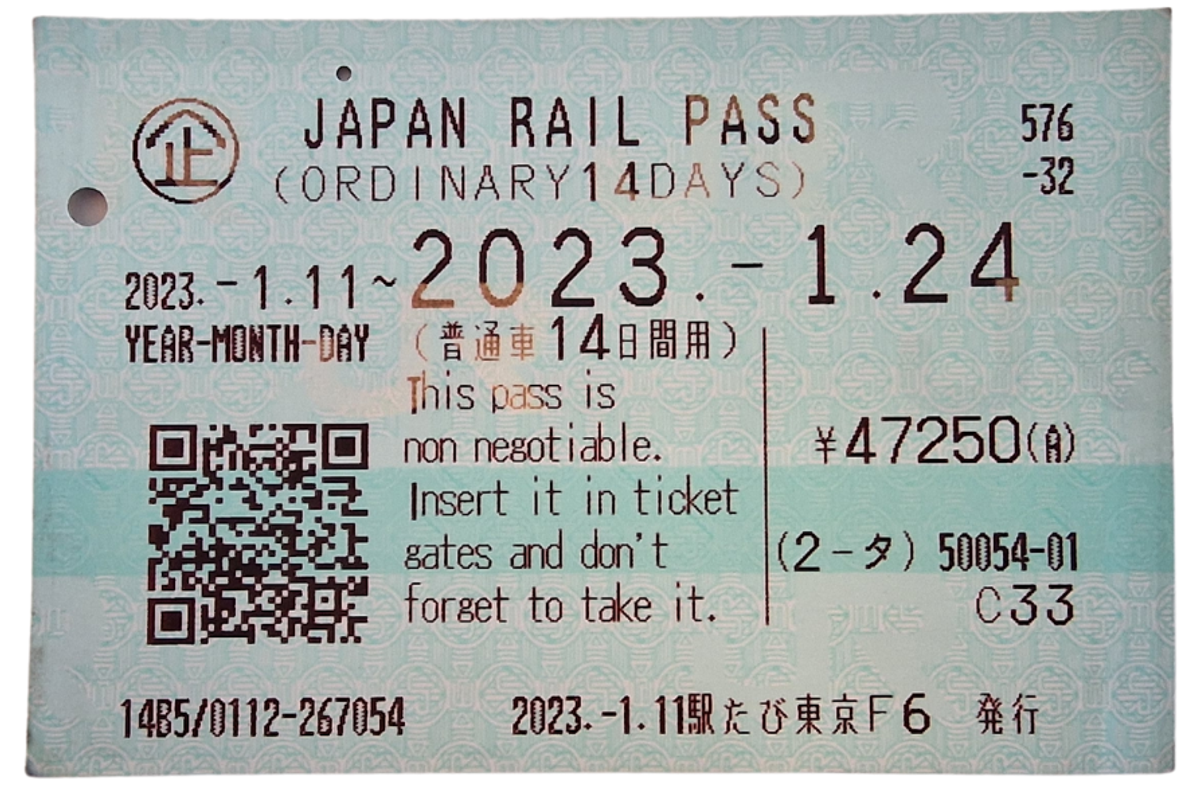
Once you have your pass, it's time to board the train. The JR Pass can be used at automatic ticket gates. Insert the pass into the ticket slot of the gate, and be sure to retrieve it from the other side. If you forget to take it, you won't be able to exit the gate at your destination station.
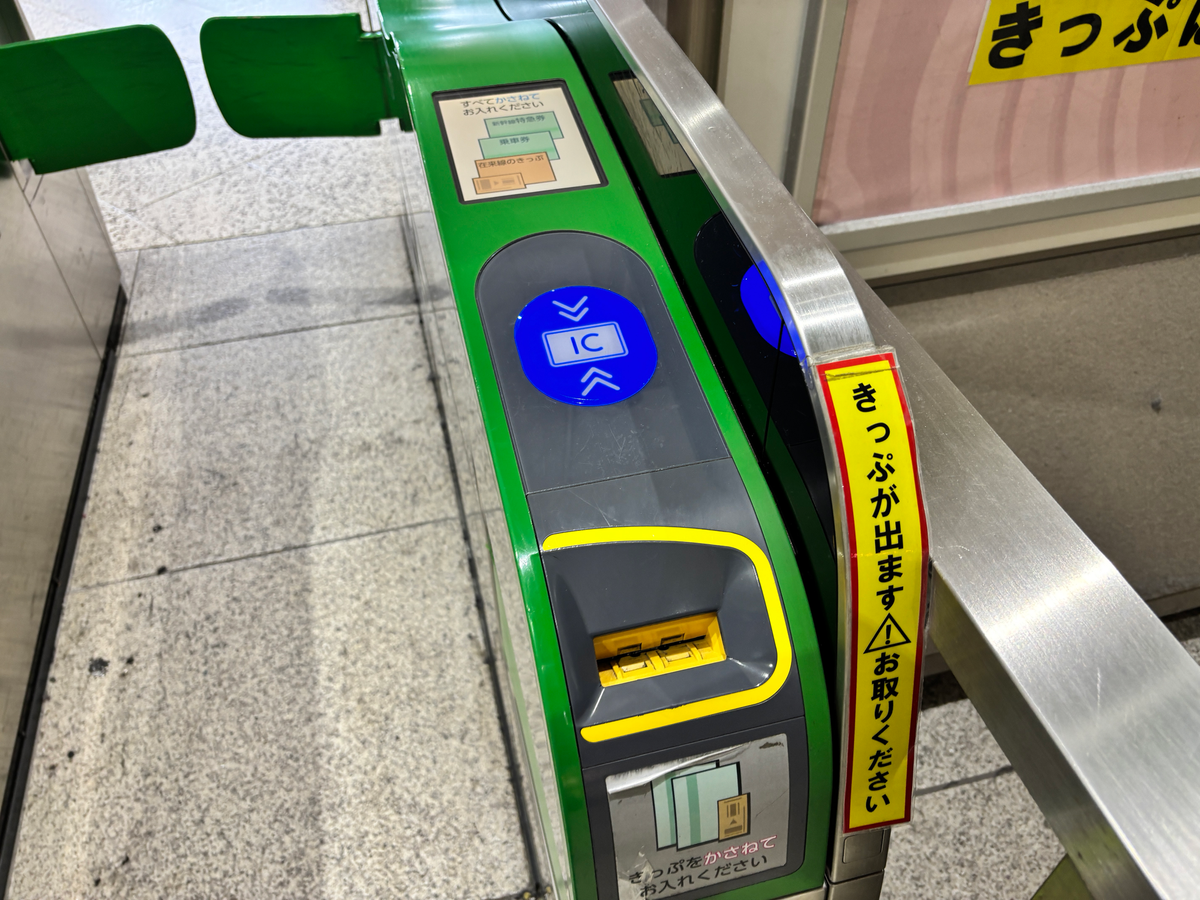
There are three things to watch out for.
- You cannot pass through the gates marked "IC only." They do not have a slot for tickets.
- Only the pass can be inserted into the gate. Inserting only a reserved seat ticket won't open the gate. Use the reserved seat ticket to find your seat on the train.
- If you're unsure, head to the gate with a station attendant. Show your pass to the attendant to pass through.
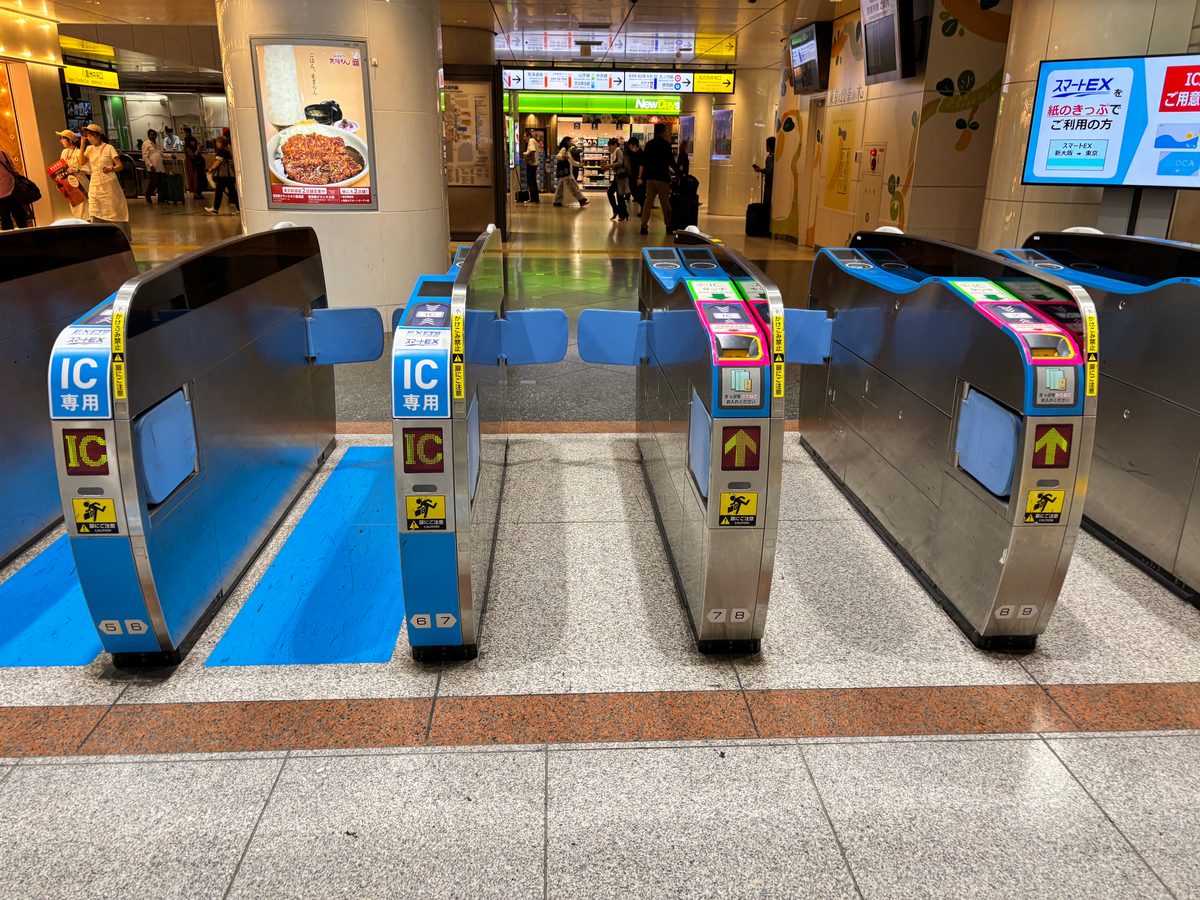
At Shinkansen stations, you may pass through two sets of gates: one for conventional lines (regular JR trains) and another for the Shinkansen. Insert your pass at both gates. Detailed information about Tokyo Station's gates is available in the Tokyo Station Shinkansen Boarding Guide.
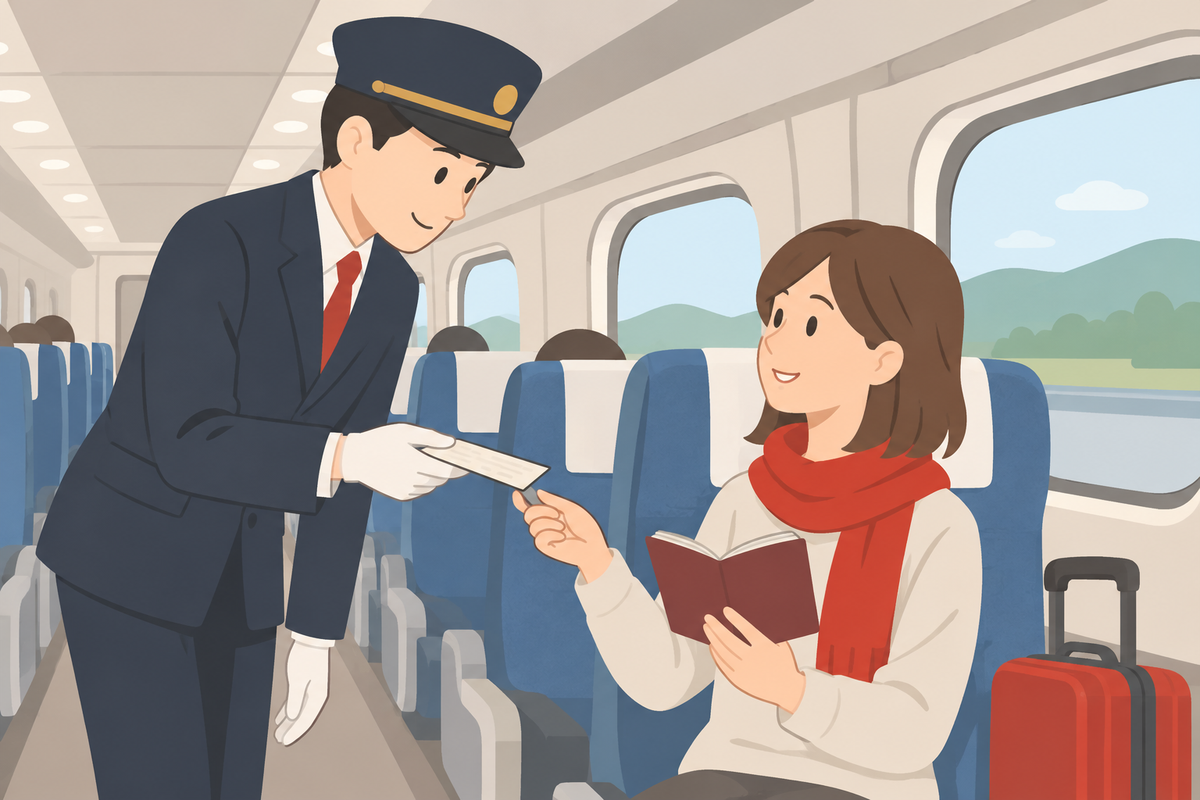
While using the pass, always carry your passport. Station staff or conductors may ask to see it.
JR Pass Restrictions: Riding Nozomi and Mizuho
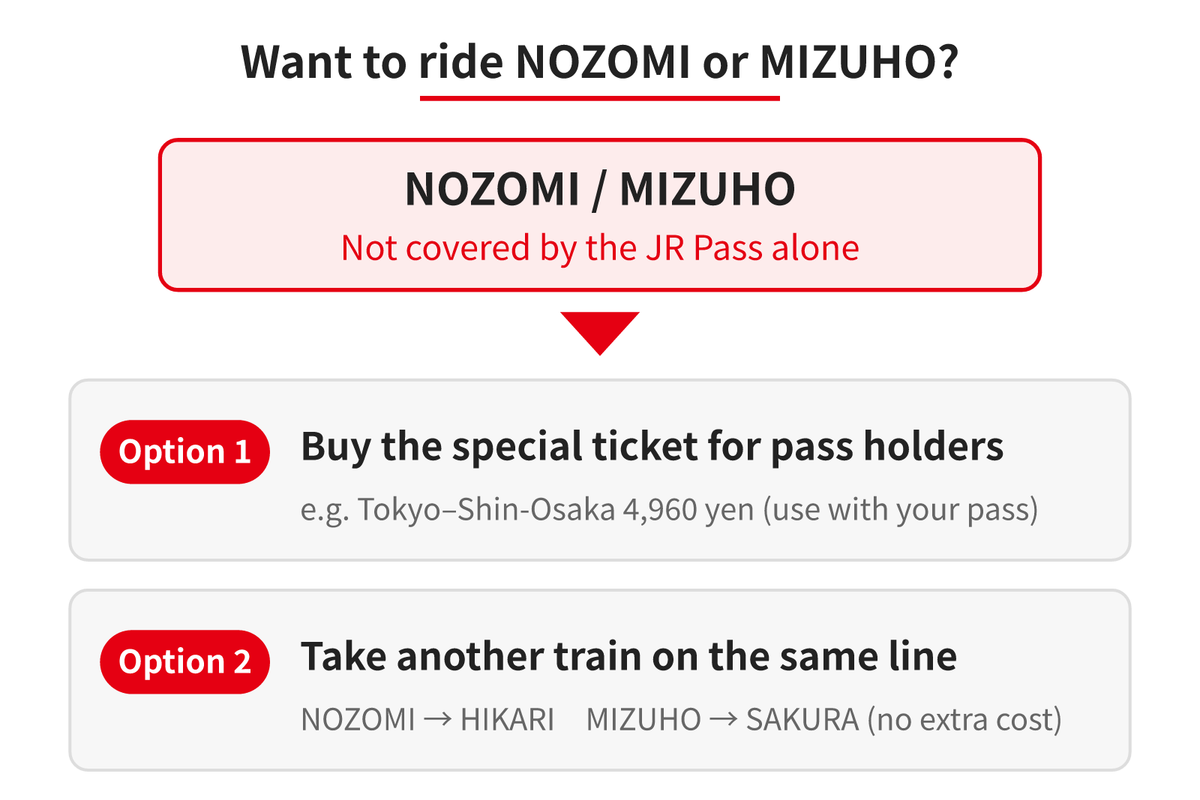
The "Nozomi" and "Mizuho" trains on the Tokaido, Sanyo, and Kyushu Shinkansen lines cannot be boarded with just a pass. Even non-reserved seats are not available. There are two ways to ride them when you want to.
Method 1: Purchase a JR Pass-exclusive ticket
There is a "JR Pass Exclusive Nozomi/Mizuho Ticket" available only for JR Pass holders. When used with the pass, you can ride the Nozomi and Mizuho trains. Here are some example prices:
| Section | Price |
|---|---|
| Tokyo to Nagoya | 4,180 yen |
| Tokyo to Kyoto | 4,960 yen |
| Tokyo to Shin-Osaka | 4,960 yen |
| Tokyo to Hiroshima | 6,500 yen |
| Shin-Osaka to Hakata | 4,960 yen |
| Hakata to Kagoshima-Chuo | 5,150 yen |
The price is the same for reserved and non-reserved seats. Tickets can be purchased from one month before the travel date up to the day of travel at station ticket machines or Midori no Madoguchi counters. You need to buy a ticket each time you travel. This ticket alone cannot be used at the ticket gates, so use the pass at the gates. For more details, please see the official website explanation (English).
Method 2: Ride Hikari or Sakura (No Extra Cost)
Another option is to take a different Shinkansen running on the same tracks. This won't cost you extra.
- Instead of Nozomi, take Hikari or Kodama
- Instead of Mizuho, take Sakura or Tsubame
It takes a bit longer due to more stops, but you'll arrive at the same station. The differences between Nozomi, Hikari, and Kodama are explained in detail in the next article.
Beyond the Big Cities with a JR Pass
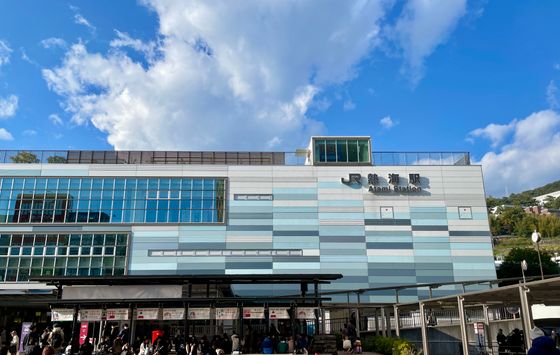
The JR Pass can be used for trips outside major cities. For example, the Nozomi doesn't stop at Atami. You can reach Atami from Tokyo using the Hikari or Kodama, so the pass covers the trip (How to get from Tokyo to Atami). The pass is also valid for the Shinano limited express from Nagoya to the post towns of Kiso Valley and for local trains on the Chuo Line (Traveling Kiso Valley and Nakasendo by train).
Before purchasing the JR Pass, add up the ticket prices to the towns you want to visit. Also, don't forget the entry stamp upon arrival.