Nature & Adventures Tateyama Kurobe Alpine Route, Toyama
Crossing the Tateyama Kurobe Alpine Route in One Day: A Complete Guide
Updated 22 October 2026Dynamic Japan Travel editors, checked by a licensed travel agency (Aichi No. 3‑1590)Editorial policy
Contents
From a valley of autumn colour to a midwinter snowfield — late November, the Tateyama Kurobe Alpine Route's final week of operation, is a quietly brilliant time to go: a relay of vehicles spanning some 2,000 metres of elevation lets you pass through both autumn and winter in a single day. There are no towering corridors of snow like the Snow Wall (Yuki-no-Otani) that draws crowds in spring, but the queues are short, and up at Murodo a silent expanse of snow is waiting. This article walks you through one full day of crossing — from Ogizawa on the Nagano side to Tateyama Station on the Toyama side, six vehicles and one stretch on foot — in the order we actually travelled it.
You can comfortably cross this route on your own, without joining a tour. Do note, though, that the entire route shuts down in winter (December to mid-April); a typical season runs from mid-April to around November 30. Late November is quite literally the season of the "last runs." Before you plan anything else, check the operating dates and the weather. Same-day service updates and the operating calendar are posted on the official Tateyama Kurobe Alpine Route website.
First, the two things that matter most. Dress for crossing from autumn into winter in a single day—the foothills may be ablaze with autumn color while Murodo is in the grip of midwinter, so a down jacket, waterproof shoes and gloves are essential (sunglasses are reassuring too, against the glare off the snowfields). And the crossing takes more than half a day. The sun sets early in late November, so the single best tip is to leave Ogizawa as early in the morning as you possibly can.
The Starting Point Is Ogizawa Station—And You Get There by Bus
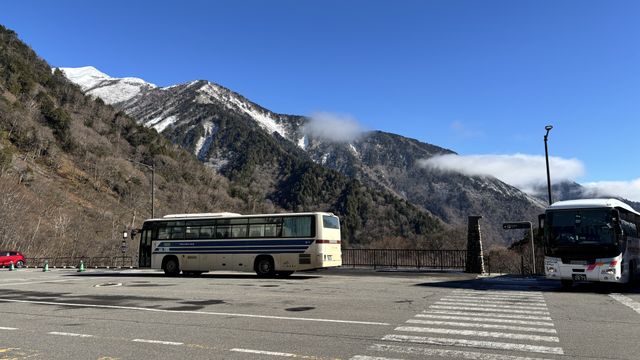
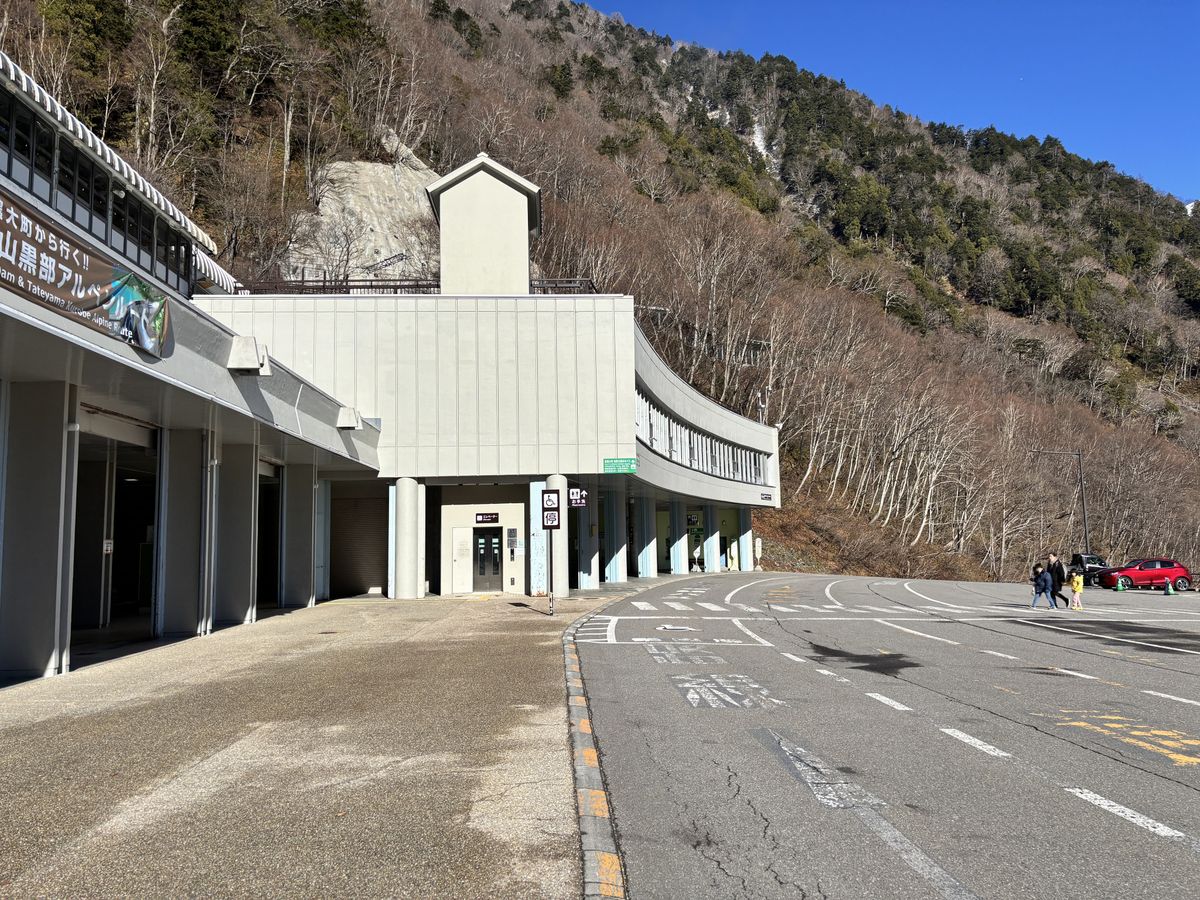
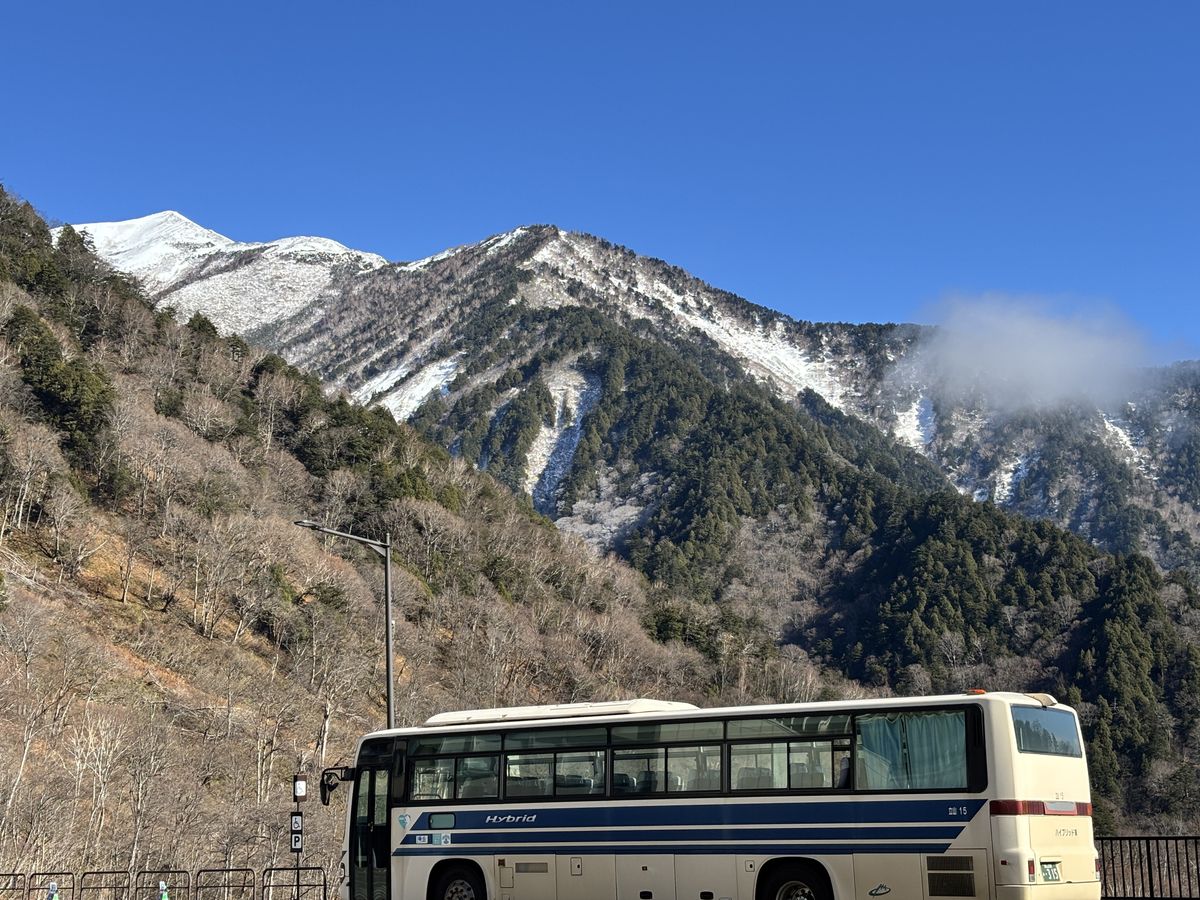
Ogizawa, where the crossing begins, is a bus terminal standing all by itself among the mountains. No railway line reaches it; by public transport you arrive either on the limited express bus from Nagano Station (about 1 hour 45 minutes) or on the local bus from Shinano-Omachi Station. The earliest departures fill up with people setting out to cross, so it pays to stay the night near Ogizawa or to aim to arrive early. Our companion article explains how to get there from Tokyo in detail.
A Day on the Route: Ogizawa to Tateyama Station in Seven Legs
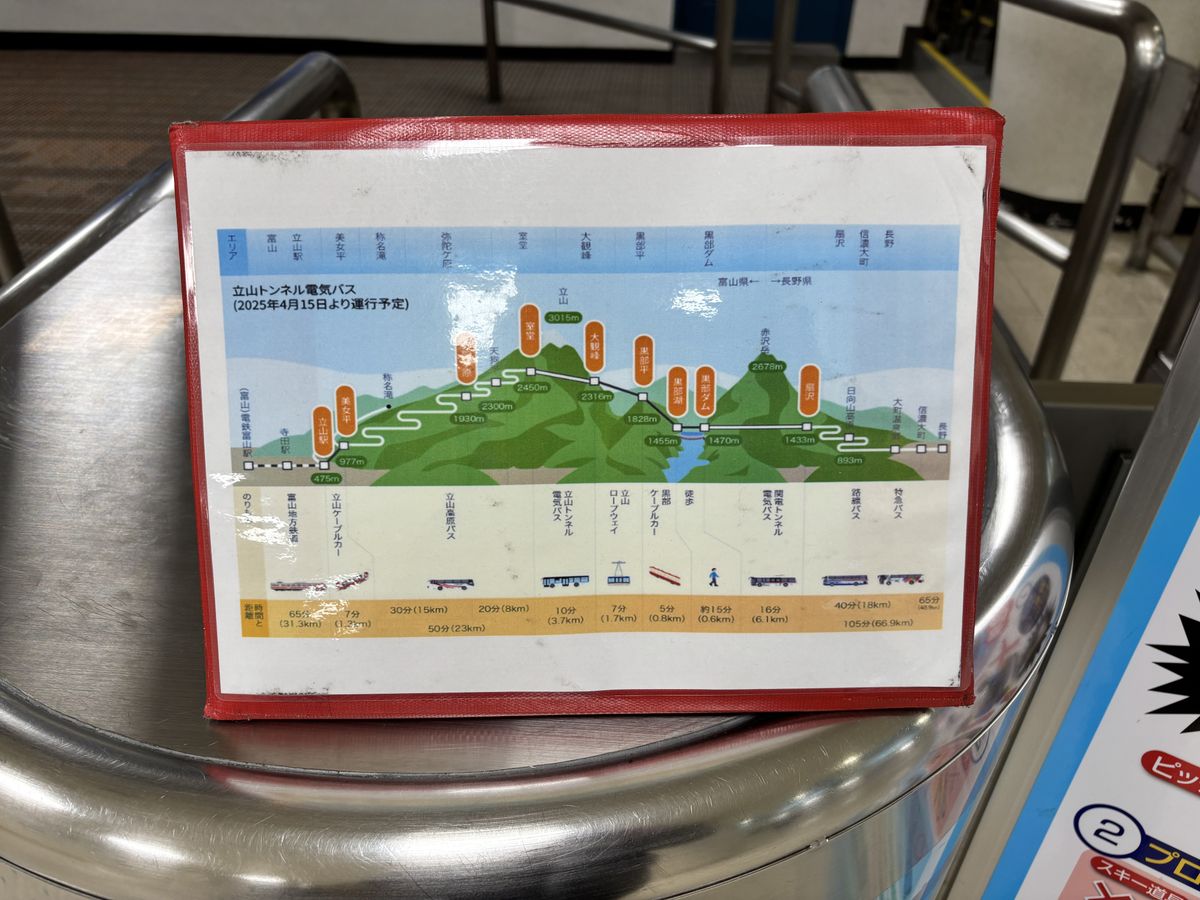
1. Kanden Electric Bus (Ogizawa → Kurobe Dam)
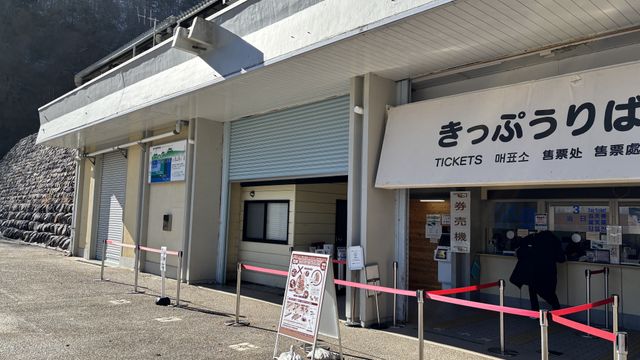
The crossing begins at Ogizawa Station, where an electric bus carries you through the Kanden Tunnel to Kurobe Dam (about 16 minutes). The boarding platform is on the upper floor of the station building, a level above the ticket counters, so give yourself a little extra time to get up there before departure. The first bus of the day fills with people making the full crossing, so staying overnight near Ogizawa — or aiming to arrive first thing in the morning — makes everything that follows far easier. Leave large suitcases behind and send them ahead with the luggage forwarding service described below; travelling light is essentially a requirement here.

2. Walking Across the Kurobe Dam Crest (Kurobe Dam Station → Kurobeko Station)
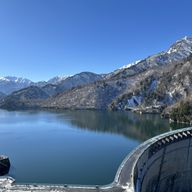
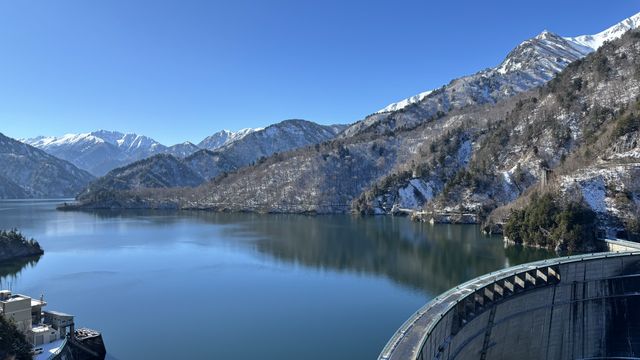
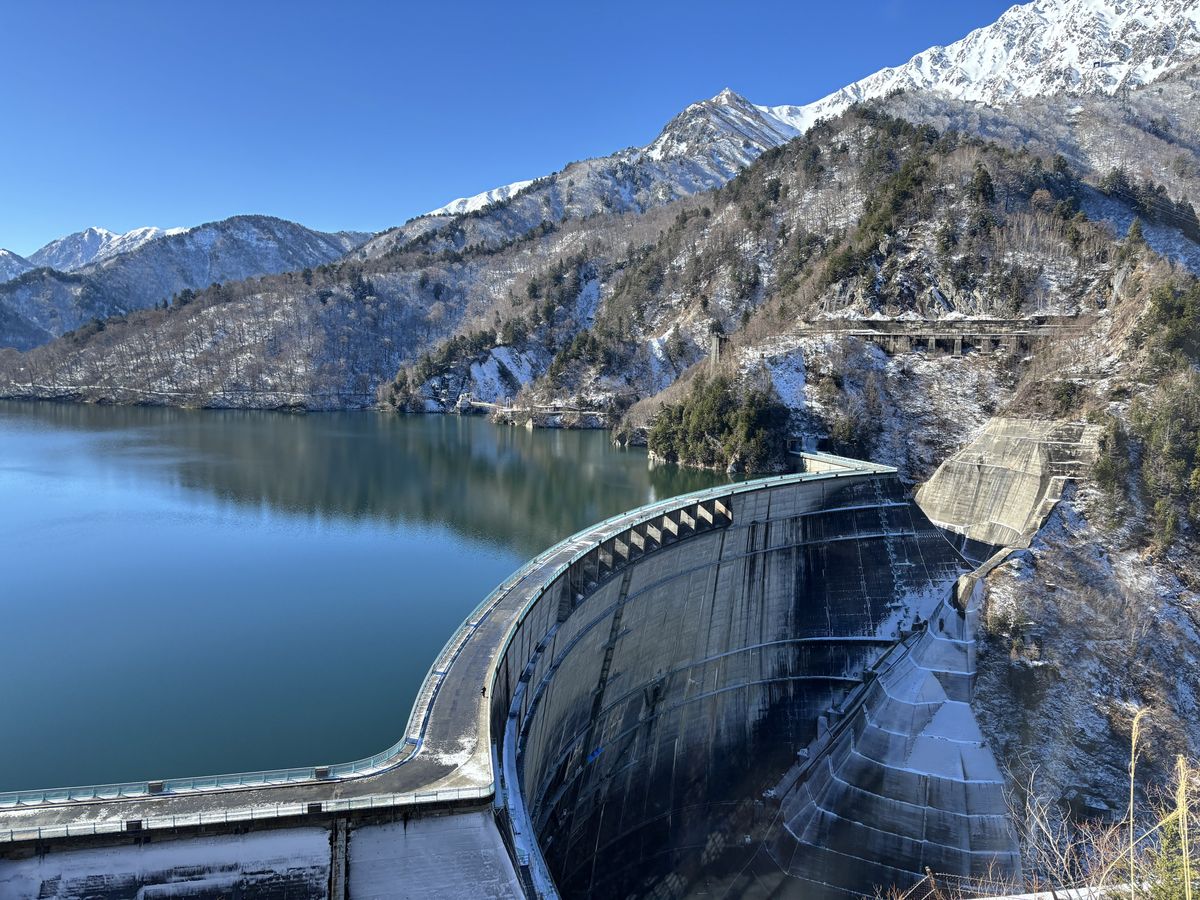
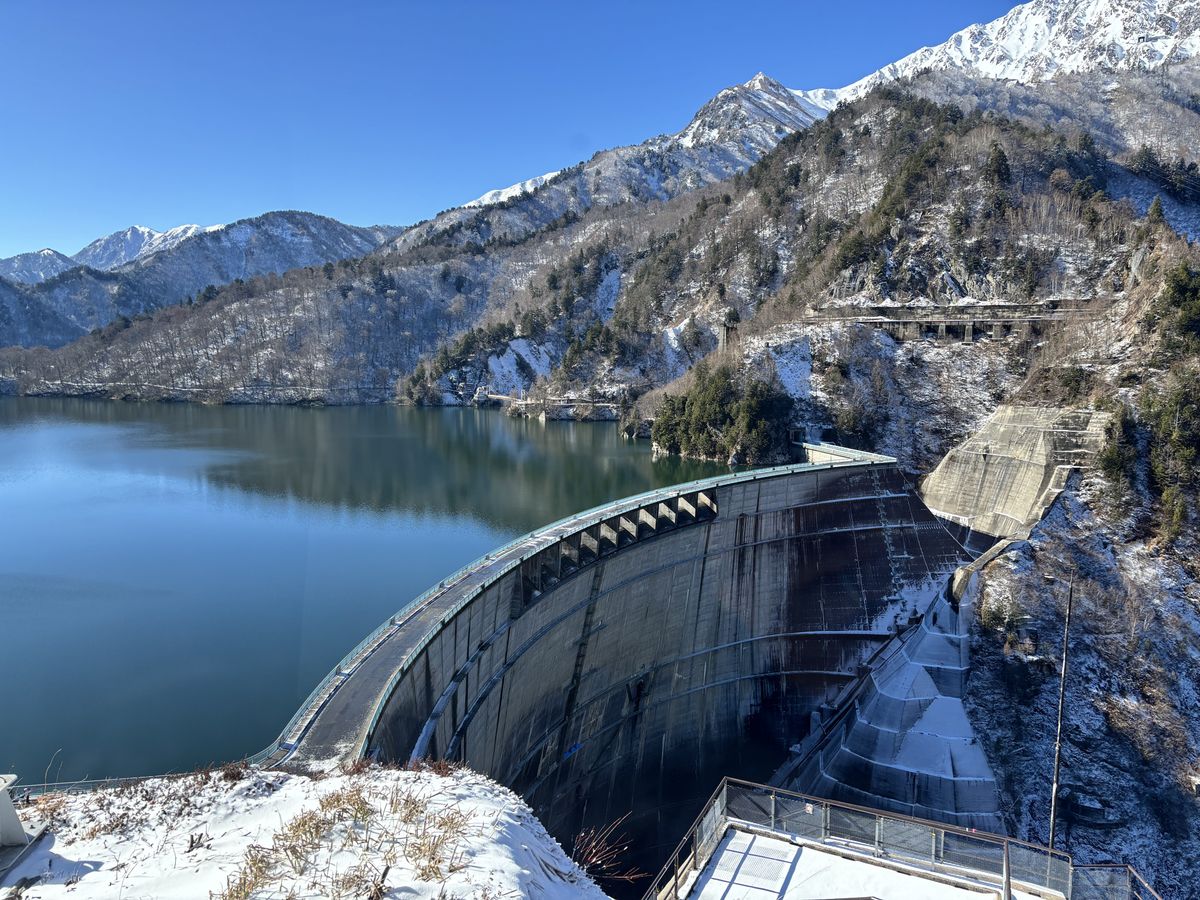
Step off the bus and you reach the only stretch of the route you cover on foot: a walk along the crest of Kurobe Dam to Kurobeko Station on the far side (about 15 minutes). With the reservoir on one side and the valley floor dropping away on the other, it is one of the highlights of the whole crossing. Inside the station the way divides — stairs up to the observation deck, or a passage straight out onto the crest — so if you are short on time, head for the crest. Note that the dam's famous sightseeing water discharge finishes in autumn each year and is not running in late November. For what to see at the dam and how to work your way around it, see our companion article, the complete guide to Kurobe Dam.

3. Kurobe Cable Car (Kurobeko → Kurobedaira)
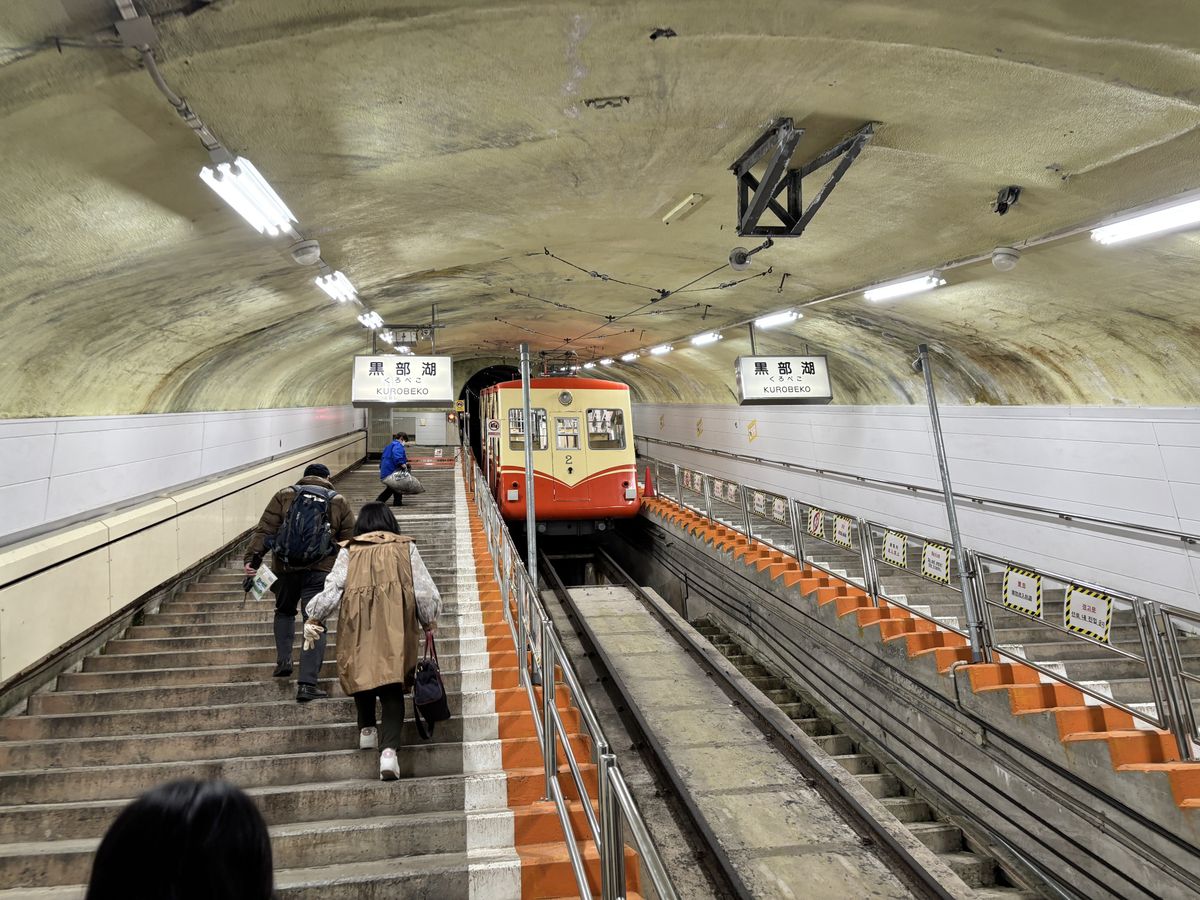
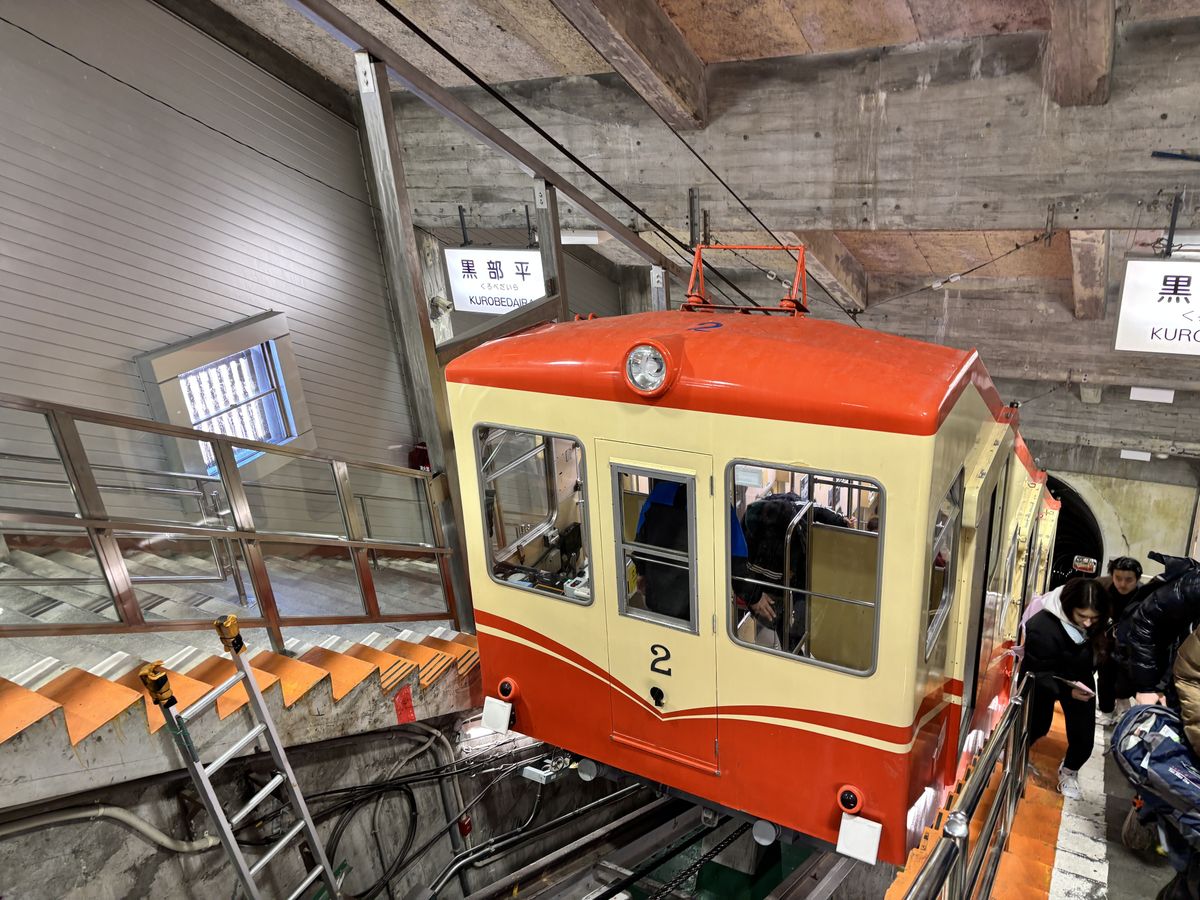
From Kurobeko Station at the far end of the dam, an unusual cable car — the entire line runs underground inside a tunnel — climbs to Kurobedaira (about 5 minutes). It was built below ground to protect the landscape and guard against snow damage, so there is no view from the windows; save your anticipation for the ropeway that comes next. Boarding starts only just before departure, so don't worry if you find a queue already formed.
4. Tateyama Ropeway (Kurobedaira → Daikanbo)
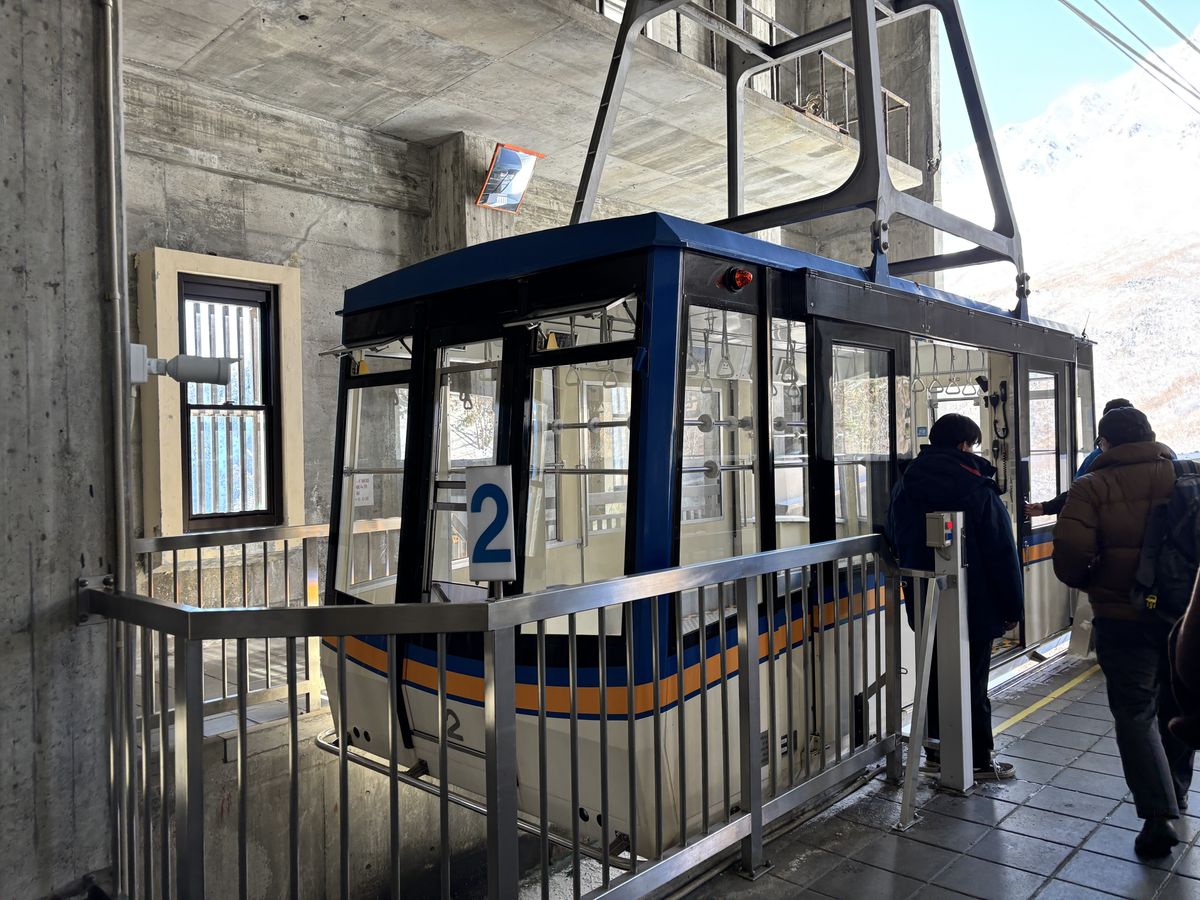
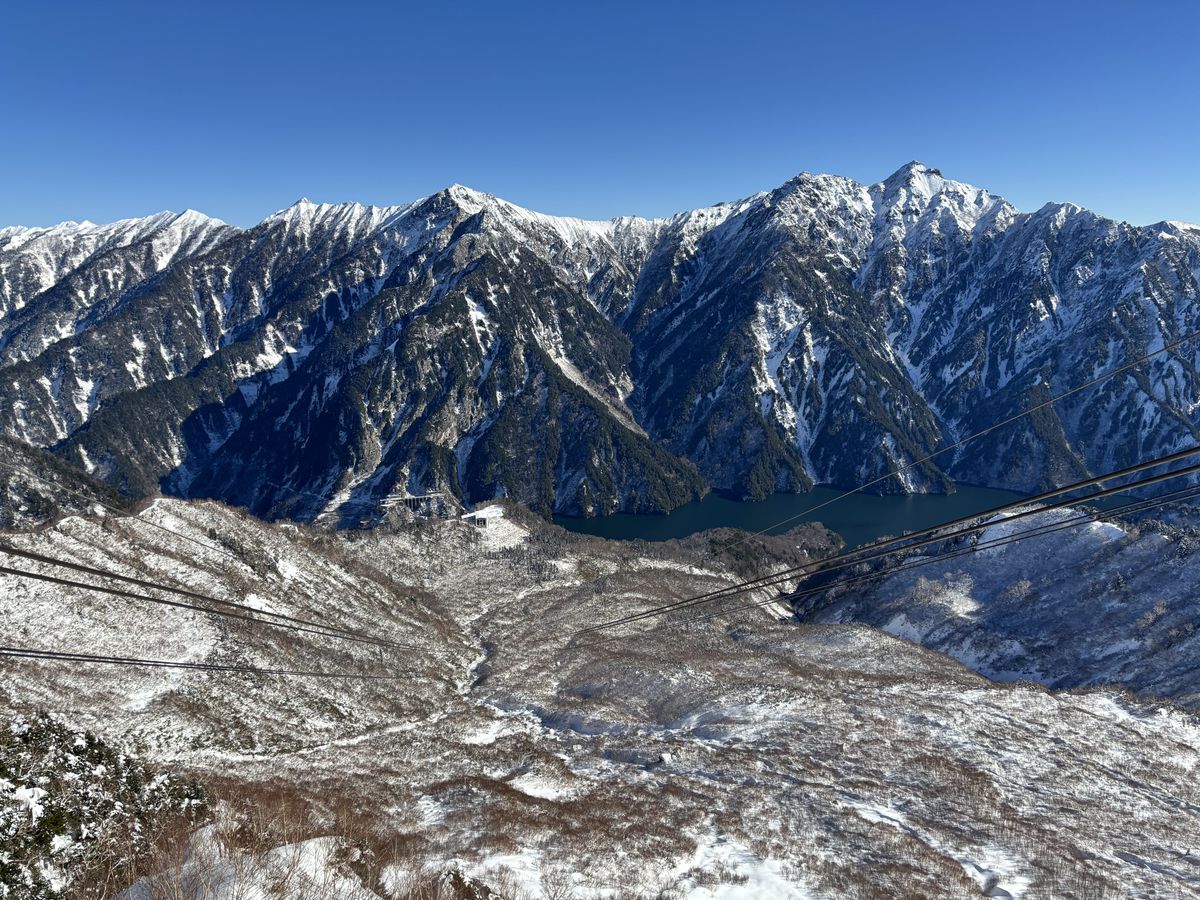
From Kurobedaira, a single-span ropeway strung without a single support tower lifts you straight up to Daikanbo (about 7 minutes). Look back and you have Lake Kurobe and the Ushiro-Tateyama range; look ahead and the snow-clad slopes of Tateyama rise up to meet you. It is the finest viewing stretch on the entire route. For the best of it, stand on the Lake Kurobe side — the rear of the car as you board. In peak season numbered tickets are sometimes issued, but short waits are another advantage of coming in late November.
5. Tateyama Tunnel Electric Bus (Daikanbo → Murodo)
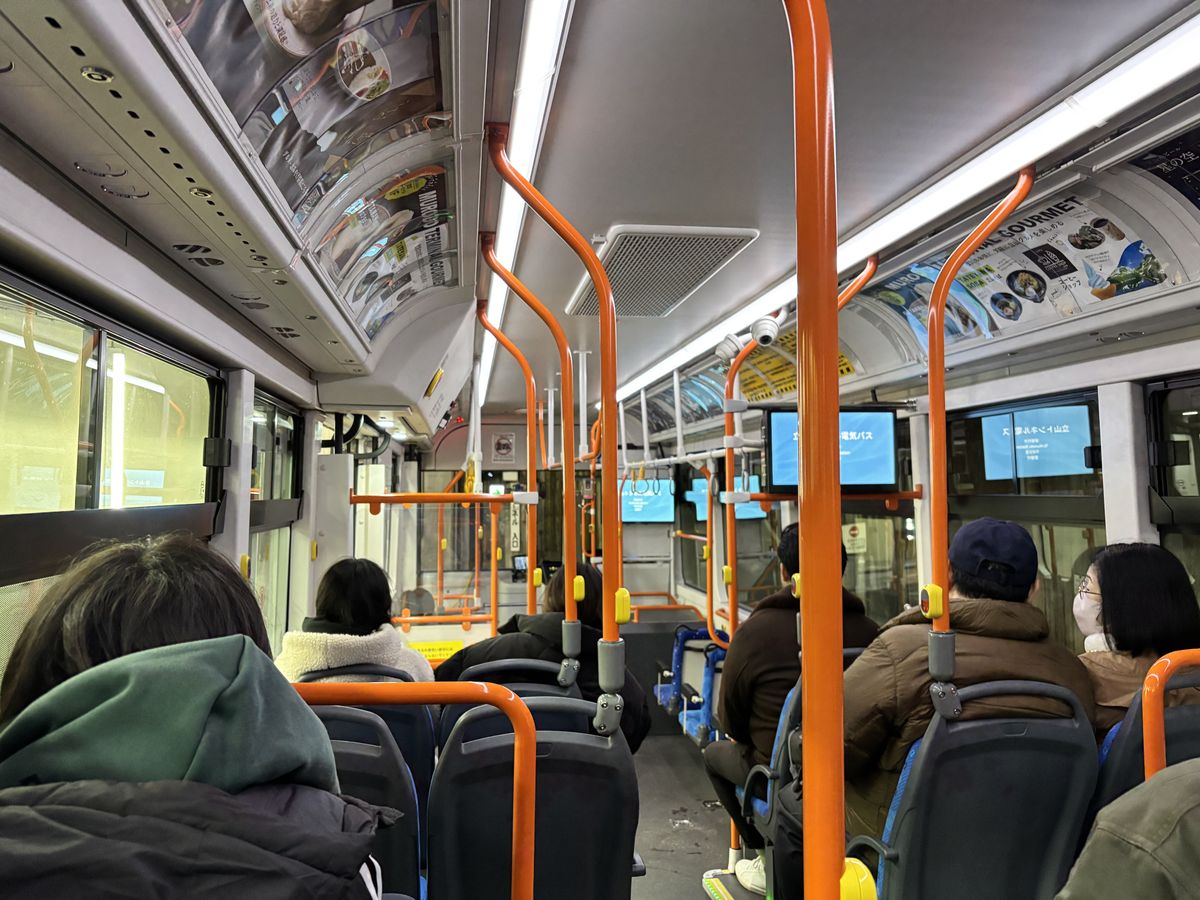
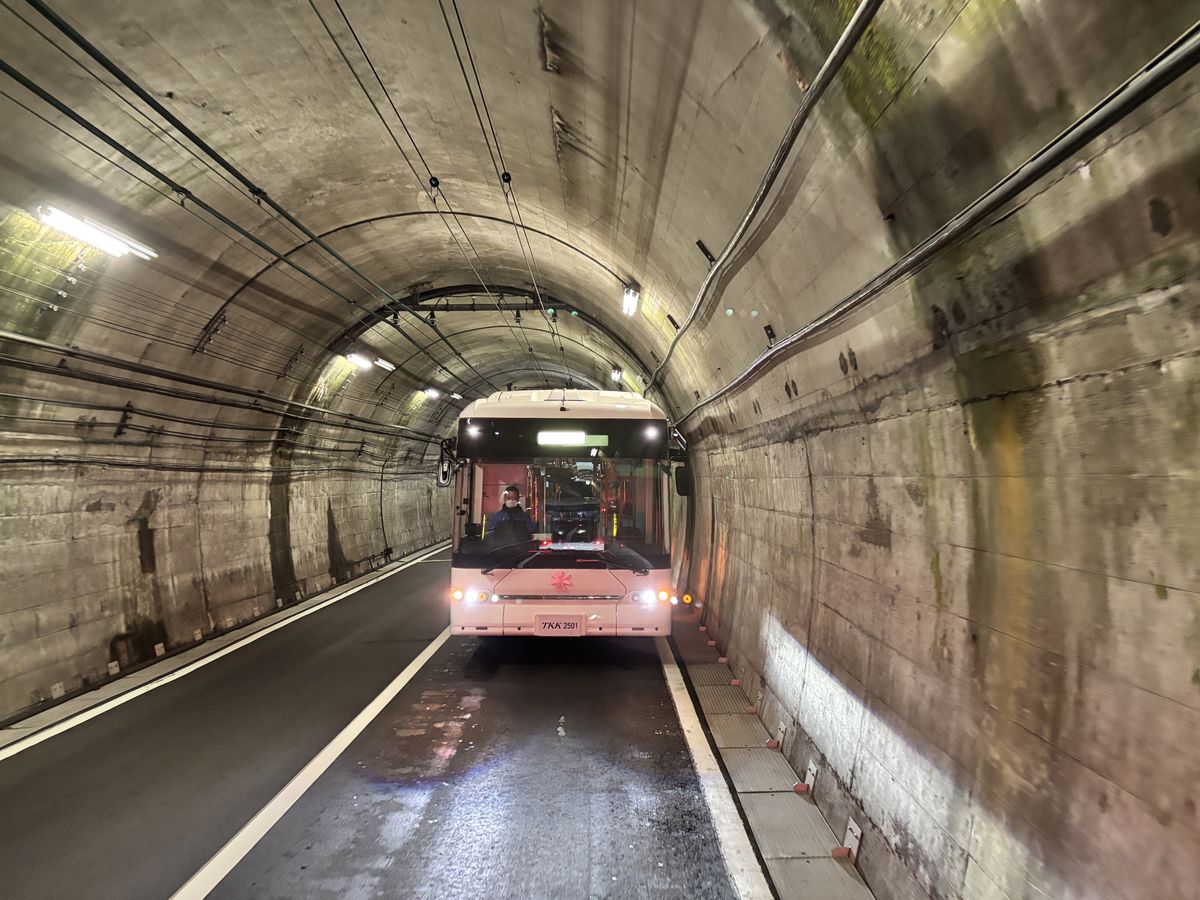
From Daikanbo an electric bus runs through a tunnel bored clean through the body of the mountain to Murodo, the highest point on the route (about 10 minutes). It is a short hop between two stations buried inside the tunnel, but it is the last door you pass through before stepping out into another world at around 2,450 metres.
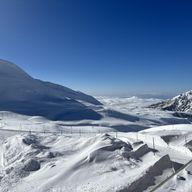
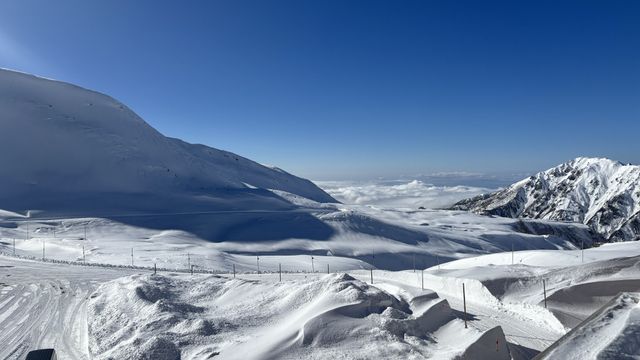
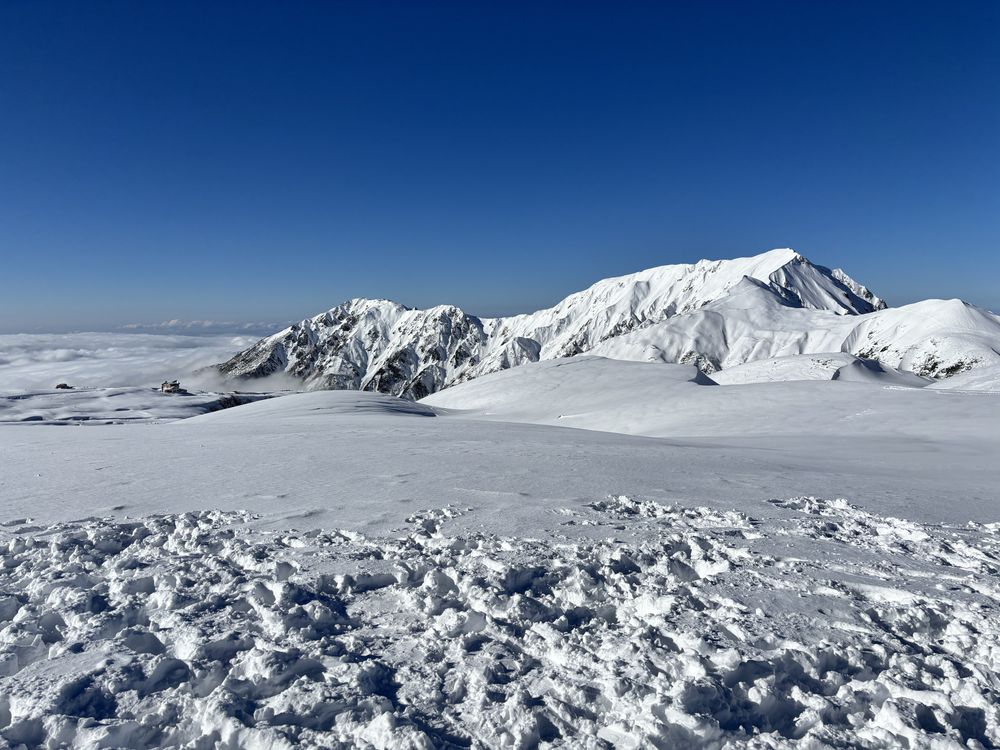
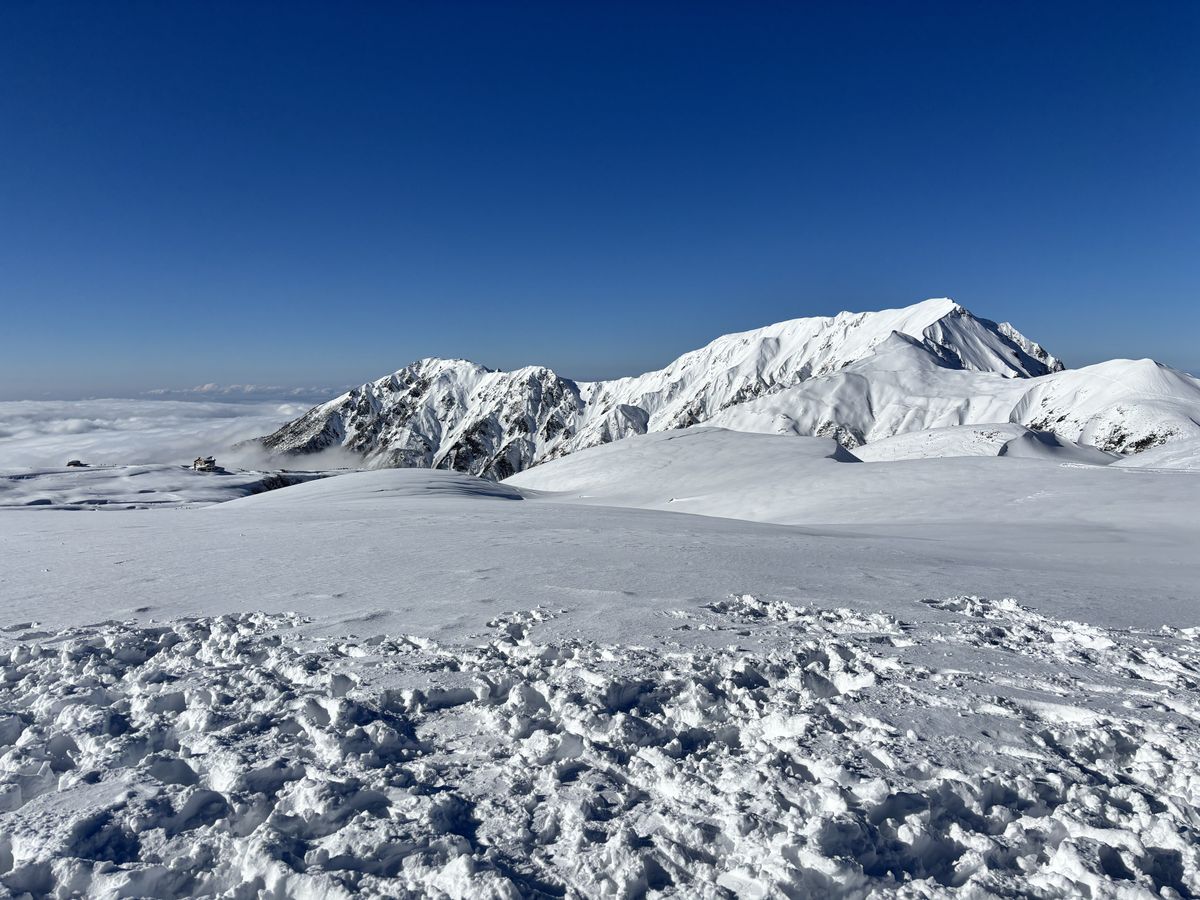
Murodo is the biggest reason to break your journey anywhere along the crossing. By late November it is one unbroken snowfield, with Mikurigaike Pond buried under snow and ice. Even staying on the maintained walkways is enough to feel Tateyama in winter, but snow cover limits how far you can go, so check the walking routes and the safety points in our companion article, the Murodo guide.
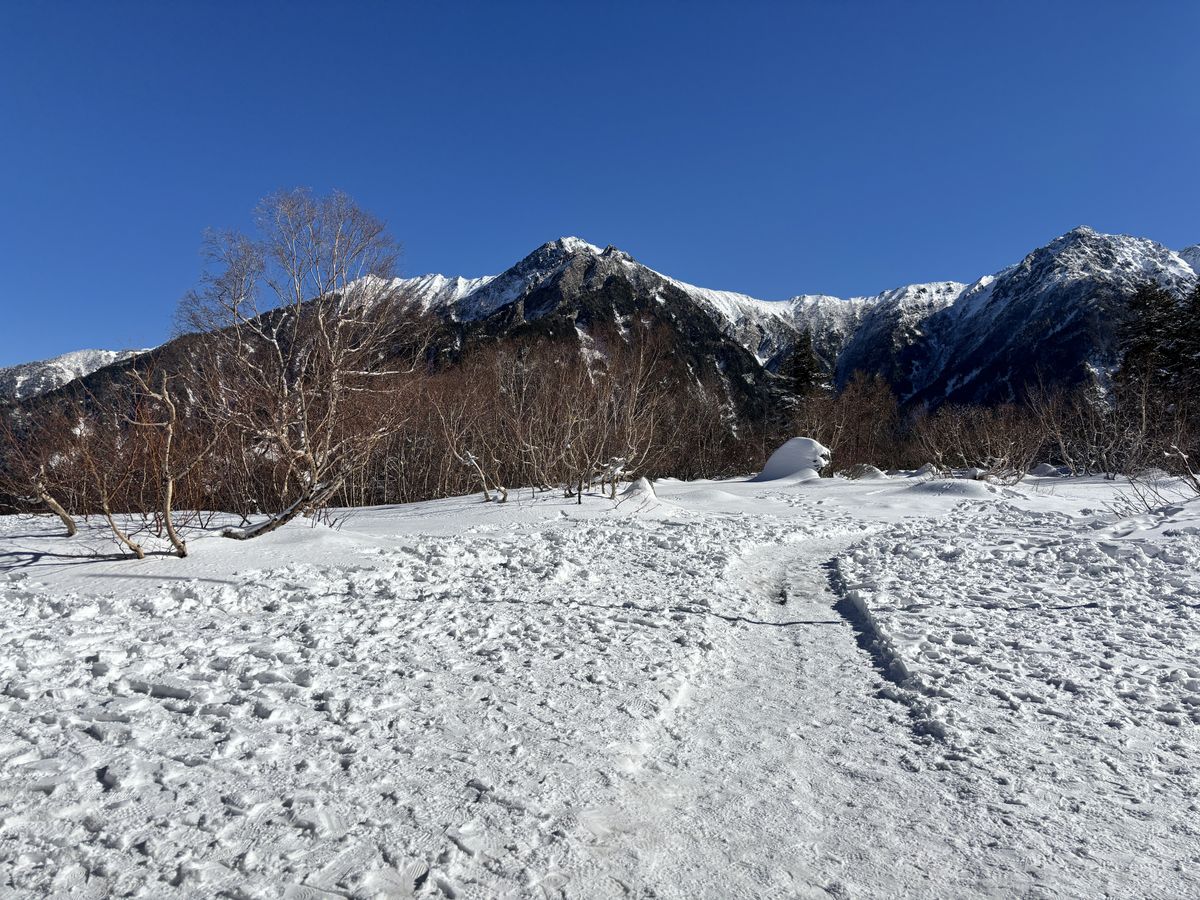

6. Tateyama Highland Bus (Murodo → Bijodaira)
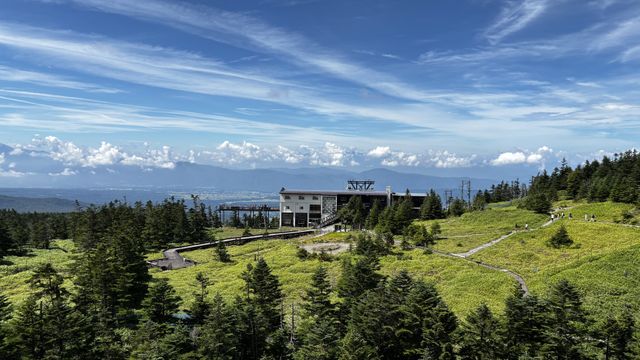
From Murodo the highland bus drops some 1,500 metres in one continuous descent (about 50 minutes). This leg is the heart of the whole “winter back to autumn in a single day” experience: the view outside shifts fast, from snowfield to the Midagahara plateau to beech and cedar forest in full autumn colour. Sit on the right-hand side and there is a stretch where Shomyo Falls comes into view. At Murodo Terminal the queues are split by destination, so look for the “Bijodaira / Tateyama Station” sign before you join one.
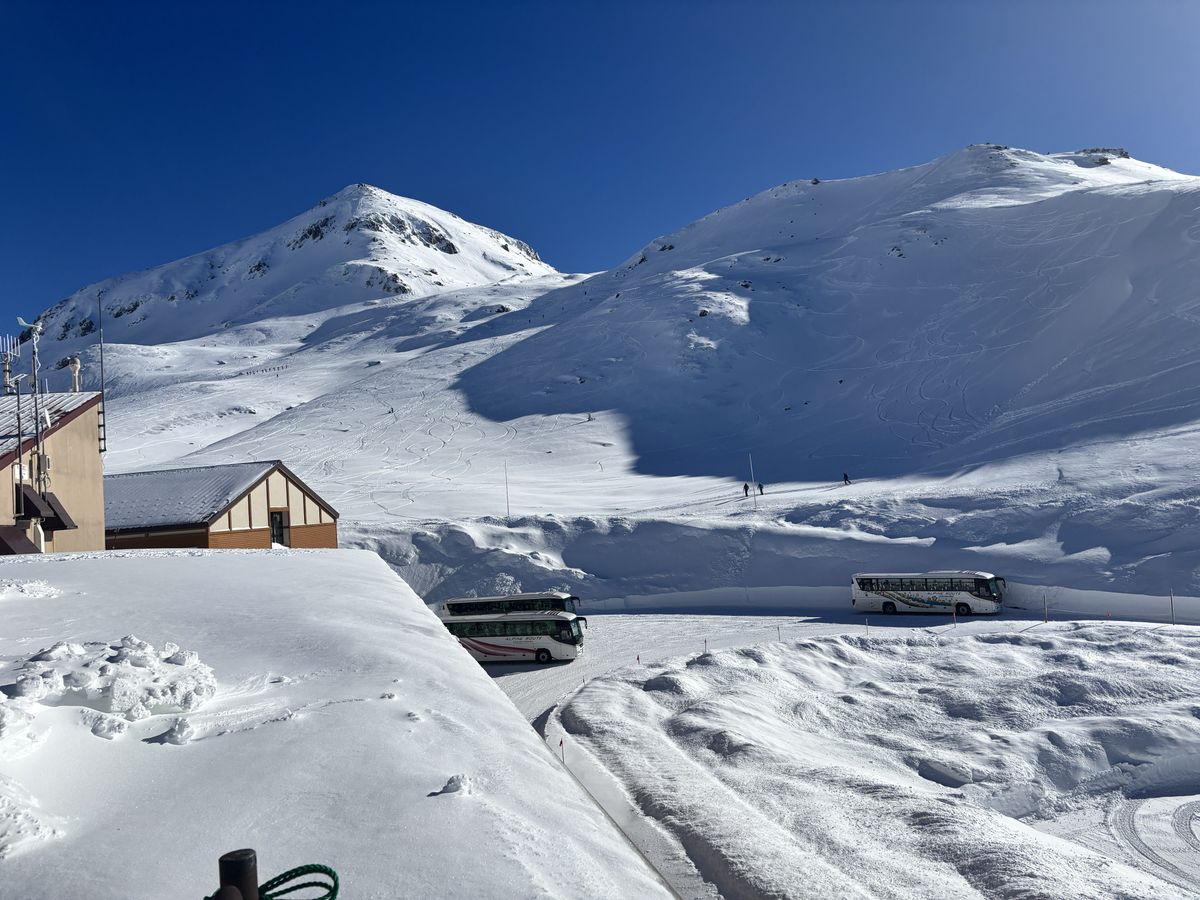
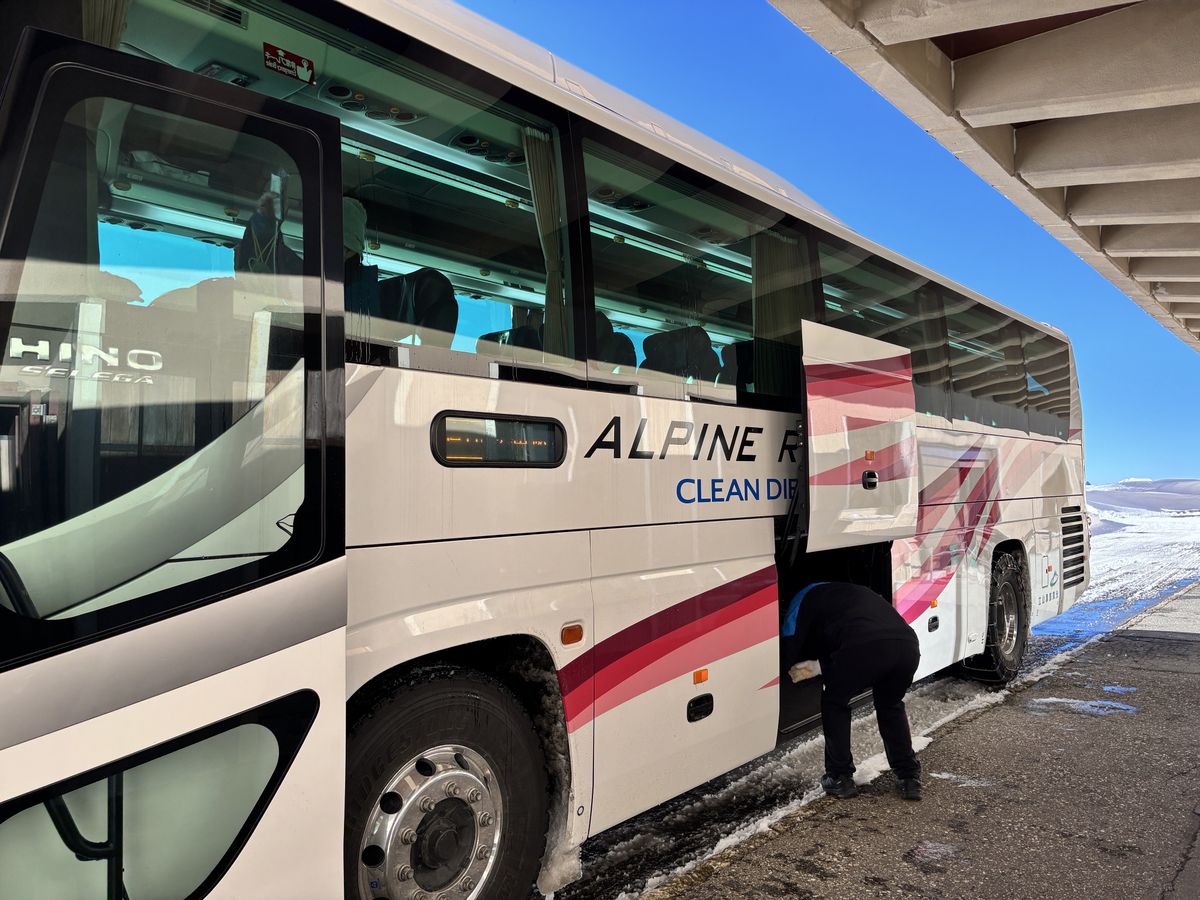
7. Tateyama Cable Car (Bijodaira → Tateyama Station)
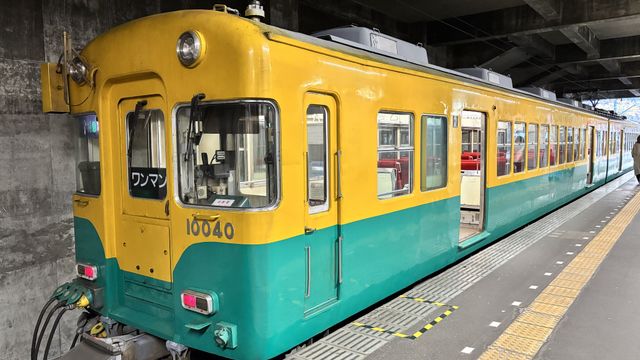
The final leg is the Tateyama Cable Car down to Tateyama Station at the foot of the mountain (about 7 minutes). In late November the last of the autumn colour still lingers around here. From Tateyama Station the Toyama Chiho Railway carries you on towards Toyama. And that is the crossing done — a single day that began at Ogizawa in the morning and took you through both snowfields and autumn leaves.
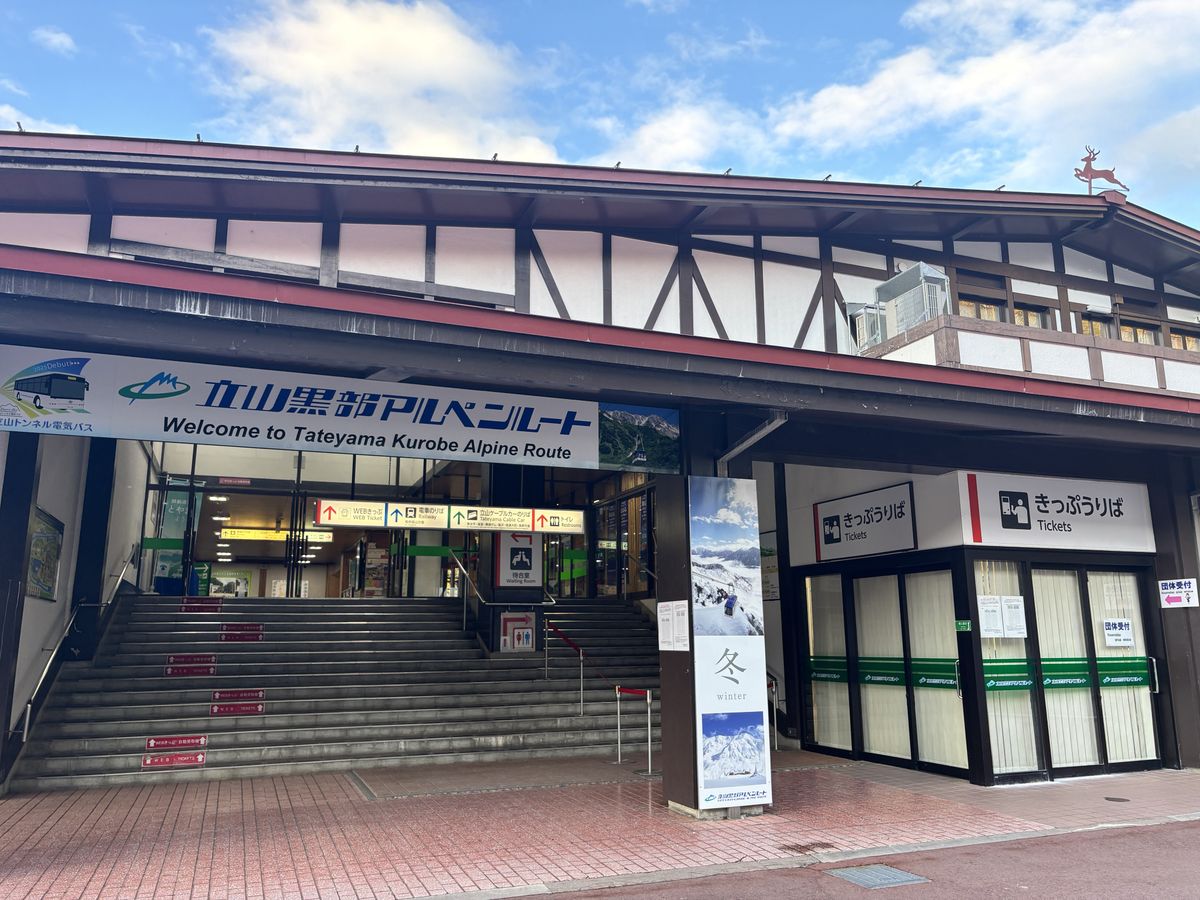
Tickets and Getting There (Overview)
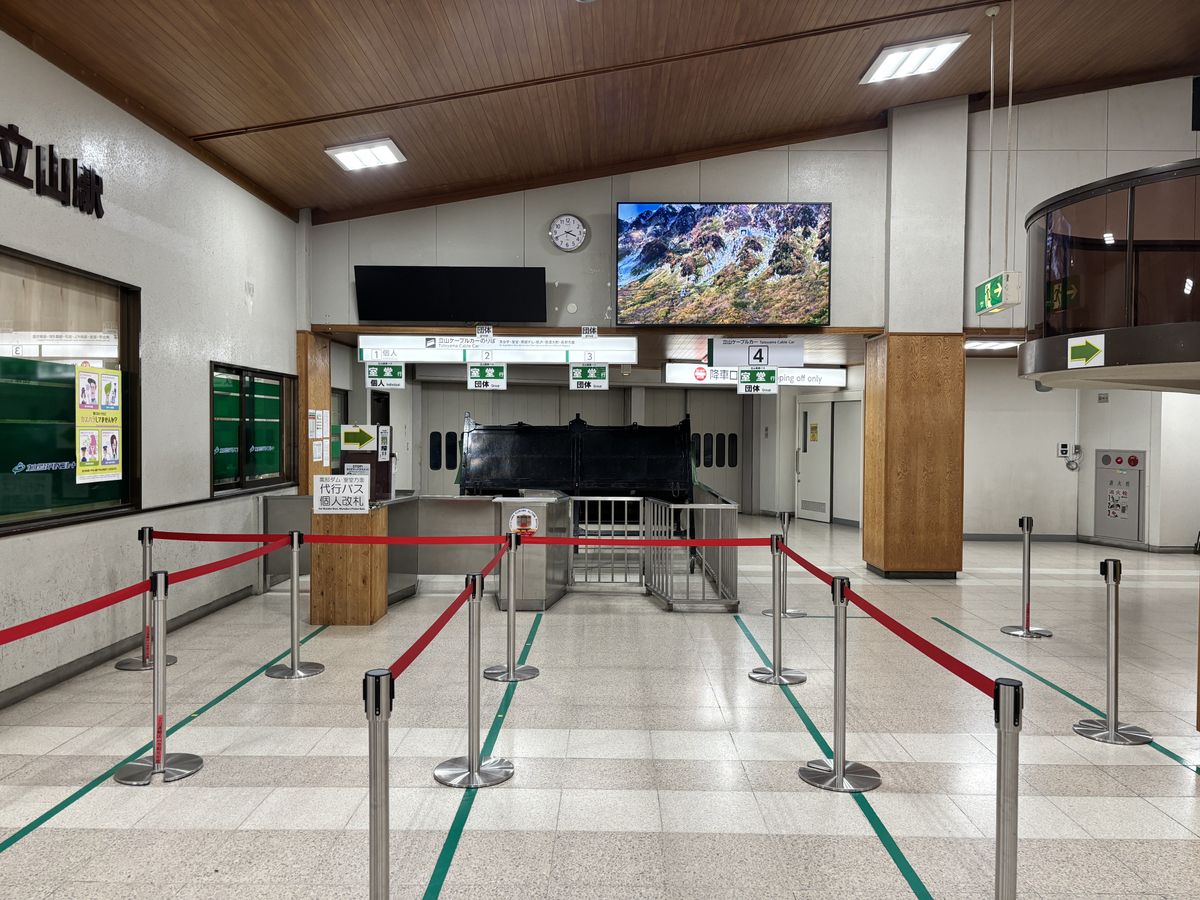
The basic approach is to buy a through one-way ticket from Ogizawa to Tateyama Station right at the start, though you can also buy each leg as you go. Budget around 10,000 yen for an adult through one-way fare (check the official website for the current price). Our companion complete ticket guide covers the ticket types and how to buy them, from online purchases to how the same-day ticket queue works.

You cannot take large luggage such as suitcases with you through the transfers. Use the luggage forwarding service instead. Hand your bags in at the reception counter at Ogizawa Station in the morning and collect them the same evening at the pickup point on the Tateyama Station side (the reverse direction, from Tateyama to Ogizawa, works the same way). Drop-off deadlines and fees vary by season, so confirm them at the counter on the day and on the official website. Once your bags are on their way, all that is left is to cross the route unencumbered.
From Tokyo, the classic plan is a one-way crossing: take the Hokuriku Shinkansen in on the Nagano side and head for Ogizawa, then ride the Hokuriku Shinkansen home from the Toyama side once you are across. For the details of each route, see our companion article, the guide to getting there from Tokyo.