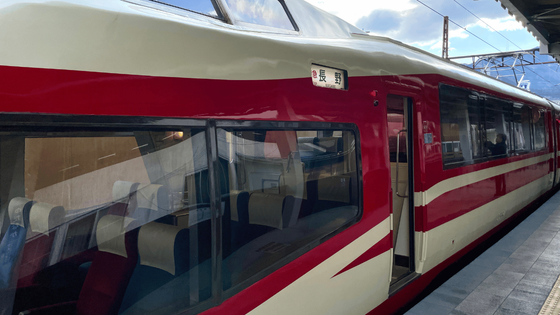
Shibu Onsen, Nagano
Shibu Onsen Guide 9 Public Baths to Visit and the Stone Pavement in Yukata
Updated 17 November 2026By Dynamic Japan Travel editorsEditorial policy
Contents
Shibu Onsen is a small hot spring town nestled in the mountains of Nagano Prefecture. Narrow stone-paved streets are lined with old wooden ryokan. Within the town, there are nine small public baths called "sotoyu" that guests staying at the ryokan can use.
We stayed one night at a ryokan in Shibu Onsen, borrowed a key for the sotoyu, and explored the town. This article uses photos from that visit to explain what first-time visitors to Japan should know to enjoy their stay.
First, here are three important points:
- Only guests staying at a ryokan in Shibu Onsen can enter the nine sotoyu. The key can be borrowed for free at the accommodation.
- Day visitors can only enter the ninth sotoyu, "Oyu", for a fee.
- The famous Jigokudani Monkey Park (Snow Monkeys), known for its hot spring-bathing monkeys, is accessible via a mountain path from Shibu Onsen.
What is Shibu Onsen Like?
Shibu Onsen is located in Yamanouchi Town, northern Nagano Prefecture. It's a small town along the Yokoyu River, at the base of the highland area known as Shiga Kogen. The onsen (hot spring) is said to have been discovered about 1,300 years ago by a monk named Gyoki.
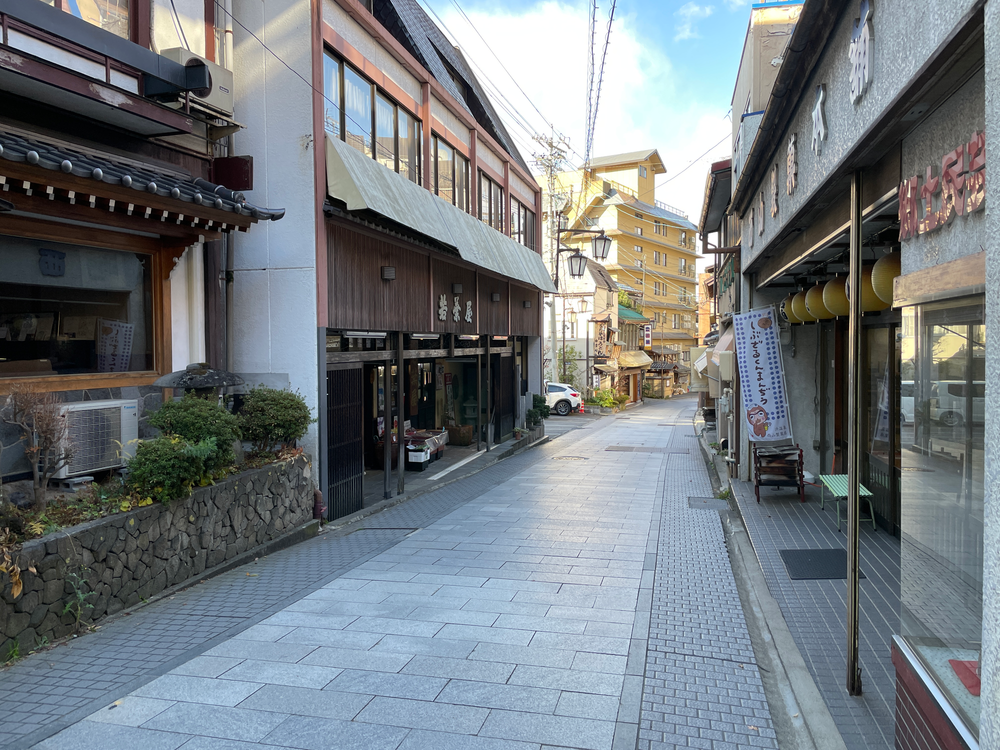
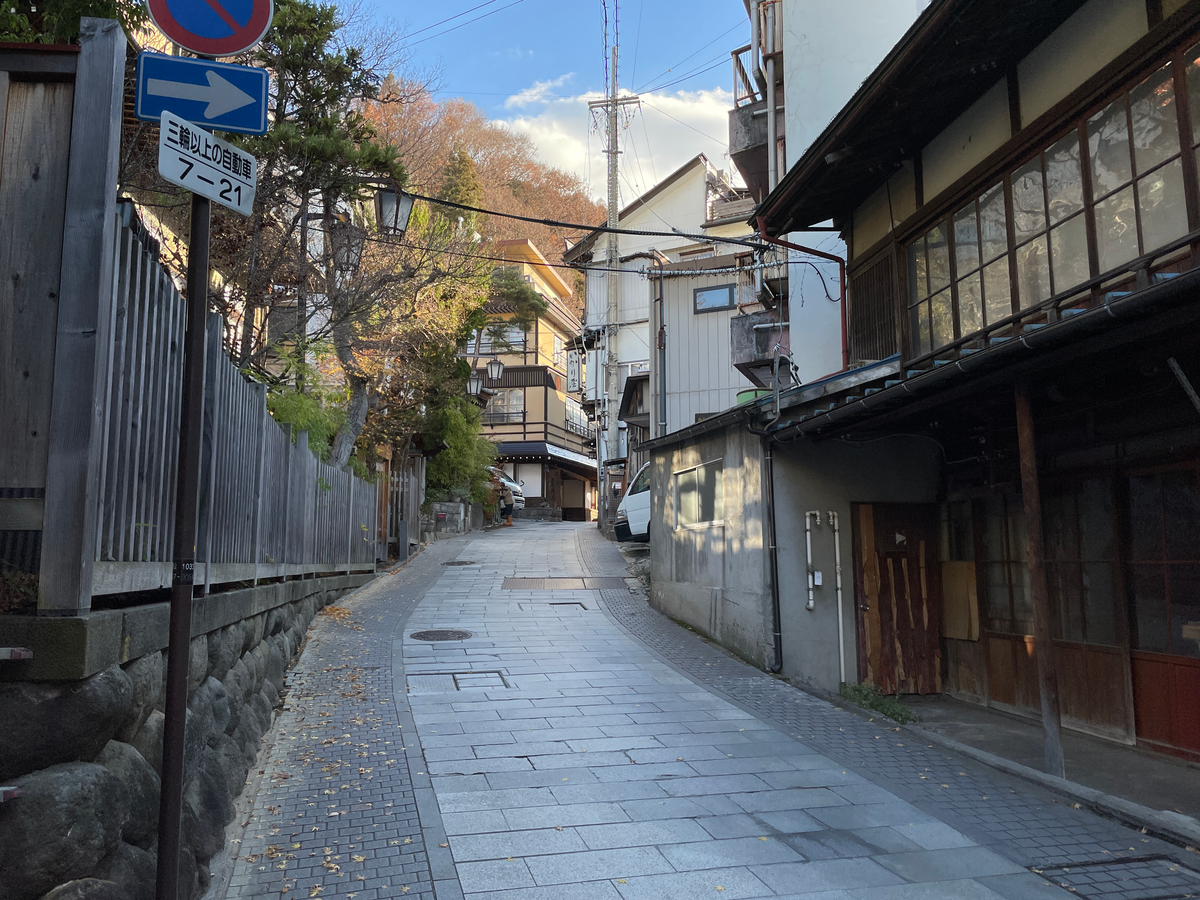
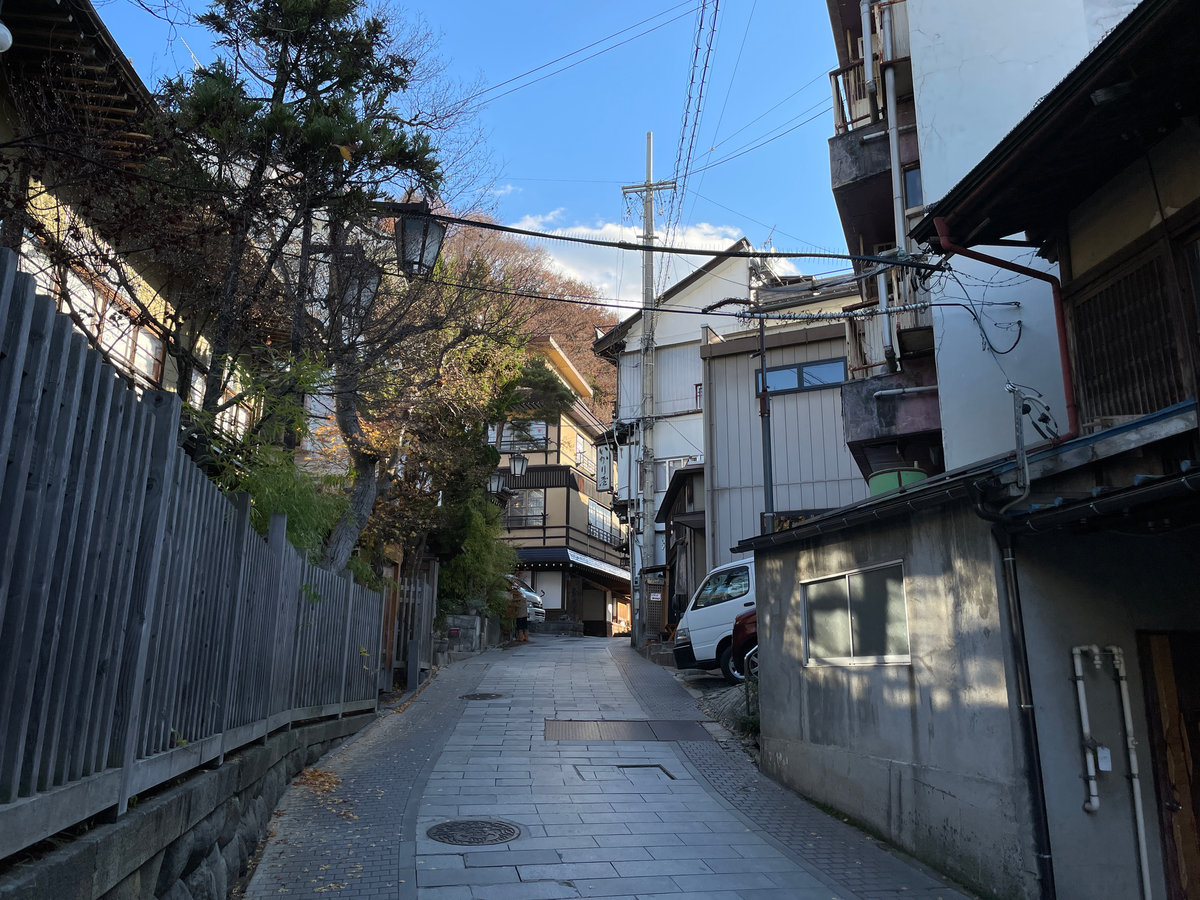
The town's streets are narrow, just wide enough for a single car, making it perfect for leisurely strolls. With wooden fences and old buildings from the Taisho and Showa eras, walking through the town feels like stepping back in time to old Japan.
Beyond enjoying the onsen, simply strolling through this traditional townscape is a pleasure of Shibu Onsen. During our visit, we saw many international travelers enjoying a walk along the stone-paved streets.
Differences from Yudanaka Onsen
Next to Shibu Onsen is Yudanaka Onsen, located near the terminus of the Nagano Electric Railway, Yudanaka Station. It features large hotels and is easily accessible. Shibu Onsen, slightly up the mountain from Yudanaka Station, is characterized by its traditional townscape with stone-paved streets and old ryokan.
If you want to "hop into an onsen right after arriving by train," choose Yudanaka. If you prefer "strolling around in a yukata visiting different public baths," Shibu Onsen is the better choice.
How to Get to Shibu Onsen
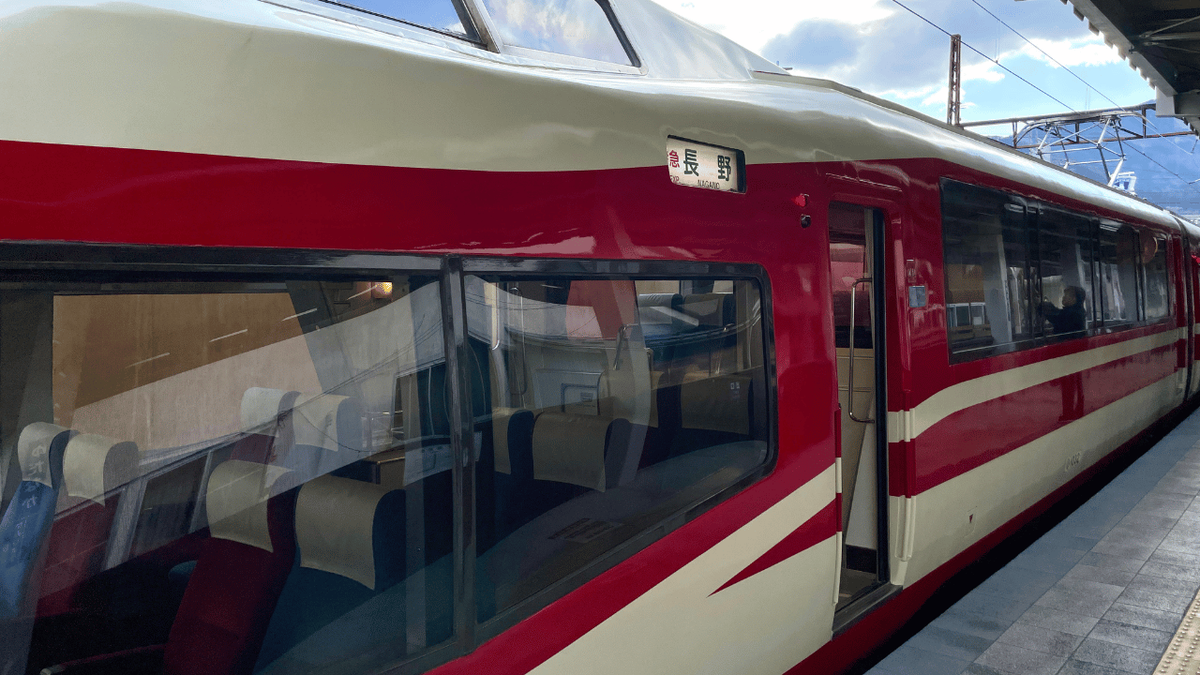
From Tokyo, take the Hokuriku Shinkansen to Nagano Station, then transfer to the Nagano Electric Railway to the final stop, Yudanaka Station. From Yudanaka Station, take a bus or taxi to Shibu Onsen. Detailed directions and ticket purchasing information are compiled in How to Get from Tokyo to Yudanaka and Shibu Onsen.
Nine Public Bath Tours
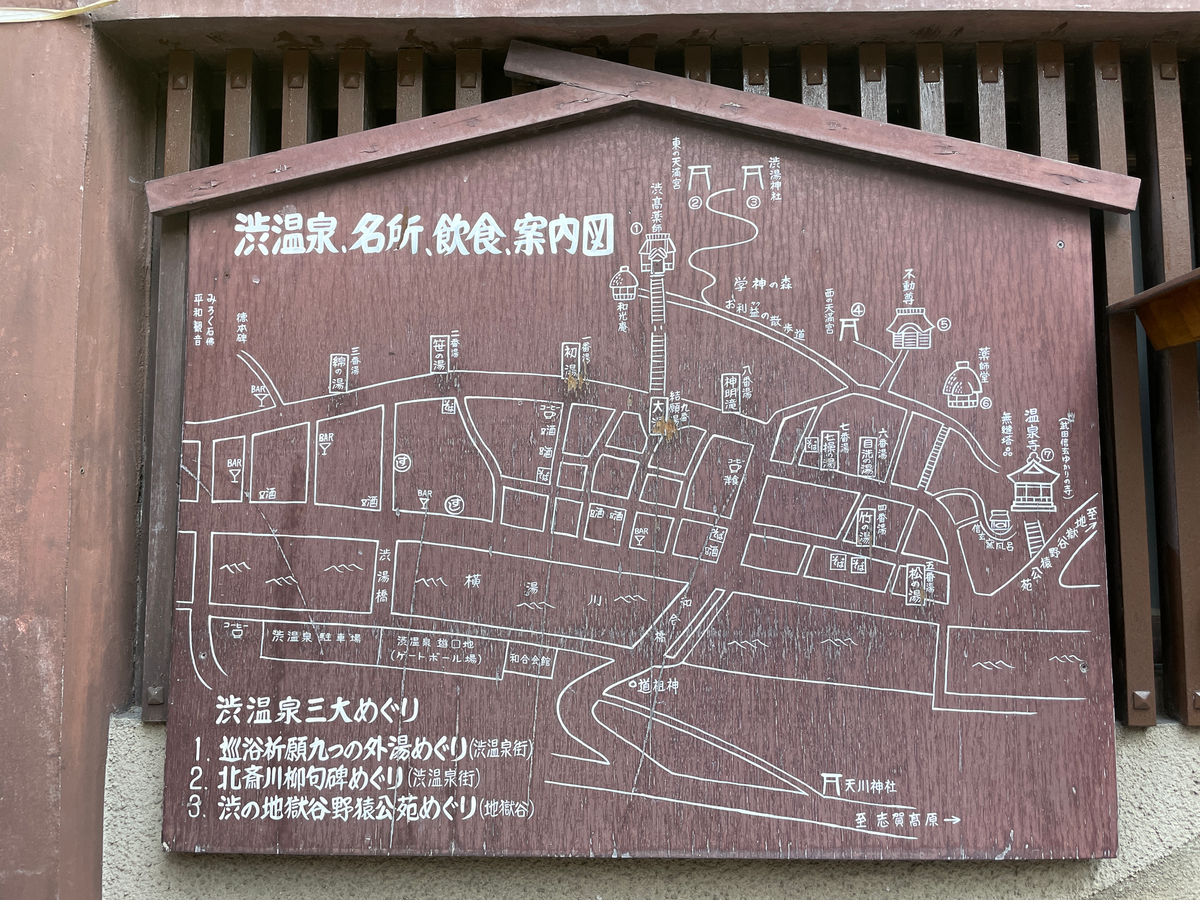
The main attraction of Shibu Onsen is touring the nine public baths scattered throughout the town. These baths are small communal facilities used by locals and ryokan guests. Each bath is numbered from 1 to 9, with unique names and traditional stories about their waters. It's not necessary to visit all of them.
| Number | Name |
|---|---|
| First Bath | Hatsu-yu |
| Second Bath | Sasa-no-yu |
| Third Bath | Wata-no-yu |
| Fourth Bath | Take-no-yu |
| Fifth Bath | Matsu-no-yu |
| Sixth Bath | Mearai-no-yu |
| Seventh Bath | Nanao-no-yu |
| Eighth Bath | Shinmei-taki-no-yu |
| Ninth Bath | O-yu |
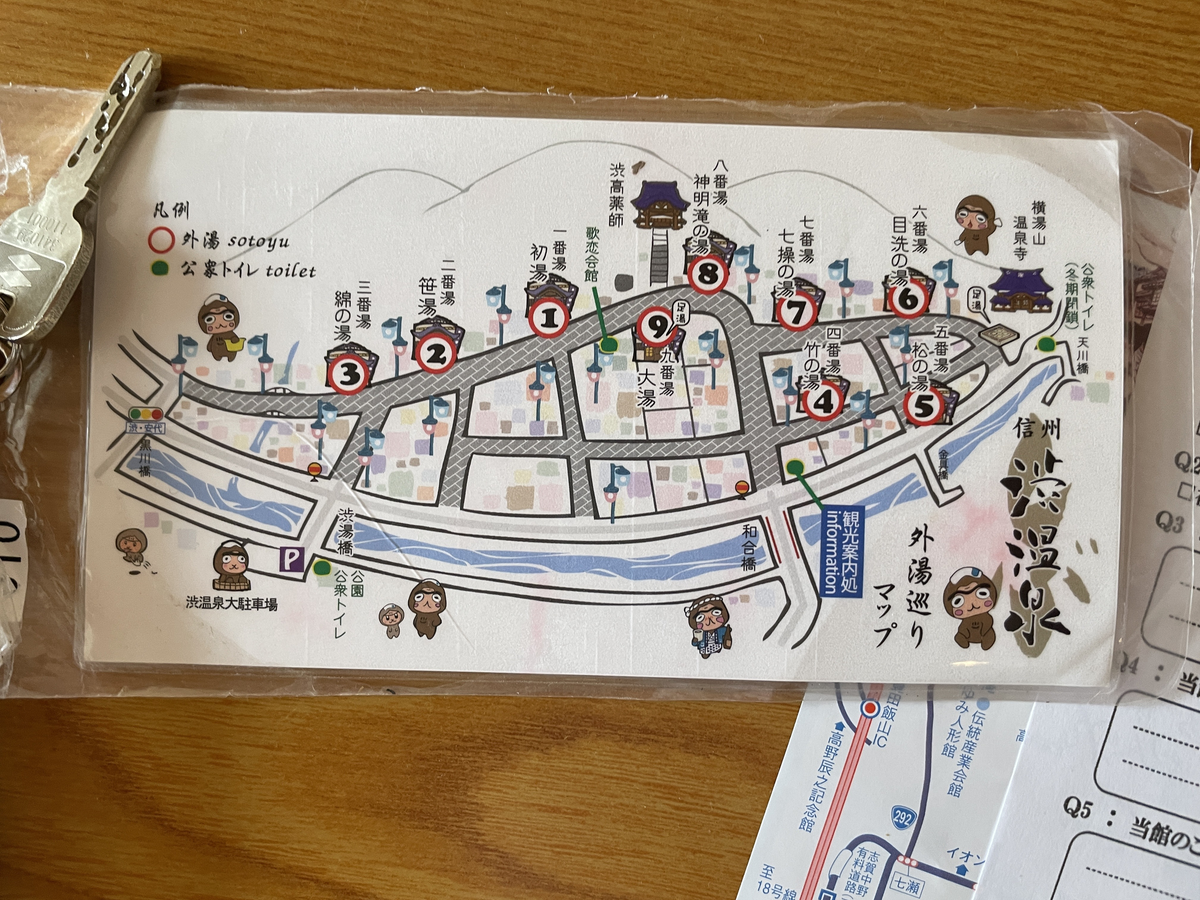
Borrow the key for the external bath from the inn.
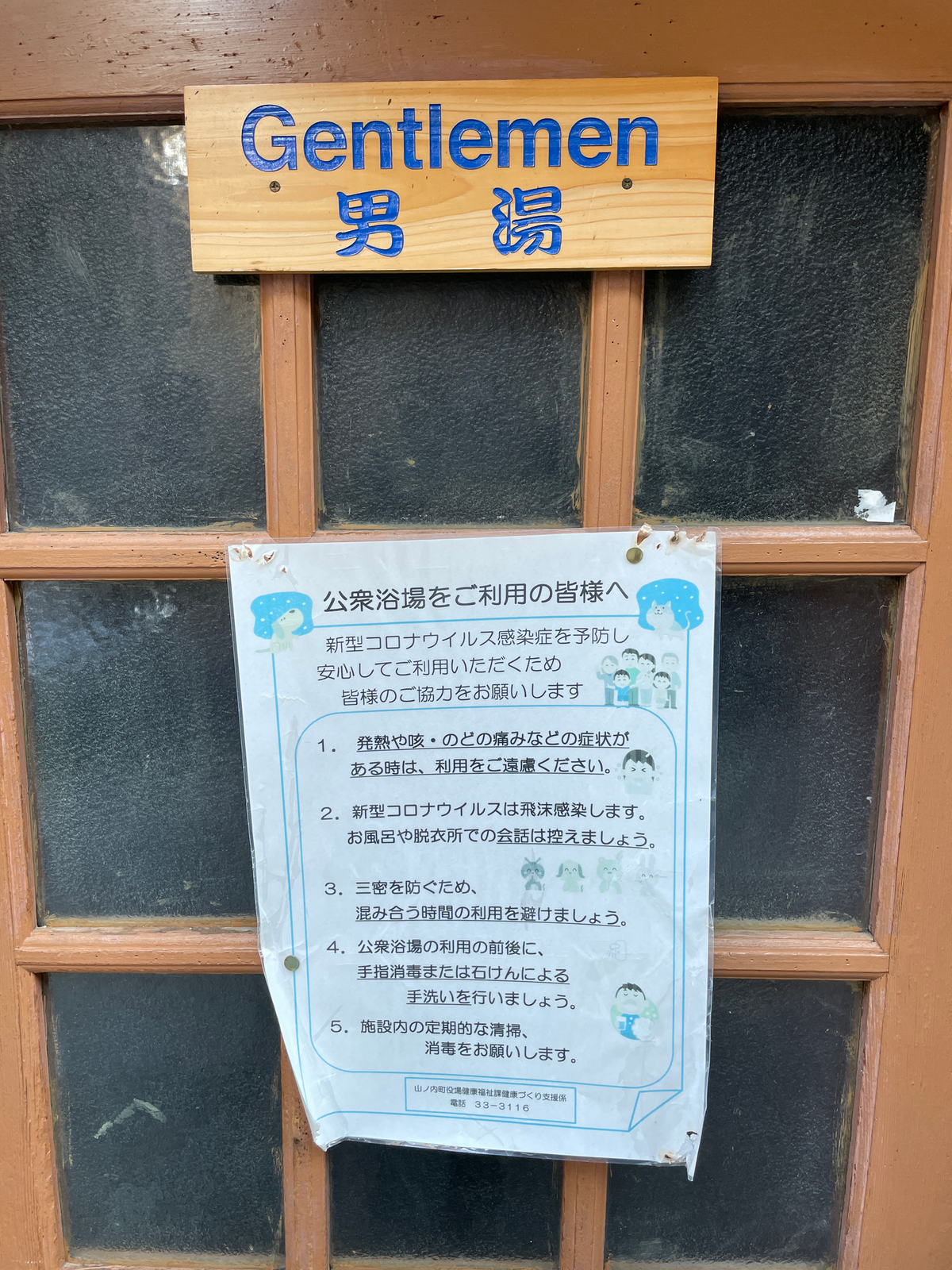
The entrance to the public baths is locked. Upon checking in at the inn, guests are given a key to access them. The key we borrowed came with a small map showing the locations of the nine public baths, which we used to explore the town. The public baths are available from 6 AM to 10 PM, though they may be closed for cleaning at times.
No towels or bath towels are provided at the public baths. There is no rental system for towels at each bath, so guests bring them from their accommodations. Most inns in Shibu Onsen provide towels along with the key to the public baths.
The water is very hot.
The public bath we entered had many very hot baths. If it's too hot, you can add a little water from the faucet to adjust it to a comfortable temperature. Once it's just right, make sure to turn off the water.
You can enter as many times as you like while taking a walk.
The nine public baths are close to each other, allowing you to enjoy them multiple times while strolling around town. Renting a yukata from your accommodation makes it easy and convenient to change in and out.
First Bath and Sasa no Yu
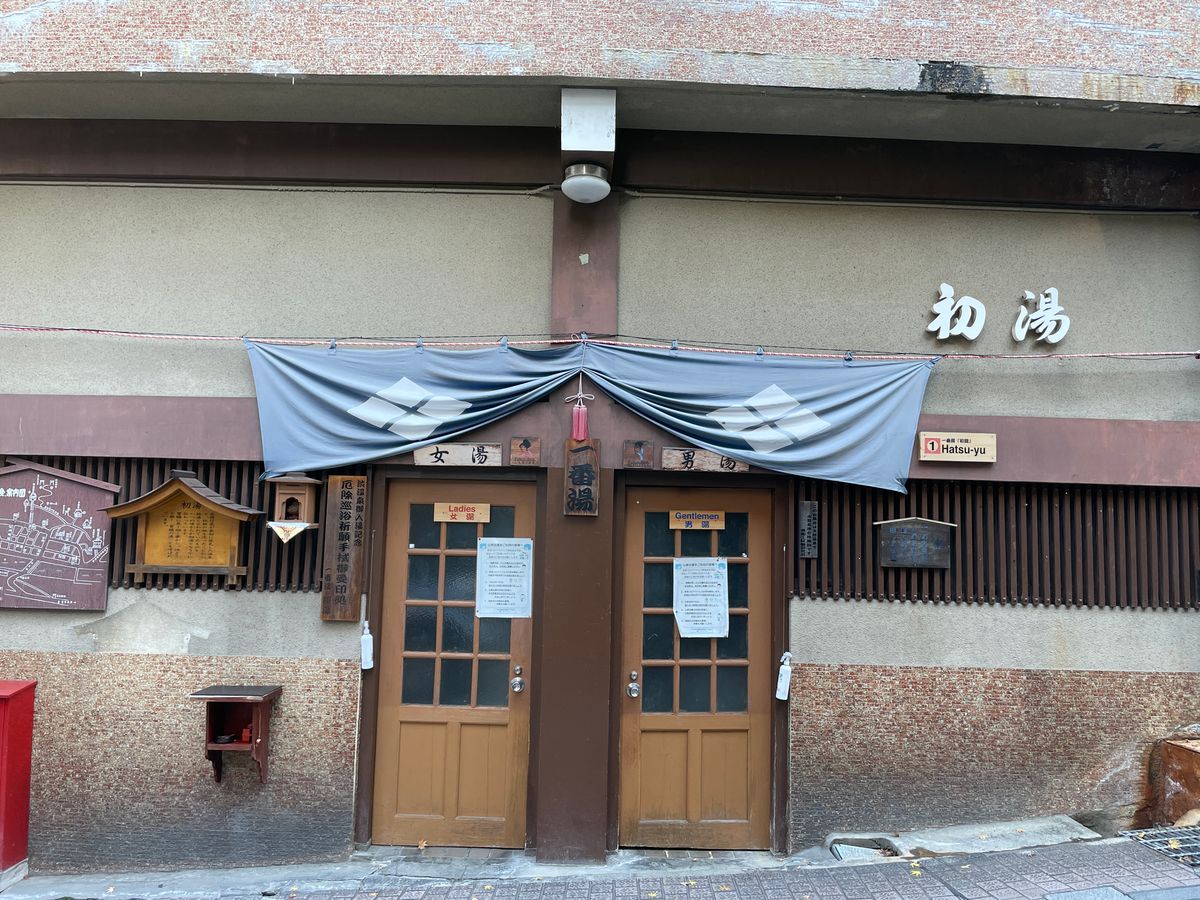
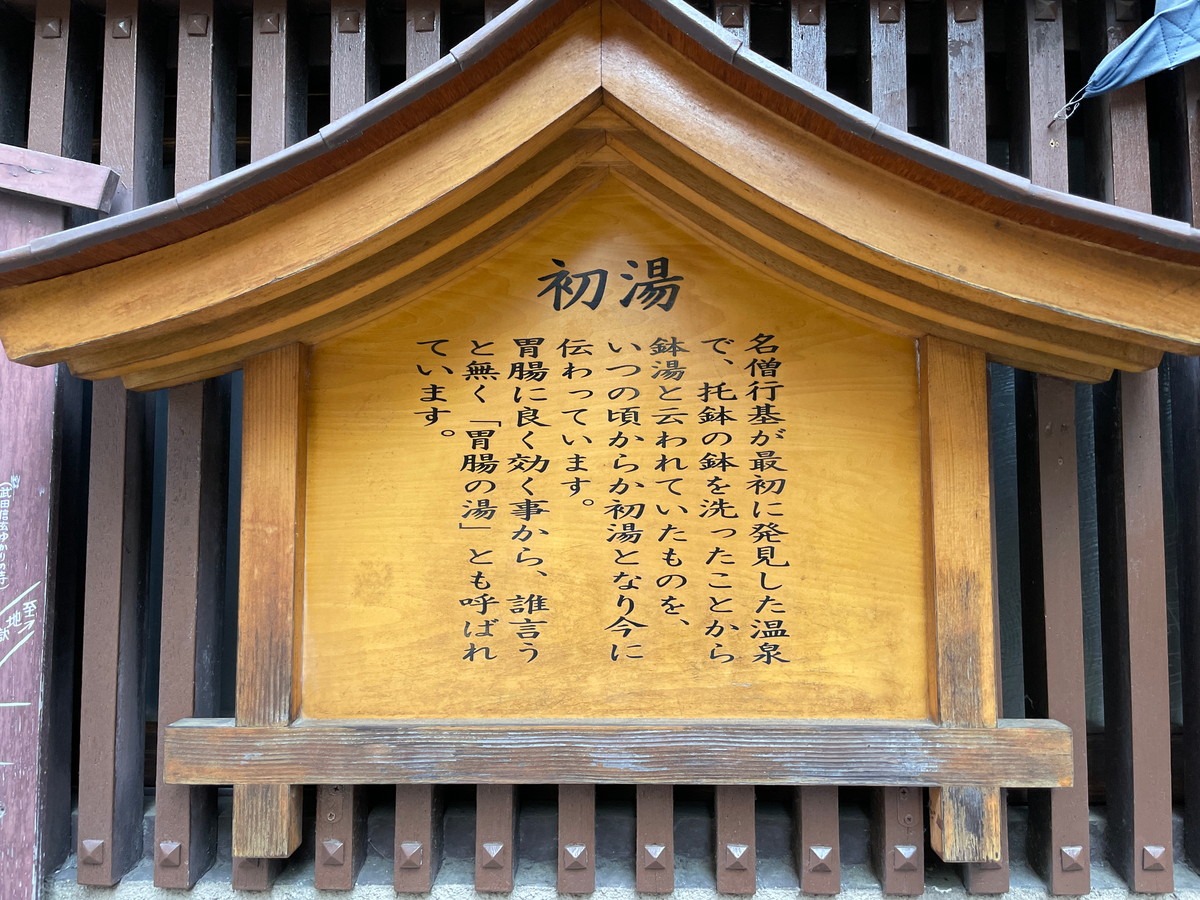
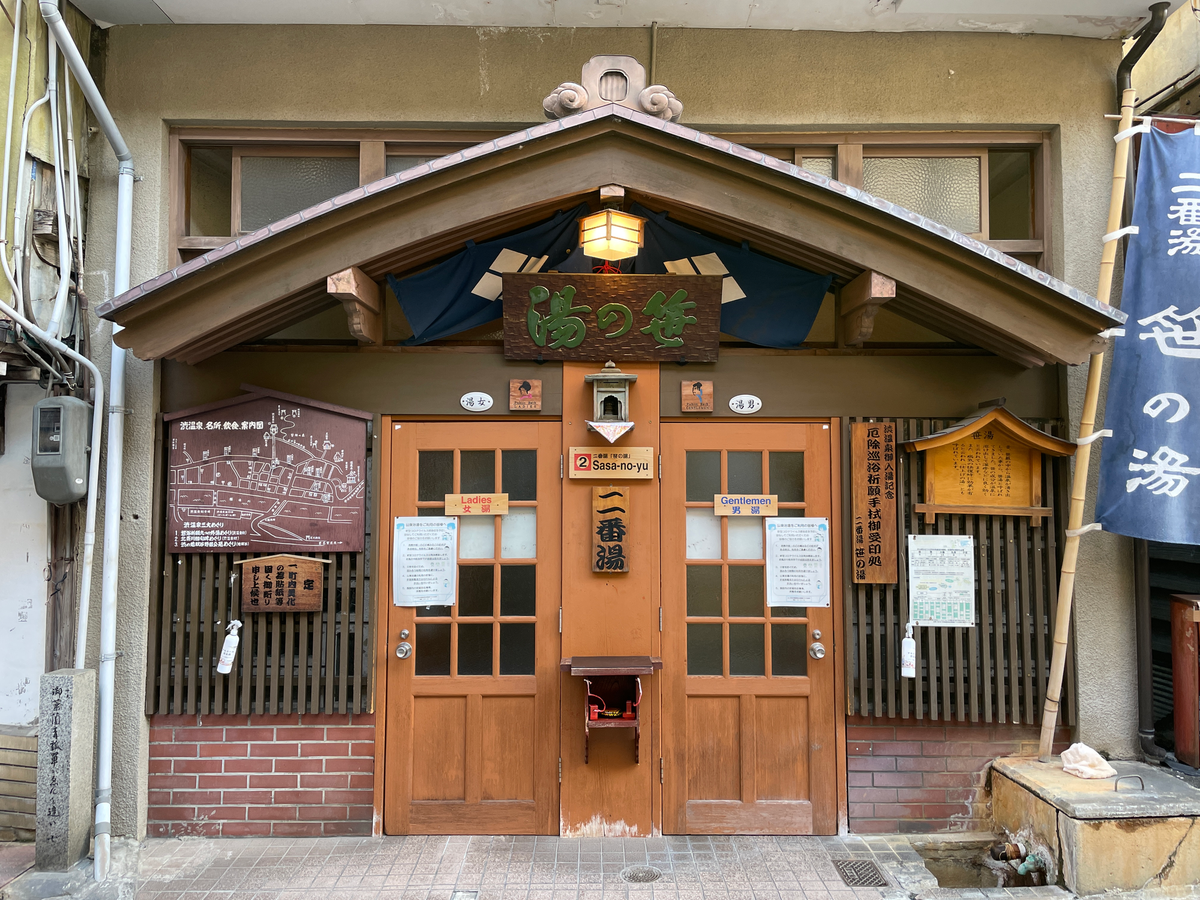
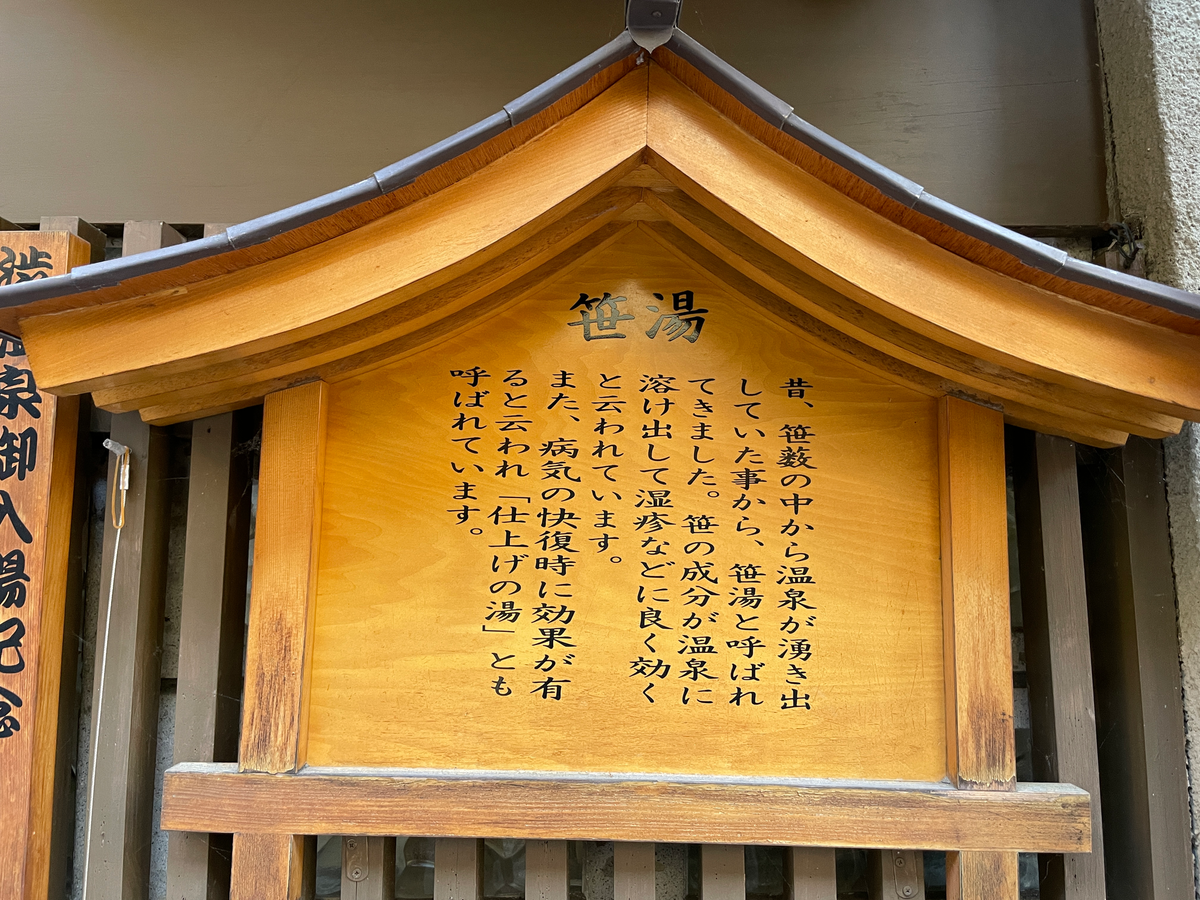
The outer bath is housed in a small wooden building facing the street. At the entrance, there's a wooden sign with an old story about the hot spring. The sign for the first bath, "Hatsuyu," mentions that it was first discovered by Gyoki and is said to be good for the stomach. The second bath, "Sasa no Yu," was once a spring that emerged from a bamboo grove, and the sign states it is beneficial for recovery after illness.
Collect Stamps with a Prayer Tenugui
At the ryokan, they sell a "wish towel," a thin cloth towel for making wishes. Visitors can tour the nine outdoor baths, collecting a stamp at each one on the towel. It's said that if you finish by visiting the small shrine "Shibutaka Yakushi" at the top of the hill, your wish will come true. In Japanese, both "9" and "suffering" are pronounced "ku," symbolizing the idea of washing away suffering with the nine baths.
Day visitors can only use the public bath.
Of the nine public baths, only the ninth bath, "Oyu," is available for day visitors. Bathing tickets can be purchased at the Shibu Onsen Tourist Information Center or at a ryokan near Oyu. As of November 2026, the price is 800 yen for adults, and the hours are from 10 AM to 5 PM. Washing hair is not allowed at Oyu.
How to Use Public Baths and Bathing Etiquette
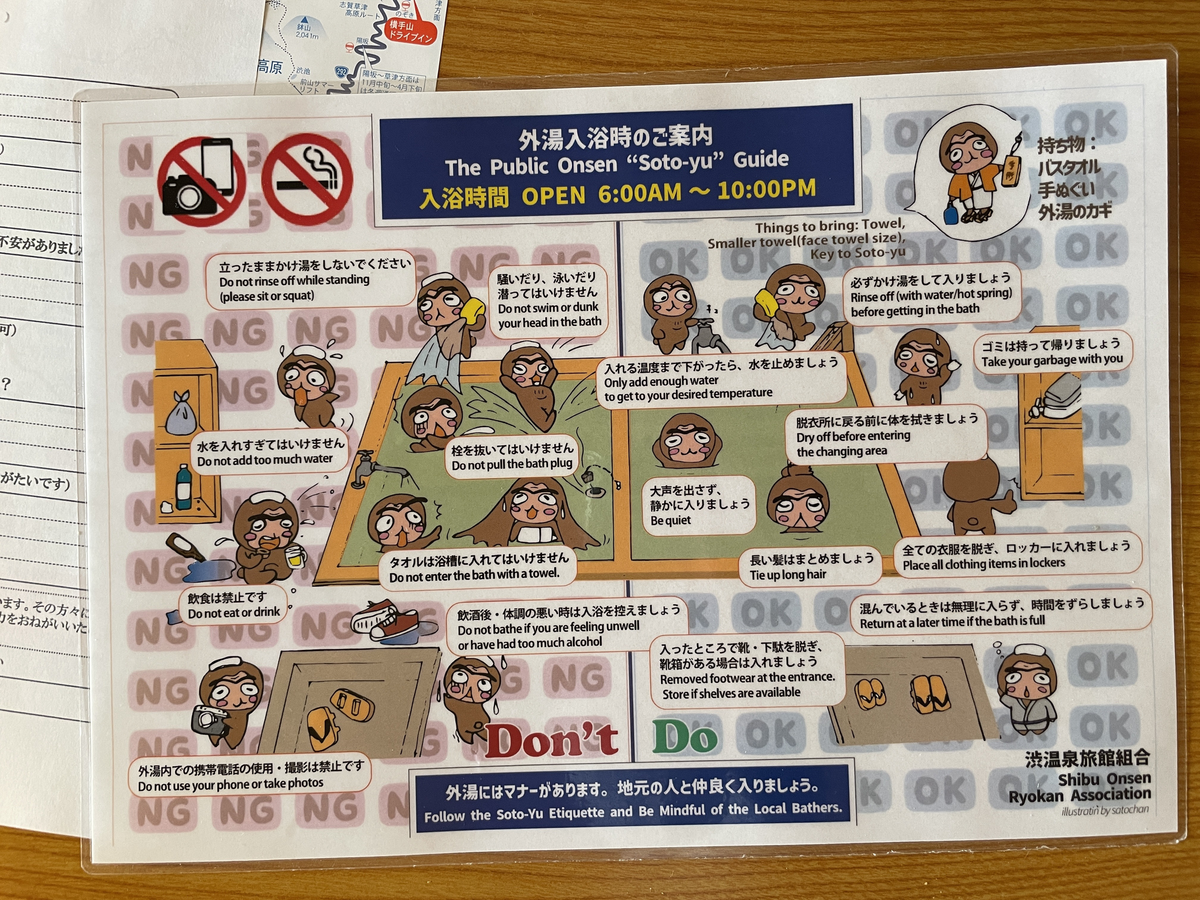
The public bath is used daily by the townspeople. In the rooms of our inn, there was a guide with English instructions on manners created by the Shibu Onsen Ryokan Association. Here's a summary of what was written:
- Bring a bath towel, hand towel, and the key to the public bath
- Before entering, scoop water with a bucket and pour it over your body (kakeyu). Do this while seated, not standing
- Do not put towels in the bath
- If the water is too hot, add a little cold water. Stop adding water once it's comfortable
- Enter quietly without raising your voice
- Do not use mobile phones or take photos inside
- If it's crowded, adjust your timing
Photography is prohibited inside the public bath, so there are no interior photos in this article. The basics of onsen bathing are summarized in public bath etiquette and how to use towels in an onsen.
People with tattoos
The official website of Shibu Onsen does not provide specific rules regarding tattoos in the public baths. If you're concerned, it's best to check with the accommodation in advance. Private baths at inns (baths you can use exclusively) allow you to enjoy without worrying about others. For more details, refer to the Onsen Guide for Visitors with Tattoos.
Walking on cobblestones in a yukata
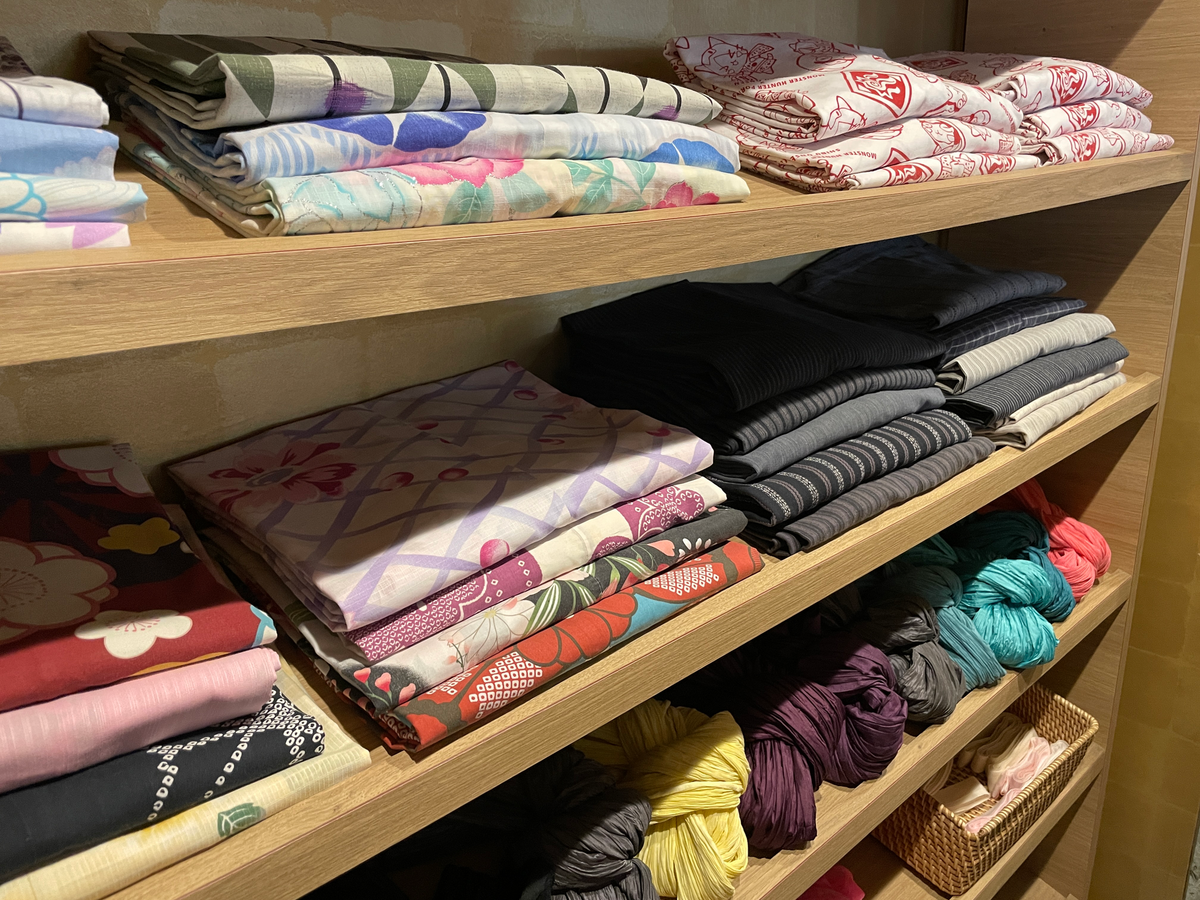
In Shibu Onsen, it's common to see people walking around town in their inn's yukata. At the inn we stayed at, we could freely choose colorful yukatas and sashes with floral patterns from a shelf. Changing into a yukata and wearing geta (wooden sandals) while visiting the public baths gives a very authentic hot spring town feel.
Shibu Onsen is very cold in winter, so it's best to wear a jacket over your yukata when going out. Instructions on how to wear a yukata can be found in How to Wear and Etiquette for Ryokan Yukata.
Staying at a Ryokan in Shibu Onsen
To enjoy the onsen tour, staying at a ryokan in Shibu Onsen is necessary. According to the Shibu Onsen Ryokan Association, all ryokans and baths in Shibu Onsen feature natural hot spring water continuously flowing directly from the source.
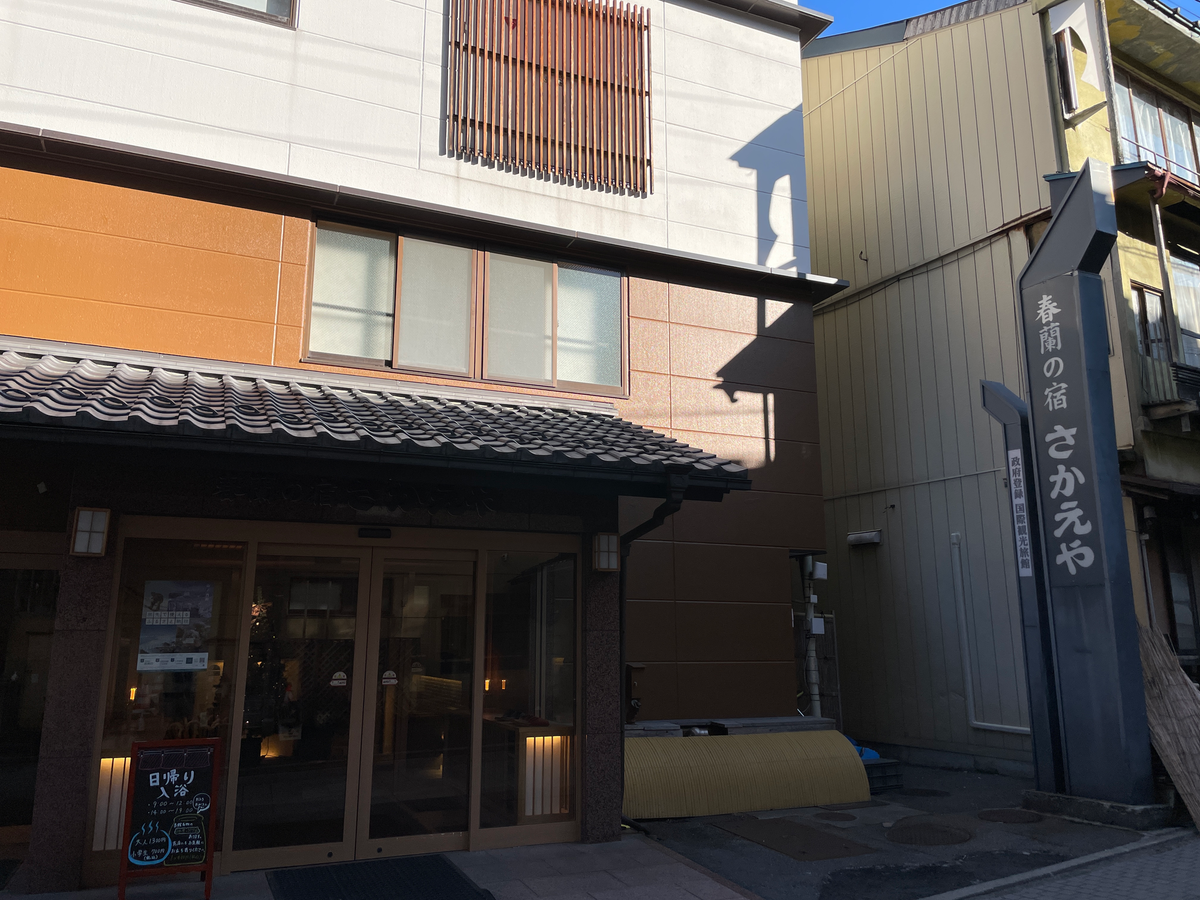
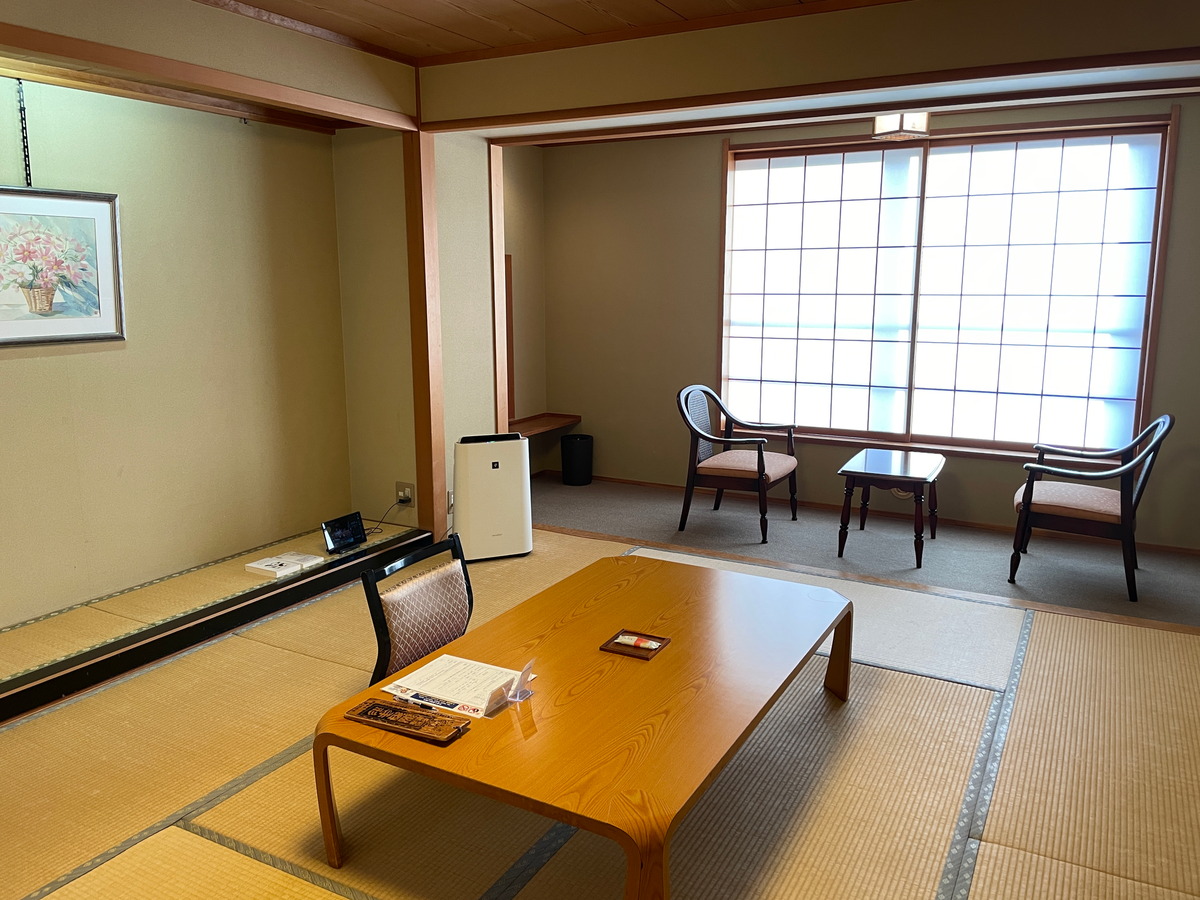
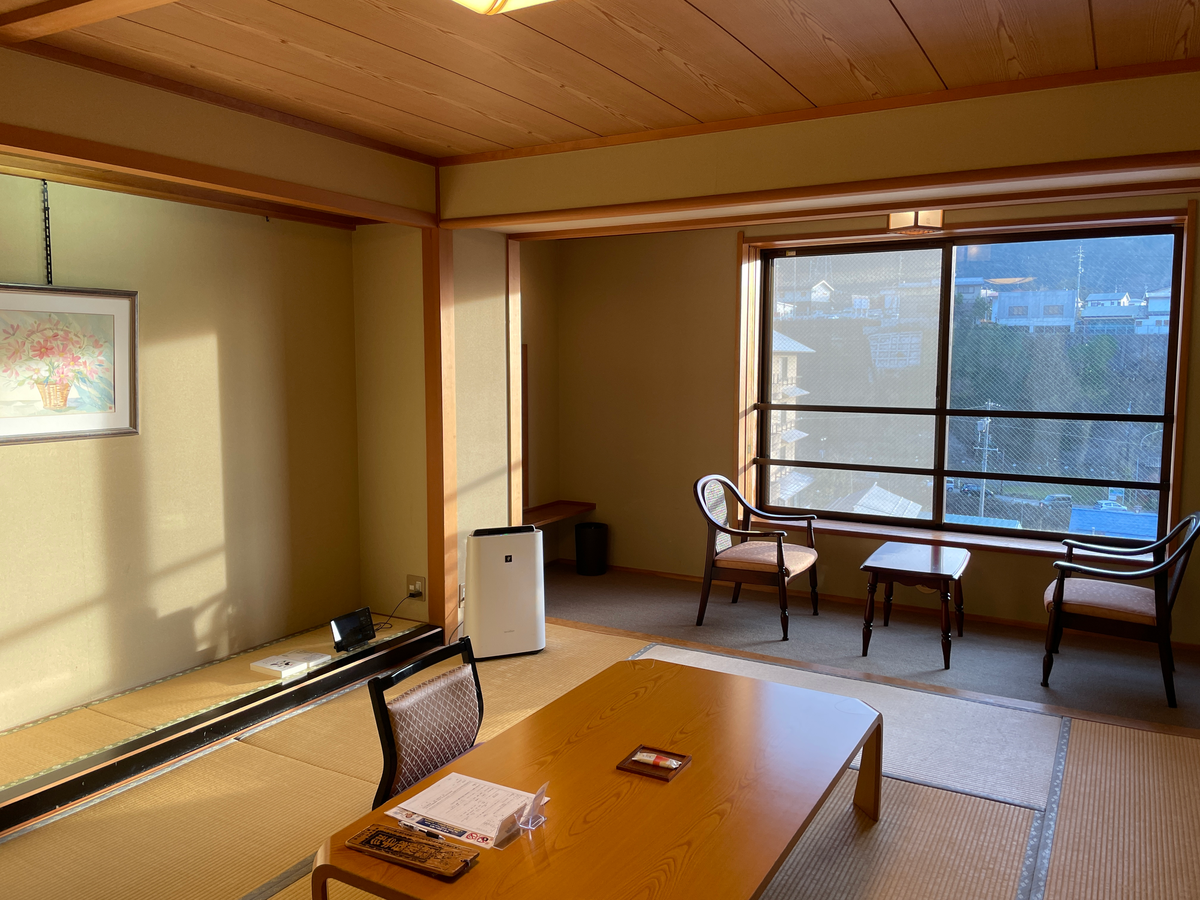
The ryokan we stayed at was "Sakaeya," located along the cobblestone street. The guest room was a tatami-style Japanese room, offering views of the town and mountains of Shibu Onsen from the window.
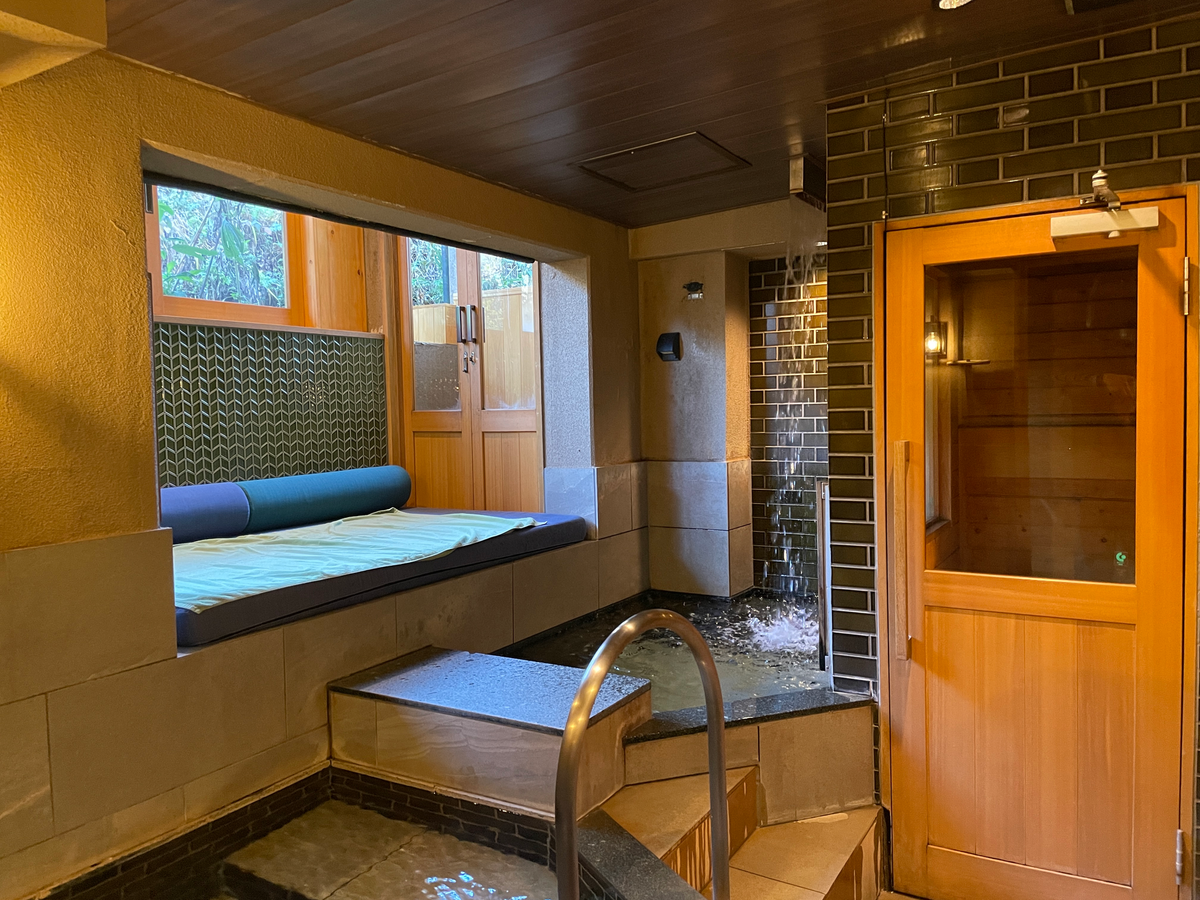
This inn also offers a private sauna that can be reserved for exclusive use.
Visit Jigokudani Monkey Park (Snow Monkeys)
Near Shibu Onsen, there's the famous "Jigokudani Monkey Park" where wild monkeys bathe in onsen (hot springs). To reach the park entrance, it's about a 2km, 30-minute walk along a mountain trail from Kanbayashi Onsen. In winter (November to March), it's open from 9 AM to 4 PM. The path can be slippery during snowy periods, so wear suitable footwear. Note that monkeys aren't always in the onsen. Check the official website for any changes in fees or operating hours before visiting.
Q&A
FAQs
- What is Shibu Onsen famous for?
- The town is famous for its narrow stone-paved streets and old wooden ryokan, as well as the nine public baths that guests can explore with a borrowed key. Nearby, you'll find the Jigokudani Monkey Park, known for its onsen (hot spring) bathing monkeys.
- Can I enter the public bath with tattoos?
- The official website for Shibu Onsen does not mention any rules regarding tattoos in the public baths. It's advisable to check with your accommodation in advance. If your inn offers private baths, you can enjoy them without worrying about others.
- Which is better for staying: Yudanaka Onsen or Shibu Onsen?
- If you want to rest immediately upon arrival, Yudanaka Onsen is convenient due to its proximity to the station. For strolling in yukata through cobblestone streets and visiting nine public baths, Shibu Onsen is recommended.
- Is it possible to use the public bath for a day visit?
- Day visitors can only access the "Oyu" public bath, the ninth bath. The other eight outdoor baths are exclusively for guests staying at ryokans in Shibu Onsen.
- Can I rent a towel at the public bath?
- There are no towel rentals at the public baths. If you stay at an inn in Shibu Onsen, you will usually receive a towel along with the key to the public baths, so be sure to bring it from your accommodation.
- How do you get from Nagano Station to Shibu Onsen?
- From Nagano Station, take the Nagano Electric Railway to its final stop, Yudanaka Station, and then head to Shibu Onsen by bus or taxi. For more details, refer to the article "How to Get from Tokyo to Yudanaka and Shibu Onsen."