Culture & History
What Is an Omikuji? How to Draw and Read One in Japan, and Why You Tie It at the Shrine
Updated 25 November 2026By Dynamic Japan Travel editorsEditorial policy
Contents
Key Points of This Article
Omikuji are fortune slips you draw at shrines and temples to ask the will of the gods or Buddha. If it's your first time drawing one while traveling, keep these three points in mind.
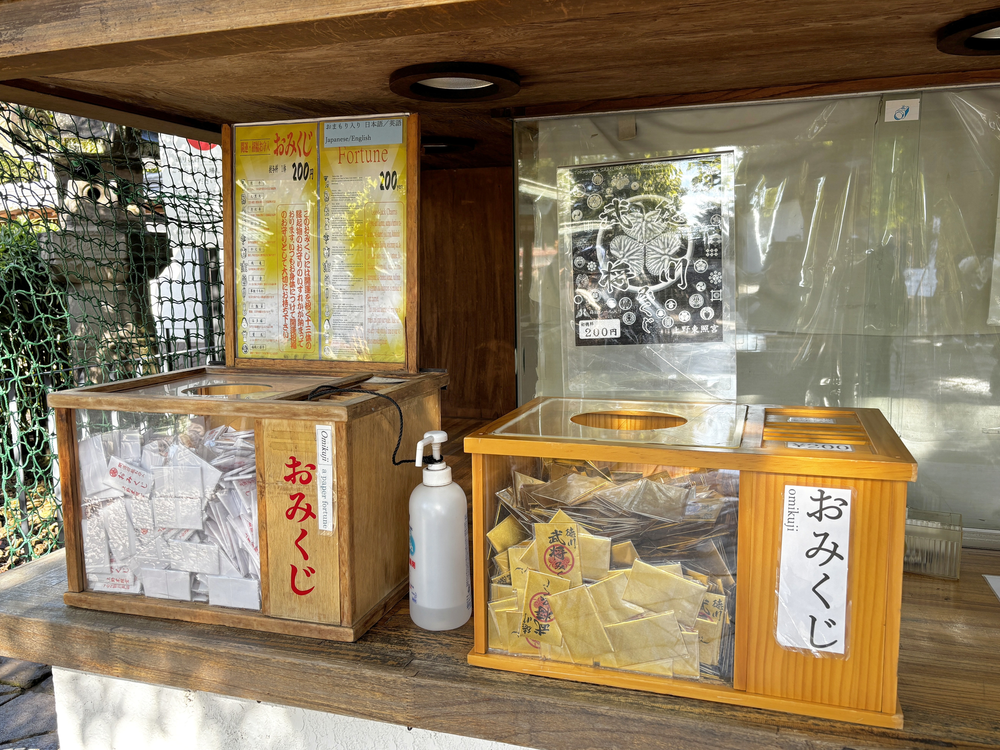
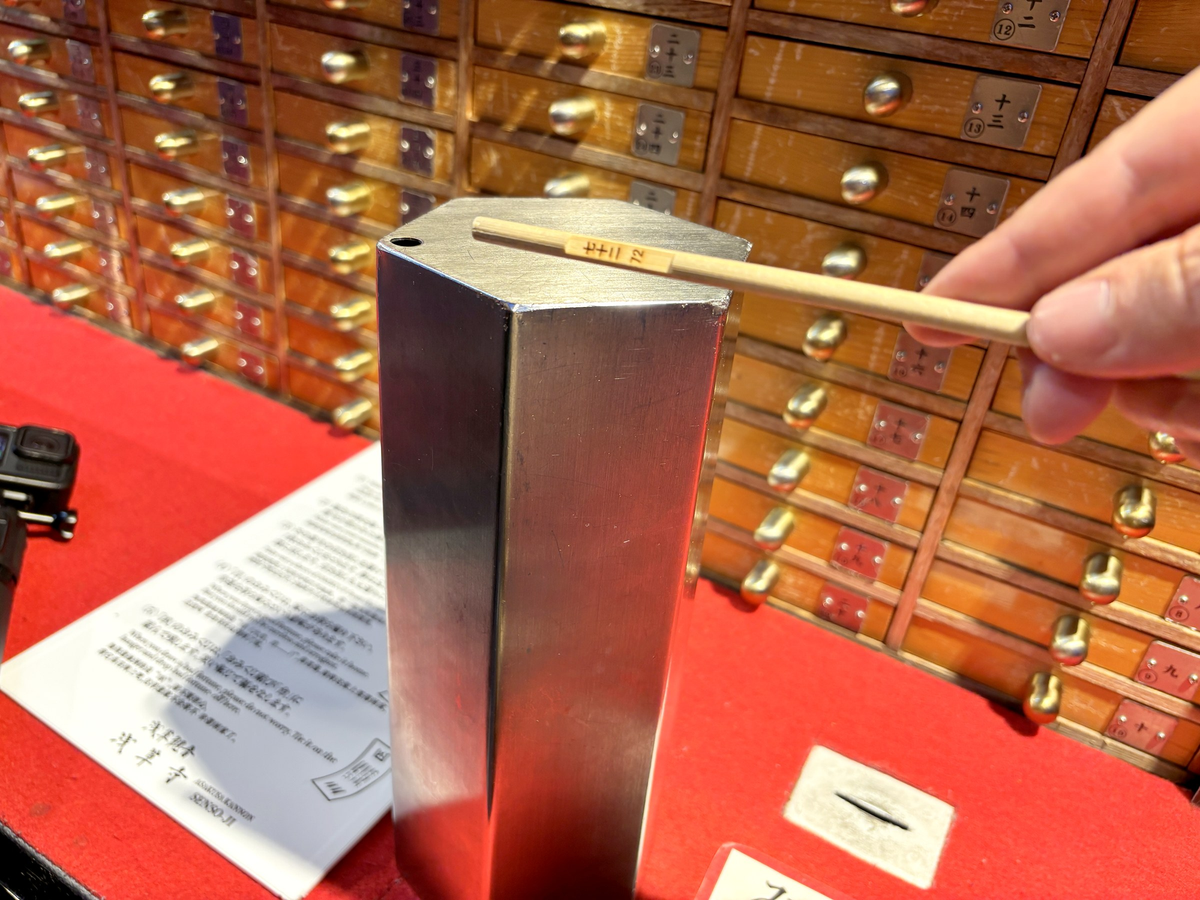
- Drawing The most common methods are pulling a slip of paper from a box, or shaking a stick out of a cylinder and receiving the slip with the same number.
- Reading If you see words like 大吉 (great fortune) or 凶 (bad fortune), they indicate your overall fortune. If you're curious about travel, look for the 旅行 (travel) section.
- After drawing You can take the slip home and reread it. If you want to tie it up on the grounds, follow the instructions posted where you drew it.
What Is an Omikuji? Why Do People Draw One?
People draw omikuji to ask the gods and Buddhas for guidance on matters that weigh on their minds. The slip of paper contains poems or short phrases about what to keep in mind in daily life. Some omikuji also indicate overall fortune, with terms such as 大吉 (great fortune) and 凶 (bad fortune).
The Origins of Omikuji: Why Do We Draw Numbered Paper Fortunes?
At shrines in the past, lots were sometimes drawn to ask the gods who should take on a role in a festival. Temples, meanwhile, had "Kannon-sen" (Kannon fortune slips), based on a form of divination that came from China. The number drawn corresponds to a Chinese poem, which is read as a message from Kannon, the Buddhist deity of mercy.
During the Edo period, a practice spread in which people drew lots about matters such as marriage, moving house, or business, then had a passage matching the number drawn read to them from a book.
In the later Edo period, papers printed with a message for each number were prepared, and those who drew lots would receive one slip each.
How to Draw an Omikuji Fortune at Shrines and Temples
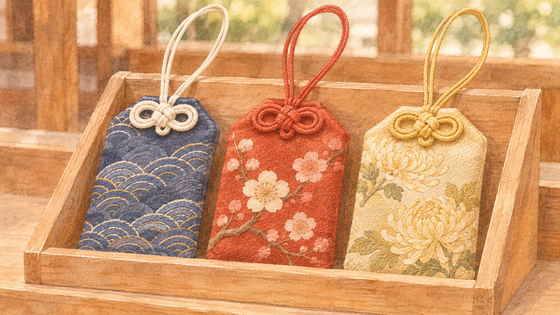
After paying your respects, look for a sign that says おみくじ (fortune slips). Some shrines and temples offer them at a counter marked 授与所(じゅよしょ), where amulets are also available.
Some places offer fortune slips in other languages. Before you draw, you can ask at the counter, “英語のおみくじはありますか?” (“Do you have omikuji in English?”).
How to
How to Draw an Omikuji
When you arrive at the place where boxes and tubes are lined up
1Check the notice and pay the fee
Paper fortune slips (omikuji) typically cost 100 or 200 yen per draw. Check the price and where to pay at the box or counter for the fortune you want to draw.
2Draw either a slip of paper or a numbered stick.
If the fortune comes in a box of folded papers, draw one. If it's a cylinder, shake it lightly until one stick comes out, then note the number written on it.
3Open your omikuji fortune
A slip drawn from the box can be opened and read right away. If you draw a stick instead, take a slip from the drawer with the same number, or show the number at the counter to receive one. Return the stick as directed by the local instructions.
How to Read Your Slip: 大吉 (Great Fortune), 凶 (Bad Fortune), and Advice by Topic
How do 大吉 (great fortune), 吉 (good fortune) and 凶 (bad fortune) rank?
Here is one example, ranked from best to worst fortune.
大吉 → 吉 → 中吉 → 小吉 → 末吉 → 凶
Here the ratings mean great fortune, good fortune, moderate fortune, small fortune, future good fortune, and bad fortune. The order varies by shrine or temple. At some, 吉 comes after 中吉 or 小吉.
- 大吉(だいきち) Excellent fortune
- 吉(きち) Good fortune
- 凶(きょう) A fortune urging caution in your actions
Some omikuji do not indicate good or bad fortune, and instead contain a waka poem with an explanation.
What do 待人 (the person you’re waiting for), 願望 (wishes) and 旅行 (travel) mean?
Once you open the slip, look for the section closest to what's on your mind.
| Term on the slip | What it advises on |
|---|---|
| 願望(がんぼう・ねがいごと) | Whether your wish will come true |
| 待人(まちびと) | Whether the person you're waiting for will appear |
| 旅行(りょこう) | What to keep in mind when setting out on a trip |
| 失物(うせもの) | Whether a lost item will be found |
| 縁談(えんだん) | How marriage talks will progress |
If the old-fashioned wording is hard to follow, check the back as well. It sometimes includes an explanation written in modern language.
What should you do if your omikuji says 凶 (bad fortune)?
Drawing 凶 (bad fortune) doesn't mean something bad will happen on your trip. There's also no need to redraw until you get a good result.
Instead, read the sections that catch your eye. If the 旅行 (travel) section advises caution, you can turn it into a practical plan, such as "I'll leave extra time for getting around today."
Why do people tie up omikuji at shrines and temples? Can you take yours home?
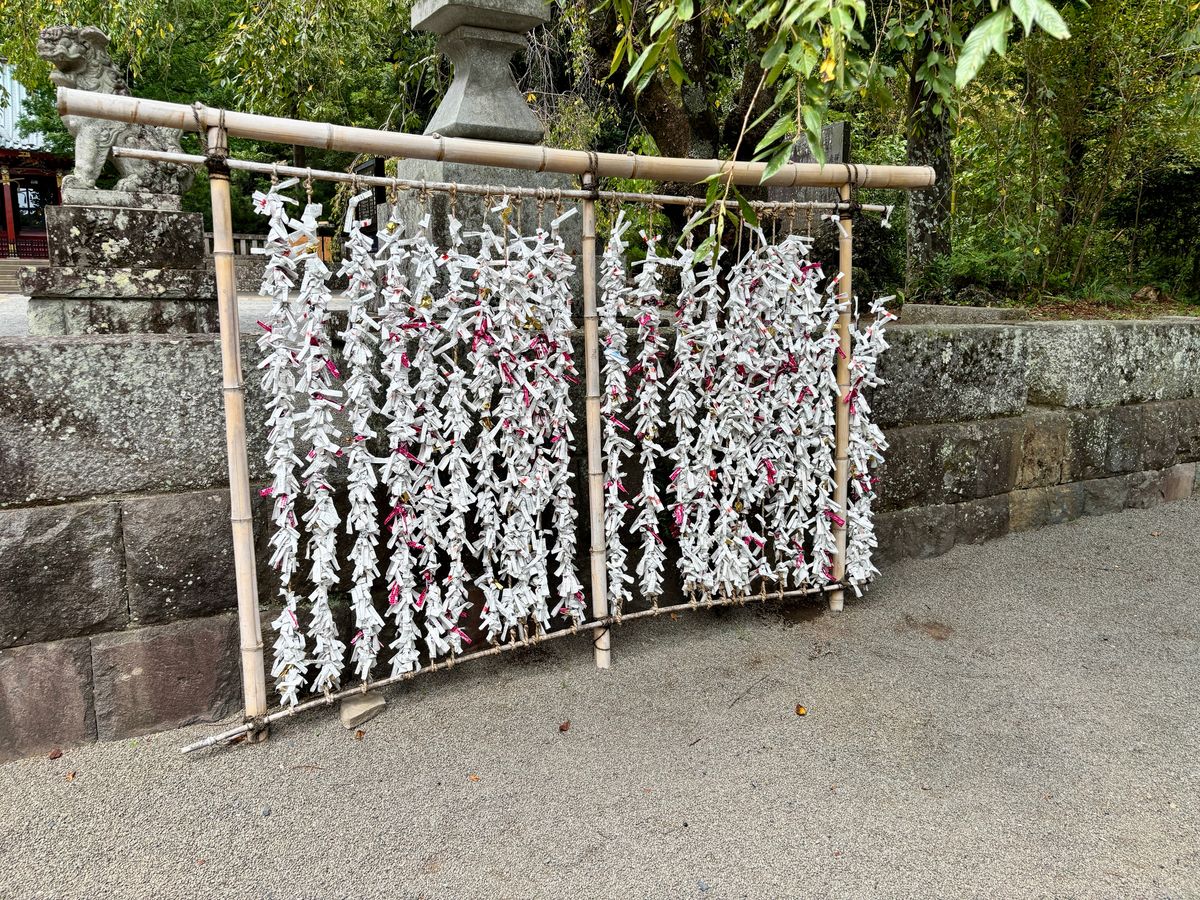
Tying an omikuji fortune slip at a shrine or temple can express a wish for a bond with the gods and Buddhas. Some people who draw 凶 (bad fortune) tie it in the hope that things will turn for the better.
How Did the Custom of Tying Begin?
No one knows exactly when or where the custom began. One theory holds that in the Edo period, people who sought to divine the course of their love lives tied paper to tree branches, playing on the idea of "tying a bond" (en wo musubu) with another person. A postcard from 1907 also depicts a woman tying an omikuji (fortune slip) to a branch.
What should you do with the paper you've drawn?
- Tying it at the shrine or temple Look for a sign reading おみくじ結び所 (omikuji tying area) and tie your fortune to the designated rack or cord.
- Taking it home Unless the place where you drew it posts special instructions, you can fold the paper and take it with you. You can reread any words that caught your attention later.