Yamanaka Onsen's Hidden Gem: Kaga Iryokuen
By Dynamic Japan Travel Editorial Team—Supervised by P-HAM Co., Ltd. (Licensed Travel Agency, Aichi No. 3-1590)
Contents
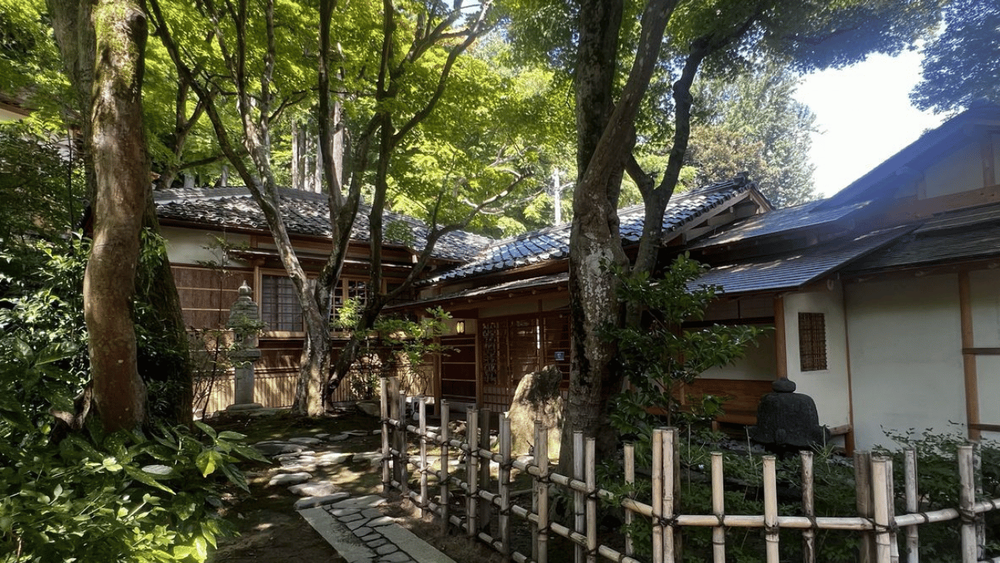
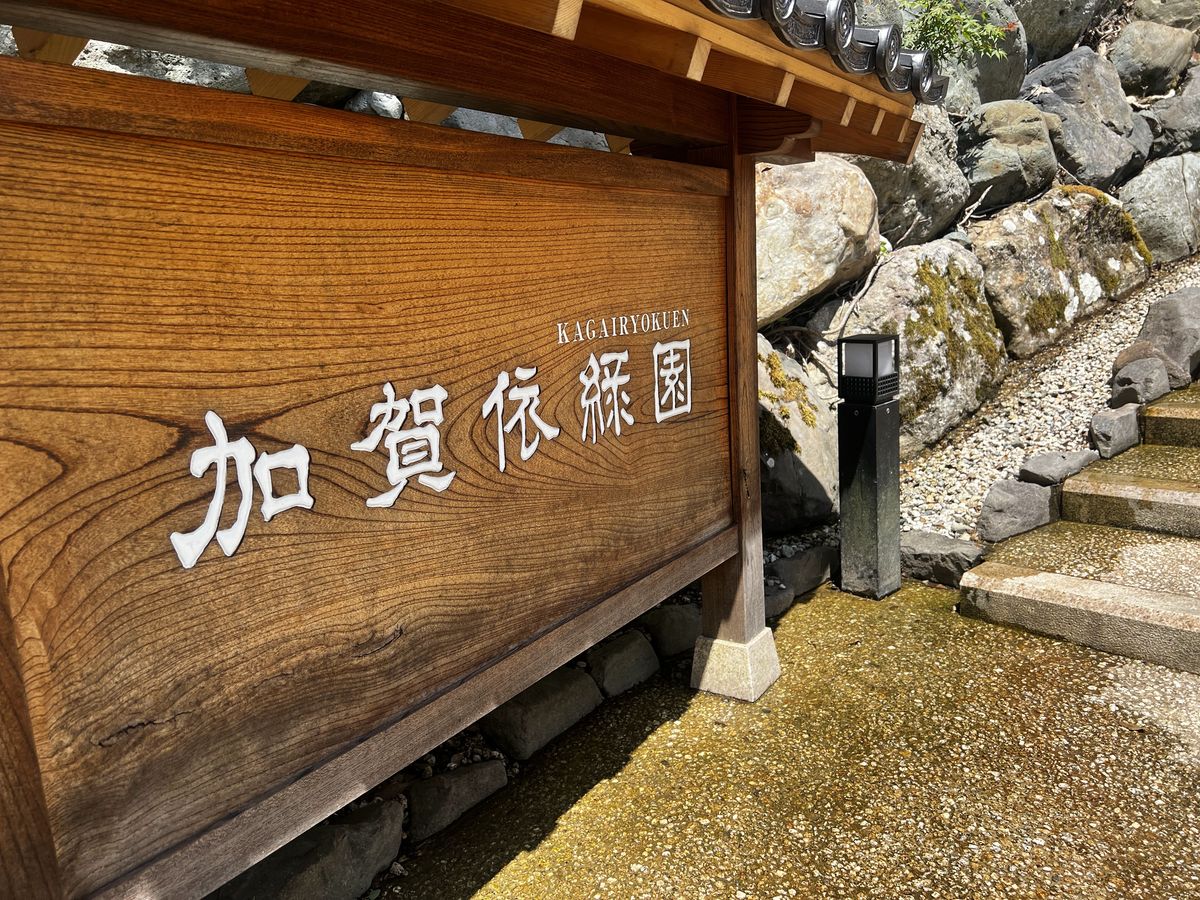
In Yamanaka Onsen, in Kaga City, Ishikawa Prefecture, stands a quiet residence called Kaga Iryokuen (加賀依緑園). This historic estate once hosted Emperor Showa. Unlike bustling tourist spots, visiting here envelops you in a stillness where time seems to slowly unwind.
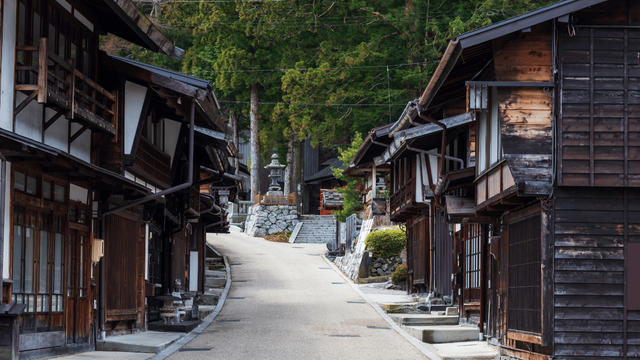
Kyoto and Kanazawa are famous, but they draw huge crowds of tourists. Yamanaka Onsen remains relatively unknown, making it the perfect spot for those who want to enjoy Japanese culture in peace. Here, we introduce our top recommendation in Yamanaka Onsen—the highlights of Kaga Iryokuen and how to get there.
The Story Behind the Name Kaga Iryokuen
Kaga Iryokuen is a distinguished Kaga estate built between the Taisho and early Showa eras. Its name was inspired by the owner's belief that "people find peace of mind through greenery."
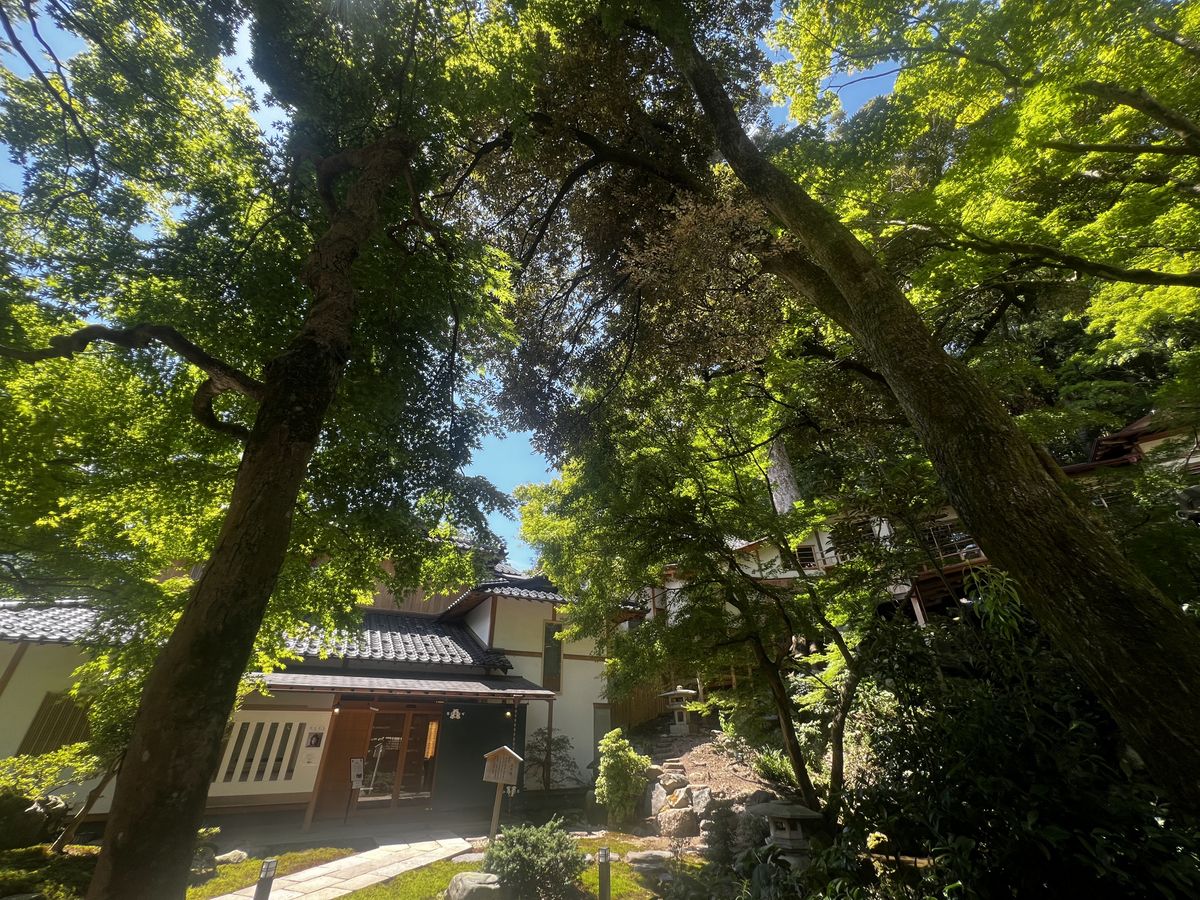
The estate retains an ambiance unique to this region, where samurai and merchant cultures intersect, embodying the distinctly Japanese aesthetic of garden and architecture as one. Visitors are enveloped in a stillness where time seems to slowly unwind, naturally sharpening the senses.
A Historic Residence Visited by Japanese Imperial Family Members
Records show that members of the Imperial Family visited Iryokuen during the Showa era. They are said to have shown great interest in the light streaming into the main hall, the stillness created by the moss garden, and the various crafted objects on display—evidence that the finest of Japanese culture at the time was concentrated here. This episode continues to lend Iryokuen its air of distinction today.
Inside the residence, the room where the Emperor stayed remains intact, its every corner still showcasing the artistic interior craftsmanship of the era.
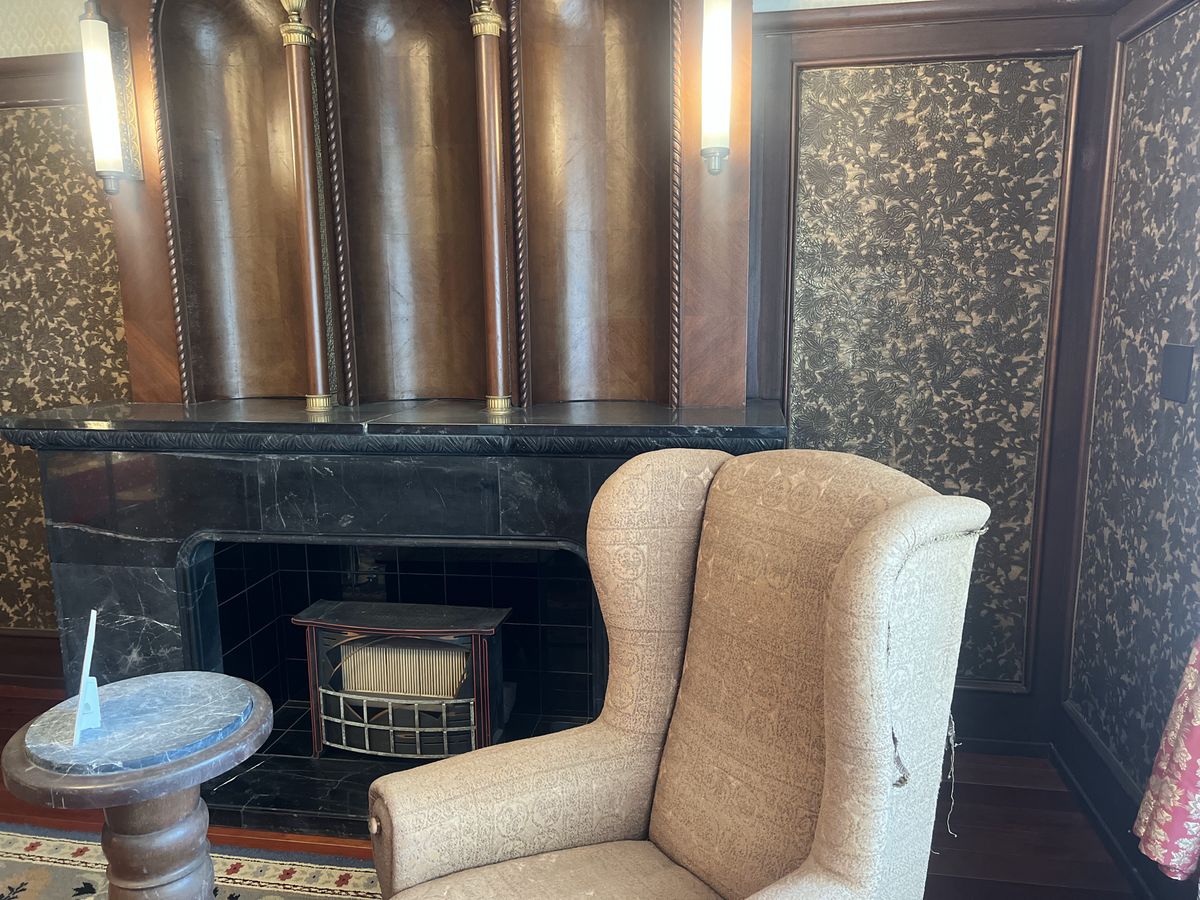
The Most Fascinating Find: "Kinkarakawakami" Gilded Paper
Though made of washi (Japanese paper), it has the weight and luxurious feel of leather. In medieval Europe, gold- and silver-leafed leather was used as wallpaper in the mansions of royalty and nobility. This piece recreates that gilded leather (kinkarakawa) using traditional Japanese washi techniques. Visitors can even touch it, so be sure to experience it with all your senses.
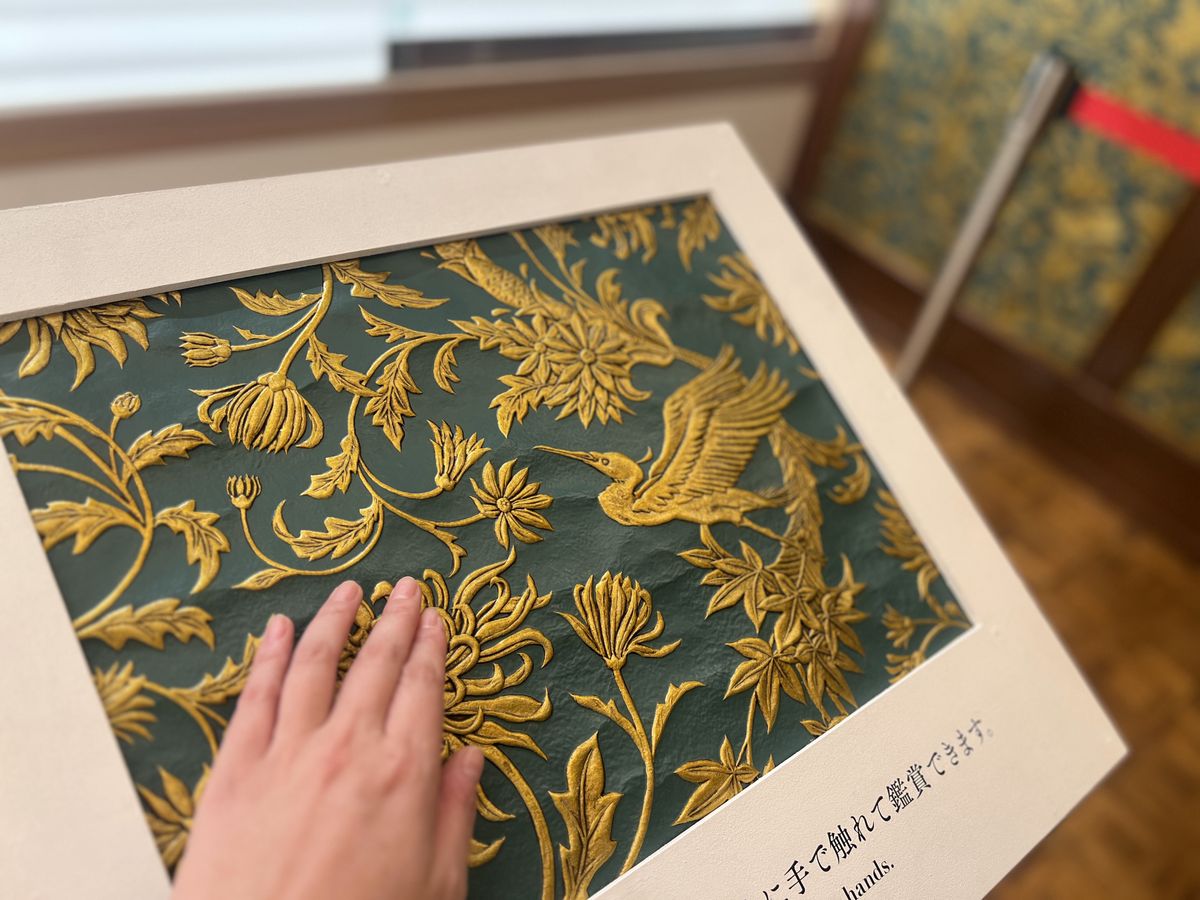
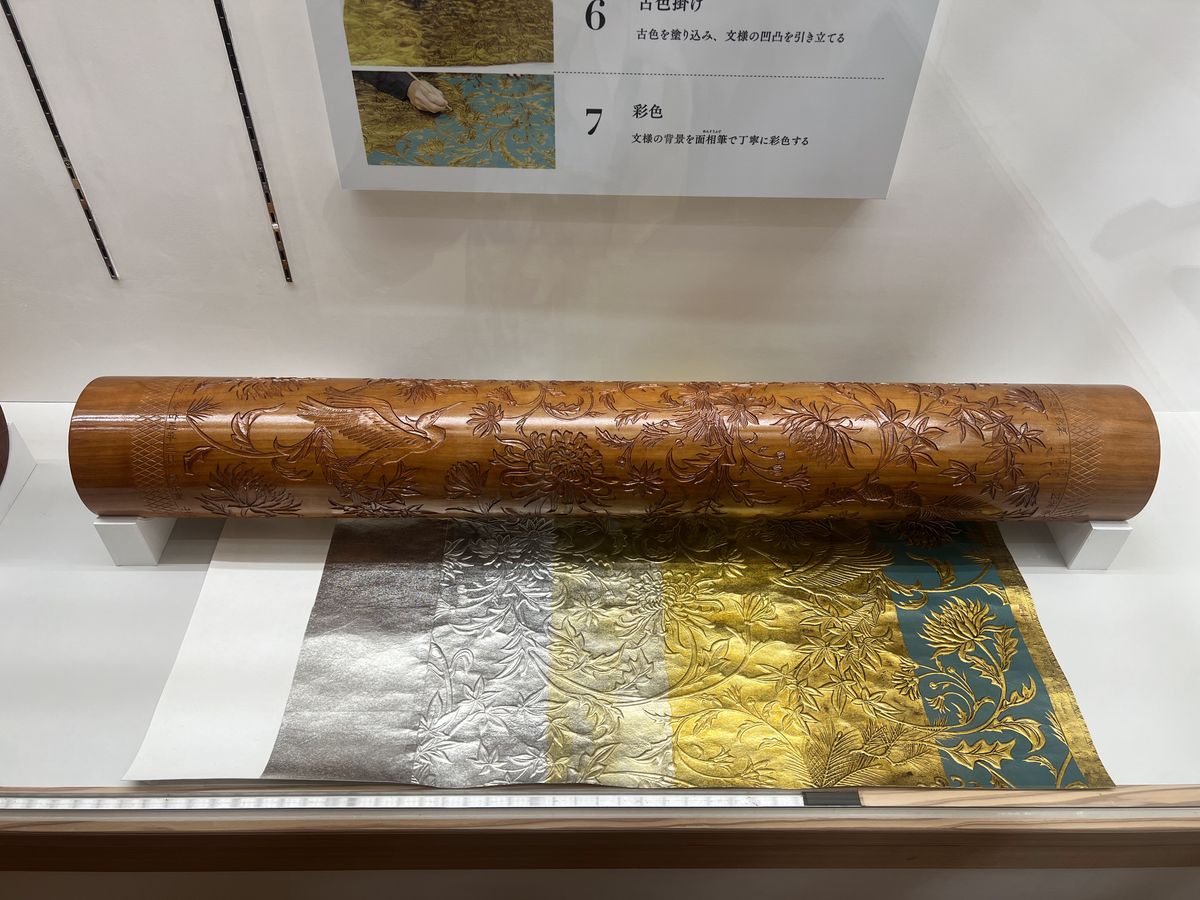
The exhibit also shows how this "kinkarakawakami" is made. Remarkably, the gold coloring appears to be applied entirely by hand—the meticulous craftsmanship is truly moving.
When visiting historic Japanese buildings, the details that always catch my eye are the ranma (transom panels), the wallpaper, and the ceiling. Here at Iryokuen, you can admire the same exceptional craftsmanship. This deep blue wall is known as "gunjo-iro" (ultramarine blue).
This deep ultramarine blue pigment was originally made from lapis lazuli, a precious gemstone, which made it extremely valuable. For this reason, rooms with walls painted in this ultramarine hue were considered the most prestigious in the house, reserved only for special guests. In other words, it is a truly special color.
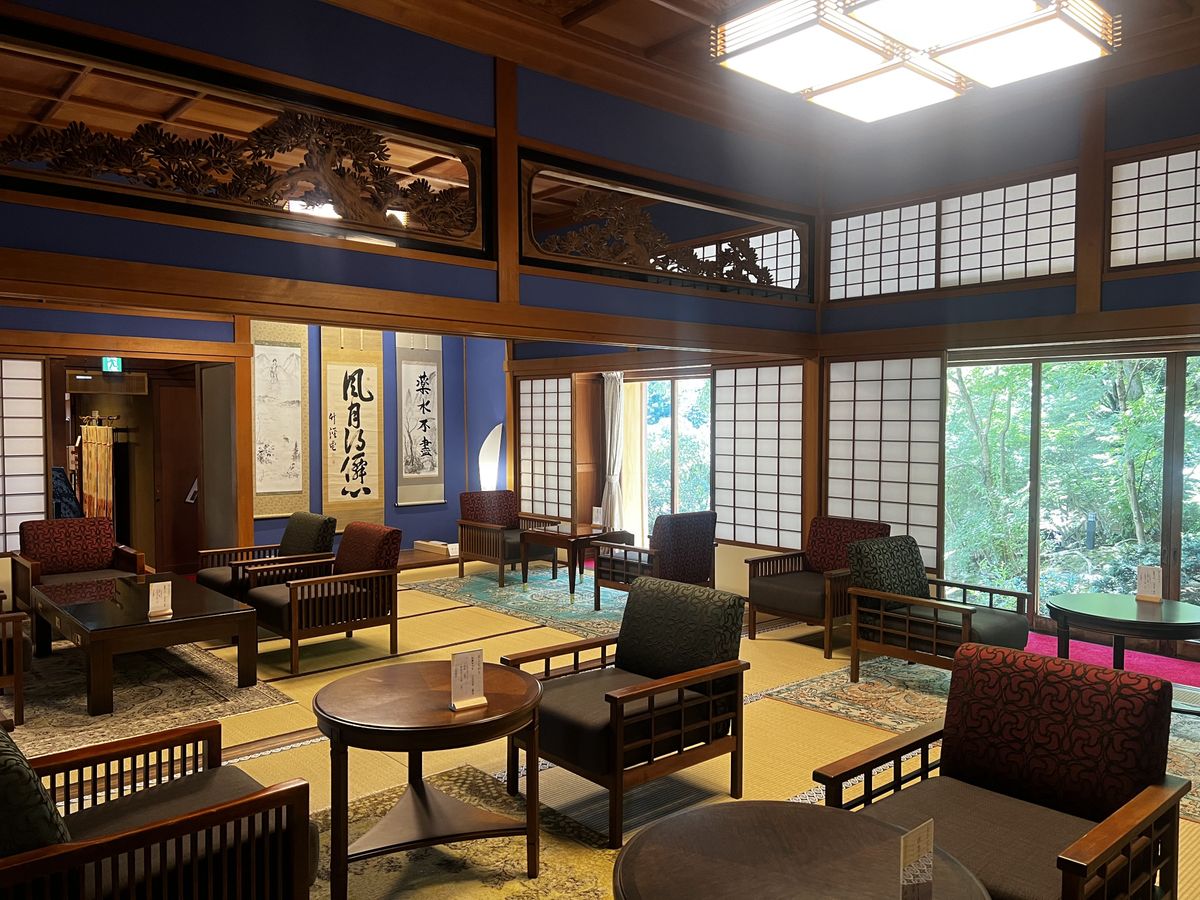
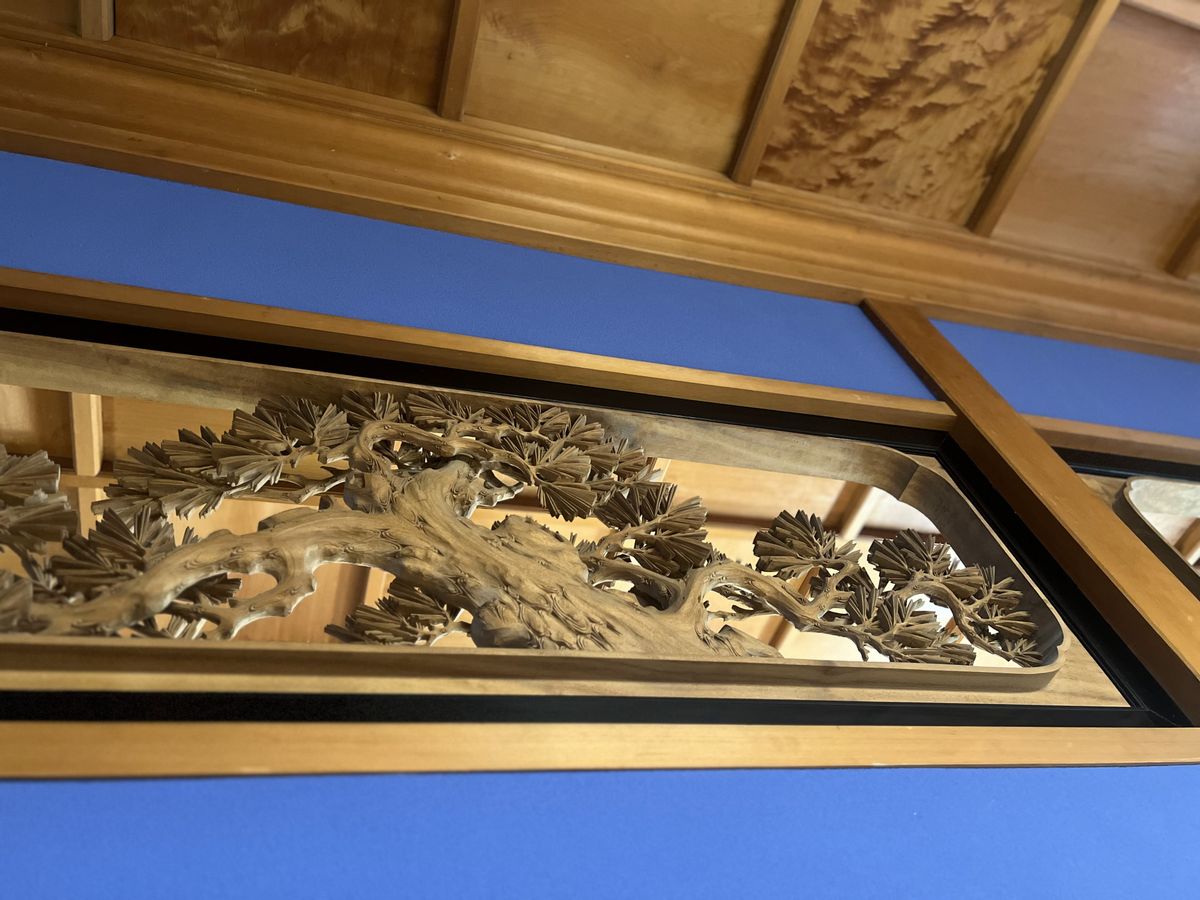
Take a look — glance upward and a magnificent ceiling spreads out above you.
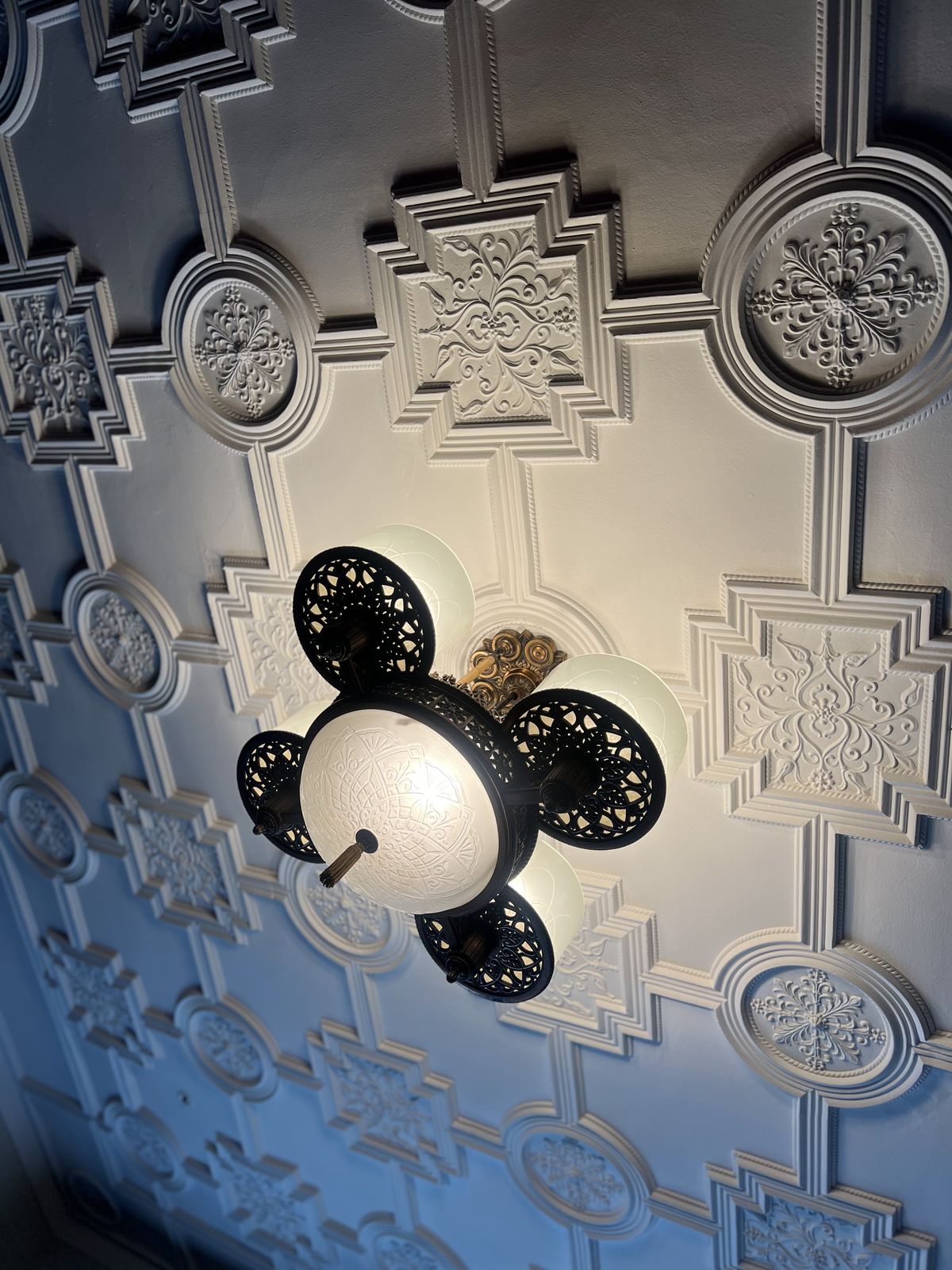
A Courtyard Shaped by Over 20 Types of Moss
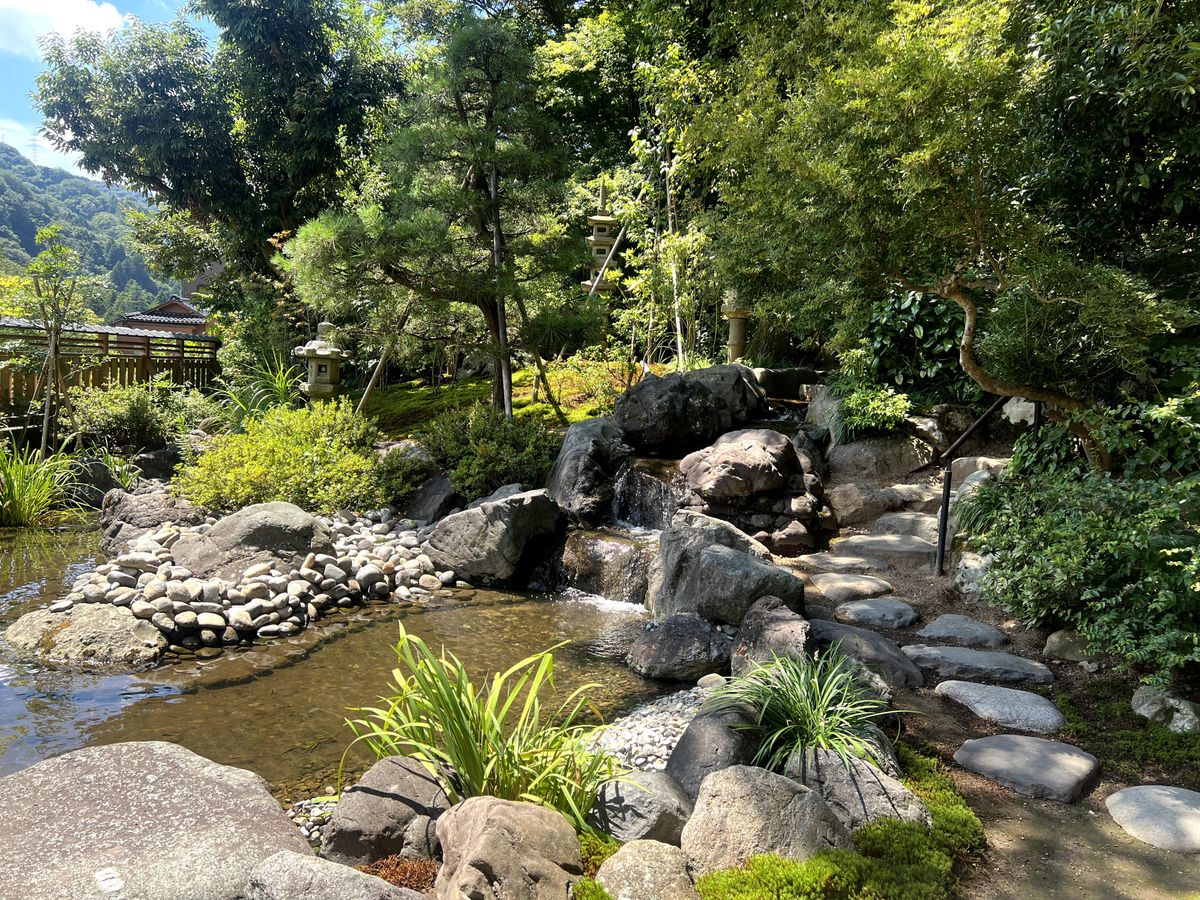
What struck me most, once I learned it afterward, was that over twenty types of moss coexist here naturally! Gardens like this are extremely rare, with the shades of green shifting subtly with the light and humidity throughout the day. The gardeners have preserved this space according to a philosophy passed down through generations: a garden without standing water, where the moss speaks for itself. This tranquil courtyard offers international visitors a special experience of what might be called "Japan's deep serenity."
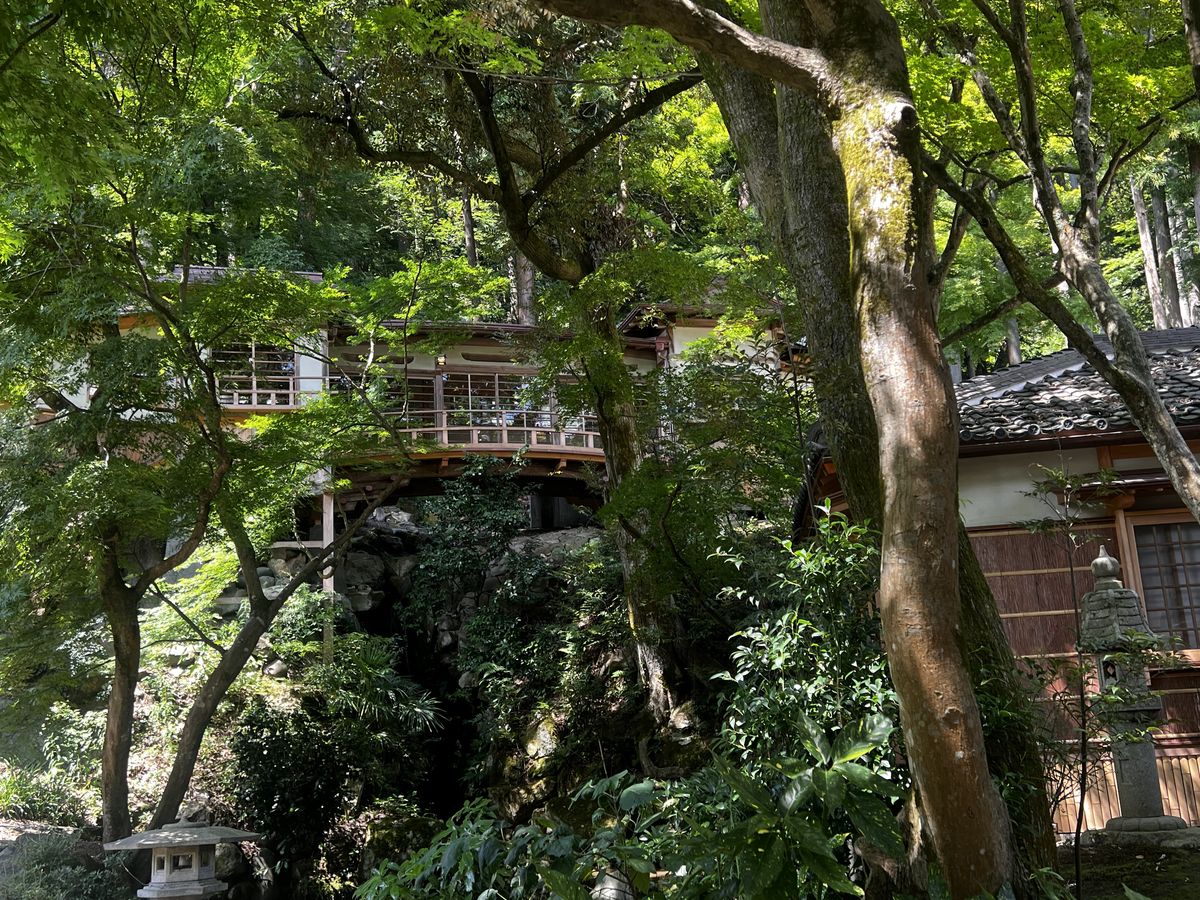
Crafts on Display Inside the Residence
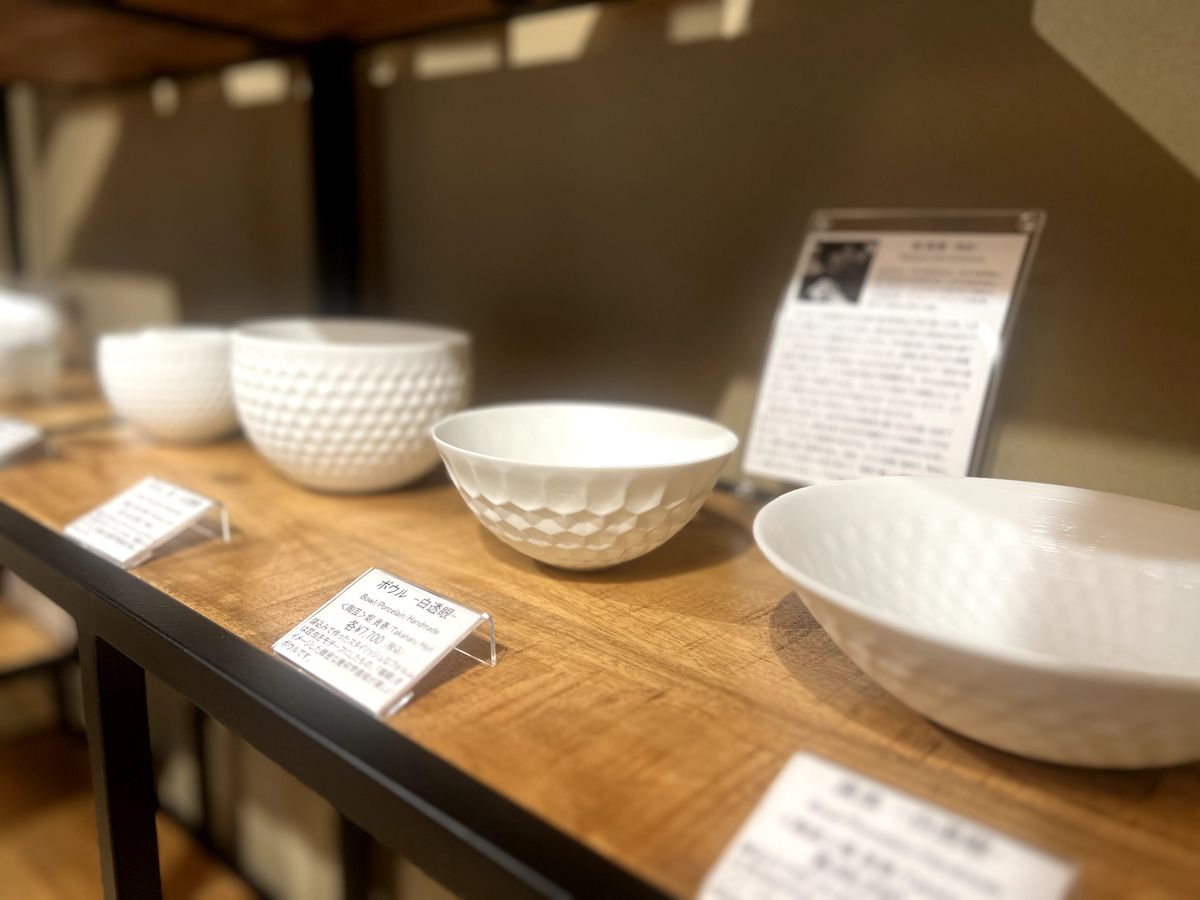
Kaga Iryokuen houses a wealth of art pieces that are now hard to find elsewhere, including early works of Kutani ware (Kutani-yaki) and prototype bolts of Kaga Yuzen textile dyeing. The residence's owner has long maintained close ties with artists, and works naturally gathered here through those connections. What makes the collection so appealing is that these pieces are less like museum exhibits and more like "art that was actually used" — art that lived alongside everyday life — leaving the entire residence steeped in layers of refined aesthetic sensibility.
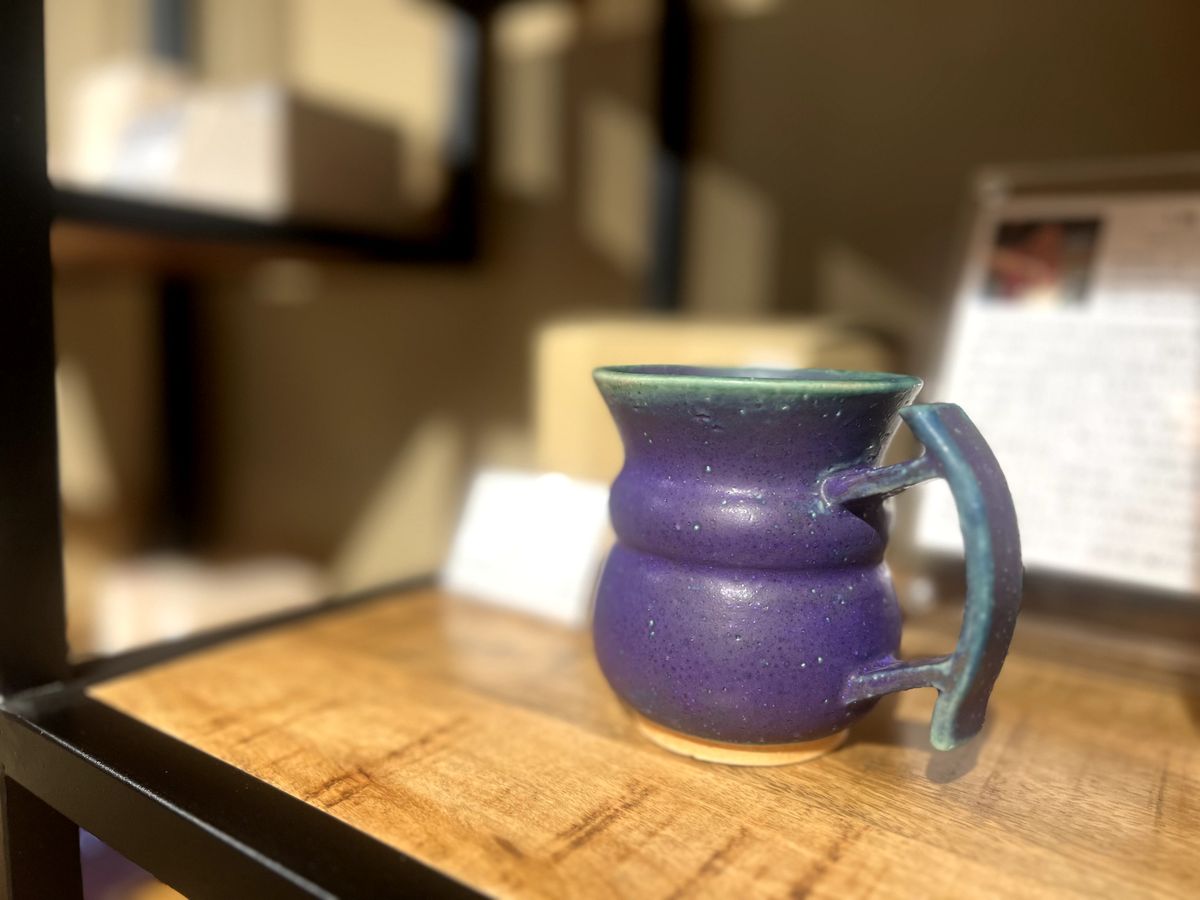
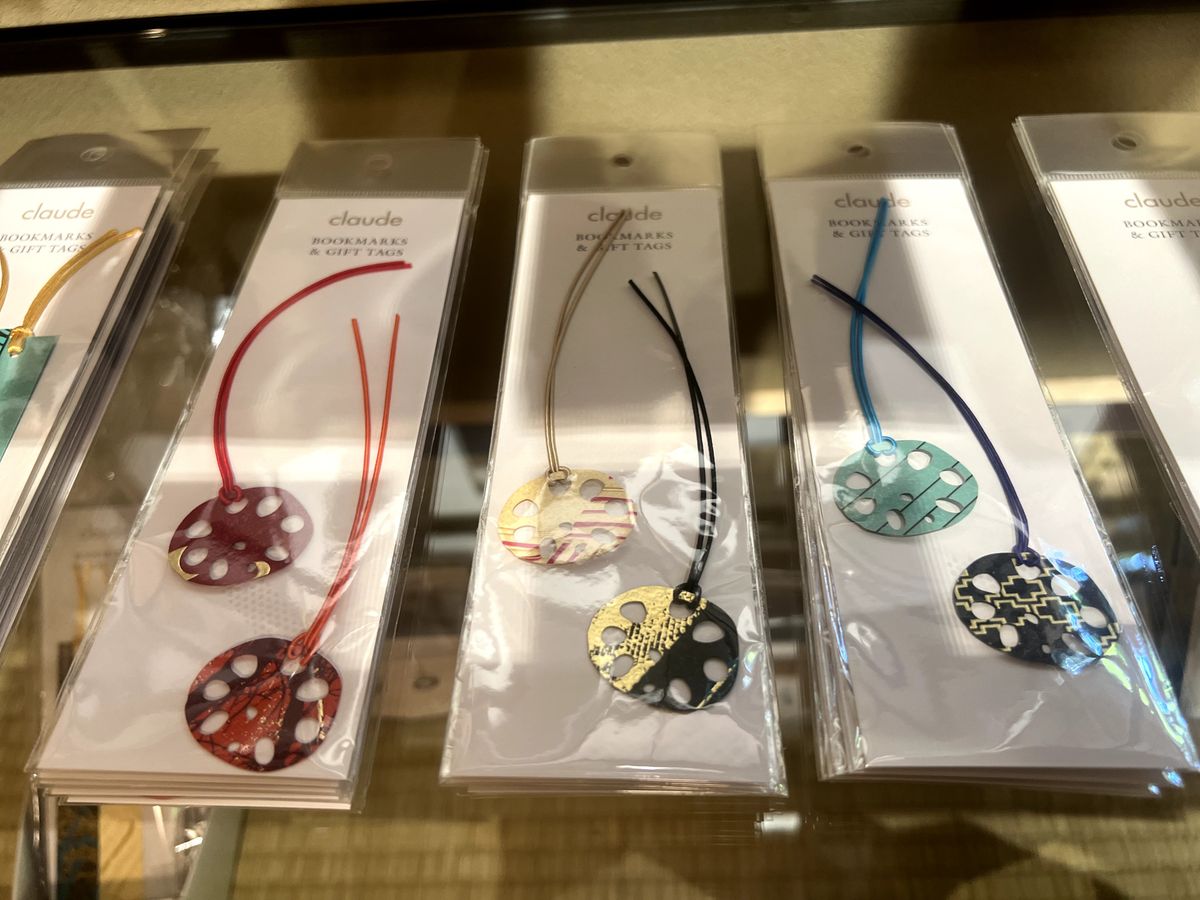
The residence also displays works by contemporary craft artists, which are available for purchase. Seeing how these traditions have grown with the times and been carried forward into works that reflect the present day brings its own quiet sense of inspiration.
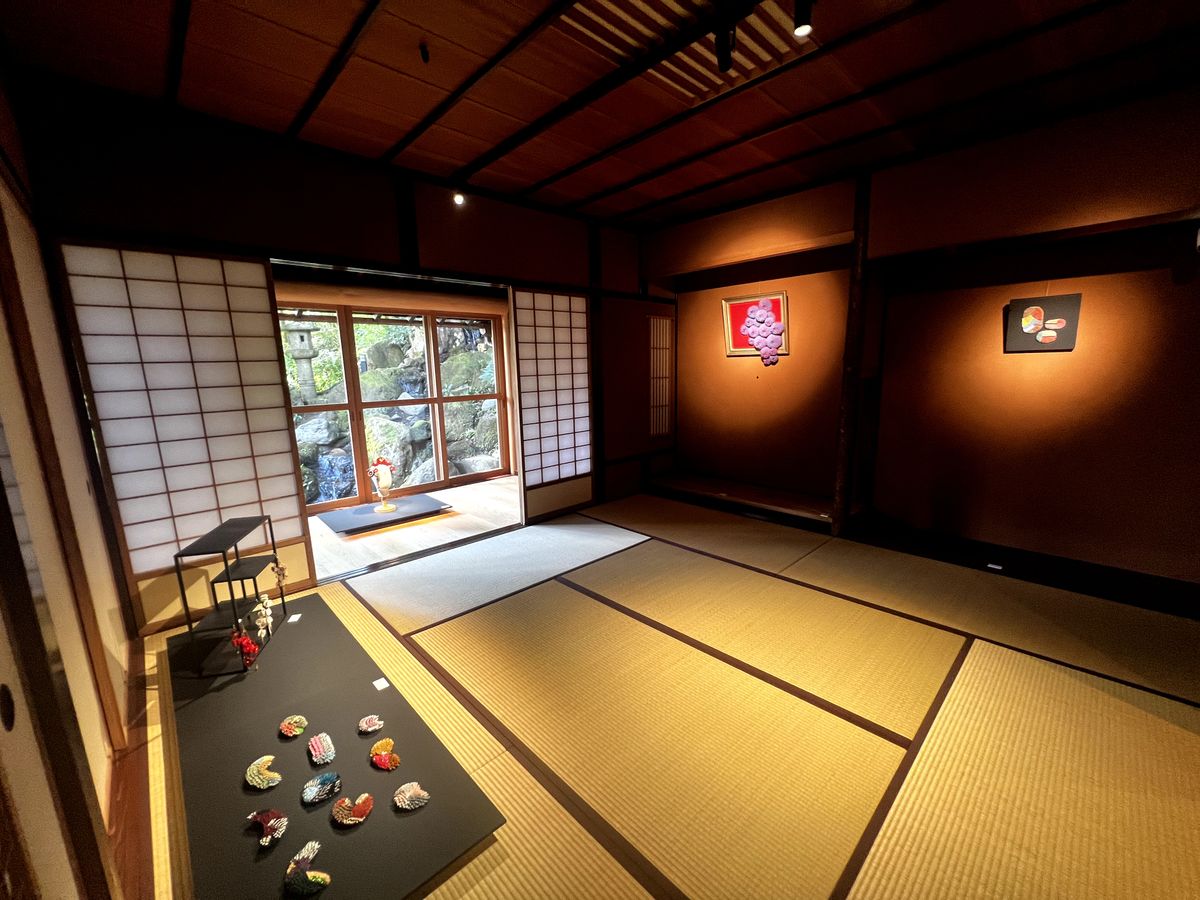
A Place That Still Holds the Air of an Era When Life Itself Was Art
Walking through Iryokuen, Japanese aesthetics speak to you quietly — light filtering through shoji screens, floors polished smooth over the years, and shadows shifting gently across the garden. In winter, the shadows of yukitsuri (snow-protection ropes) fall across the veranda; in summer, the soft chime of wind bells drifts through the air. You can feel the rhythm of Kaga's natural seasons, honored here through a long-standing dialogue with the changing year. Rather than simply traveling, you feel as though you are surrendering yourself to time itself.
Why You Should Visit Iryokuen
Unlike bustling tourist destinations, Kaga Iryokuen functions as a "living museum," carrying the past seamlessly into the present. You can immerse yourself in refined Japanese sensibility as if standing under a shower of it, and the experience resonates equally with photography enthusiasts, history buffs, architecture and craft fans, and solo travelers alike. It's a residence that offers the understated depth unique to the Hokuriku region — quite different from Kyoto. For travelers seeking to touch the true essence of Japanese culture, it promises to be an unforgettable experience.
How to Get to Kaga Iryokuen
The nearest bus stop to Kaga Iryokuen is “(Kōrogi Bridge)[https://maps.app.goo.gl/DELij2sukNvpKfFZ7]”. Within Yamanaka Onsen, you'll need to use the Hokuetsu Kaga Bus to get around. Please see the article below for details on how to ride this bus.
Basic Information about Kaga Iryokuen
Address: (Google Maps)[https://maps.app.goo.gl/nh1s9CfQXrshNmdn6]
Hours: 10:00 AM – 6:00 PM
Closed: Thursdays (open on public holidays)
Admission: ¥600 for adults, free for high school students and younger