Nature & Adventures
Murodo, Tateyama: Japan's Highest Station and Its Snow Fields
By Dynamic Japan Travel Editorial Team—Supervised by P-HAM Co., Ltd. (Licensed Travel Agency, Aichi No. 3-1590)
Updated 28 August 2026Editorial policy
Contents
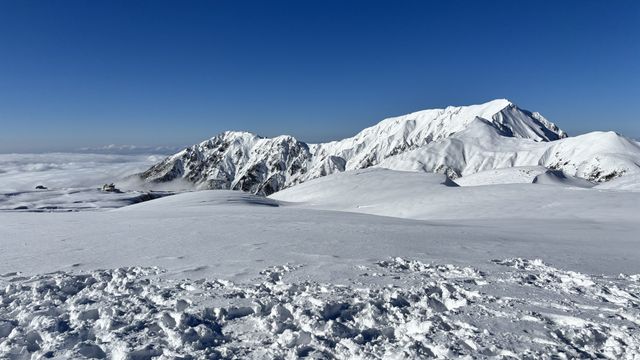
At 2,450 metres, Murodo is the highest point on the Tateyama Kurobe Alpine Route and is known as Japan's highest station. What sets Murodo in November apart from every other sightseeing spot is this: step outside the terminal building and you are already standing on a snowfield. Get off the bus, climb the stairs, walk through the door — and the view fills, edge to edge, with nothing but snow and mountains.
“I'm coming to Japan in November, and I want to be sure I'll see snow.” Murodo is one of the surest answers to that question. While the lowlands are still holding on to the last of their autumn colors, Murodo-daira, at an elevation of 2,450m, is already a full-blown world of snow. This article is based on my own visit on foot at the end of November 2025. Note that the Alpine Route, Murodo included, closes for the season at the end of November each year, so always check the current season's operating dates before you plan your trip.
First, the most important thing. Do not compromise on footwear and cold-weather gear. I went in sneakers and regretted it to my core. You're walking on snow from the moment you step out of the station, so waterproof boots are essential. It feels like the dead of winter up there, and it's not unusual to see people kitted out for full winter mountaineering. A down jacket, gloves, a hat, and ideally sunglasses too — put your gear together down at the base before you head up. There's nowhere to buy it once you're on the mountain.
Highlights
Walking the Murododaira snowfield
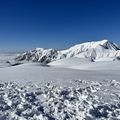
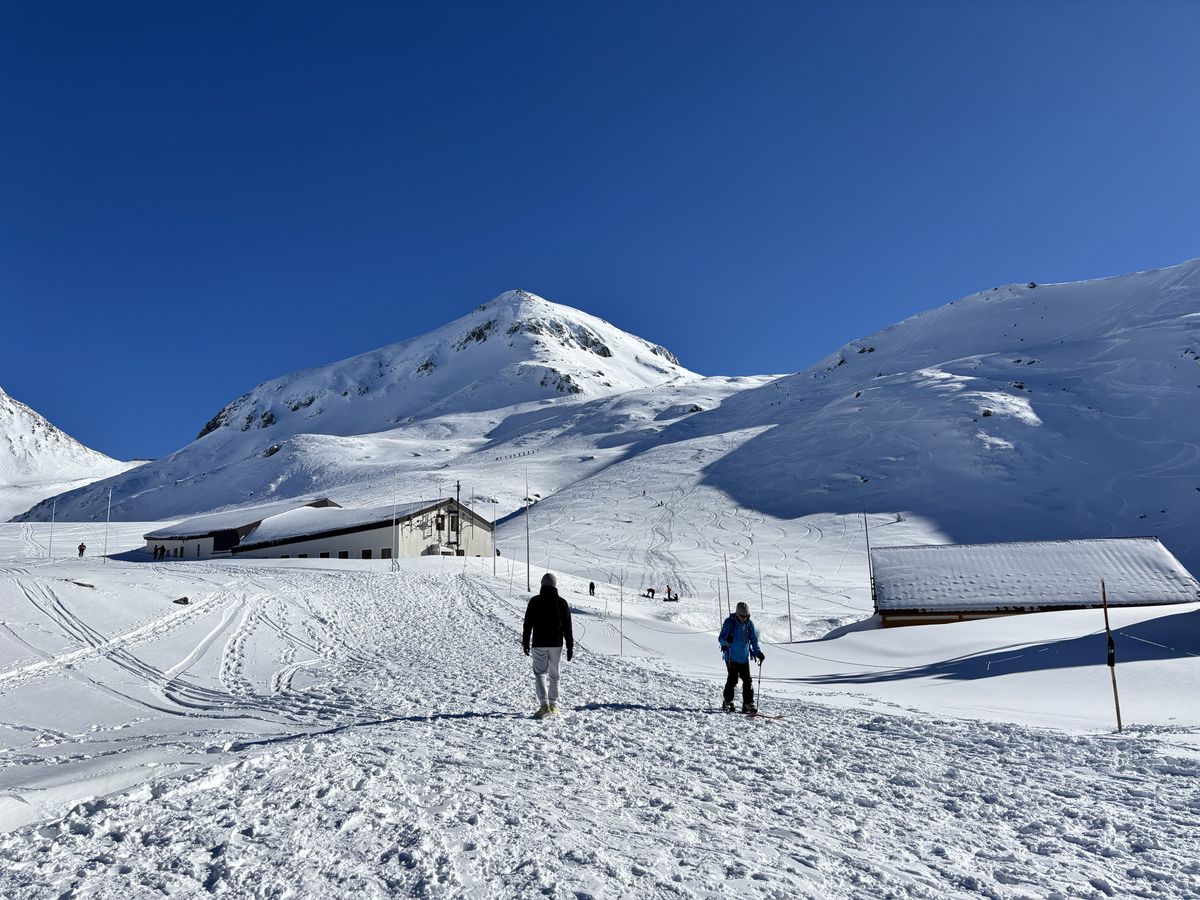
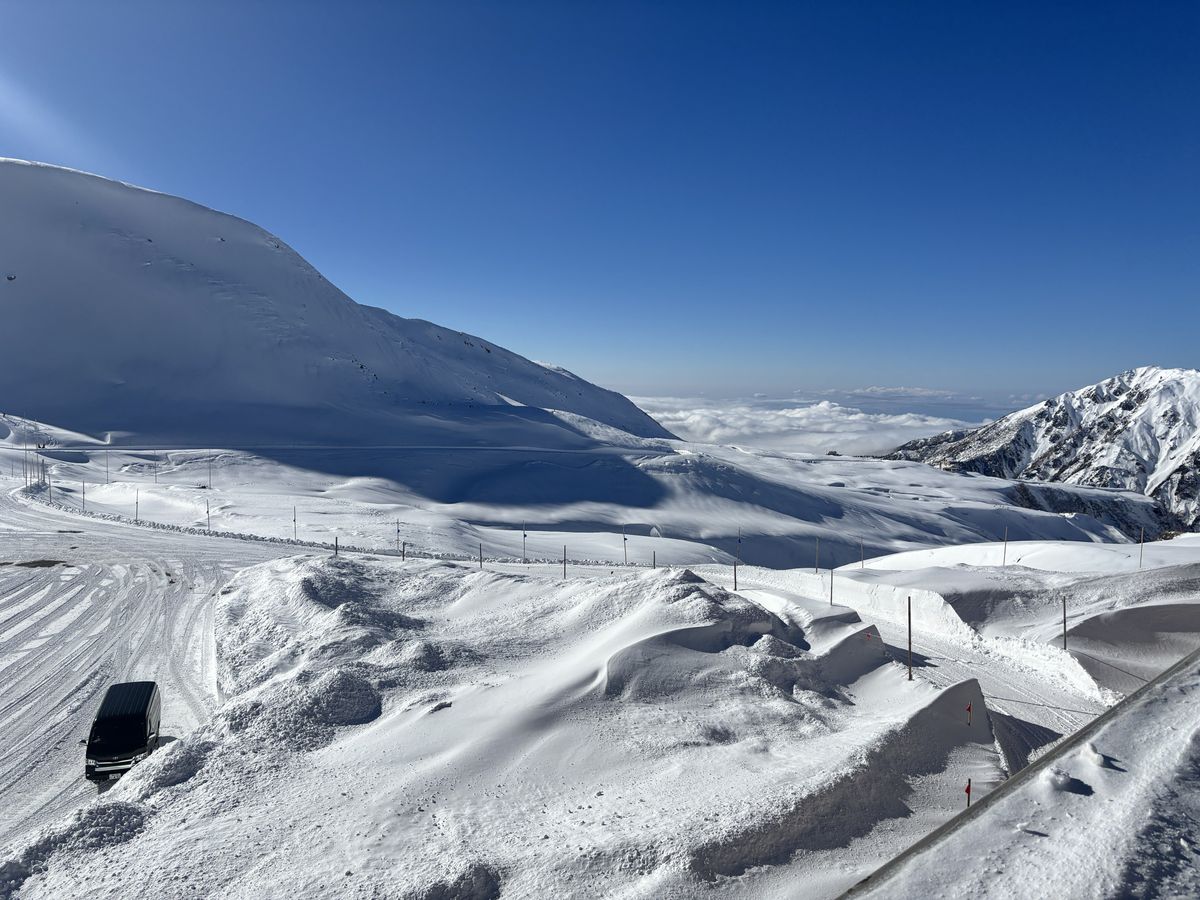
Step out of Murodo Terminal and the Murododaira snowfield opens up right in front of you. Even staying within the marked walking paths, you get the full effect: pure white snow underfoot and the ridgelines of Tateyama above. Simply following the tracks at your own pace is enough to feel, unmistakably, that you have arrived in the snowbound Japan Alps.
Panoramas of the Tateyama mountain range and the sea of clouds
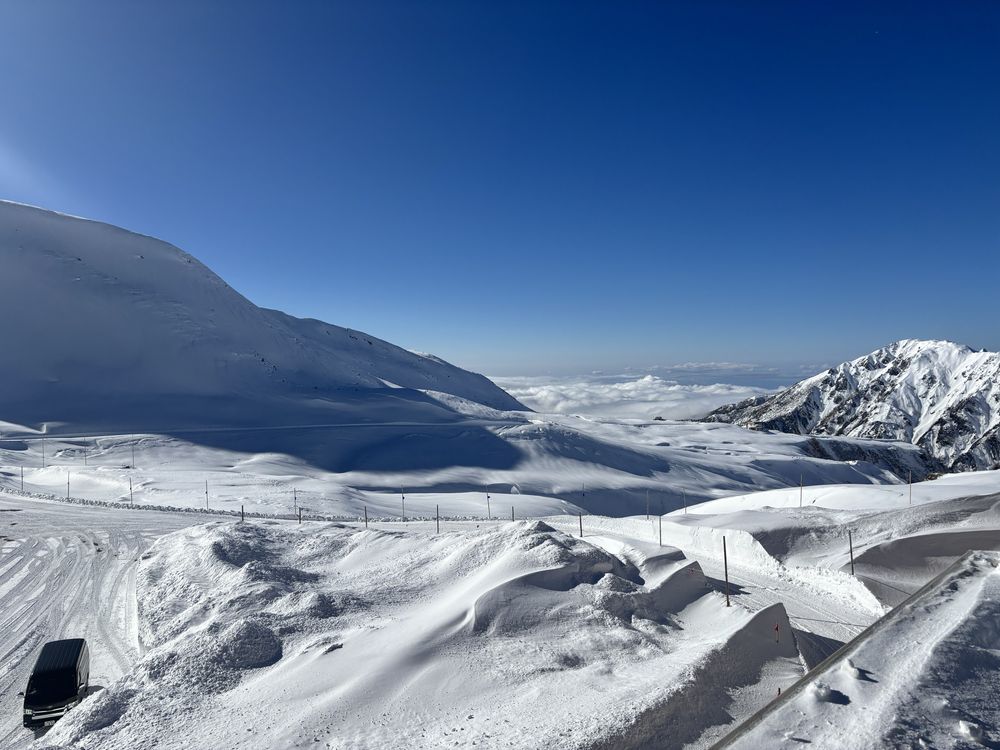
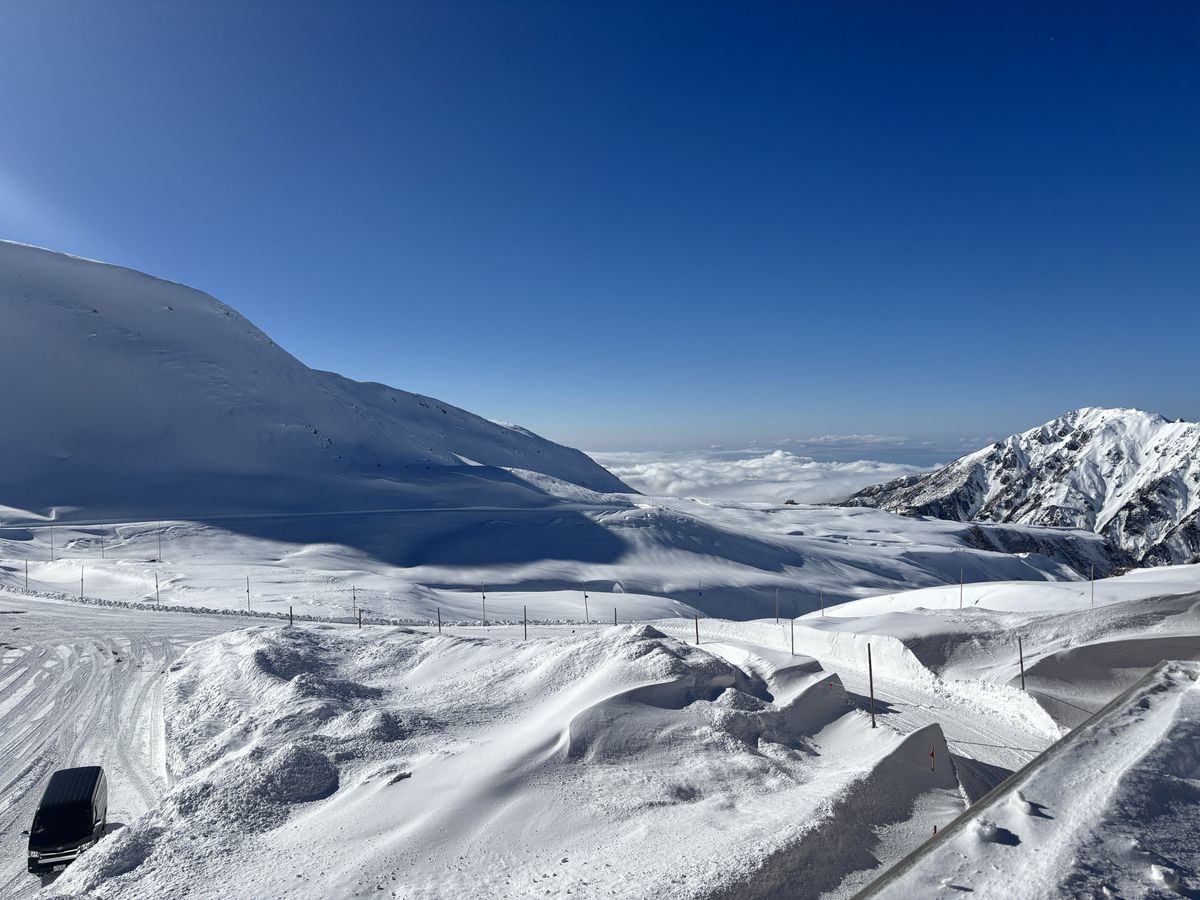
With good weather on your side, the snow-clad Tateyama mountain range rises almost within arm's reach. Time it right and a sea of clouds spreads out below, putting snowfield, ridgeline and cloud into a single frame — a panorama only this altitude can give you.
The Tateyama stone monument
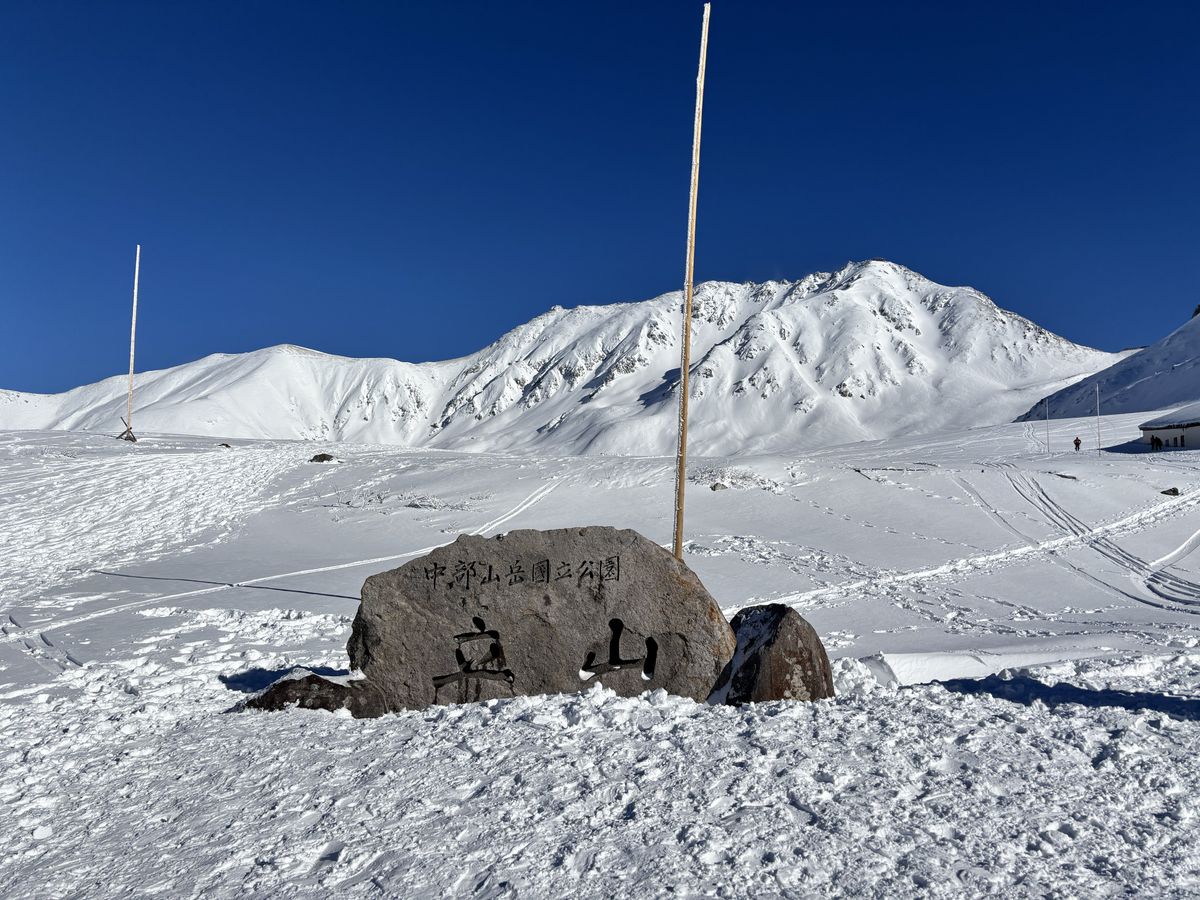
Near the terminal stands a stone monument carved with the name Tateyama, a classic photo spot with the snowscape and the mountain skyline behind you. Half-buried in snow, it takes on a look you only see from late autumn into early winter.
Mountain huts standing in the snow
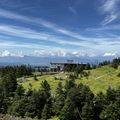
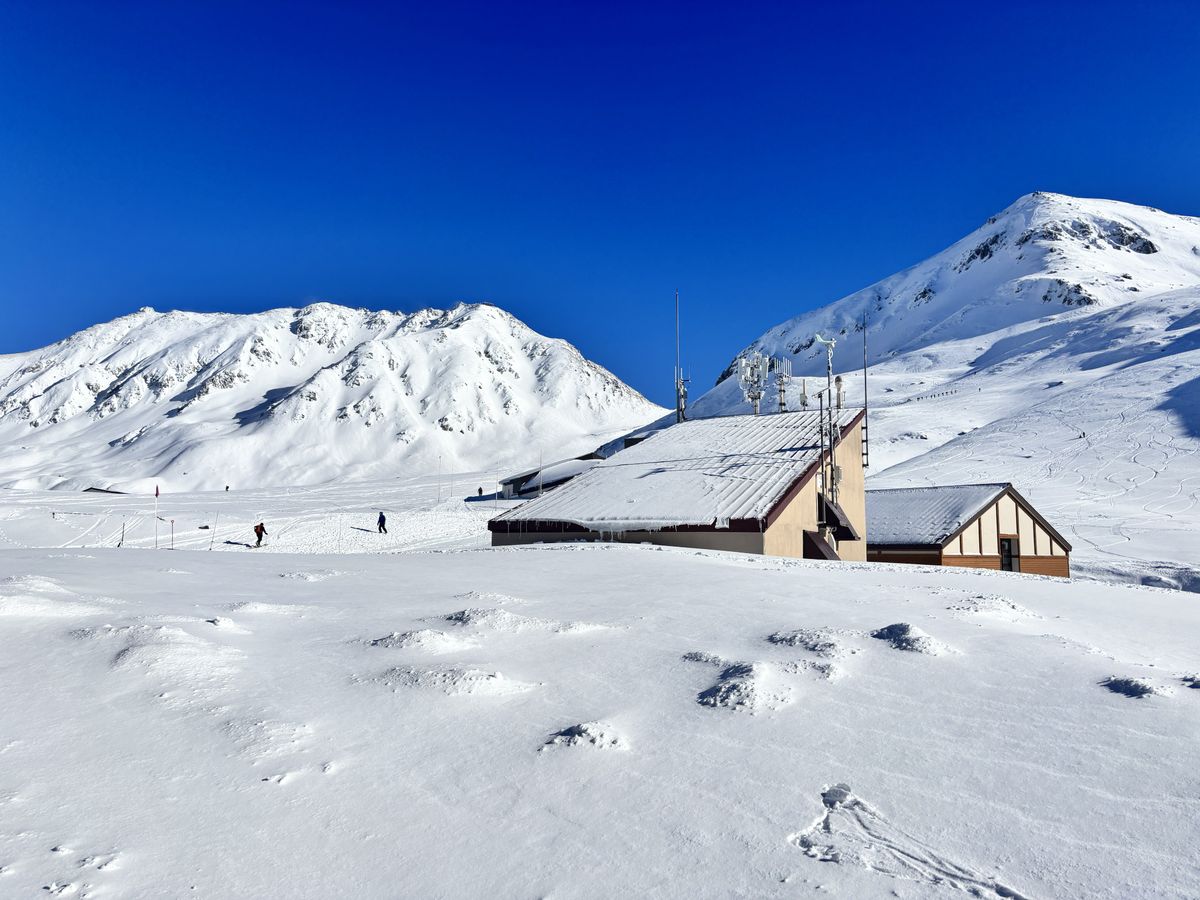
A mountain hut standing alone out on the snowfield is another quintessential Murodo scene. The outline of a building emerging from an all-white world is one of the images that stays with you as you walk.
This is not the Snow Wall season
Murodo is famous for the Snow Wall (Yuki-no-Otani), where you walk between walls of snow more than ten metres high — but that is a spring event, usually April to June. There are no snow walls at Murodo in November. What you get instead is a quiet snowfield under freshly fallen snow, and a calm that is a world away from the spring crowds.
You won't find the towering corridors of snow, or the crowds, of the spring-to-early-summer Snow Wall (Yuki-no-Otani) at this time of year. What you get instead is a soundless snowfield. No lines of tour buses, no queues — a quiet white world almost entirely to yourself, and that is exactly what makes Murodo worth it in late autumn. Allow at least a few hours for walking the snowfield and eating, and since the route involves a lot of transfers, work backwards from your descent time and set off early.
Walking safely (from first-hand experience)
At 2,450 metres in snow season, this is a sightseeing destination and a mountain environment at the same time. Here is what stood out while actually walking it.
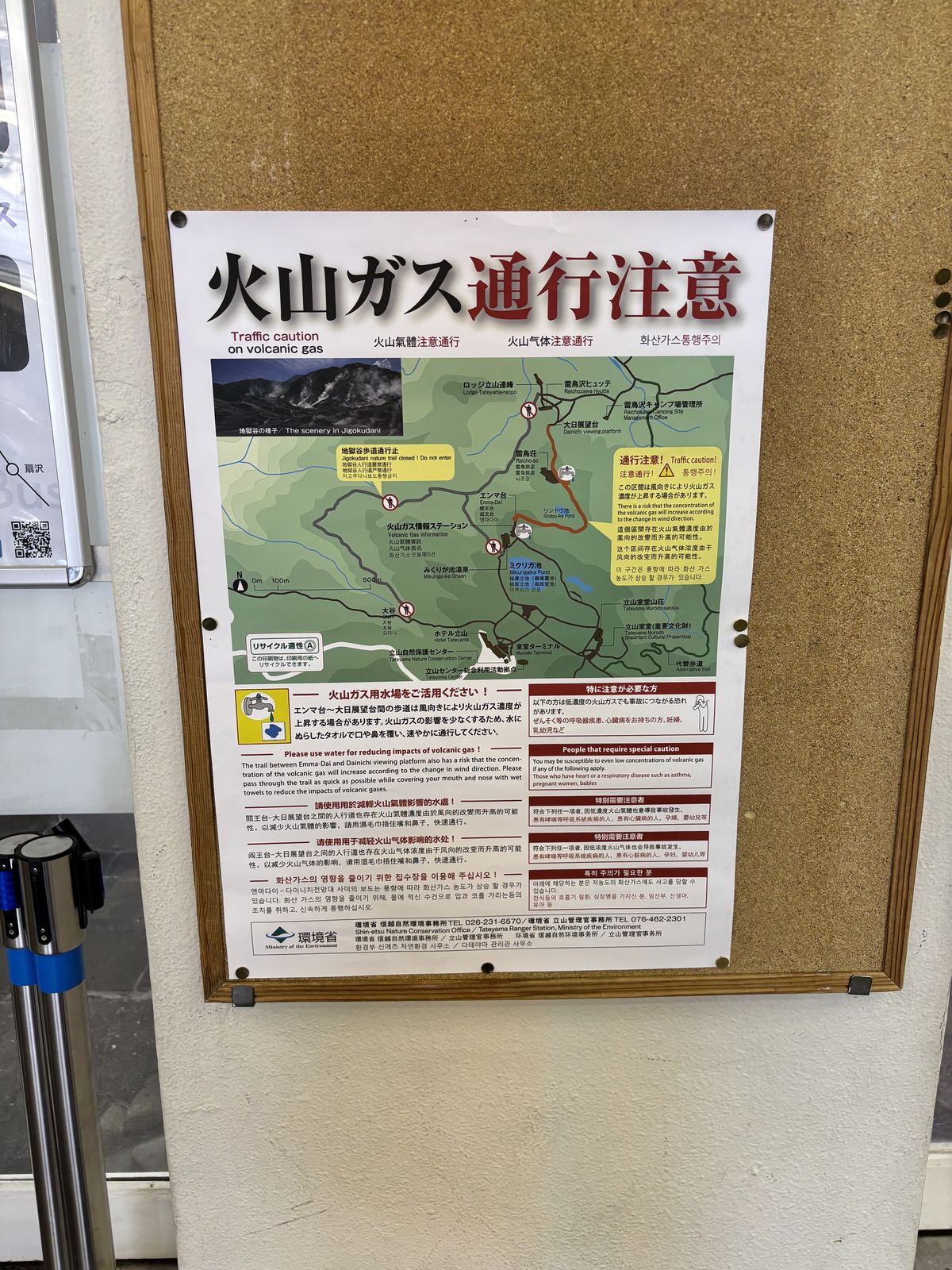
- Read the notices first. On site there are notices about the rules for using the area in snow season, including warnings about volcanic gas. Take a moment to read them before you leave the terminal.
- Stay within the marked paths. The snowfield looks like you could walk anywhere, but the area you are allowed to enter is defined. Not straying beyond the footprints and the signage is the basic rule.
- Waterproof footwear is essential. At Murodo in November you will be walking on snow. Without waterproof shoes — snow boots or something else with good grip — your feet will get wet and cold. Sneakers are not suitable.
- Dress for midwinter. November as you know it in the lowlands does not apply here. Along with a down jacket or similar, gloves and a hat are worth having. Even on a clear day, wind drops the felt temperature fast.
- Check the weather and service updates on the day. Mountain weather changes quickly, all the more so just before the seasonal closure. Checking the time of the last descending service as soon as you arrive is also a good idea.
Hot meals are available inside the terminal
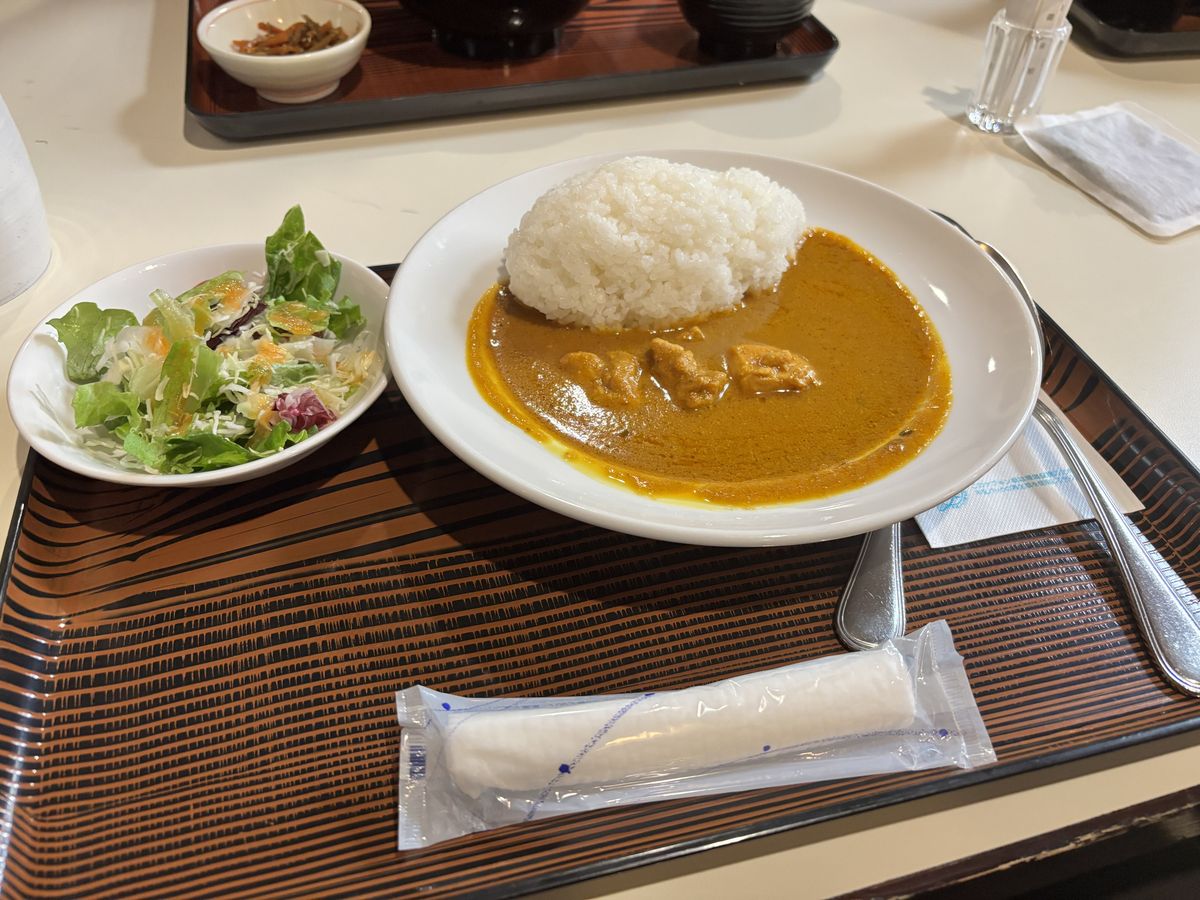
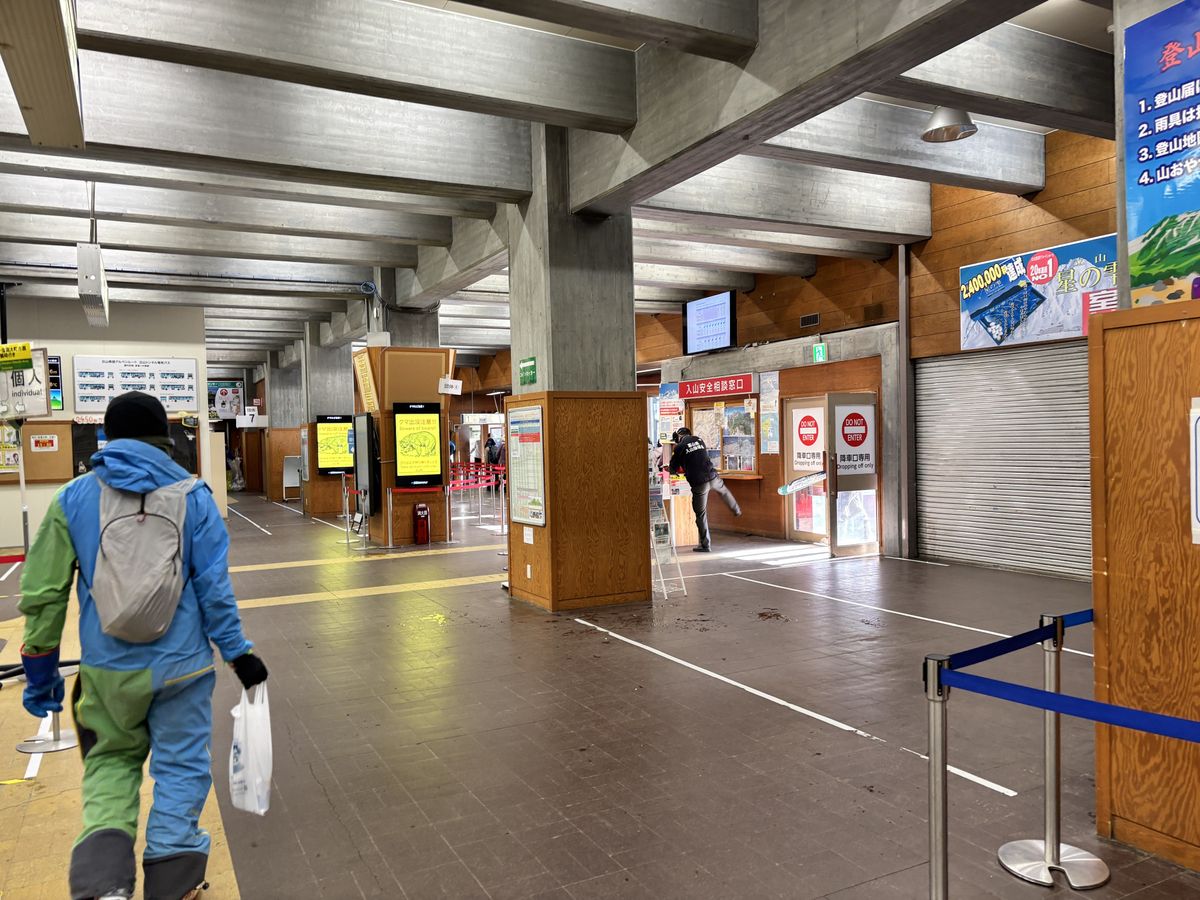
There is no need to worry about food up at 2,450 metres. Inside Murodo Terminal you can get hot meals — soba, curry, café items. A bowl of hot soba after a walk across the snowfield turned out to be far more reassuring than I had imagined. Not having to brace yourself for "up a mountain means no food" is one of Murodo's real advantages.
Getting there
You cannot drive to Murodo yourself; you reach it by connecting between the vehicles of the Tateyama Kurobe Alpine Route. There are two broad approaches.
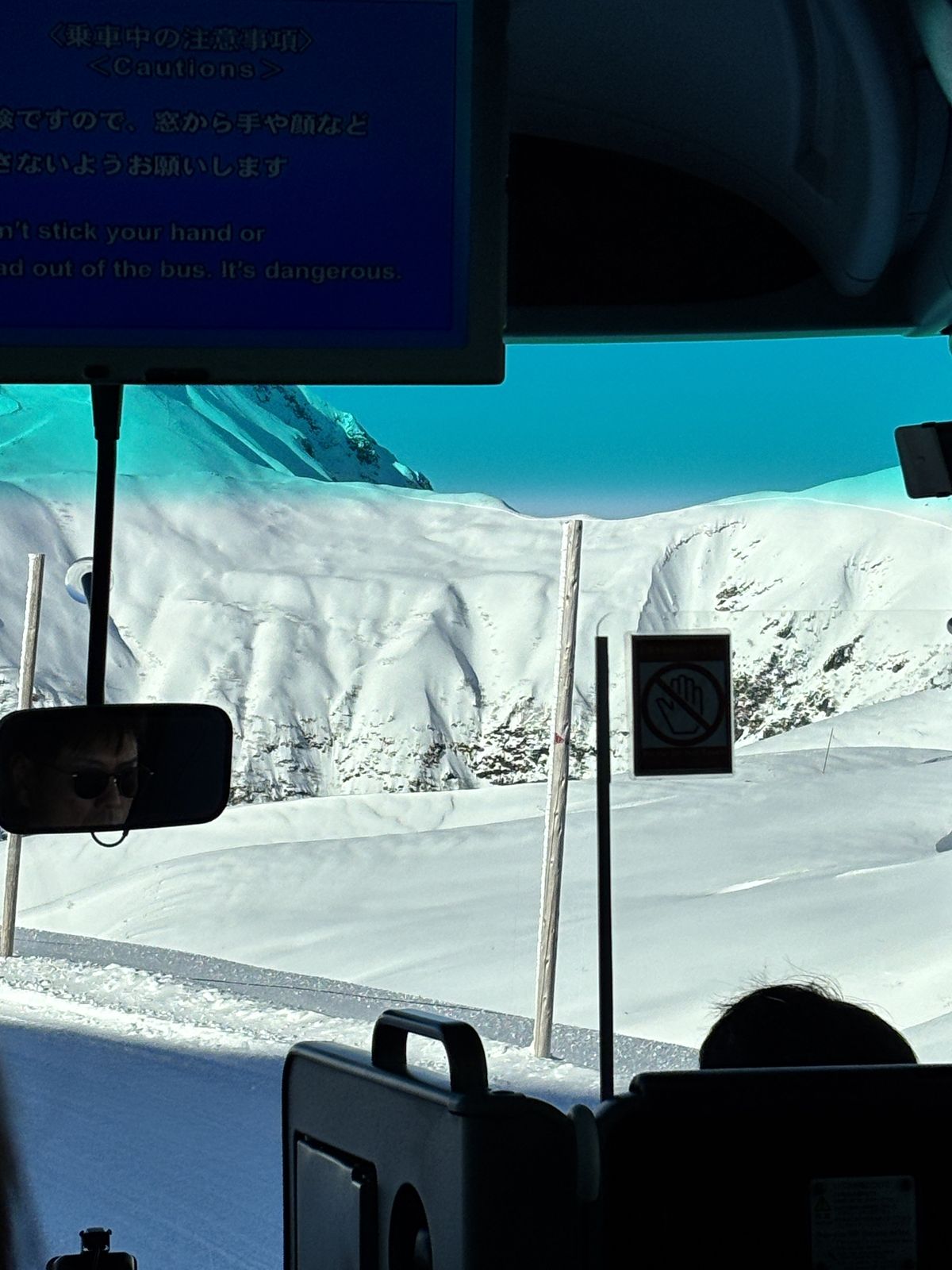
- From the Toyama side: From Tateyama Station, take the cable car and then the highland bus up to Murodo.
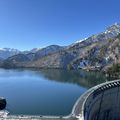
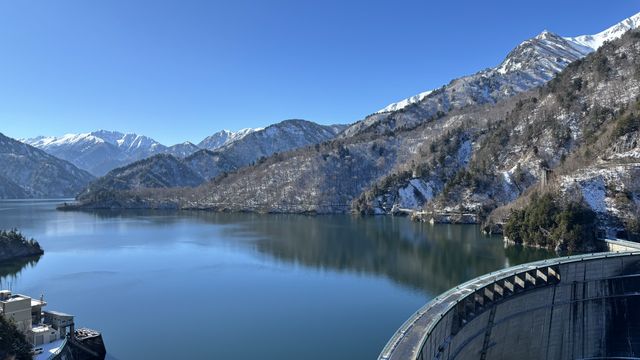
- From the Nagano side: From Ogizawa, pass Kurobe Dam and connect between several vehicles to reach Murodo.

Working out the connections and the ticket types is a little involved, so the details are collected in the Tateyama Kurobe Alpine Route ticket guide. For Kurobe Dam, which you pass through if you come from the Nagano side, see the Kurobe Dam article. An overview of the route as a whole is in the parent article, the Tateyama Kurobe Alpine Route crossing guide.