Nagoya, Aichi
Is Nagoya Castle worth visiting? The main keep is closed, honest thoughts on the Honmaru Palace.
Updated 17 November 2026By Dynamic Japan Travel editorsEditorial policy
Contents
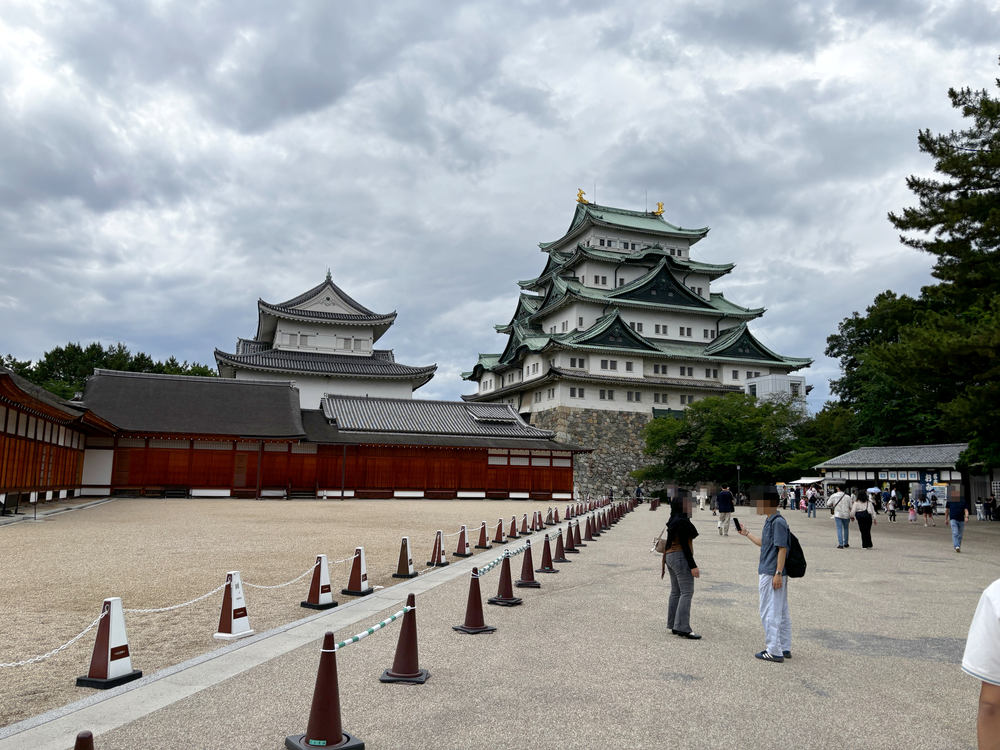
Nagoya Castle is a large castle located in the center of Nagoya City, Aichi Prefecture. Known for its golden shachihoko (fish-shaped ornaments) on the roof, it is a representative tourist attraction of Nagoya.
In June 2026, we walked around Nagoya Castle. This article uses photos from that visit to provide honest impressions and useful information for first-time visitors to Japan.
First, here are three important points:
- You cannot enter the main keep at the moment. It can only be viewed from the outside.
- The Honmaru Palace, which you can enter, is a newly reconstructed building completed in 2018. The golden rooms are very luxurious, but it lacks the atmosphere of an old building.
- For those interested in seeing a castle with an original wooden keep, Inuyama Castle, about 30 minutes by train from Nagoya, is also recommended.
What is Nagoya Castle like?
The main keep of Nagoya Castle was completed in 1612. It was one of the important castles of the Tokugawa family, who unified Japan during the Edo period. Two golden shachihoko adorn the roof of the keep.
However, in 1945, during an air raid in the war (an attack dropping bombs from airplanes), both the keep and the palace were burned down. The current keep was rebuilt in concrete in 1959. The golden shachihoko on the roof were also remade at that time, marking the second generation.
Can you enter the castle keep?
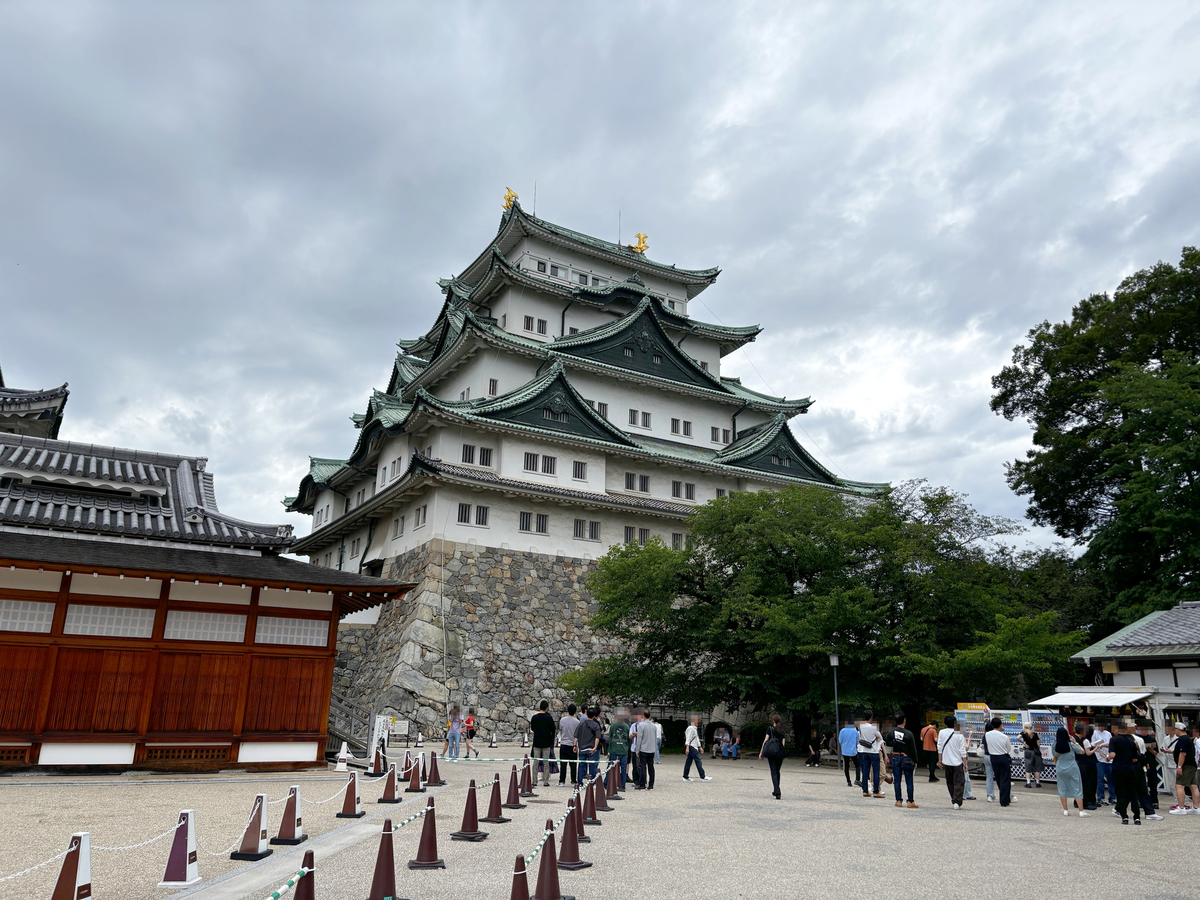
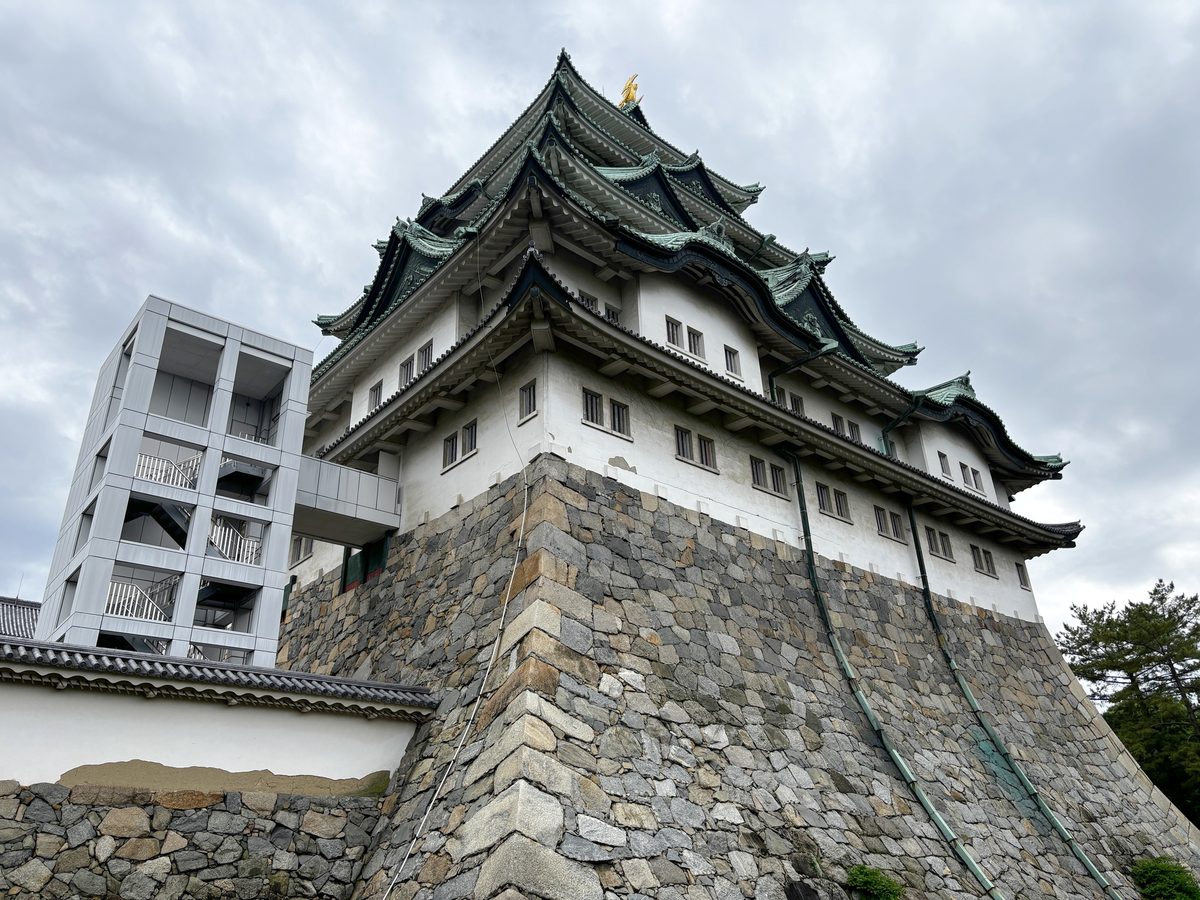
As of November 2026, the main keep is closed. According to Nagoya Castle's official website, the closure is due to the building's vulnerability to earthquakes. The reopening date has not been determined yet.
You can still view the main keep from below. The sight of the large keep standing atop the high stone walls appears very grand and imposing up close.
Highlights of the Honmaru Palace
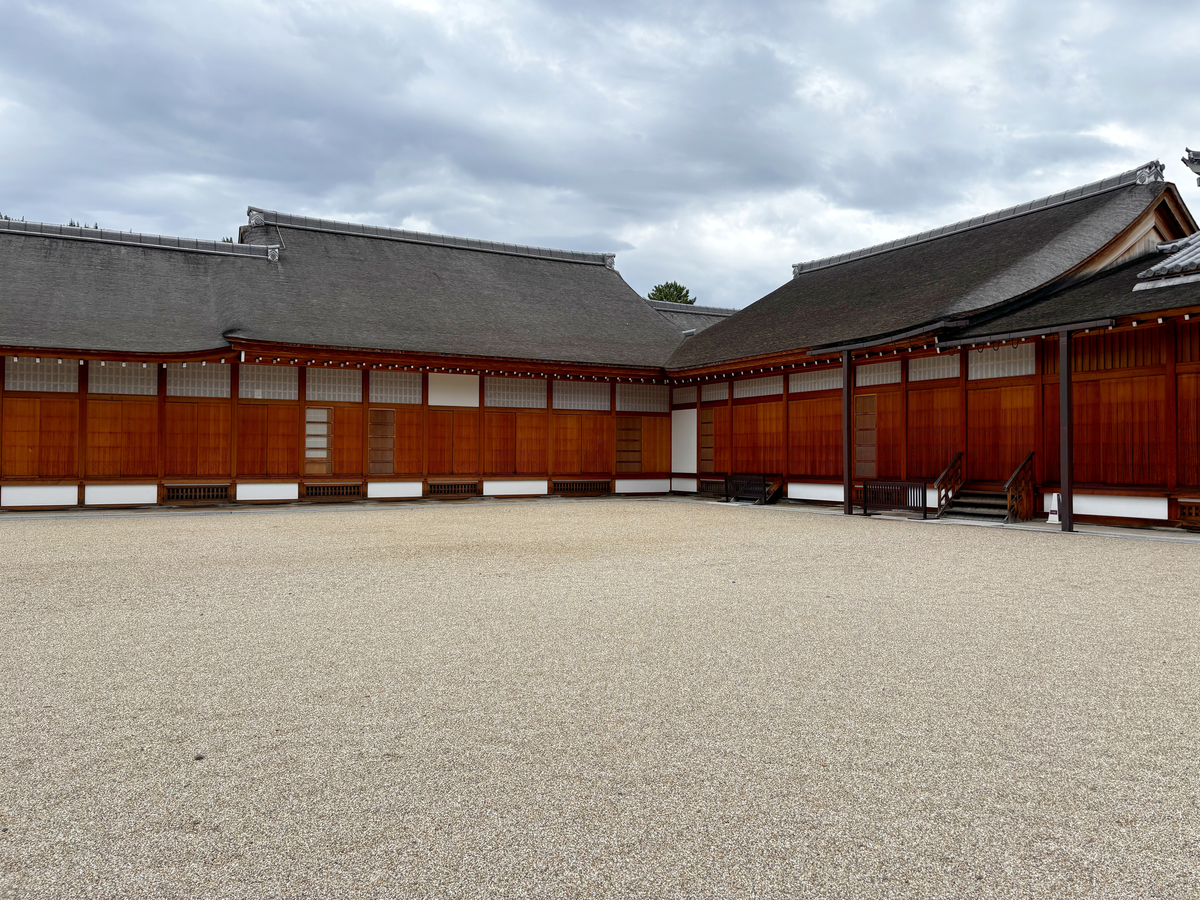
The main attraction inside Nagoya Castle today is the Honmaru Palace. Completed in 1615, this building served as a residence for feudal lords and a place to receive guests. After being destroyed by fire in 1945, it was reconstructed based on historical records and completed in 2018.
Visitors remove their shoes at the entrance and tour the tatami rooms. Those barefoot or in stockings should switch to the provided slippers. To protect the artwork, camera flashes are not allowed. There are no restrooms inside Honmaru Palace, so be sure to use them before entering. Large bags can be stored in free lockers.
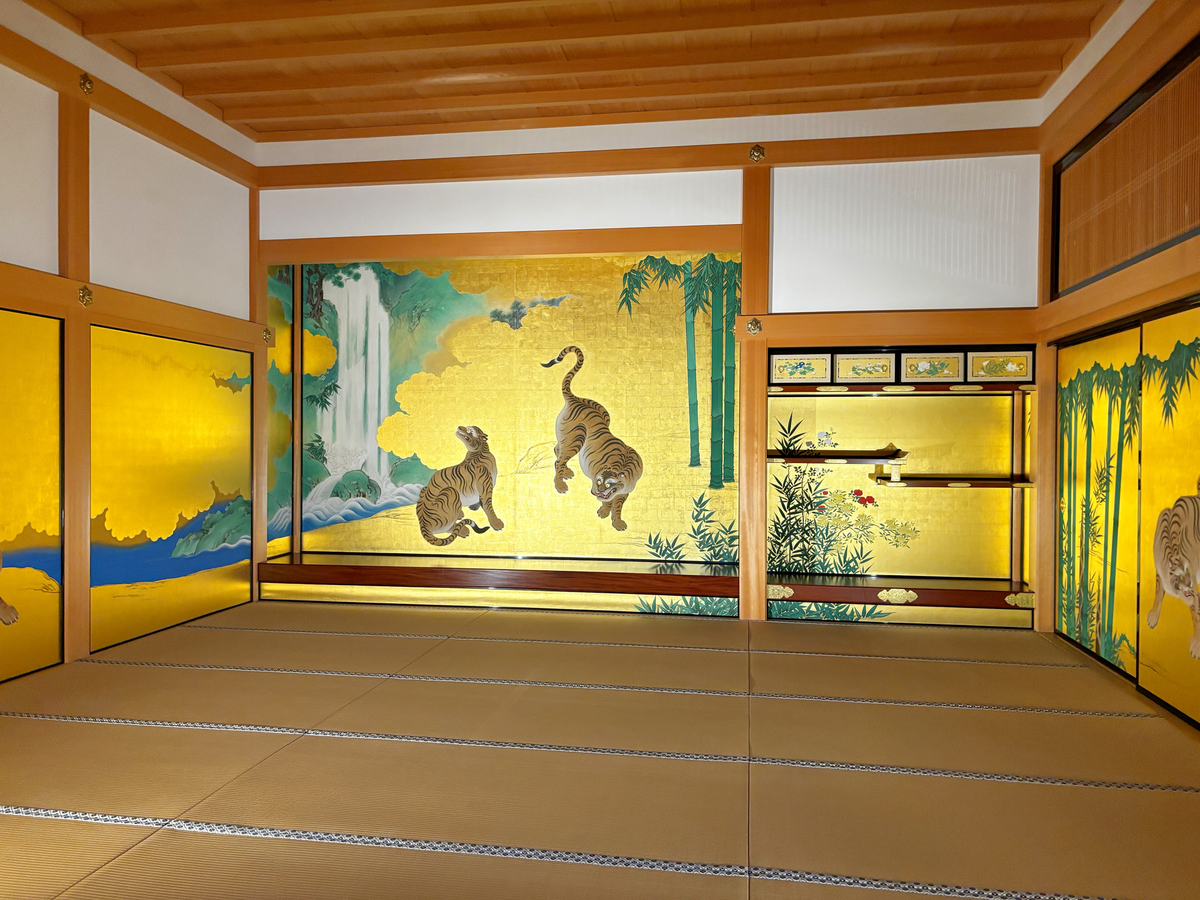
Tiger painted on golden fusuma panels
Upon entering the main palace, the first room features golden sliding doors adorned with tigers in a bamboo grove. The room is filled with gold, making us pause in awe. It's even more intriguing to view it while considering that it was a room where feudal lords showcased their power to guests.
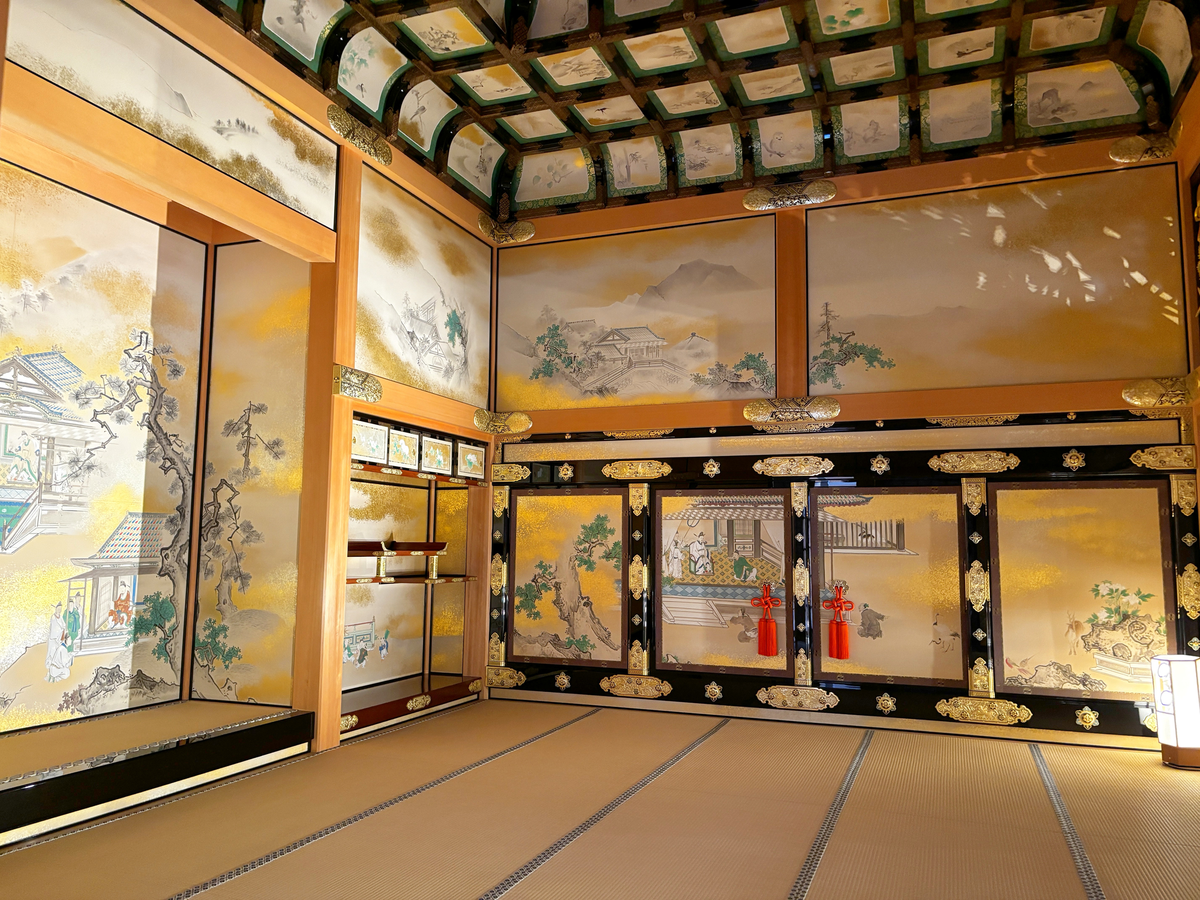
Rooms that become more luxurious as you go deeper in
As you proceed further, you'll find rooms adorned with paintings of pines, plums, and flowers. At the far end, there's a room where each square of the ceiling frame is painted. Don't forget to look up.
Walking Along Stone Walls and Dry Moats
After visiting the main keep, be sure to walk around the stone walls and moats of the castle. The place where we felt the most "castle-like" atmosphere at Nagoya Castle was actually here.
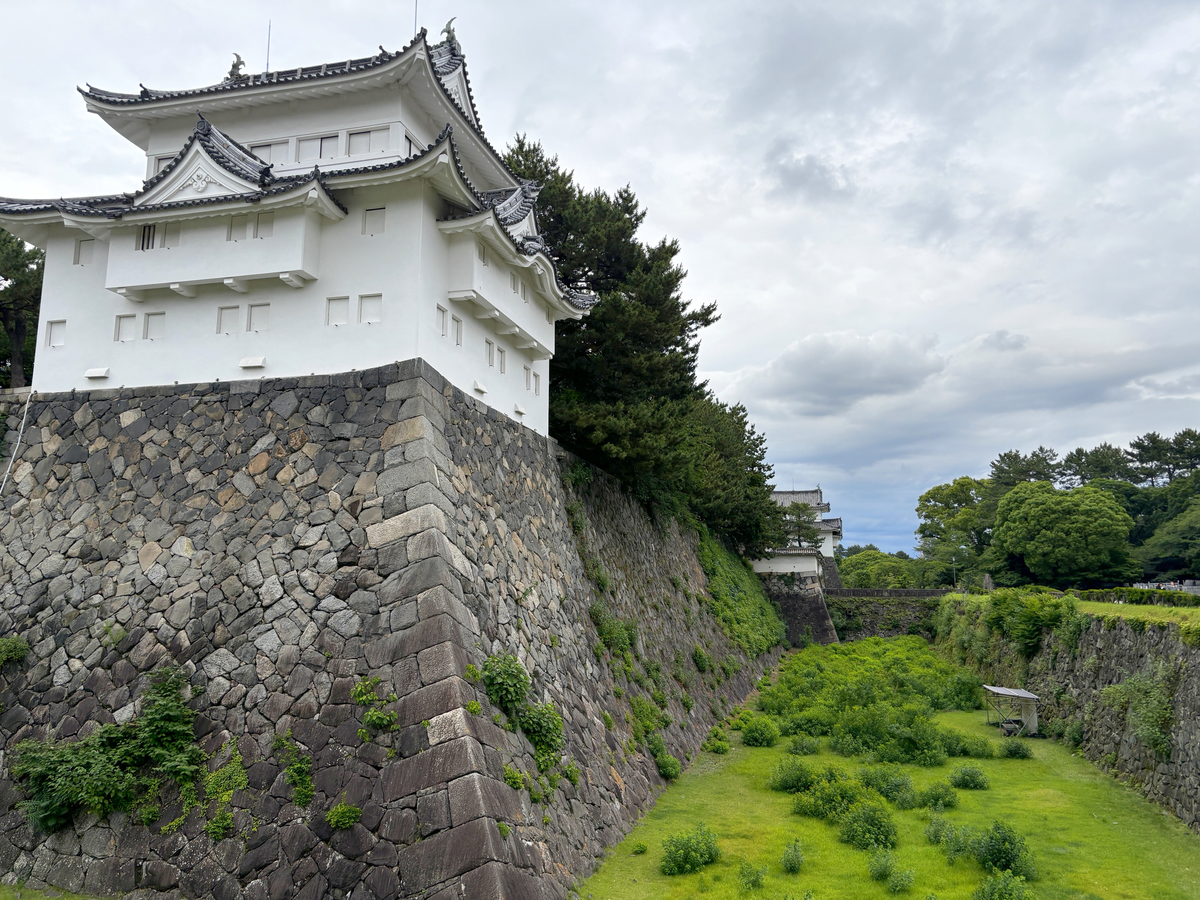
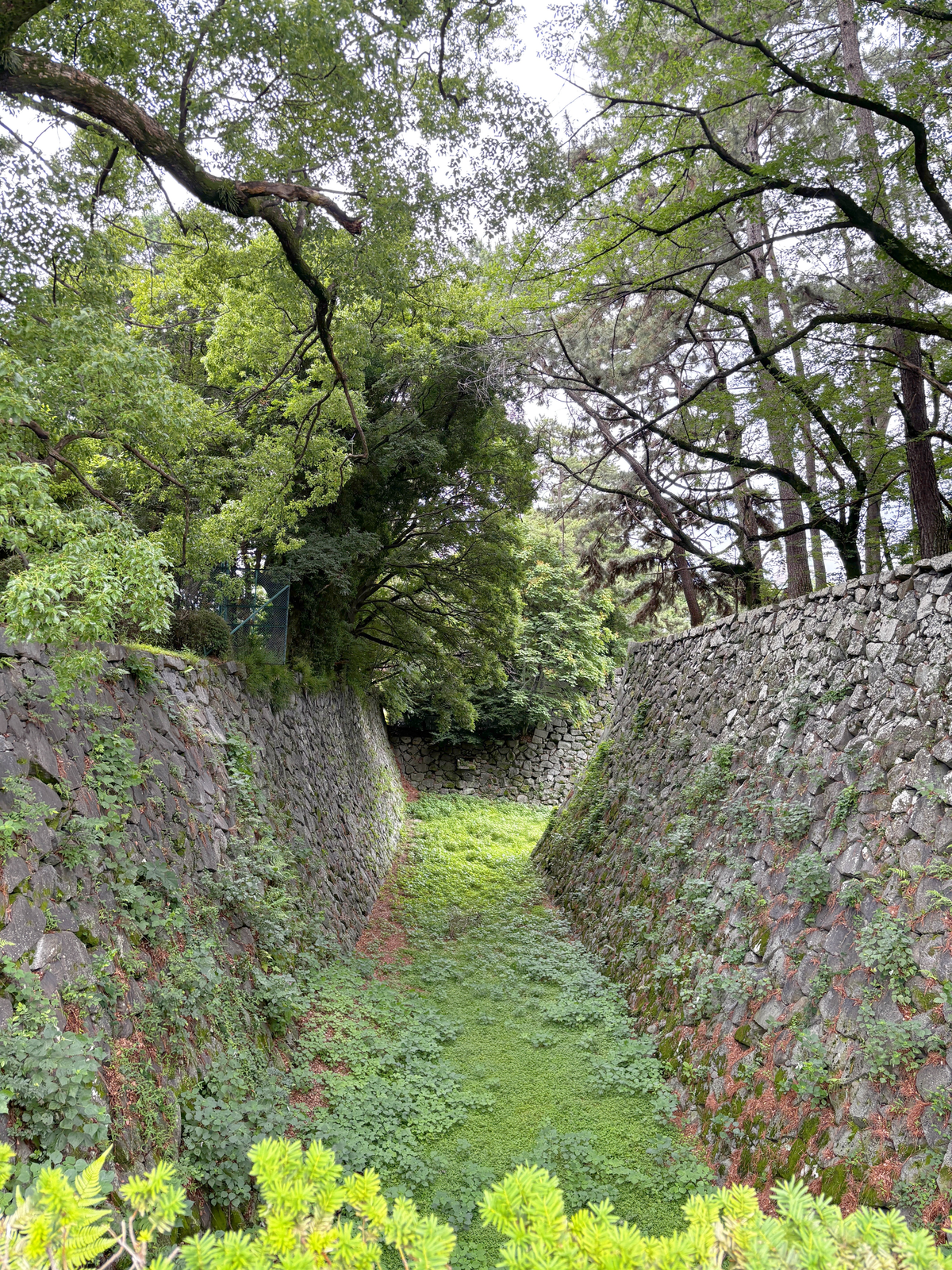
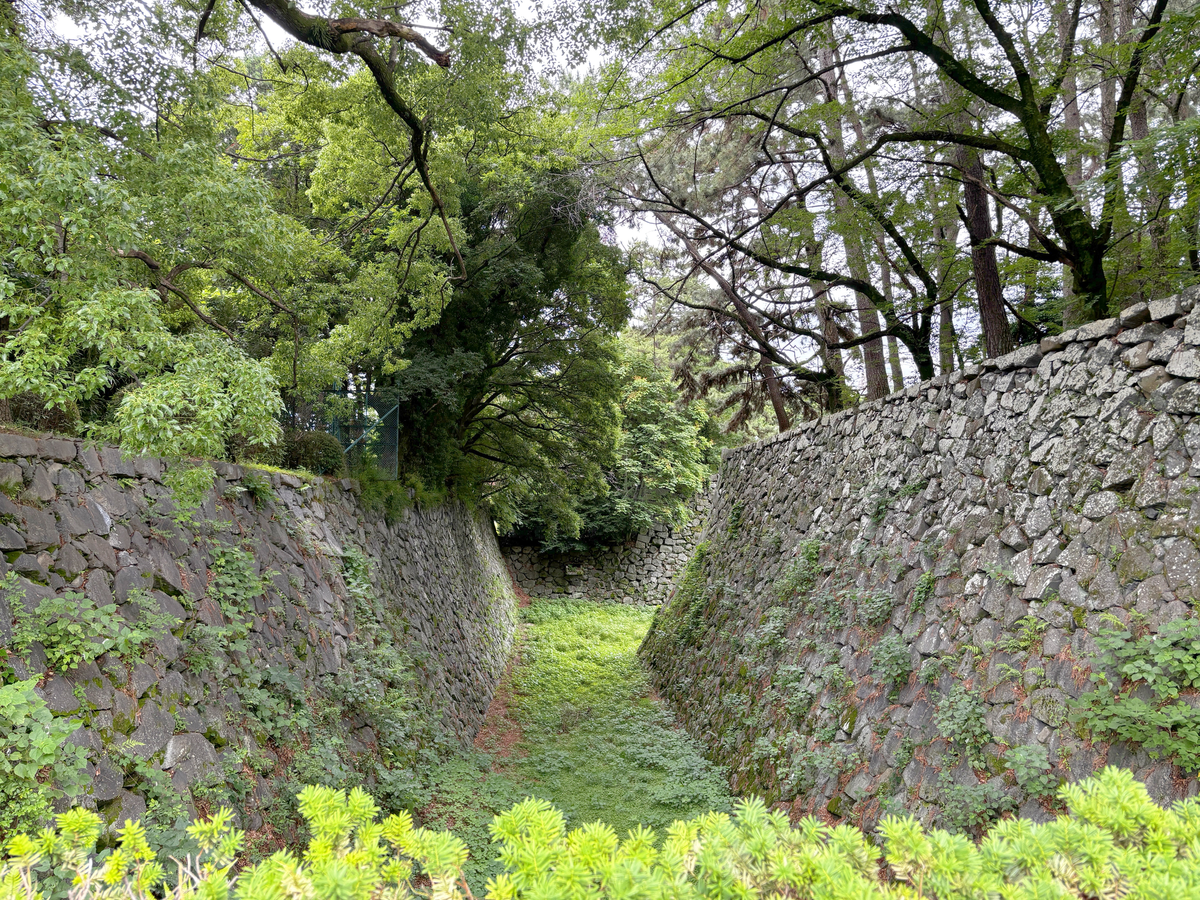
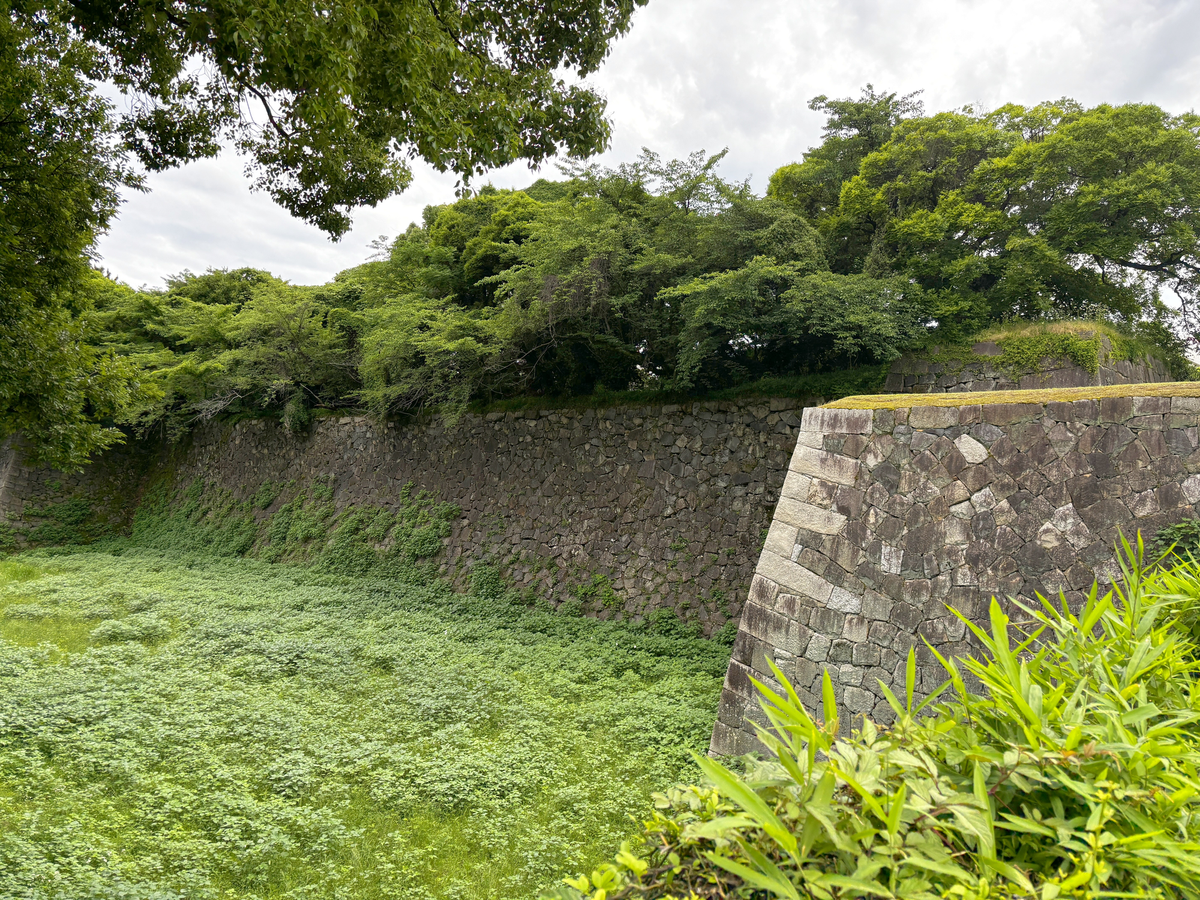
Surrounding the central keep, or honmaru, is a deep dry moat called "karabori", designed to prevent easy access by enemies. Looking down from above, you'll see tall stone walls on both sides, with grass and trees growing at the bottom. At the corners of the karabori, white corner watchtowers stand guard.
The stone walls were built in 1610 when the castle's construction began, with 20 feudal lords tasked by Tokugawa Ieyasu to assemble them. Some stones still bear marks indicating which lord's group transported them. Unlike the newly reconstructed palace, these walls have been here since the early Edo period.
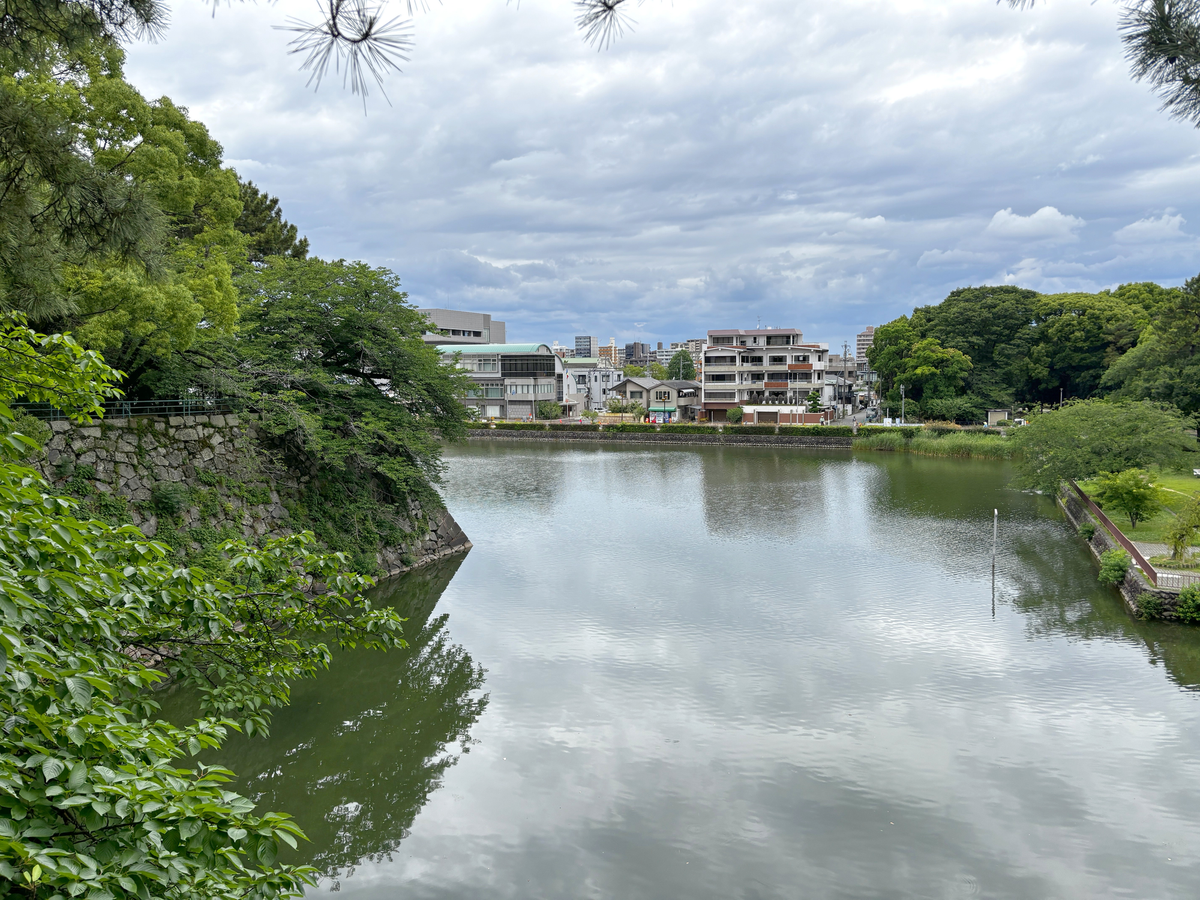
On the outer side, there are moats filled with water, reflecting the stone walls beautifully. It's a quiet area with fewer people, so take about 15 minutes to explore after visiting the palace.
Is Nagoya Castle Worth Visiting? Honest Opinions
To be honest, the Honmaru Palace is so pristine that it's hard to feel the history. The wood, tatami, and paintings all look brand new. While it's a great place to understand the splendor of an Edo period lord's palace, it lacks the age and weight that only centuries-old buildings possess.
In fact, 1,049 original paintings were saved before the fire, many of which are designated as Important Cultural Properties by the nation. The paintings inside the Honmaru Palace are reproductions created by artists based on these originals. This is why they appear new.
On the other hand, Nagoya Castle still retains some of its old elements. Three of the watchtower buildings, "sumi yagura," at the corners of the castle remain as they were built in the Edo period and are designated as Important Cultural Properties (though they are not usually open to the public).
If you want to see an old castle, visit Inuyama Castle.
If you want to walk inside a castle that remains as it was in the past, Inuyama Castle is recommended. The castle keep of Inuyama Castle still retains its original wooden structure and is designated as a national treasure (the country's most important treasure). You can climb the steep wooden stairs to enjoy views of the river and town from the top.
From Nagoya, it takes about 25-32 minutes by Meitetsu train to Inuyama Station, and the castle is about a 20-minute walk from the station. You can visit it on the same day as Nagoya Castle. For more details, see the Inuyama Castle National Treasure article and How to get to Inuyama from Nagoya.


Nagoya Castle: Fees & Hours
As of November 2026, these are the fees and hours. The fees increased in October 2026.
| Item | Details |
|---|---|
| Adults | 1,000 yen |
| Children (junior high school and under) | Free |
| Opening Hours | 9:00 AM to 4:30 PM (entry to the Honmaru Palace until 4:00 PM) |
| Closed | December 29 to January 1 |
| Payment | Cash, credit cards, IC cards like Suica, and PayPay are accepted |
Nagoya Castle closes at 4:30 PM. Entry to the Honmaru Palace is allowed until 4:00 PM, so those wishing to visit should arrive early. This ticket grants access to the Honmaru Palace. On busy days, there may be a wait to enter the palace. Fees and hours are subject to change, so please check the official website before visiting.
Directions from Nagoya Station
From Nagoya Station, taking the subway is easy. Take the Higashiyama Line to Sakae Station, transfer to the Meijo Line, and get off at the second stop, "Nagoya Castle" Station (Sakae, Hisaya-odori, Nagoya Castle in order). It's about a 5-minute walk from Exit 7. This station was previously named "City Hall."
If you take the sightseeing bus "Me-guru" from Nagoya Station, get off at the "Nagoya Castle" bus stop, and you're right there. Me-guru does not operate on Mondays (or the next weekday if Monday is a holiday) and during the year-end and New Year holidays. For directions from Tokyo to Nagoya, see How to Get from Tokyo to Nagoya, and from the airport, see How to Get from Centrair to Nagoya Station.
Nagoya Castle: Visit Duration and Recommended Order
We toured from the entrance to the main keep, the exterior of the castle tower, and the moat in about an hour. Including waiting time at the palace and time to take photos leisurely, it's reassuring to have 1.5 to 2 hours.
Here's the recommended order:
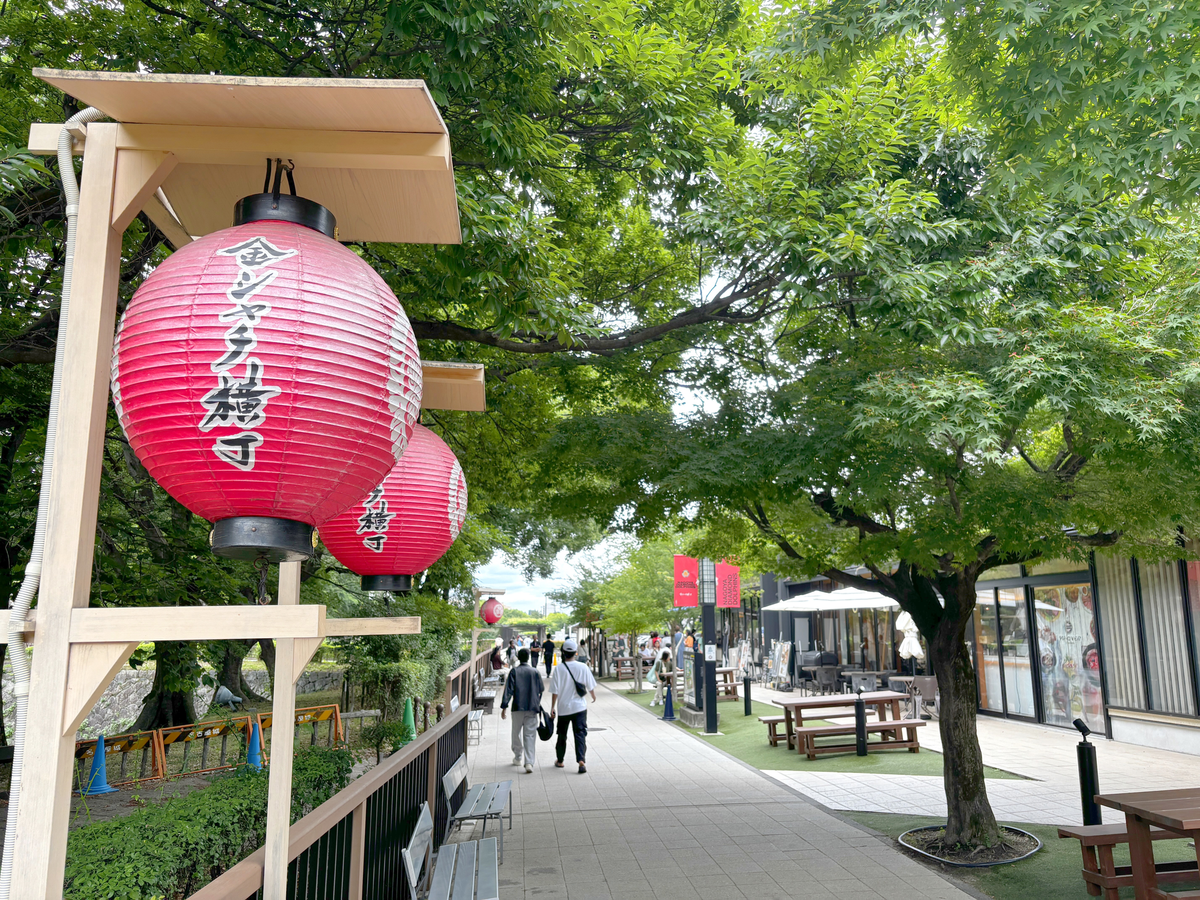
- Enjoy Nagoya cuisine at "Kinshachi Yokocho" near the entrance
- Buy a ticket and enter to see the main keep
- Look up at the castle tower from outside
- Walk along the stone walls and dry moat
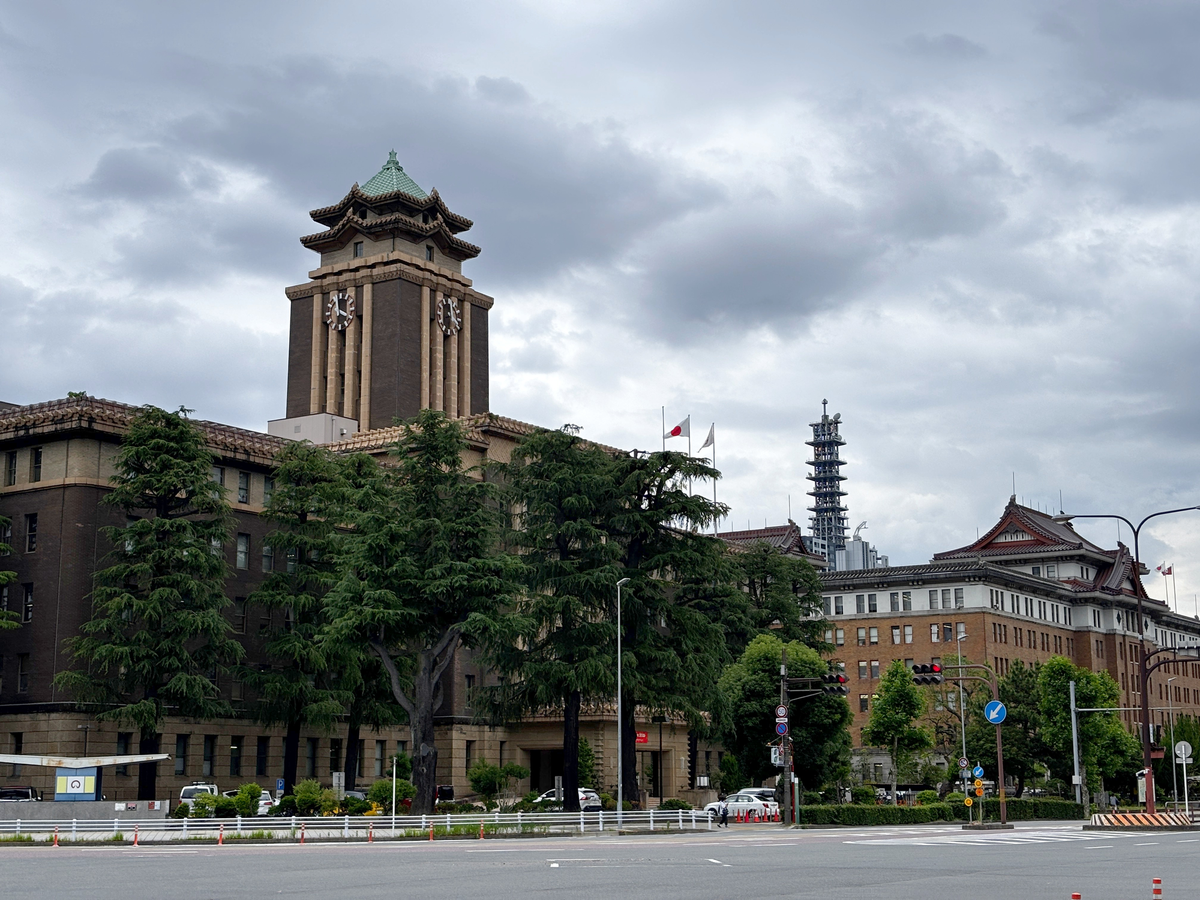
- On the way back, see the nearby Nagoya City Hall and Aichi Prefectural Government buildings
From Nagoya to Kiso and Nakasendo
Nagoya serves as the gateway to the post towns along the Edo-period highway, the Nakasendo. Taking the Shinano limited express towards Kiso, you can visit the historic post towns of Magome-juku, Narai-juku, and Kiso-Fukushima, where travelers stayed during the Edo period. After viewing the newly restored Edo-period palace at Nagoya Castle, walking through these authentic old post towns offers an interesting contrast.
Q&A
Frequently Asked Questions
- Is Nagoya Castle worth visiting?
- The main keep, with its series of golden rooms, is worth seeing as it vividly illustrates the opulence of Edo-period palaces. However, you cannot enter the castle tower, and the building is a newly restored structure. For a taste of historical architecture, visiting Inuyama Castle is also recommended.
- What's the Highlight of Nagoya Castle?
- This is the Honmaru Palace. The golden tiger room at the entrance and the room adorned with paintings up to the ceiling in the back are must-sees. After that, walking along the stone walls and dry moat gives a good sense of the castle's size.
- What to Watch Out for at the Honmaru Palace?
- Remove your shoes at the entrance. To protect the artwork, flash photography is prohibited. There are no restrooms inside, so use them beforehand, and store large bags in the free lockers.
- Can you enter the main keep of Nagoya Castle?
- As of November 2026, it is closed and not accessible due to vulnerability to earthquakes. There is no set date for reopening. It can be viewed from the outside.
- What are the opening hours for Nagoya Castle?
- Opens at 9:00 and closes at 16:30. Entry to the main keep is allowed until 16:00. Closed from December 29 to January 1.
- How long does it take to tour Nagoya Castle?
- We toured for about an hour. Including the wait time at the main keep and time for photos, it's safe to allocate 1.5 to 2 hours.
- Which should you visit: Nagoya Castle or Inuyama Castle?
- For a glimpse of a luxurious golden palace, Nagoya Castle is recommended, while for climbing an original wooden keep, Inuyama Castle is the choice. It's about a 30-minute train ride from Nagoya to Inuyama Station, followed by a 20-minute walk to the castle, allowing you to visit both in a single day.