Unique Sauna Culture in Japan
By Dynamic Japan Travel Editorial Team—Supervised by P-HAM Co., Ltd. (Licensed Travel Agency, Aichi No. 3-1590)
Contents
Did you know that saunas have become a huge trend in Japan in recent years?
Saunas used to be seen as something mainly for older people, but these days their popularity is spreading, especially among younger generations. Anyone who loves saunas has likely experienced the relaxing effect that comes from alternating between the heat of the sauna and a cold plunge. In Japan, this state of deep relaxation is called "totonou." When someone feels fully relaxed, they'll say "Totonotta!" ("I'm totonou'd!").
What makes Japan's sauna culture unique in recent years is how it blends traditions from abroad: löyly from Finland, where water is poured over hot sauna stones to create steam, and Aufguss from Germany, a towel-waving steam performance. In 2022, a Japanese team competed in the Aufguss World Championship for the first time.
This article introduces the latest trends in Japan's sauna scene.
Japan's Sauna Culture: A Unique Evolution from Its Overseas Roots
What makes Japanese saunas so enjoyable?
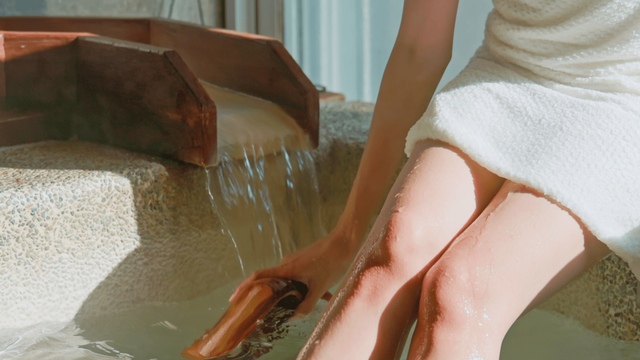
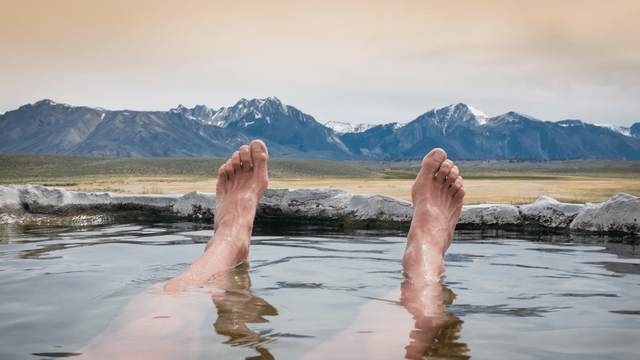
Hot spring and sauna combo: warm up in the onsen, then sizzle in the sauna — pure relaxation heaven!
Women embracing sauna culture too: women-only saunas are popping up more and more, ladies!
Cooling down in a cold bath: after all that heat, take a dip in a cold bath and feel the rush of energy.
Japan's sauna culture has been simmering and evolving for centuries, taking on a fascinating character that differs somewhat from its European counterpart.
In recent decades, it has grown into a boom that draws in people of all ages, from the young to the elderly. Ready to dive into the steamy details? Let's go!
Japan vs. Europe
If you've ever experienced a sauna in Europe, you might be surprised by how different Japanese saunas are. Below are the key characteristics of Japanese saunas.
Feature | Japanese Sauna | European Sauna |
|---|---|---|
Temperature | High heat (over 100°C), low humidity | Lower heat (around 80°C), high humidity |
Location | Often set up inside onsen (hot springs) or sento (public bathhouses) | Large spa resorts, lakeside cabins |
Attire | Nude | Nude in Germany and the Netherlands; swimwear is common in Finland and the UK |
Experience | A warm bath before entering the sauna | Especially in Finland, a sauna experience connected to nature, often facing a lake or sea |
Price | Very affordable — sauna access is often included in the onsen admission fee | Somewhat pricier |
Dry Saunas Are the Norm in Japan
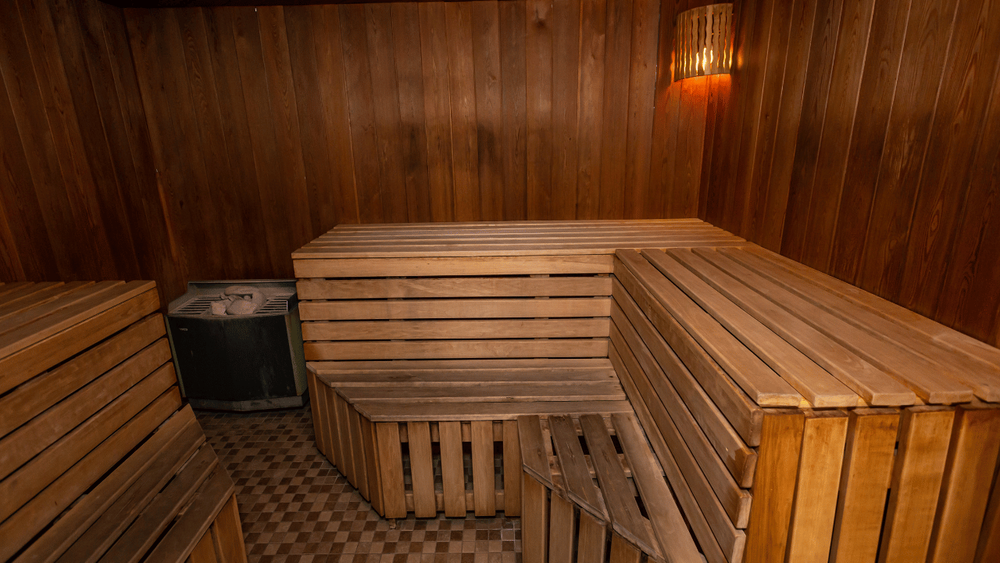
The most common type of sauna in Japan is the dry sauna. Compared to European saunas, it's characterized by high temperatures — close to 100°C — and low humidity.
Additionally, while pouring water over the stove to create steam—known as löyly—is common practice overseas, this is prohibited in Japan's traditional dry saunas. Although the sauna stove has stones on it, it isn't designed to have water poured over it, and doing so will damage the heater.
In Japan, Hot Springs and Baths Are the Main Attraction—Saunas Are a Bonus
In Japan, hot springs (onsen) and public bathhouses (sento) are the main attraction, with saunas positioned as more of a bonus feature. As a result, saunas in Japan are often located within onsen or sento facilities.
This stands in stark contrast to overseas countries—particularly in Europe—where many resort facilities are built around the sauna itself as the main draw, highlighting just how unique Japan's approach is.
Perhaps because saunas are treated as a secondary feature, the sauna fee is often already included in the admission price for the onsen or bathhouse in Japan.
Japanese Saunas Are Usually Gender-Separated, and Swimwear Is Often Not Allowed
Since saunas in Japan are usually located inside bathing areas, most are separated by gender, and wearing swimwear is generally not allowed.
However, outdoor saunas have become increasingly popular in recent years, and a growing number of facilities now offer mixed-gender saunas where swimwear is required. Unlike in Germany or the Netherlands, mixed-gender saunas in Japan require guests to wear swimwear.
This means women can enjoy the sauna with complete peace of mind!
You Can Watch TV in the Sauna!?
This is especially common in saunas found at sento bathhouses: many saunas in Japan come equipped with a television, a sight rarely seen overseas.
It seems televisions were introduced to help relieve boredom while warming up in the sauna. It's a fascinating approach, isn't it?
Sauna Etiquette in Japan
Planning to enjoy a sauna in Japan? Here are the key rules for making the most of it, focusing on what sets it apart from European saunas.
Shower first
Just like sauna facilities overseas, in Japan you should always wash your body before entering an onsen (hot spring) or sauna. Note that most facilities provide shampoo and body soap for guests to use.
Of course, you're also welcome to bring your own favorite body soap.
Swimsuits are not allowed in the sauna
Saunas located within bathing areas prohibit wearing swimsuits. Also, just as Japanese onsens are separated by gender, these saunas are likewise divided into separate sections for men and women.
That said, outdoor saunas have become increasingly popular in Japan in recent years, and these are often mixed-gender, requiring swimsuits to be worn.
Don't lay a towel on the sauna bench
Depending on the facility, you generally don't need to bring your own towel to a Japanese sauna. Unlike saunas abroad, traditional Japanese saunas already have towels laid out on the benches beforehand, so there's no need to bring your own beach towel into the sauna room.
But doesn't that mean other people's sweat soaks into the towel, raising hygiene concerns? Not to worry — in Japan, it's common to use a plastic sauna mat instead of a beach towel. Since it's made of plastic, it repels water and stays very clean to use.
After use, be sure to rinse off the sauna mat with water and return it to its original place.
No talking in the sauna
In countries like Finland and Russia, saunas have traditionally served as social gathering spaces, so it's common for all kinds of conversations to take place inside them.
In contrast, talking is generally prohibited in Japanese saunas. Instead, visitors are expected to relax in silence, quietly taking in the heat. Seeing rows of adults sitting shoulder to shoulder on the benches without saying a word may seem strange at first, but this is simply part of Japanese sauna culture.
Japan's recent sauna boom
In recent years, sauna culture has exploded in Japan, especially among younger generations. If you're looking to melt away the stresses of modern life, a Japanese sauna is the place to do it. There's something deeply healing about watching your worries dissolve along with the steam. Sauna popularity is especially high in urban areas.
Japan's modern sauna scene is an exciting blend of old and new, local and global. Let's take a look:
Finnish sauna influence: Finnish-style saunas have been gaining attention lately. Löyly, anyone?
Japanese aufguss: In 2022, Japan made its debut at the Aufguss World Championship — and the excitement hasn't stopped.
Outdoor saunas: Thanks to the new sauna boom, saunas overlooking lakes and forests are starting to appear.
Affordable luxury: Compared to Germany's high-end sauna resorts, Japanese saunas offer an accessible kind of luxury.
Aufguss: Where Germany Meets Japan
Aufguss, a tradition born in Germany, has found its way into Japanese saunas, and the fusion is nothing short of magical. Here's the rundown:
What is aufguss? In this German tradition, a "sauna master" pours essential-oil-infused water over hot stones, then uses a towel to fan the fragrant steam through the room, creating an invigorating experience.
Japan's take on aufguss: What's the Japanese twist? Blending meticulous precision and artistry with traditional Japanese elegance and German energy.
World Championship: Remember 2022? That's when Japan made its debut at the Aufguss World Championship — and it made waves.
Löyly: Finnish Spirit in the Land of the Rising Sun
Löyly may be a quintessentially Finnish practice, but it's found a warm home in Japan's evolving sauna scene. Here's how:
What is löyly? Löyly is the practice of pouring water over hot stones to raise humidity and generate steam, enhancing the overall sauna experience.
Löyly in Japan: Once rare, saunas that offer löyly are now becoming more common across Japan — Finnish tradition with a Japanese flavor!
Rules and etiquette: Not every facility offers löyly. Look for signage or simply ask the staff.
In Closing
Whether it's the calm ritual of a traditional Japanese sauna or the invigorating thrill of aufguss and löyly, the sauna experience Japan offers is truly one of a kind. It's a place where traditional Japanese practice meets modern luxury and innovation — well worth slowing down and lingering in.
Ready to take the plunge? The door to Japan's sauna culture is wide open, inviting you to immerse yourself in a tradition that warms both body and soul.