Inuyama Castle Town | Food and Retro Town Exploration Guide
By Dynamic Japan Travel Editorial Team—Supervised by P-HAM Co., Ltd. (Licensed Travel Agency, Aichi No. 3-1590)
Contents
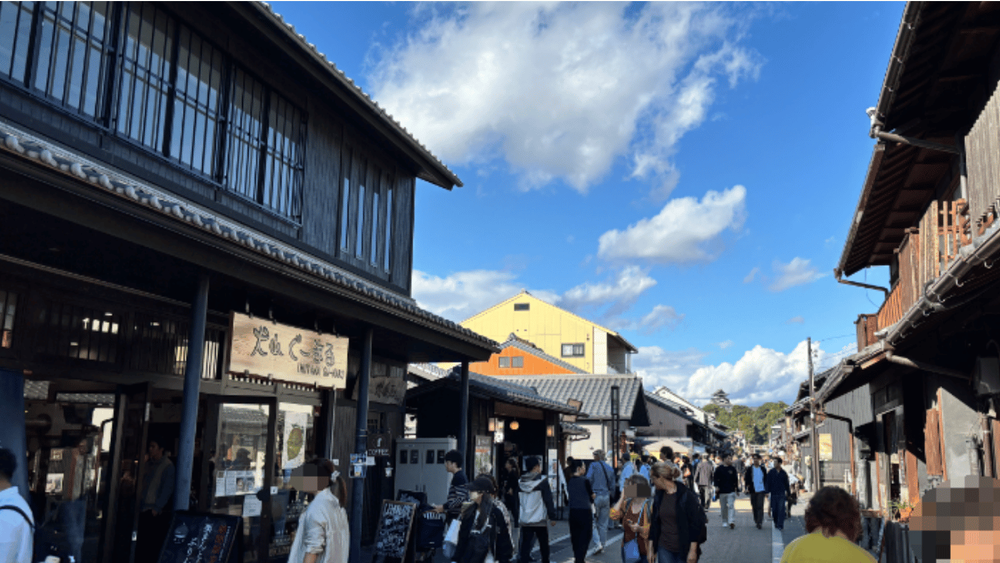
The historic Inuyama Castle Town, leading to the national treasure Inuyama Castle, is a popular tourist spot just 30 minutes by train from Nagoya. The streets lined with traditional wooden townhouses are filled with souvenir shops, cafes, and street food stalls, always bustling with tourists.
What is Inuyama Castle Town?
Inuyama Castle Town is a historic area that has existed since the Edo period, located at the foot of Inuyama Castle. It offers a variety of street food, such as Hida beef sushi and Gohei mochi, and features many retro cafes and shops, making it enjoyable just to stroll around.
The atmosphere is reminiscent of old post towns like Magome-juku and Tsumago-juku along the Nakasendo trail. However, Inuyama Castle Town is easily accessible from Nagoya by train, making it perfect for a day trip.
Access to Inuyama Castle Town
The best way to access Inuyama Castle Town is by Meitetsu train. It takes about 30 minutes from Meitetsu Nagoya Station to Inuyama Station, with a fare of 630 yen.
From Meitetsu Nagoya Station, take the train on the Inuyama Line. Trains heading to "Inuyama," "Inuyama Yuen," or "Shin Unuma" will take you directly to Inuyama Station without transfers. All express, rapid, and local trains stop, so just board any train that arrives.
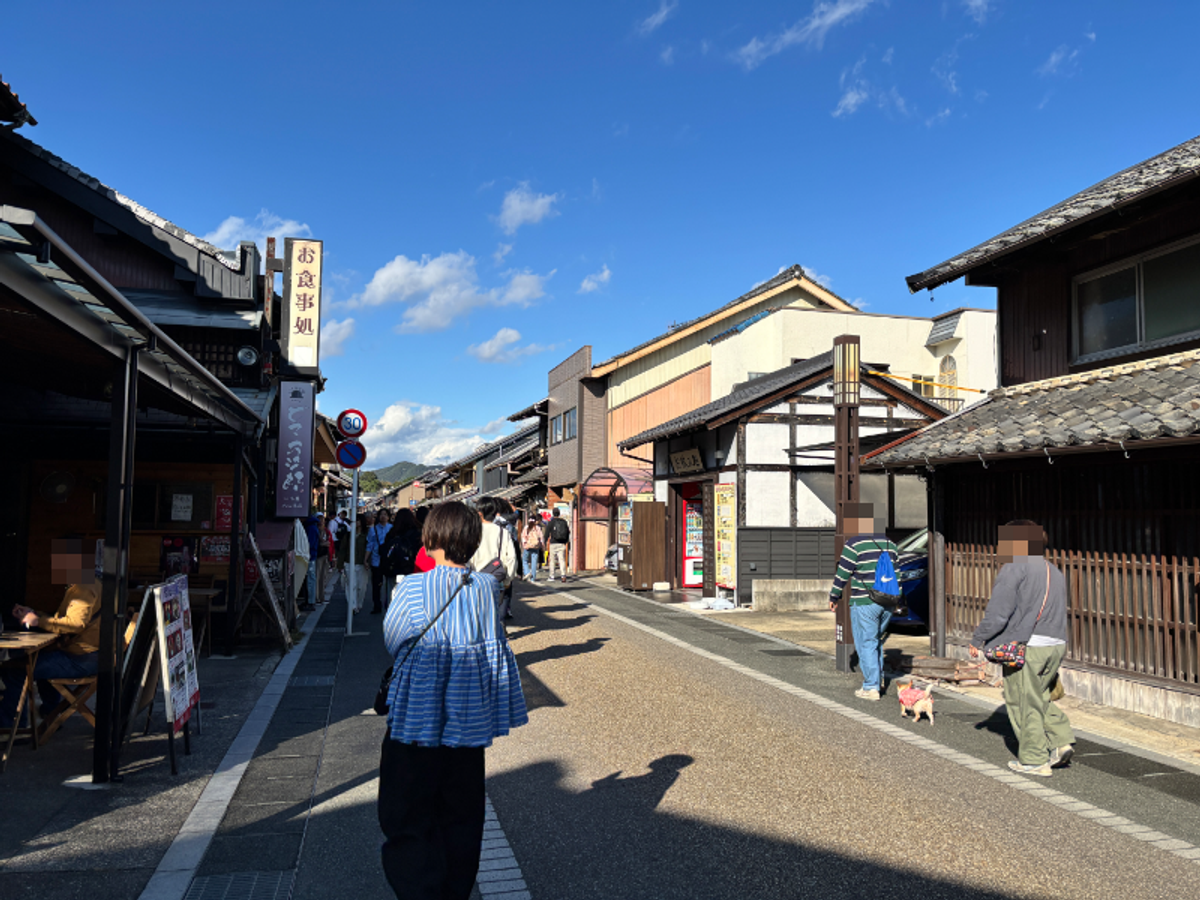
Once you arrive at Inuyama Station, exit from the west gate and walk straight for about 10 minutes to reach Honmachi Street. You will see Inuyama Castle along the way, so you won't get lost.
Time Needed for Strolling
The time needed to explore Inuyama Castle Town varies by sightseeing style.
Street food only: 1-2 hours
Castle Town + Inuyama Castle + Shrine: 2-3 hours
On weekends, there may be a 30-40 minute wait at Inuyama Castle, so it's recommended to visit with some extra time.
Walking on Honmachi Street
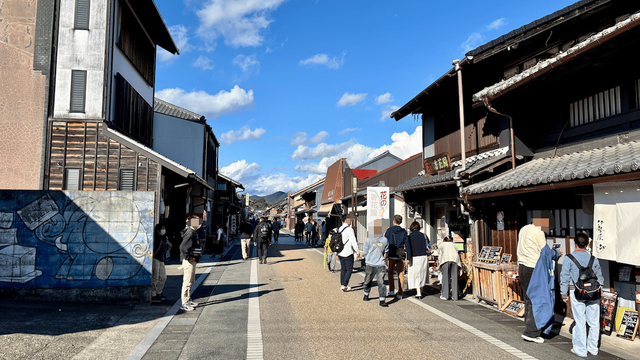
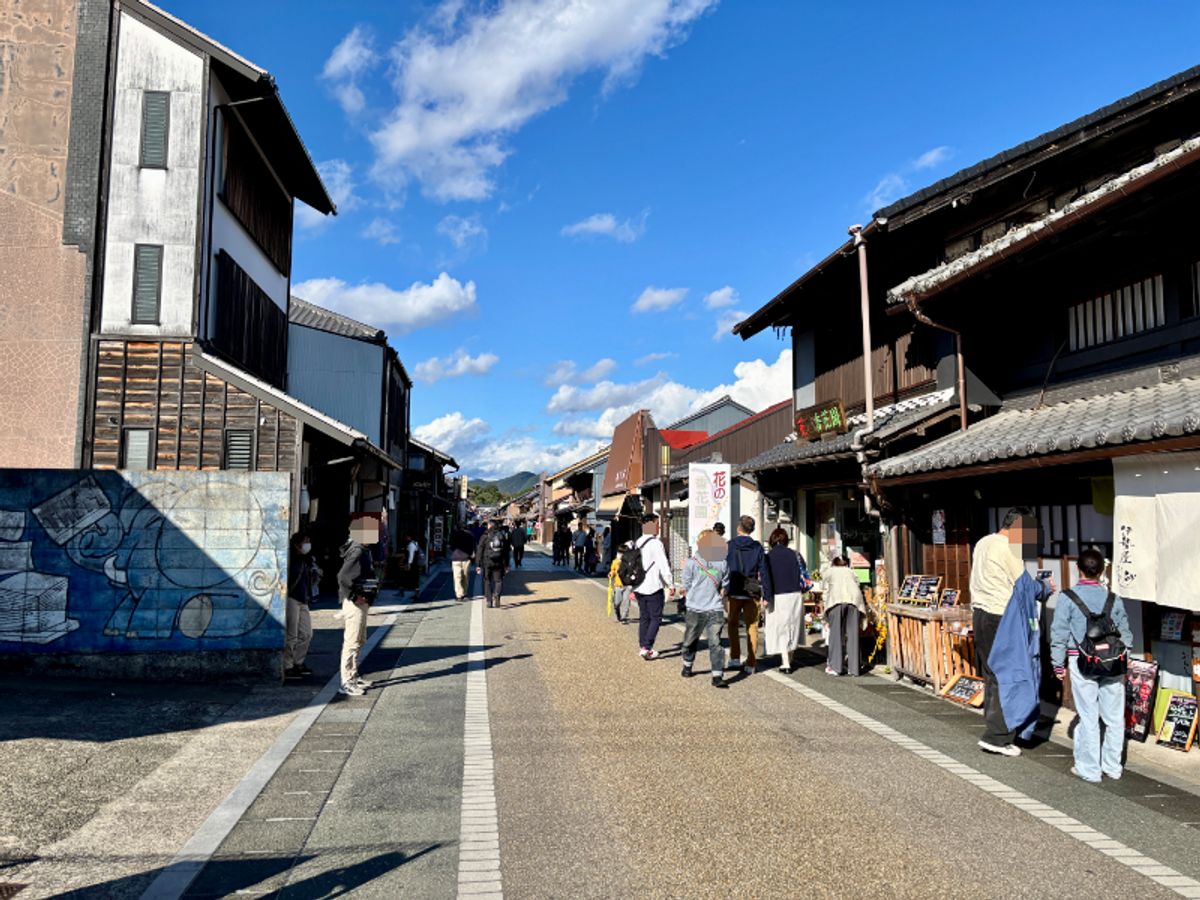
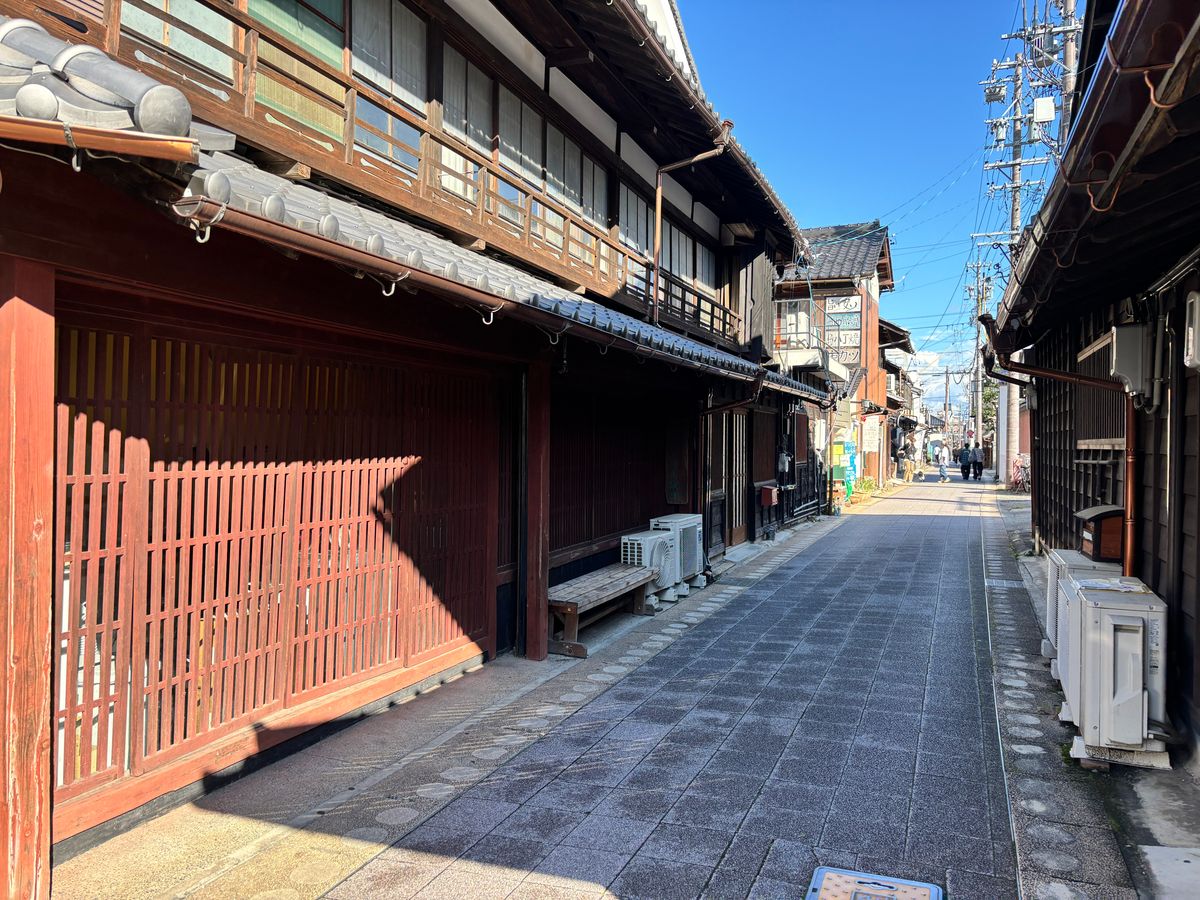
The main street of Inuyama Castle Town is "Honmachi Street." This street stretches about 600 meters and is lined with historical buildings from the Edo to Showa periods, bustling with many tourists.
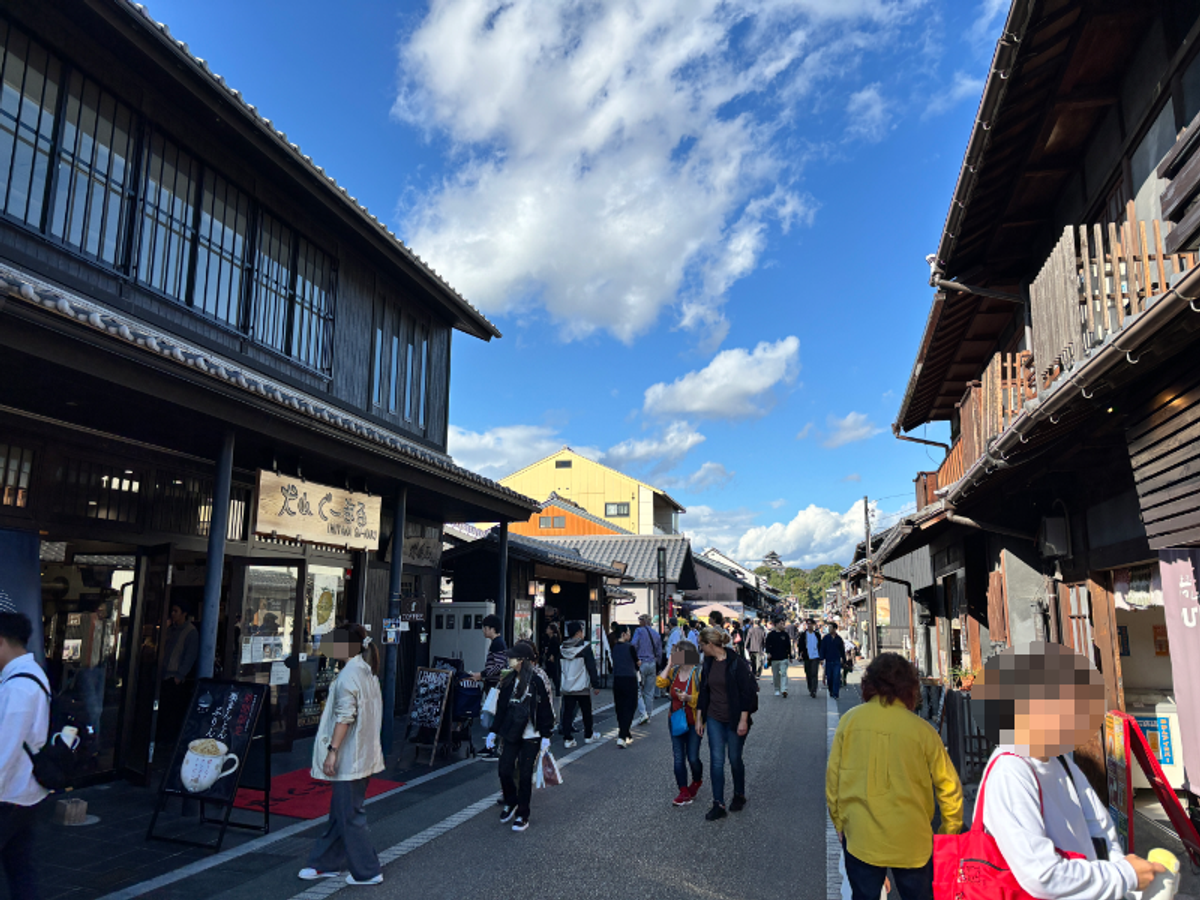
Along the street, traditional wooden townhouses create a charming atmosphere.
Street Food
Inuyama is known as the "town of skewers," with a rich variety of skewer dishes. Its roots lie in the local dish "dengaku," which involves skewering tofu and dipping it in miso, and now diverse skewer dishes are enjoyed as local cuisine.
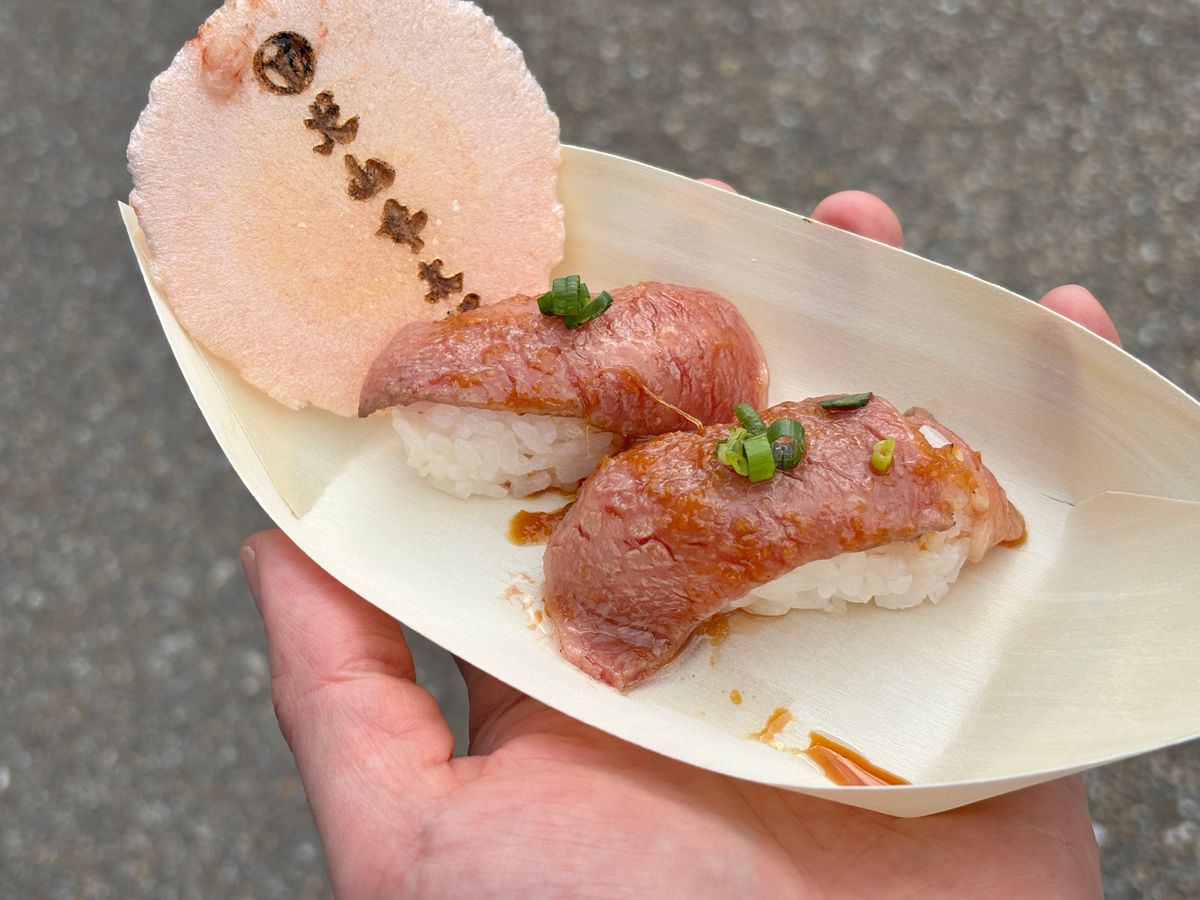
Hida Beef Sushi
One of the most popular items we tried was sushi made with A5-grade Hida beef. There are several shops in the castle town, such as "Nikuhei" and "Inuyama Gyutaro," where you can enjoy taste comparisons.
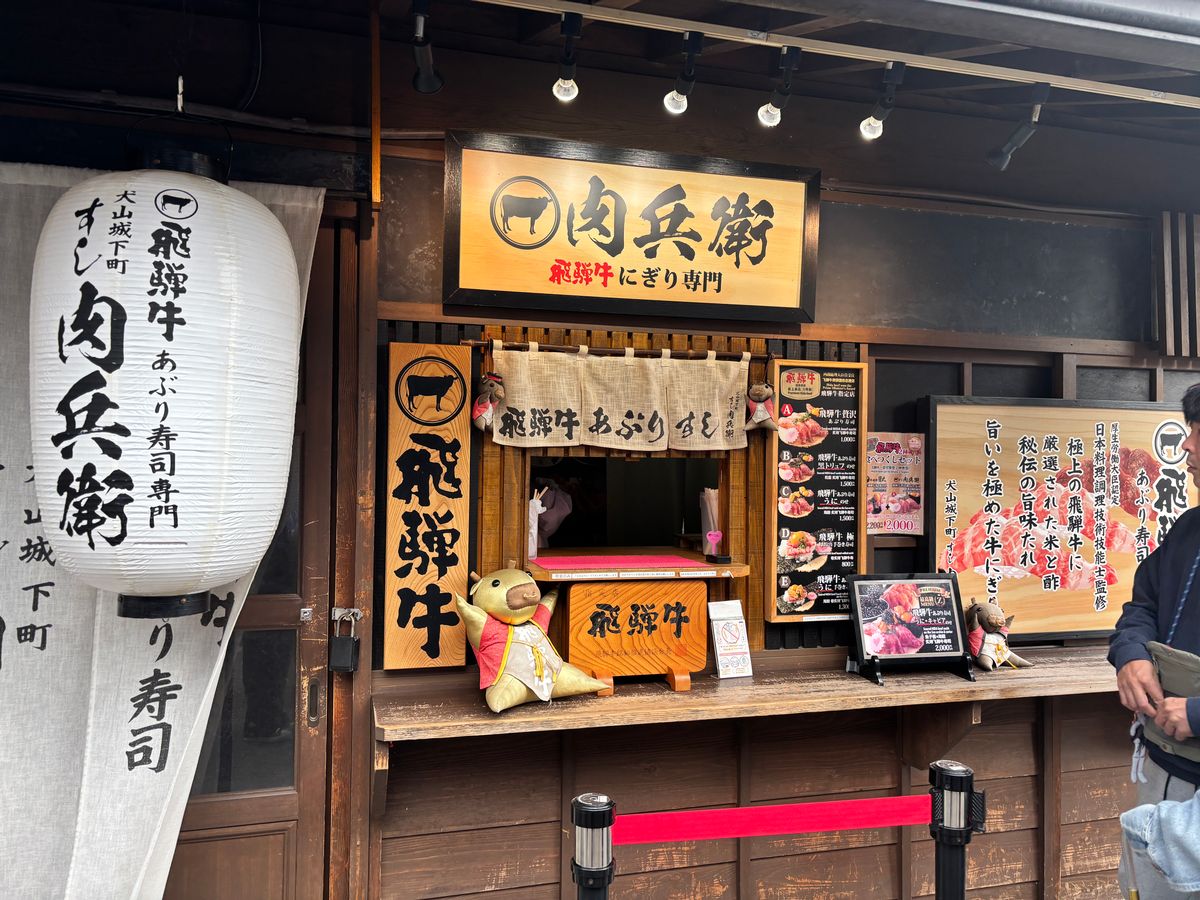
They prepare the sushi fresh for each order, allowing you to enjoy its deliciousness right away. The lightly seared Hida beef melts in your mouth.
Gohei Mochi
"Yamada Gohei Mochi Shop" is a famous establishment in Inuyama Castle Town, often with a line of people waiting for freshly grilled mochi.
Gohei mochi is handmade, featuring a special sauce with sesame, walnuts, and peanuts that is exquisite. The dumpling shape makes it easy to eat while walking, catering to tourists. At just 100 yen each, it's also very affordable.
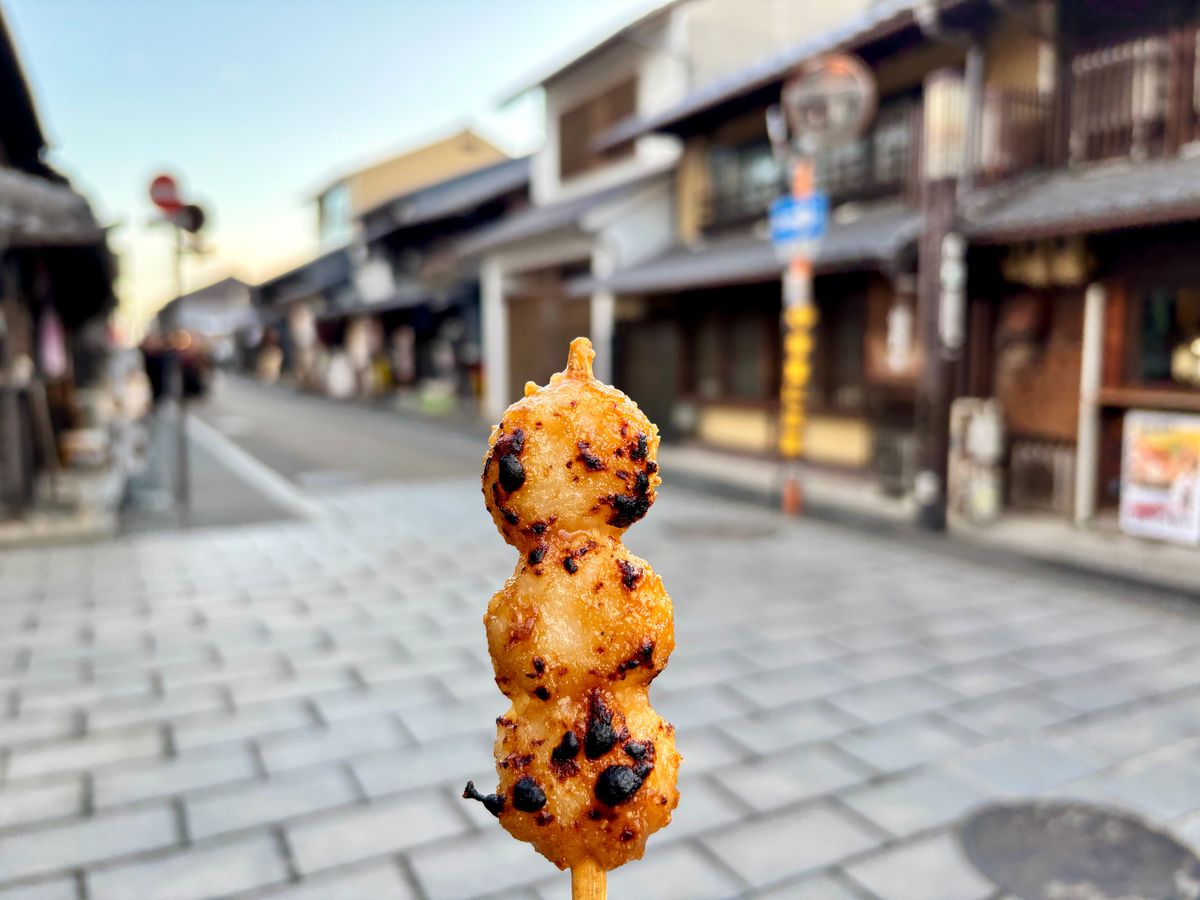
Gohei mochi reminds me of the post towns of Magome-juku and Tsumago-juku.
Other Popular Foods
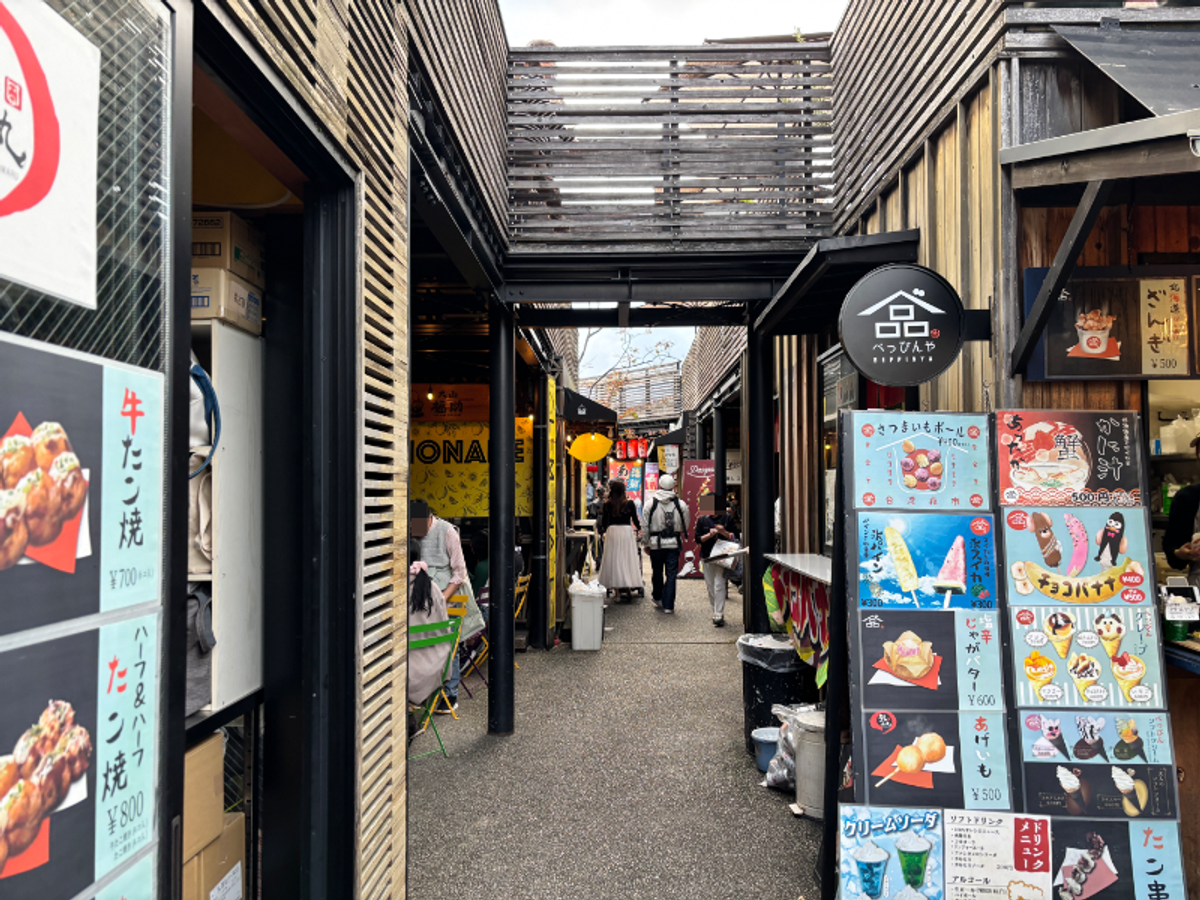
"Koi Komachi Dango" is a cute Japanese sweet with colorful toppings, popular on social media.
When enjoying street food, it's good manners to refrain from eating while walking and instead use the eat-in spaces or benches provided by the shops.
Attraction Spots
In the castle town, there are museums related to the Inuyama Festival, facilities displaying karakuri dolls (mechanical dolls), and unique Jizo statues to explore.
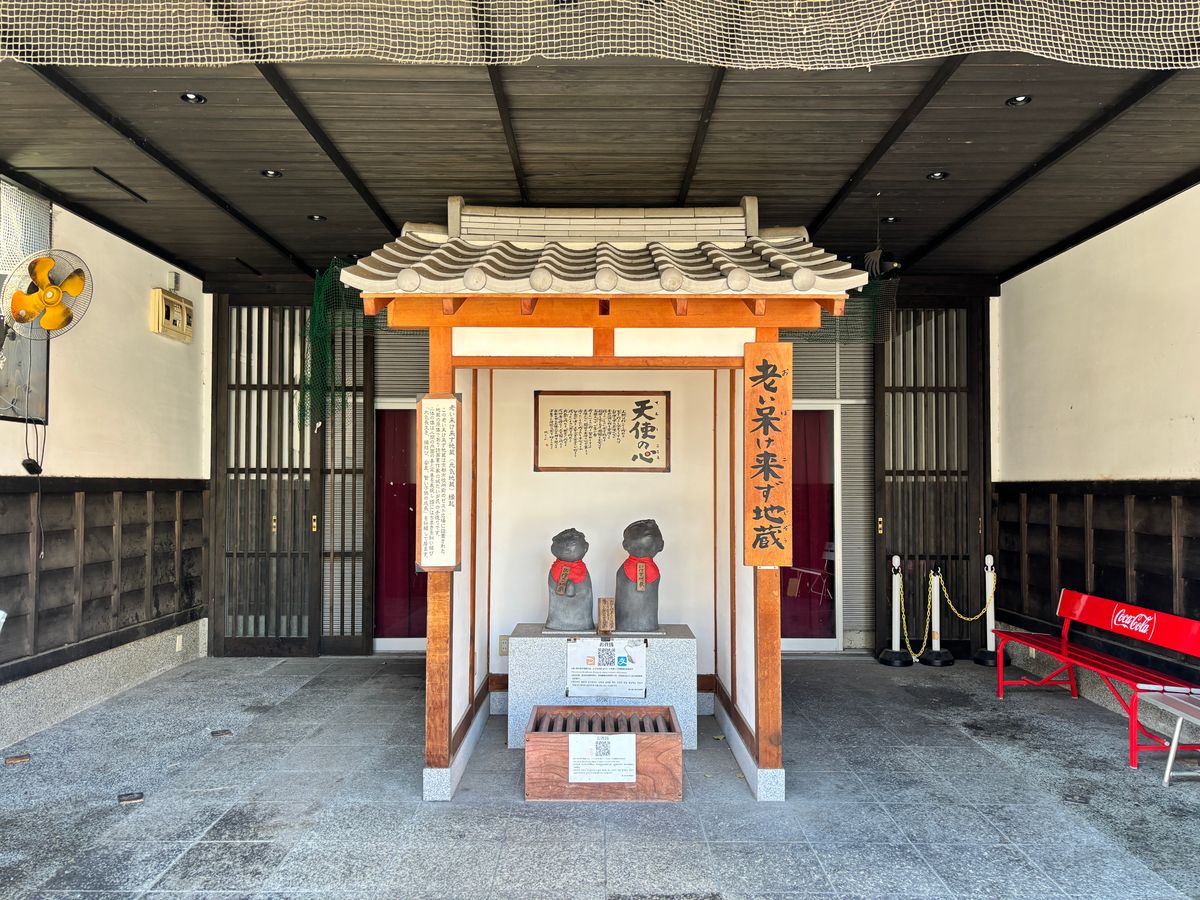
Oiboke Kuzu Jizo
The "Oiboke Kuzu Jizo" along Honmachi Street is a unique Jizo statue that prays for "not becoming senile even in old age." Two Jizo statues are enshrined in a small vermilion shrine, attracting locals and tourists wishing for health and longevity.
Old Isobe Family Residence
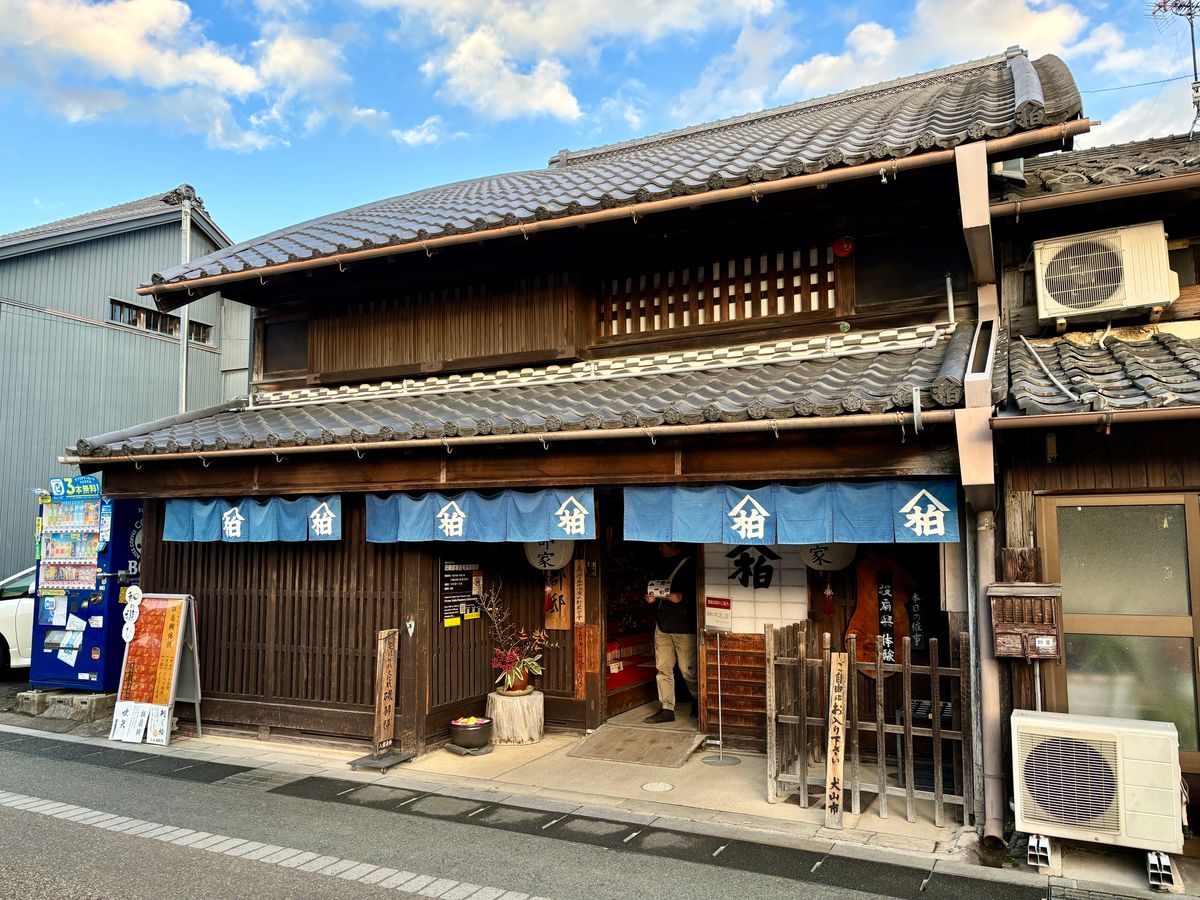
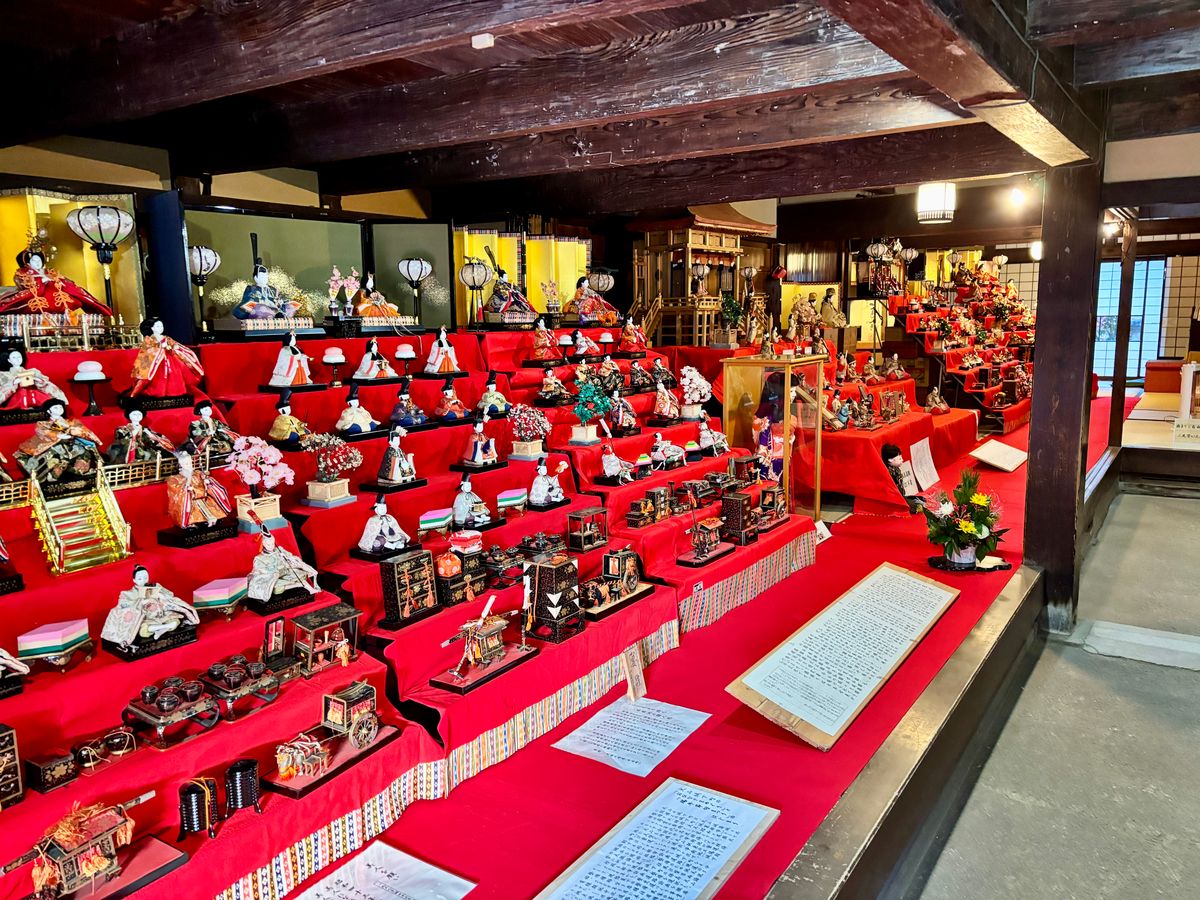
The Old Isobe Family Residence (Isobe-ke) is a merchant house built during the late Edo to Meiji periods and is designated as a registered tangible cultural property. It consists of five buildings, including the main house, back room, and storehouse, showcasing the lifestyle of that era.
The interior is free to visit, and seasonal displays of hina dolls and May dolls are also held.
Admission Fee: Free
Opening Hours: 9:00 AM - 5:00 PM (last admission at 4:30 PM)
Karakuri Exhibition Hall (IMASEN Inuyama Karakuri Museum)
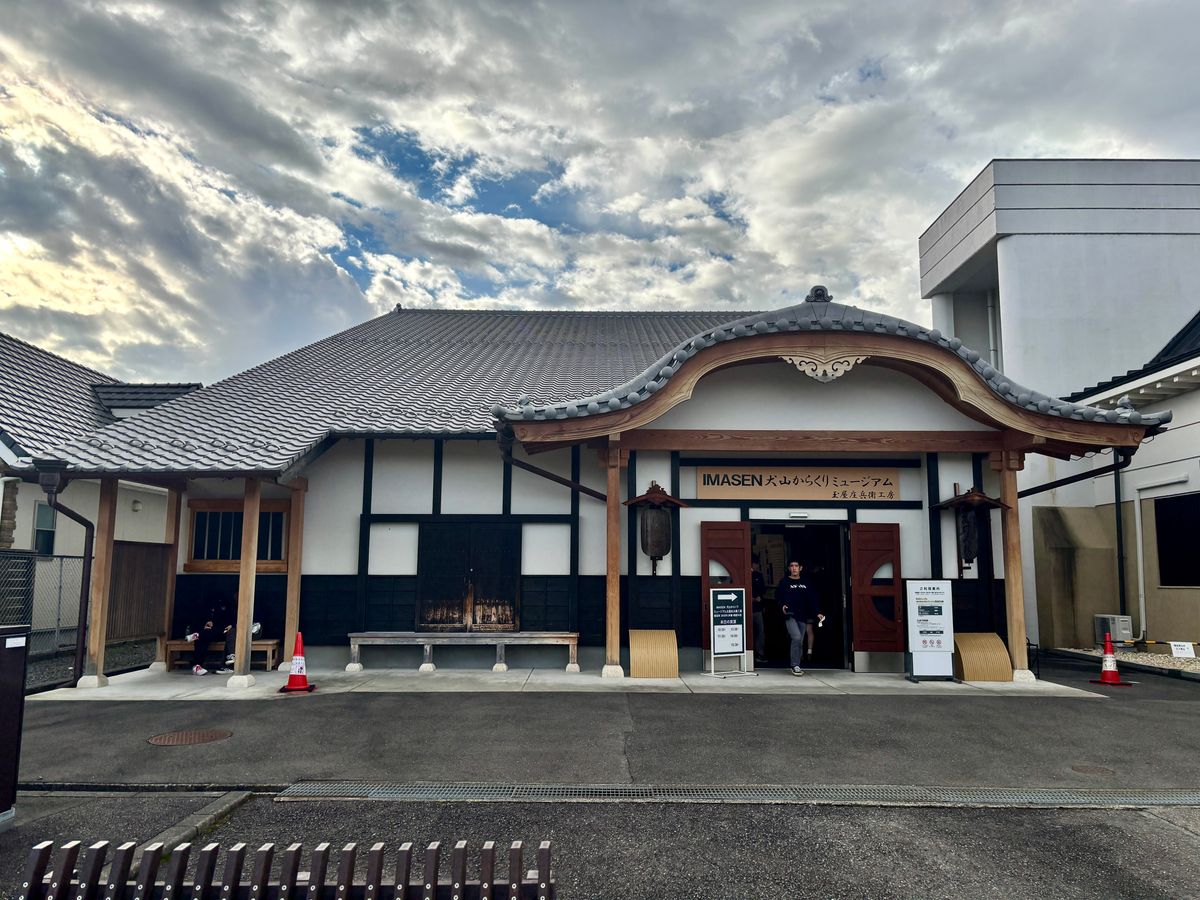
This facility displays karakuri dolls that ride on the festival floats of the Inuyama Festival. Karakuri dolls are traditional mechanical dolls that move using strings and springs. You can see the craftsmanship that has continued since the Edo period up close.
Daily demonstrations of the karakuri dolls are held inside, showcasing dolls carrying teacups and performing acrobatics. The explanations are in Japanese only, but it's still enjoyable just to watch the moving dolls.
Admission Fee: 300 yen (common with the Castle and Town Museum)
Opening Hours: 9:00 AM - 5:00 PM (last admission at 4:30 PM)
Castle and Town Museum
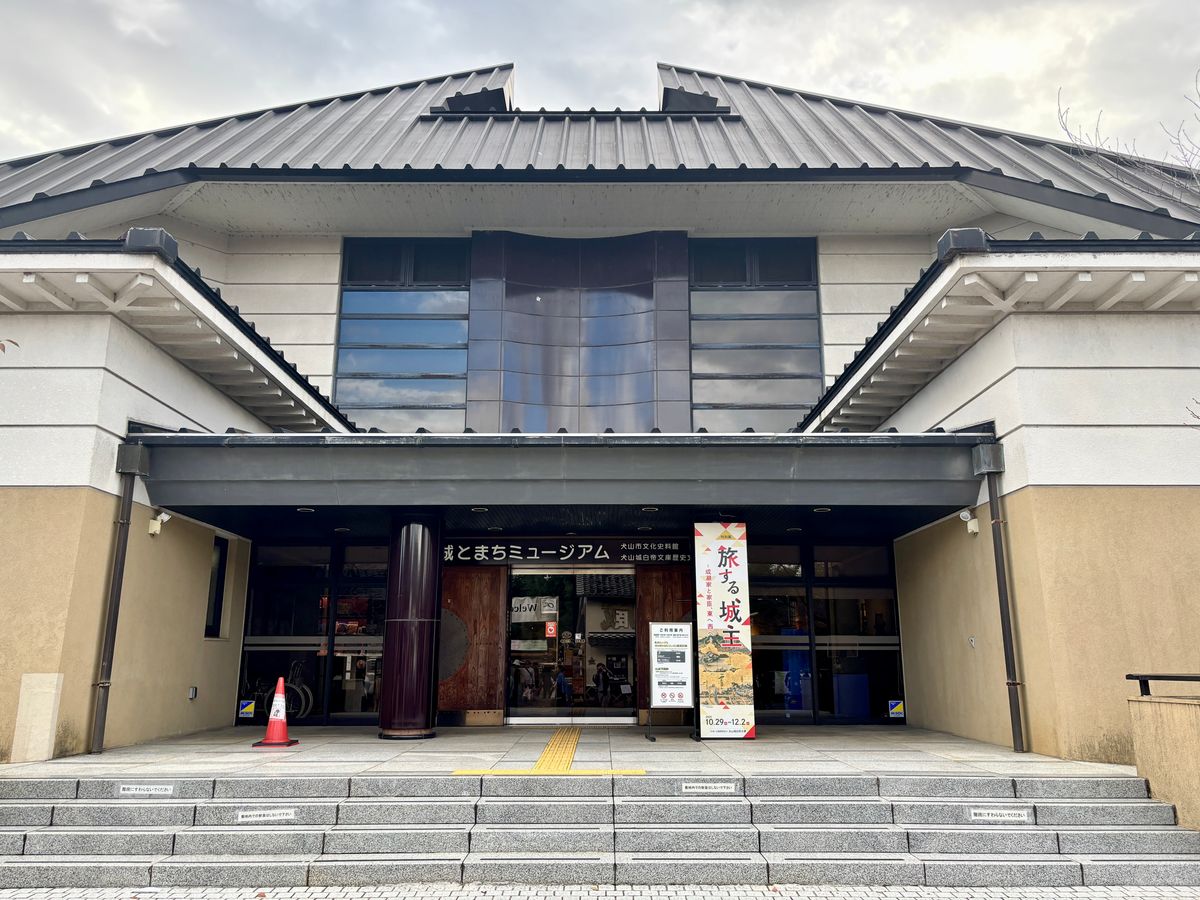
This facility displays a large diorama recreating the castle town of the Edo period and historical materials. It's a place to learn about the history of Inuyama Castle and the castle town.
Admission Fee: 300 yen (common with the Karakuri Exhibition Hall)
Opening Hours: 9:00 AM - 5:00 PM (last admission at 4:30 PM)
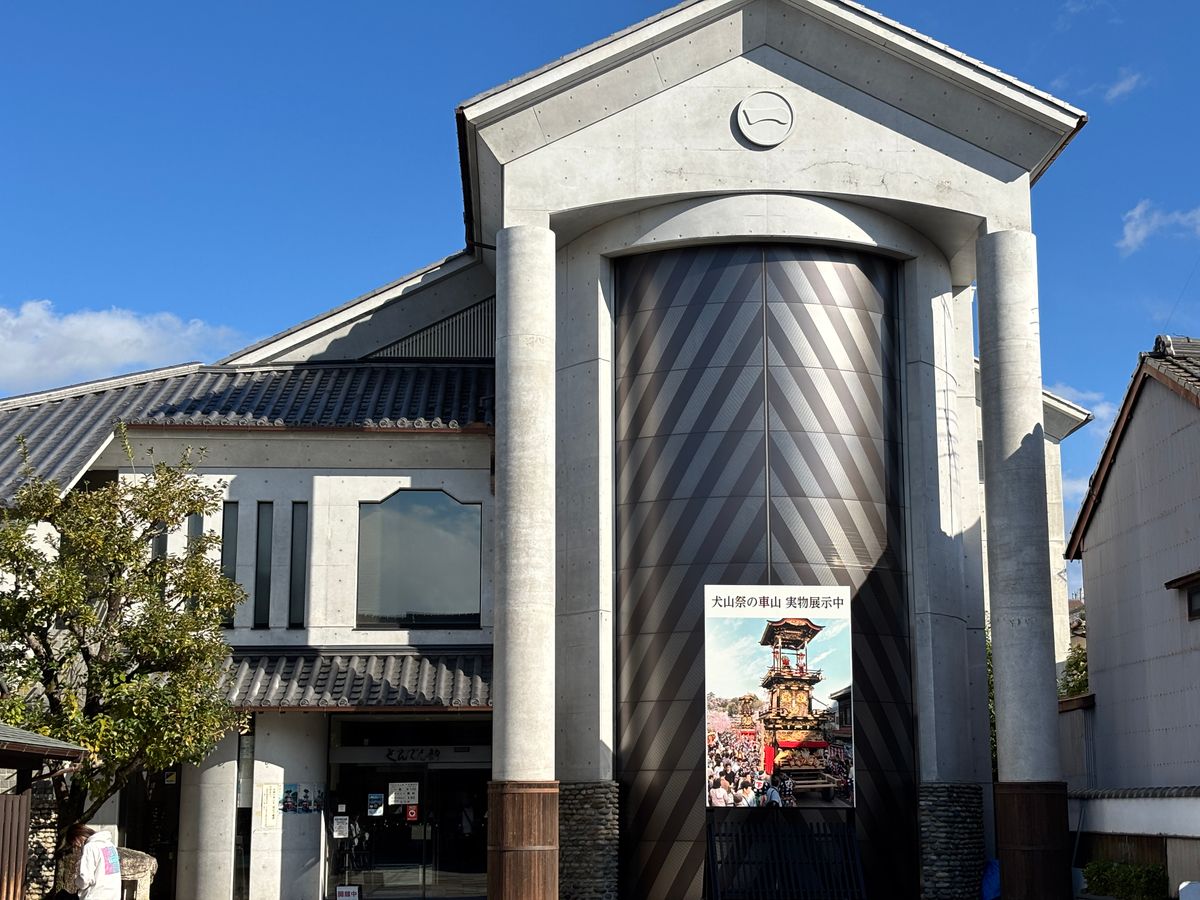
Donden Hall
This hall features four festival floats from the Inuyama Festival, registered as a UNESCO Intangible Cultural Heritage. You can see the 8-meter tall, over 3-ton floats up close. The displays are in Japanese only, but you can feel the atmosphere of Japanese festivals.
Admission Fee: 100 yen
Opening Hours: 9:00 AM - 5:00 PM (last admission at 4:30 PM)
Two Shrines on the Way to Inuyama Castle
On the way to Inuyama Castle, there are two shrines.
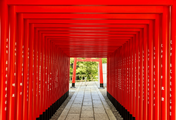
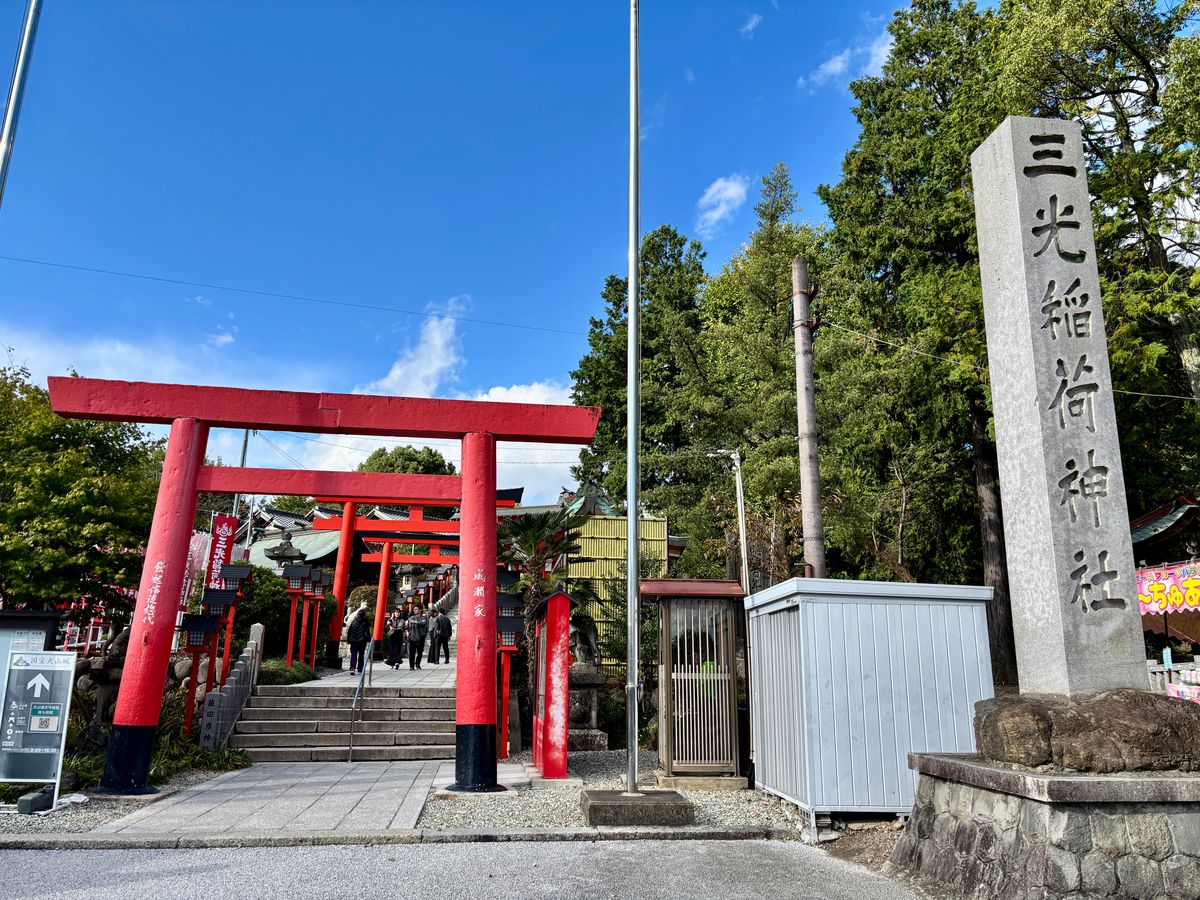
Sanko Inari Shrine
This shrine is popular for its rows of red torii gates and pink heart-shaped ema (votive tablets). It is believed to bring good fortune in love, attracting many women and couples. It's also recommended to pray for financial luck by "washing money."
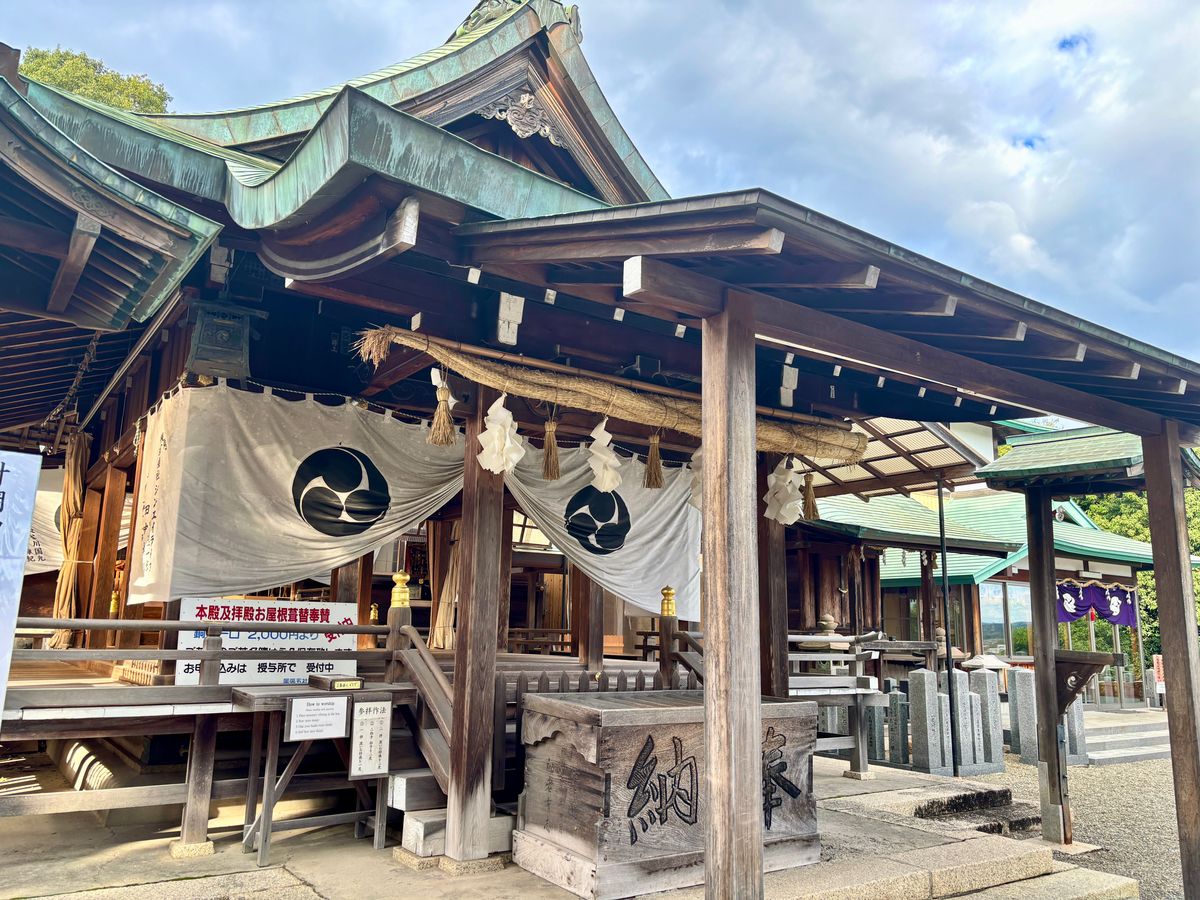
Haritsuna Shrine
Located at the foot of the castle mountain, Haritsuna Shrine is a historic shrine counted among the Owari Five Shrines. It is believed to grant blessings for safe childbirth, childbearing, and longevity.
Inuyama Castle
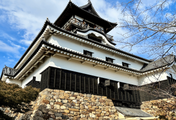
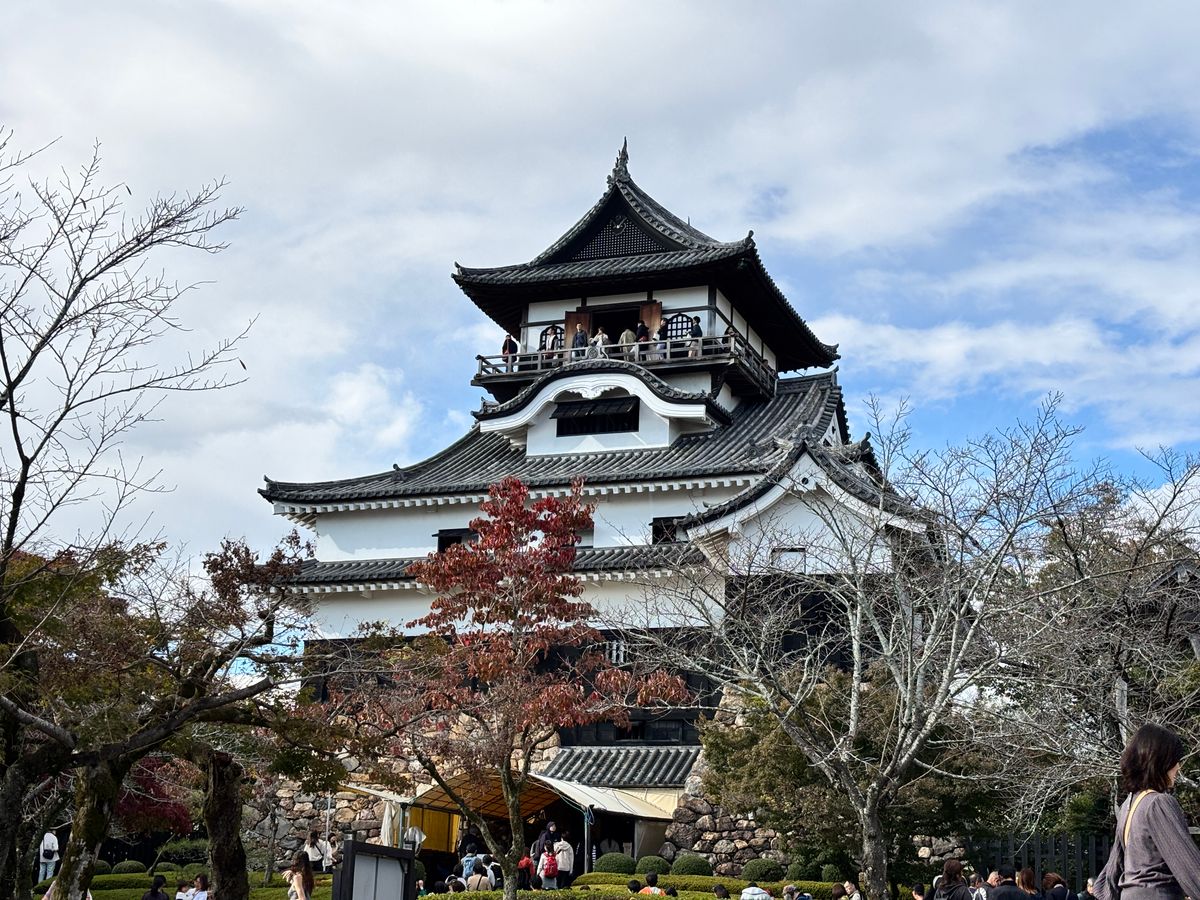
After passing through the castle town and the shrines, you will arrive at the national treasure Inuyama Castle. Built in 1537, it is the oldest wooden castle keep in Japan, offering stunning views of the Kiso River and Mount Ontake from the corridor on the top floor.