Kagoshima's Hidden Gems: The Shochu Shrine "Koriyama Hachiman Shrine"
By Dynamic Japan Travel Editorial Team—Supervised by P-HAM Co., Ltd. (Licensed Travel Agency, Aichi No. 3-1590)
# Kagoshima Hidden Gems: The Japanese Shochu Shrine, Koriyama Hachiman-jinja
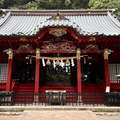
Hi, I'm TAKA, and I travel almost exclusively to Japan's rural regions! Today I'm introducing Koriyama Hachiman-jinja Shrine in Kagoshima Prefecture, a shrine steeped in Japanese sake history. It's an easy destination reachable in just over an hour by a direct bus from Kagoshima Airport, with no transfers needed. If you're traveling through Kagoshima, it's a perfect little detour to fit into your itinerary.
## What Is a Hachiman Shrine? The Basics of Japanese Shrines
If you travel around Japan, you'll notice shrines named "Hachiman-jinja" or "Hachiman-gu" everywhere. That's no coincidence — Hachiman shrines are among the most common types of shrines in Japan.
Hachiman shrines primarily enshrine Emperor Ojin (Ojin Tenno), traditionally regarded as Japan's 15th emperor. In Japan, emperors are revered as descendants of the gods who created the nation. Because of this, the earliest emperors are often considered legendary figures whose historical existence is uncertain — but Emperor Ojin is widely believed to have actually existed, rather than being purely legendary.
## The Shrine Where Japan's Oldest Written Record of "Shochu" Was Found
Sake, shochu, umeshu — Japan has all kinds of alcohol, but in the Kyushu region, shochu reigns supreme! Most of Japan's top shochu breweries are located in Kyushu.
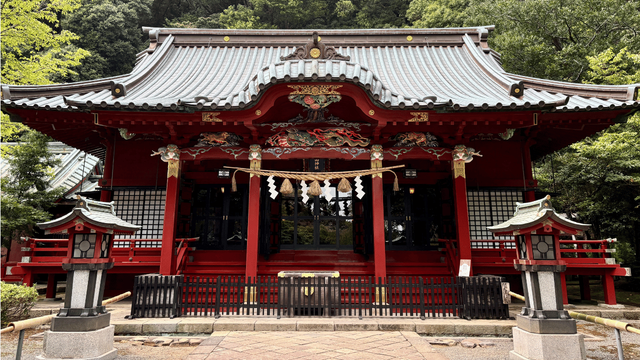
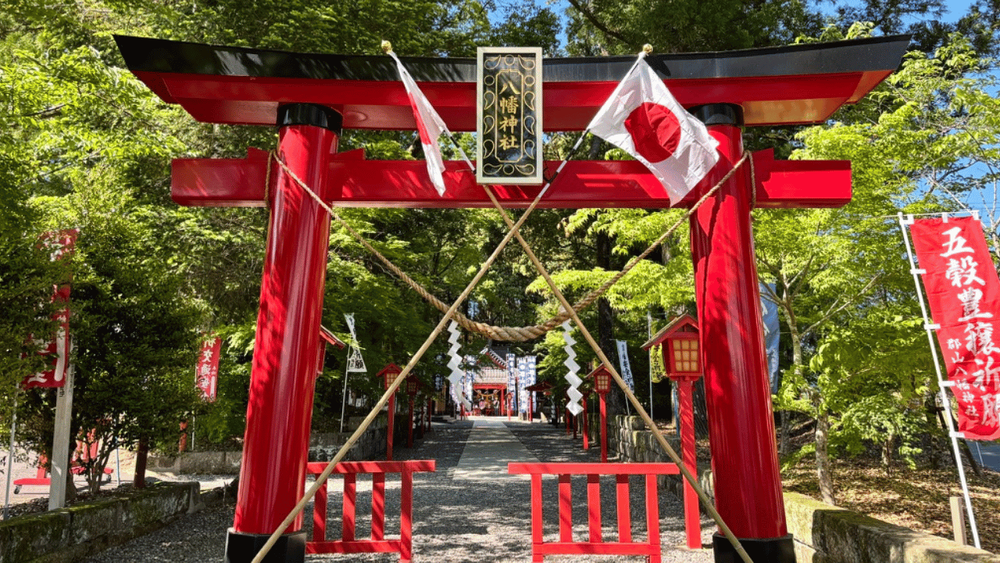
Koriyama Hachiman-jinja, located in Isa City, Kagoshima Prefecture — one of Kyushu's shochu strongholds — is famous as the site where the oldest known wooden fragment bearing the written word "shochu" was discovered.
In 1559 (Eiroku 2), carpenters repairing the shrine's main hall left graffiti that included the word "shochu." This is recognized as the oldest known written record of shochu in Japan and has been designated a tangible cultural property of Kagoshima Prefecture. It stands as proof that Japan's shochu culture has existed for more than 460 years. Pretty niche, right? Any sake or shochu enthusiast is bound to let out an excited gasp at this one.
## 800 Years of History and Blessings for Safe Childbirth
The shrine was founded in 1194 (Kenkyu 5) and boasts a history of more than 800 years. According to tradition, local historical figure Hishikari Shigetae received a divine revelation and enshrined a deity invited from Usa Hachiman-gu Shrine in Oita Prefecture.
Something female travelers in particular should know! The shrine's principal deity is Empress Jingu (Jingu Kogo), believed to grant blessings for safe childbirth and child-rearing. For those planning to become mothers, currently raising children, or simply interested in Japan's traditional child-rearing culture, this shrine makes for an especially meaningful visit.
## Access Information
A trip to Isa City in Kagoshima Prefecture might feel like a bit of an adventure, but it's well worth it! You can get there from Kagoshima Airport by bus in about 1 hour and 10 minutes.
When visiting, we recommend combining your trip with a tour of local shochu distilleries and hot springs. It promises to be a journey that reveals Japan's rich culture and history, along with the warmth of its people!
Why not take a journey into the roots of Japan's sake culture? Though slightly off the beaten path, this shrine is a hidden gem for travelers who want to discover the real Japan. If you land at Kagoshima Airport, be sure to add it to your list of places to visit.